





menu

Septic Tank Emergency Pumping in Seattle – Trucks Dispatched in Under 90 Minutes

When your septic system backs up, you need immediate septic tank emptying from a crew that knows Seattle's soil conditions and can reach you fast. We dispatch 24 hour septic pump out trucks to every Seattle neighborhood, day or night.

Slider Image 1
Slider Image 2
Slider Image 3
Slider Image 4
Slider Image 5
Slider Image 7
Slider Image 8
Slider Image 9
Slider Image 10
Slider Image 11

When Your Septic System Fails, Every Minute Counts

You smell it before you see it. Raw sewage backing up into your basement. Toilets that won't flush. A soggy, foul-smelling patch spreading across your yard. A septic emergency does not wait for business hours, and the damage compounds with every passing hour.

Seattle's heavy rainfall and clay-rich soil create the perfect storm for septic failures. The Puget Sound region sees an average of 37 inches of rain annually, and that water has nowhere to go when your drain field is saturated. Clay soil, common throughout King County, expands when wet and compresses drain fields, preventing proper effluent absorption. Add in older systems in neighborhoods like Ballard, Fremont, and West Seattle, many installed before modern code requirements, and you have a recipe for sudden, catastrophic backups.

You cannot fix this yourself. A backed-up septic system is not just disgusting. It is a health hazard. Raw sewage contains E. coli, hepatitis A, and parasitic organisms that threaten your family and contaminate groundwater. Washington State Department of Health regulations require immediate remediation when sewage surfaces, and delayed response can result in citations and mandatory system replacement.

When you call for emergency septic pumping service, you need a crew that understands the urgency. You need vacuum trucks that can navigate Seattle's narrow residential streets and steep hillsides. You need same day septic pumping that stops the damage before it spreads to your foundation, crawl space, or neighbor's property. This is not a maintenance call. This is a crisis that demands immediate septic tank emptying and a team that treats it like one.

When Your Septic System Fails, Every Minute Counts
How Emergency Septic Extraction Works

How Emergency Septic Extraction Works

Urgent septic tank cleaning is not the same as routine maintenance. When your system is in failure mode, we deploy a different protocol.

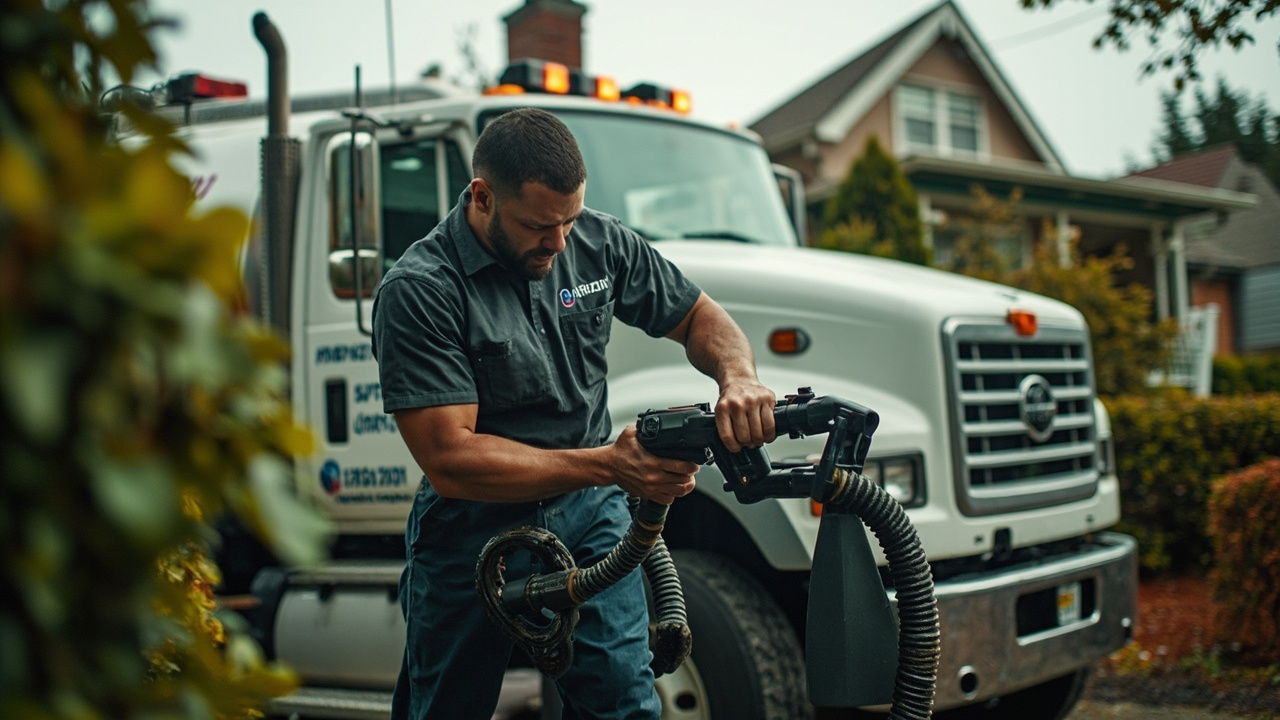
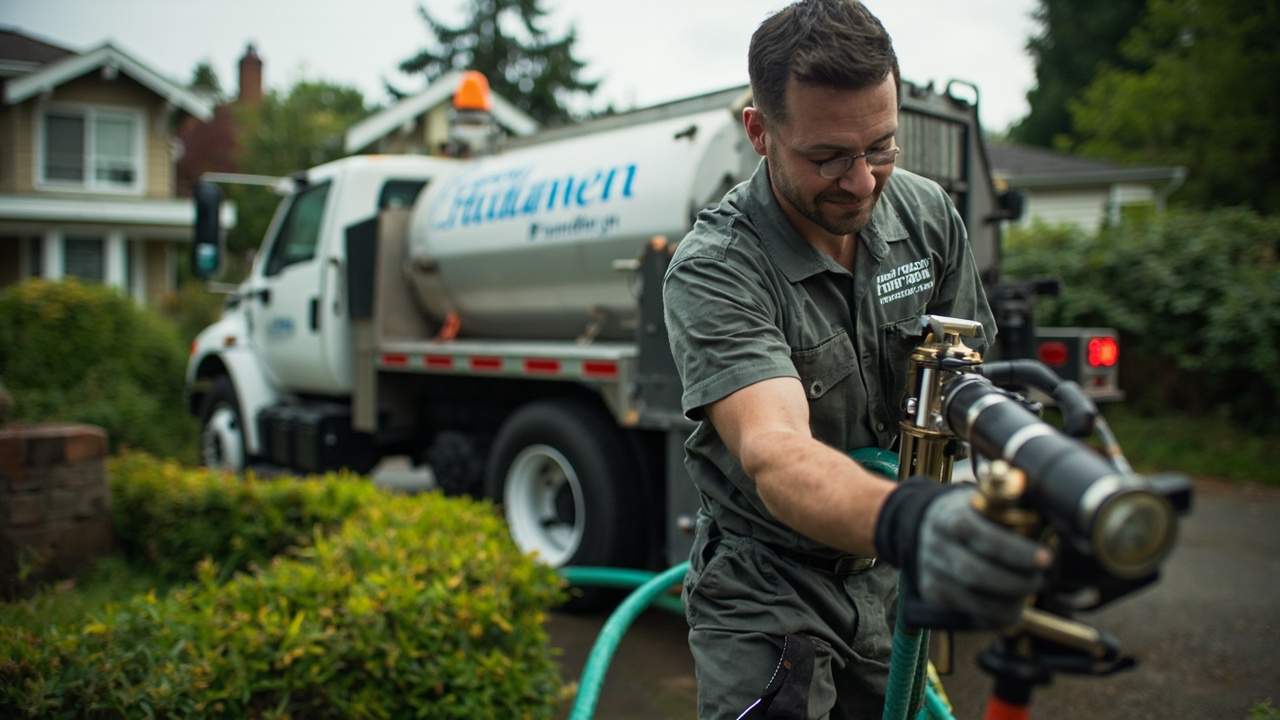
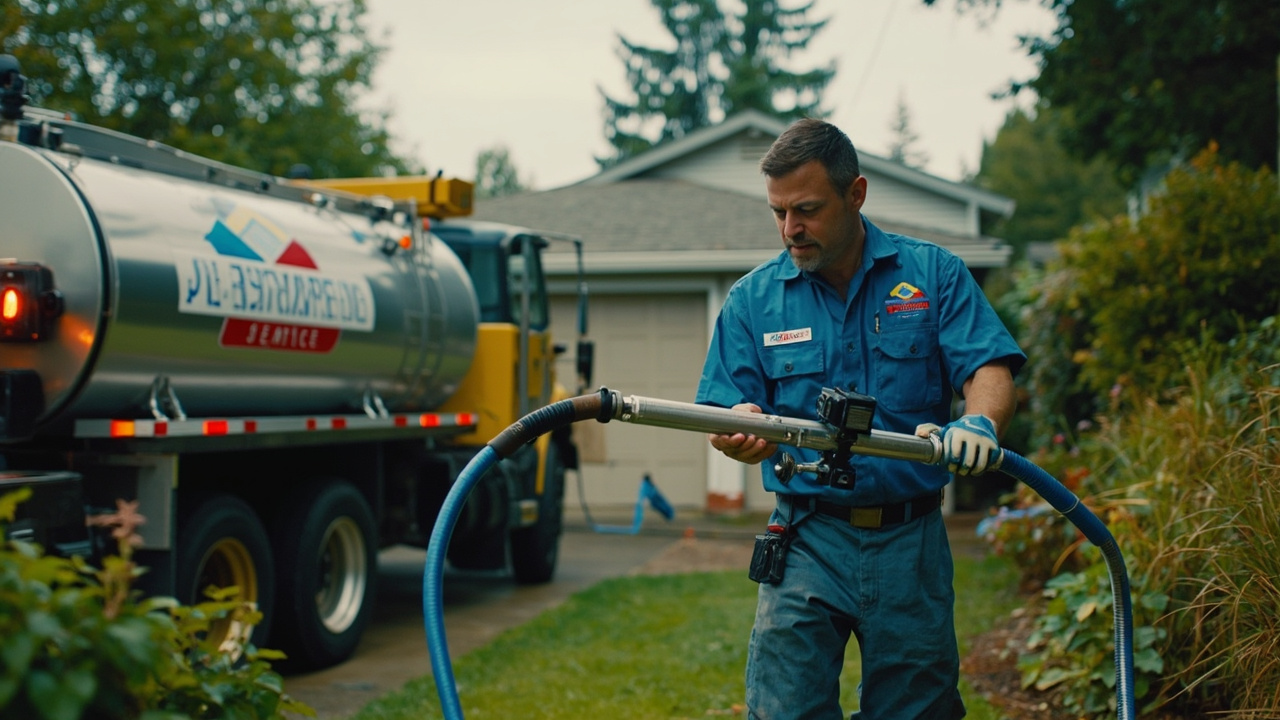
Our vacuum trucks carry 3,000 to 4,000 gallons of capacity and use high-powered pumps rated at 400 CFM to extract liquids and solids rapidly. We start by locating your access ports. Many older Seattle systems have buried lids or non-standard riser configurations, especially in pre-1980 installations. We carry GPR locators and probe rods to find them fast.

Once we expose the tank, we insert the vacuum hose into the effluent layer first to drop the liquid level and relieve hydrostatic pressure. This prevents further backflow into your home while we work. Then we agitate the sludge layer using high-pressure water jets to break up compacted solids before extraction. Older concrete tanks in Seattle often have significant sludge buildup because the scum and sludge layers were never maintained on schedule.

After extraction, we inspect the tank with a camera scope. We check for cracks, baffle failure, or inlet/outlet blockages. We test the drain field using a hydraulic load test, pumping clean water into the distribution box to see if the soil accepts it. If the field is saturated, which is common after Seattle's wet season from November through March, we document it and recommend next steps.

We also check your pump chamber if you have a pressurized system. Float switches fail. Pump impellers clog with feminine hygiene products, wipes, and grease. We clear the pump, test the float, and verify the alarm circuit. If your system uses a dosing tank or ATU (aerobic treatment unit), we inspect the aeration diffusers and verify dissolved oxygen levels.

This is not a pump and run. We diagnose the root cause so you understand whether this is a one-time event or a symptom of system failure.

What Happens When You Call Us

Septic Tank Emergency Pumping in Seattle – Trucks Dispatched in Under 90 Minutes
01

Dispatch and Site Assessment

We answer your call immediately and dispatch a vacuum truck to your location. Our driver contacts you with an ETA, usually within 90 minutes for Seattle metro addresses. Upon arrival, we assess the severity of the backup, locate your tank access points, and stage equipment to minimize lawn damage. We ask about recent water usage, tank history, and when you last had the system serviced to understand the failure timeline.
02

Tank Evacuation and Inspection

We extract all liquid and solid waste from your septic tank using industrial vacuum equipment, relieving pressure and stopping the immediate backup. While pumping, we inspect the tank interior for structural damage, failed baffles, or blockages at the inlet and outlet tees. We use a camera to check the outlet line for obstructions and verify that effluent can exit the tank freely once pumping is complete.
03

System Testing and Recommendations

After evacuation, we test your drain field by introducing water into the distribution box and observing absorption rates. We check for standing water, surfacing effluent, or field saturation. We provide a written report detailing what we found, whether your system is functional, and what repairs or upgrades are needed. If your drain field has failed, we connect you with our design team to discuss replacement options that meet current King County code.

Why Seattle Homeowners Trust Us for Septic Emergencies

Septic emergencies do not follow a schedule, and neither do we. Horizon Plumbing Seattle operates 24 hour septic pump out service because we know that a backup at 2 a.m. on a Sunday is just as urgent as one on a Wednesday afternoon. We keep multiple vacuum trucks in rotation and strategically stage them across King County to minimize response times to neighborhoods from Capitol Hill to Magnolia to Rainier Valley.

Seattle's topography and infrastructure create unique challenges. Many homes sit on steep slopes where gravity systems fail and pump systems are required. Older neighborhoods have septic systems installed before modern regulations, with undersized tanks, shallow drain fields, or no distribution box. We have worked on every system type in every Seattle neighborhood, and we understand the quirks of pre-1970 concrete tanks, the failure modes of 1980s-era polyethylene systems, and the maintenance requirements of modern aerobic treatment units.

We also understand King County's regulatory environment. When a septic system fails, you are required to report it to the Seattle-King County Health Department if effluent surfaces or enters a water body. We document our findings, photograph the failure, and provide the reports you need to stay compliant while pursuing repairs. We work directly with county inspectors and engineers to expedite permit applications for emergency repairs or replacements.

Local knowledge matters. We know which streets flood during heavy rain, which soil types drain poorly, and which neighborhoods are served by sewer and which still rely on septic. We know that homes near Puget Sound or Lake Washington often have high water tables that compromise drain fields. We know that Queen Anne, Magnolia, and West Seattle have significant clay content that requires specialized field design. This is not generic service. This is expertise built on thousands of service calls across the greater Seattle metro.

What You Can Expect During an Emergency Call

Response Time and Availability

We dispatch trucks 24 hours a day, 365 days a year. Most Seattle metro calls receive a response within 90 minutes, and we prioritize based on severity. If sewage is actively backing up into your home, you move to the front of the queue. Our drivers call you with an ETA and update you if traffic or conditions change. We do not make you wait all day for a service window. We give you a real-time arrival estimate and we meet it.

On-Site Evaluation and Diagnosis

Before we start pumping, we assess your system to understand why it failed. We ask about your household size, water usage patterns, and maintenance history. We locate your tank, inspect the access risers, and check for obvious signs of failure like cracks, collapsed baffles, or a saturated drain field. This evaluation informs our approach and helps us identify whether you need a simple pump-out or more extensive repairs. We explain what we find in plain language and give you options, not sales pressure.

Complete Waste Extraction and Testing

We remove 100 percent of the liquid and sludge from your tank, not just enough to stop the immediate backup. A partial pump-out is a temporary fix that costs you more in the long run. After extraction, we camera-inspect the tank interior and outlet line, then hydraulically test your drain field to verify it can accept effluent. We provide a written summary of our findings, including tank condition, sludge depth before pumping, and whether your field is accepting wastewater or needs replacement.

Follow-Up and Maintenance Planning

After the emergency is resolved, we help you create a maintenance schedule to prevent future failures. Most residential tanks need pumping every three to five years depending on household size and water usage. We log your service in our system and send reminders when your next pump-out is due. If we identified structural damage or field failure, we coordinate with our repair and installation crews to schedule follow-up work. We do not disappear after the truck leaves. We stay with you through the entire process.

Frequently Asked Questions

You Have Questions,
We Have Answers

How much is an emergency septic pump? +

Emergency septic pumping in Seattle typically costs more than scheduled service due to after-hours availability and urgent response. Expect to pay a premium for same-day or weekend service. Costs vary based on tank size, accessibility, and how full your system is. Seattle's wet climate can complicate access during heavy rain, potentially increasing labor time. Do not wait if you see sewage backup or standing water. Call immediately to prevent contamination and property damage. Most providers will quote over the phone once they know your tank capacity and urgency level.

How long can a septic go without pumping? +

Most septic tanks need pumping every three to five years under normal use. However, Seattle's rainy season can accelerate filling if your drainfield struggles with saturated soil. Household size matters. A family of four will fill a tank faster than two people. Do not wait until you see warning signs. Overdue pumping leads to solid waste entering your drainfield, causing expensive system failure. Seattle's clay-heavy soils in some neighborhoods make recovery from drainfield damage costly. Schedule pumping based on your last service date, not when problems appear.

What is considered a septic emergency? +

A septic emergency means sewage backing up into your home, standing wastewater in your yard, or strong sewage odors inside. You need immediate help. Toilet and drain backups indicate your tank is full or your drainfield has failed. In Seattle, heavy winter rains can push a struggling system over the edge fast. Do not flush toilets or run water if you see backup. This worsens contamination risk. Sewage contains harmful bacteria and must be addressed within hours, not days. Call an emergency pumping service immediately to stop damage.

How do I empty my septic tank without pumping? +

You cannot safely empty a septic tank without professional pumping equipment. Do not attempt DIY removal. Septic tanks contain toxic gases like methane and hydrogen sulfide that can kill you. The sludge layer needs proper disposal at licensed facilities, which Seattle regulations require. Homeowner pump rentals lack the vacuum power and safety features needed for thorough waste removal. Improper emptying leaves solids behind, causing future blockages. Professionals use truck-mounted pumps with thousands of gallons of capacity. Protect your family and property by hiring licensed septic pumpers for all tank maintenance.

What are the signs that your septic tank is full? +

Watch for slow drains throughout your home, gurgling sounds in pipes, or sewage odors near the tank or drainfield. Pooling water or soggy ground above your drainfield means solids have escaped the tank. Toilets that flush slowly or back up signal a full tank. In Seattle's wet climate, you may notice greener grass over the drainfield as wastewater fertilizes the area. Do not ignore these warnings. Once sewage backs into your home, you face health risks and costly cleanup. Schedule pumping immediately when you notice any of these signs.

How much does it cost to empty a 1500 gallon septic tank? +

Pumping a 1500-gallon septic tank in Seattle generally costs between routine service rates and emergency premiums, depending on timing and access. Emergency calls command higher prices for immediate response. Tank accessibility affects labor time. If your tank lid is buried or overgrown, expect additional charges. Seattle's hilly terrain in neighborhoods like Queen Anne or Capitol Hill can complicate truck positioning. Prices include pumping, inspection, and proper waste disposal at county-approved facilities. Get quotes from multiple licensed providers. Focus on experience with Seattle's soil conditions and local code compliance, not just price.

Can a septic tank go 20 years without being pumped? +

No. A septic tank cannot safely go 20 years without pumping. Sludge and scum layers will completely fill the tank, forcing raw sewage into your drainfield. This destroys the soil's ability to filter wastewater, requiring drainfield replacement costing tens of thousands of dollars. Seattle's frequent rain accelerates system failure when solids clog drainage pipes. Pumping every three to five years prevents catastrophic damage. If you bought a home without pumping records, schedule service immediately. Neglected tanks in Seattle often fail during winter when saturated soils cannot absorb additional wastewater. Do not gamble with your system.

How much does it typically cost to pump a septic tank? +

Standard septic pumping in Seattle ranges based on tank size and service type. Emergency calls cost more due to immediate dispatch and after-hours labor. Expect higher fees for difficult access, buried lids, or saturated ground conditions. Prices include waste removal, basic inspection, and disposal at licensed facilities. Seattle providers must follow King County regulations for proper waste handling. Larger tanks or those requiring extensive digging for access increase costs. Get written estimates before service begins. Regular maintenance costs far less than emergency repairs or drainfield replacement caused by neglected pumping schedules.

How many loads of laundry a day are safe to do with a septic tank? +

Spread laundry across the week rather than doing multiple loads in one day. Two to three loads daily usually works for most septic systems if you space them out. Seattle's water-efficient machines help by using less volume per load. The key is avoiding water overload that prevents proper settling in your tank. Excess water pushes solids into your drainfield before bacteria can break them down. Run full loads only, and avoid back-to-back cycles. If you have a large family, consider a laundry schedule that distributes use. Your drainfield needs time to absorb water between loads.

Does Ridex really work in septic tanks? +

Ridex and similar additives are unnecessary for healthy septic systems. Your tank already contains billions of bacteria that break down waste naturally. Seattle's moderate climate supports year-round bacterial activity without chemical help. Some additives can actually harm your system by breaking down solids too quickly, sending them into your drainfield prematurely. King County does not recommend enzyme or bacterial additives. Save your money. Focus on regular pumping every three to five years and proper water use habits. Avoid flushing non-biodegradable items. Natural bacteria handle everything else effectively without store-bought supplements.

How Seattle's Rain and Soil Conditions Accelerate Septic Failures

Seattle receives heavy rainfall from October through April, and that water saturates drain fields and raises the water table across King County. When your drain field is waterlogged, effluent has nowhere to go, and your tank fills faster than it can drain. Homes in low-lying areas near Green Lake, Lake Washington, or the Duwamish River are especially vulnerable. Clay soil, prevalent in neighborhoods like Beacon Hill, Seward Park, and Columbia City, compounds the problem by preventing water absorption. These conditions turn routine septic maintenance into emergency situations, and they explain why same day septic pumping is not a luxury in Seattle, it is a necessity when your system backs up.

King County has strict regulations for septic systems, and choosing a provider who understands local codes protects you from fines and failed inspections. We work directly with Seattle-King County Health Department inspectors and know the permitting process for repairs and replacements. When you need urgent septic tank cleaning, you do not just need a truck. You need a crew that understands soil testing protocols, setback requirements from water bodies, and the documentation required for emergency repairs. Local expertise means faster resolutions, accurate diagnoses, and repairs that pass inspection the first time. Horizon Plumbing Seattle has built trust with Seattle homeowners by delivering that expertise when it matters most.
Plumbing Services in The Seattle Area

Horizon Plumbing Seattle proudly serves the entire Seattle metropolitan area and surrounding communities. We invite users to view our service area map to confirm that your home or business falls within our coverage zone, ensuring we can deliver fast, reliable service right to your doorstep. Our professional team is strategically located to offer prompt dispatch, whether you're in the heart of downtown or the outlying neighborhoods. Call us to confirm coverage and schedule your expert plumbing appointment today; we look forward to serving you with confidence and a warm welcome.

Address:
Horizon Plumbing Seattle, 1515 Dexter Ave N, Seattle, WA, 98109

Additional Services We Offer

Our news updates

Latest Articles & News from The Blogs

Converting Your Old Wedgwood Bathtub into a Modern Walk-In Shower Converting your old Wedgwood bathtub to a modern walk-in shower…

Converting Your Old Wedgwood Bathtub into a Modern Walk-In Shower

Converting Your Old Wedgwood Bathtub into a Modern Walk-In Shower Converting your old Wedgwood bathtub to a modern walk-in shower…

Replacing Corroded Cast Iron Drain Lines in Your Crown Hill Bungalow

Replacing Corroded Cast Iron Drain Lines in Your Crown Hill Bungalow\n\nCast iron drain pipes in Crown Hill's classic 1940s and…

Why Homeowners in Georgetown are Upgrading to Professional Bidet Installations

Why Georgetown Homeowners Are Choosing Professional Bidet Installation Services Georgetown's historic industrial charm and vibrant community make it a unique…

Contact Us

Do not let a septic emergency destroy your home. Call Horizon Plumbing Seattle at (564) 220-5552 right now for immediate dispatch. Our trucks are ready, and we will stop the backup before it spreads.