




menu

Understanding Backflow Testing in Seattle – Your Complete Resource for Water Safety Compliance and Annual Certification Requirements

Learn how backflow testing protects Seattle's water supply, when you need annual certification, and what the testing process involves for residential and commercial properties across King County.

Slider Image 1
Slider Image 2
Slider Image 3
Slider Image 4
Slider Image 5
Slider Image 7
Slider Image 8
Slider Image 9
Slider Image 10
Slider Image 11

Why Backflow Testing Matters in Seattle's Cross-Connected Water Infrastructure

Your water flows one direction under normal pressure. When pressure drops suddenly, water can reverse and pull contamination back into Seattle's public water supply. This reversal, called backflow, happens more often than property owners realize.

Seattle Public Utilities requires annual backflow certification for good reason. The city's aging infrastructure, combined with variable water pressure from elevation changes between neighborhoods like Capitol Hill and Georgetown, creates conditions where backflow events occur. When a water main breaks on Aurora Avenue or construction crews work on lines in South Lake Union, pressure fluctuations ripple through the system.

Backflow prevention assembly testing confirms your device works correctly. These mechanical assemblies contain check valves, test cocks, and relief valves that prevent contaminated water from flowing backward. Seattle's frequent rain and freeze-thaw cycles can cause internal components to corrode or stick.

Commercial properties face higher scrutiny. If your building houses a restaurant with grease traps, a medical facility with chemical systems, or an industrial operation with cooling towers, Seattle requires specific backflow preventer inspection protocols. The water backflow testing requirements vary based on your hazard classification.

Residential properties need testing too. If you have an irrigation system, fire sprinkler system, or boiler connected to your water supply, you likely have a backflow device. Seattle sends annual notices requiring proof of testing. Missing this deadline risks water service disconnection and reconnection fees that exceed the cost of proper testing.

Understanding backflow device testing procedures helps you stay compliant, protect public health, and avoid penalties from Seattle Public Utilities.

Why Backflow Testing Matters in Seattle's Cross-Connected Water Infrastructure
How Backflow Prevention Assembly Testing Actually Works

How Backflow Prevention Assembly Testing Actually Works

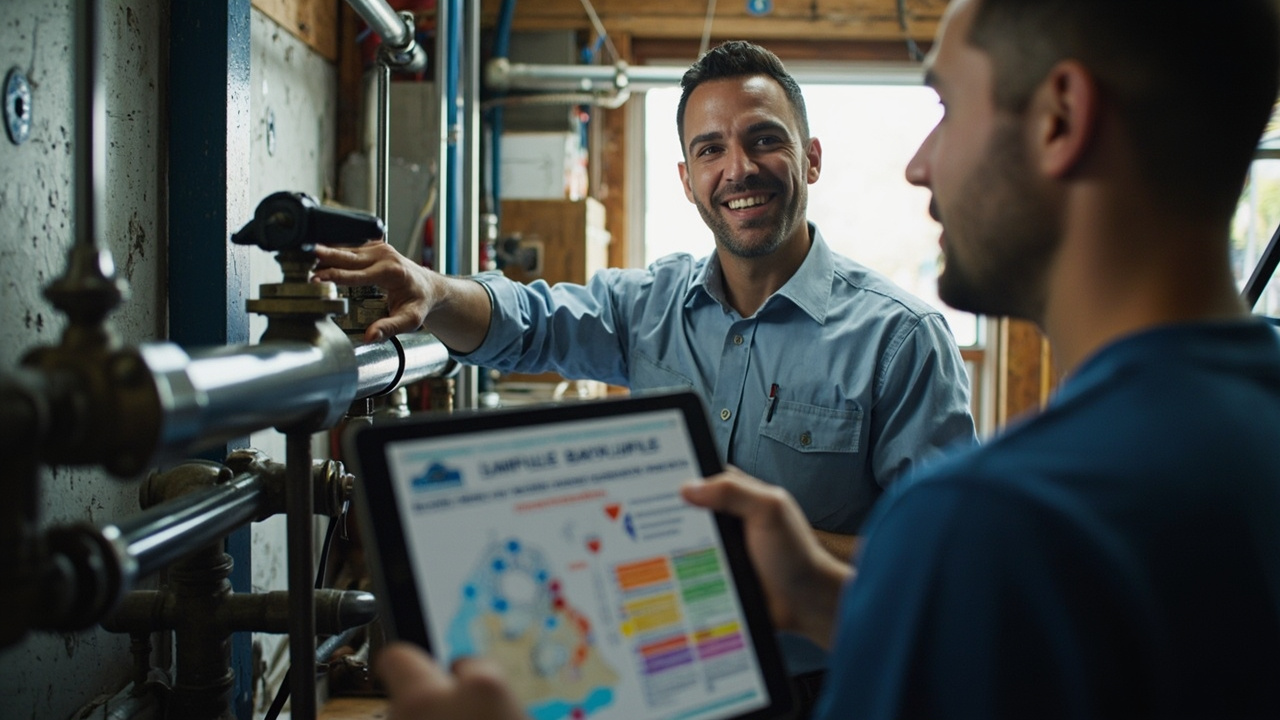
Testing a backflow device measures whether check valves hold pressure and relief valves open at correct thresholds. This process requires certified testers who understand differential pressure readings and acceptable tolerances.

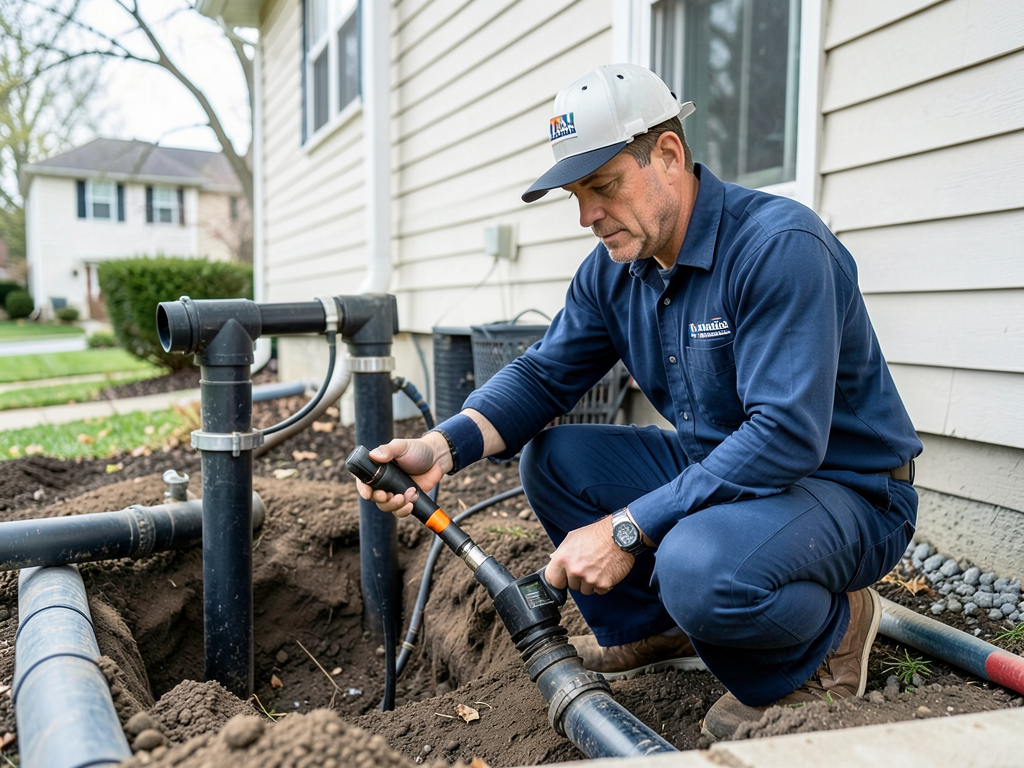
The tester isolates your backflow assembly using upstream and downstream shutoff valves. They attach a differential pressure test kit to the four test cocks on your assembly. These test cocks provide access points to measure pressure at specific locations within the device.

For reduced pressure principle assemblies, the most common type in Seattle commercial applications, testers verify that the relief valve opens when differential pressure drops below acceptable levels. This relief valve represents your fail-safe. If check valves fail, the relief valve dumps water rather than allowing backflow.

Double check valve assemblies require testing both check valves independently. The tester measures the pressure differential across each valve, confirming they hold against reverse flow. A passing result shows each check valve maintains at least 1.0 psi differential under test conditions.

Pressure vacuum breakers, common in Seattle residential irrigation systems, require testing the air inlet valve and check valve. The air inlet must open to break siphon conditions when supply pressure drops.

Seattle water backflow testing requirements mandate using calibrated test equipment. Test kits require annual calibration to ensure accurate readings. A certified backflow tester documents differential pressures, opening points, and any valve leakage on standardized test forms.

Failed tests identify specific component failures. If your relief valve opens too early or a check valve shows leakage, repair or replacement becomes necessary before retesting. Seattle Public Utilities requires passing test results filed within 10 days of testing.

What Happens During Your Backflow Testing Appointment

Understanding Backflow Testing in Seattle – Your Complete Resource for Water Safety Compliance and Annual Certification Requirements
01

Location and Assessment

The tester locates your backflow assembly, often in a basement, mechanical room, or exterior vault. They verify the device type, size, and manufacturer match Seattle Public Utilities records. They check for obvious damage, corrosion, or environmental conditions that could affect performance. Access requirements vary. Exterior vaults in Seattle frequently fill with water during rainy months, requiring pumping before testing begins.
02

Testing Procedure

The tester performs a series of pressure measurements using standardized procedures for your assembly type. They record opening points, closure ratings, and pressure differentials across check valves and relief valves. This takes 15 to 30 minutes depending on assembly complexity. During testing, water flows through the relief valve during certain test steps. The tester places a bucket or drain hose to catch discharge water and prevent flooding.
03

Documentation and Reporting

After completing measurements, the tester documents results on the official Seattle backflow test report form. Passing results get filed directly with Seattle Public Utilities, satisfying your annual backflow certification requirement. You receive a copy for your records. Failed tests require repair or replacement before retesting. The tester explains which component failed and provides recommendations. Seattle requires passing results within 30 days of a failed test.

Why Seattle Property Owners Choose Horizon Plumbing Seattle for Backflow Testing

Backflow certification requires more than showing up with a test kit. Seattle's regulatory environment demands testers who understand local codes, filing procedures, and compliance timelines.

Horizon Plumbing Seattle maintains certified backflow testers trained in Washington State protocols. Our test equipment receives annual calibration through accredited laboratories, ensuring accurate measurements that satisfy Seattle Public Utilities requirements. We file passing test results electronically, typically within 24 hours of testing.

Seattle building codes reference the Uniform Plumbing Code and International Plumbing Code with local amendments. These amendments affect backflow device requirements for specific occupancies. Our team understands which assembly types meet code for restaurants, medical facilities, and industrial operations throughout King County.

Geographic knowledge matters for backflow testing. Properties near Elliott Bay face saltwater corrosion issues that accelerate component degradation. Buildings in older Seattle neighborhoods like Fremont and Ballard often have backflow assemblies installed in cramped crawl spaces or outdated valve configurations. We handle access challenges that less experienced testers struggle with.

Our testing service includes repair capability. If your assembly fails, we carry common replacement parts for major manufacturers. We can often complete repairs and retesting in a single visit, preventing delays that risk disconnection notices from Seattle Public Utilities.

We track testing due dates for commercial clients managing multiple properties. Our reminder system prevents missed deadlines and late fees. For property managers overseeing apartment buildings, office complexes, or retail centers across Seattle, this tracking service simplifies compliance.

Seattle requires specific backflow assemblies for fire sprinkler systems, irrigation systems, and boiler connections. We help property owners determine if existing assemblies meet current code during testing appointments, identifying upgrade requirements before they become compliance issues.

What You Can Expect From Professional Backflow Testing Services

Scheduling and Response Times

Most backflow testing appointments take place during regular business hours when water service interruption causes minimal disruption. Testing requires shutting off water downstream of your assembly for 15 to 30 minutes. Seattle commercial properties often schedule early morning appointments before business operations begin. Residential testing offers flexible scheduling including evenings for homeowners who work standard hours. Emergency testing services handle situations where Seattle Public Utilities issues disconnection notices due to missed deadlines. These urgent appointments typically occur within 48 hours, allowing time to file passing results before service interruption.

Initial Evaluation and Preparation

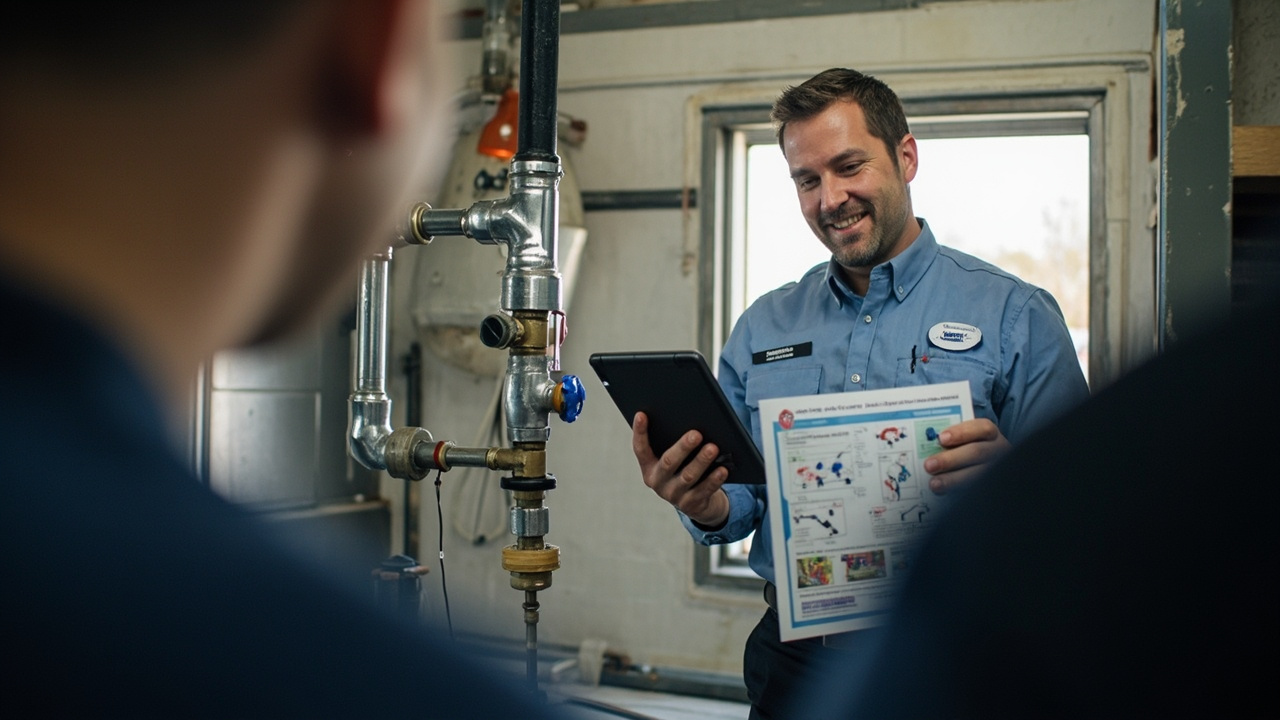
Before testing begins, the technician reviews your property's backflow history. They check previous test results filed with Seattle Public Utilities, noting any recurring issues or marginal readings. This evaluation identifies assemblies likely to fail, allowing the tester to carry appropriate replacement parts. The technician explains the testing process, estimated duration, and areas where water service temporarily stops. For commercial properties, they coordinate with facility managers to minimize operational impact. If your assembly sits in a difficult location like a flooded vault or locked mechanical room, the technician identifies access requirements during this evaluation phase.

Testing Results and Compliance

Passing test results provide peace of mind and regulatory compliance. Your assembly protects Seattle's water supply for another year. The tester tags your device with the test date and next due date, providing a visual reminder for facilities staff. Seattle Public Utilities updates your compliance status in their system, removing your property from delinquent lists. Failed tests require immediate attention. The technician explains exactly which component failed, whether repair or replacement makes more sense, and the cost implications. They can often source parts and complete repairs during the same visit, followed by immediate retesting to achieve passing status.

Annual Testing Reminders and Documentation

Seattle requires annual backflow certification on a rolling schedule based on your last test date. Professional testing services track these deadlines, sending reminders before your test expires. This proactive approach prevents compliance gaps that lead to notices from Seattle Public Utilities. Your test documentation includes detailed pressure readings, component conditions, and tester certification numbers. These records prove valuable during property transactions, insurance audits, or health department inspections. Commercial property owners managing multiple locations benefit from centralized record keeping that simplifies compliance reporting across their Seattle portfolio.

Frequently Asked Questions

You Have Questions,
We Have Answers

How to read a backflow test report? +

A backflow test report shows whether your device prevents contaminated water from reversing flow into the city supply. Look for the test valve results. Check Valve 1 and Check Valve 2 pressure readings, typically measured in PSI. The relief valve opening point matters too. Seattle requires specific minimum differential pressures depending on your device type. A passing report shows all components hold pressure above the threshold. Failed items appear flagged or highlighted. The tester notes the device model, serial number, and test date. Seattle Public Utilities requires you to file this report annually to stay compliant.

How does backflow testing work? +

Backflow testing uses specialized gauges to measure pressure differentials across your backflow prevention device. A certified tester isolates the assembly and attaches test equipment to designated test cocks. They open and close valves in sequence to simulate backpressure and backsiphonage conditions. The gauges measure how well check valves seal and whether the relief valve opens at the correct pressure. Seattle requires annual testing because internal springs and seals degrade over time. The process takes 15 to 30 minutes per device. Only state-certified backflow assembly testers can perform this work legally in Washington.

How much does a backflow tester make in California? +

Backflow testers in California earn between 50k and 90k annually depending on experience and employer type. Those working for municipalities or water districts often earn higher wages with benefits. Independent contractors can increase income by servicing multiple commercial clients during peak testing season. Certification requirements and testing volume influence earnings. Seattle wages differ from California due to regional cost of living and demand. Washington State has separate certification pathways and wage ranges. Focus on local market conditions when evaluating career prospects. Experienced testers who expand into general plumbing can increase their overall earning potential.

Do all plumbers do backflow testing? +

Not all plumbers perform backflow testing. Washington State requires a separate Backflow Assembly Tester certification beyond a standard plumbing license. The certification involves specific training on testing procedures, device mechanics, and cross-connection control. Many plumbers choose to get certified because it adds a valuable service line. Others refer backflow testing to specialists. Seattle has numerous dedicated backflow testing companies alongside full-service plumbers who offer both. When you need testing done, confirm the technician holds current BAT certification. Seattle Public Utilities maintains a list of certified testers on their website.

How to read water testing results? +

Water testing results show contaminant levels measured in parts per million or milligrams per liter. Compare your results to EPA maximum contaminant levels for each substance tested. Lead should be below 15 ppb, nitrates under 10 ppm, and coliform bacteria absent. Seattle tests for dozens of parameters including pH, turbidity, and disinfection byproducts. Results outside safe ranges require immediate action. Backflow prevention protects the municipal supply from contamination originating in your building. If you receive concerning results, contact Seattle Public Utilities and a licensed plumber to identify the source and install appropriate safeguards.

What numbers are passing on the RP backflow test? +

A reduced pressure zone assembly passes when Check Valve 1 holds at least 5.0 PSI, Check Valve 2 holds at least 3.0 PSI, and the relief valve opens between 2.0 and 3.0 PSI below supply pressure. These specifications ensure proper protection against backpressure and backsiphonage. Seattle follows American Water Works Association standards for passing thresholds. Your test report shows actual measured values against these minimums. Any reading below specification means failure and requires repair or replacement. The differential pressure between zones is critical to maintaining protection. Only certified testers know how to accurately measure these values.

Is backflow testing hard? +

Backflow testing requires precision but becomes straightforward with proper training and practice. The mechanical steps follow a clear sequence. The challenge lies in understanding device mechanics, troubleshooting failures, and maintaining calibrated equipment. Washington State certification courses prepare you for the technical aspects. You need steady hands and attention to detail. Seattle testing conditions vary from outdoor vaults to cramped mechanical rooms. Weather affects outdoor tests. Most certified testers master the procedure within their first testing season. The bigger challenge is building a client base and managing scheduling during the busy spring and summer months.

What happens if you fail a backflow test? +

A failed backflow test means your device cannot protect the water supply from contamination. Seattle Public Utilities requires you to repair or replace the assembly immediately. You typically have 30 days to complete repairs and schedule a retest. The tester tags failed devices and files a non-compliance report with the city. Common failures include worn check valve seals, fouled relief valves, or damaged springs. A qualified technician rebuilds or replaces components. After repairs, you pay for a retest. Continued non-compliance can result in fines or water service disconnection under Seattle Municipal Code.

What are the two conditions that can cause backflow? +

Backpressure and backsiphonage cause backflow. Backpressure happens when downstream pressure exceeds supply pressure. Boilers, pumps, and elevation changes create this condition. Water flows backward into the city main. Backsiphonage occurs when negative pressure develops in the supply line. Water main breaks, firefighting operations, or high-demand situations drop pressure below atmospheric levels. This suction draws water from your property back into the distribution system. Seattle experiences backsiphonage during main breaks and emergency repairs. Both conditions risk introducing contaminants like chemicals, bacteria, or sewage into drinking water. Backflow prevention devices stop reverse flow under both scenarios.

Can plumbers make 200k a year? +

Some plumbers reach 200k annual income through business ownership, specialization, or high-volume commercial work. Seattle area plumbers earn strong wages due to cost of living and demand. Employees rarely hit 200k without significant overtime. Business owners who manage multiple crews and maintain commercial contracts achieve higher earnings. Specializing in backflow, medical gas, or industrial systems commands premium rates. Emergency service rates boost revenue. Most licensed plumbers in Seattle earn between 70k and 120k as employees. Building a successful plumbing business with recurring commercial clients and efficient operations makes 200k possible but requires years of experience and business acumen.

How Seattle's Water Pressure Zones Affect Backflow Risk and Testing Requirements

Seattle's topography creates distinct water pressure zones across the city. Properties on Capitol Hill and Queen Anne sit 400 feet higher than waterfront neighborhoods like Pioneer Square and Georgetown. Seattle Public Utilities maintains pressure reducing stations to manage these elevation changes, but pressure fluctuations still occur during water main work or emergency repairs. Buildings in low-pressure zones near the Duwamish Waterway face greater backflow risk during supply interruptions. High-rise buildings downtown use booster pumps that create additional cross-connection hazards. Understanding your pressure zone helps explain why Seattle mandates specific backflow device testing procedures for your location.

Local plumbing professionals understand Seattle's unique infrastructure challenges and regulatory environment. King County health codes and Seattle Municipal Code establish backflow requirements that extend beyond state minimums. Testers familiar with local permit processes, utility department procedures, and neighborhood infrastructure conditions provide more reliable service than regional companies unfamiliar with Seattle protocols. When selecting a backflow testing provider, choose someone who regularly works with Seattle Public Utilities and understands local amendment codes affecting backflow prevention assembly testing throughout King County communities.

Plumbing Services in The Seattle Area

Horizon Plumbing Seattle proudly serves the entire Seattle metropolitan area and surrounding communities. We invite users to view our service area map to confirm that your home or business falls within our coverage zone, ensuring we can deliver fast, reliable service right to your doorstep. Our professional team is strategically located to offer prompt dispatch, whether you're in the heart of downtown or the outlying neighborhoods. Call us to confirm coverage and schedule your expert plumbing appointment today; we look forward to serving you with confidence and a warm welcome.

Address:
Horizon Plumbing Seattle, 1515 Dexter Ave N, Seattle, WA, 98109

Additional Services We Offer

Our news updates

Latest Articles & News from The Blogs

Is Your Garbage Disposal Safe for the Septic System at Your Rural King County Property? If you live in a…

Is Your Garbage Disposal Safe for the Septic System at Your Rural King County Property?

Is Your Garbage Disposal Safe for the Septic System at Your Rural King County Property? If you live in a…

Why You Should Consider a Pressure Reducing Valve for Your Phinney Ridge Home

Why You Should Consider a Pressure Reducing Valve for Your Phinney Ridge Home Living in Phinney Ridge means dealing with…

The Real Difference Between a Main Line Clog and a Simple Sink Drain Issue

The Real Difference Between a Main Line Clog and a Simple Sink Drain Issue \n\n Water backing up in your…

Contact Us

Stay compliant with Seattle water safety requirements. Contact Horizon Plumbing Seattle at (564) 220-5552 to schedule your backflow prevention assembly testing. Our certified testers provide fast service, accurate results, and direct filing with Seattle Public Utilities. Call now to book your appointment.