





menu

Water Heater Maintenance Tips in Seattle | Prevent Costly Breakdowns During Cold Pacific Northwest Winters

Learn the preventative water heater maintenance schedule that extends tank life by years and stops emergency failures when Seattle temperatures drop and you need hot water most.

Slider Image 1
Slider Image 2
Slider Image 3
Slider Image 4
Slider Image 5
Slider Image 7
Slider Image 8
Slider Image 9
Slider Image 10
Slider Image 11

Why Seattle's Climate Demands Year-Round Water Heater Care

Seattle's cold, damp winters place enormous demand on your water heater. When outside temperatures hover in the 30s and 40s for months, incoming water temperatures drop significantly. Your tank works harder to heat that frigid water to 120 degrees, accelerating sediment buildup and corrosion inside the tank.

The Pacific Northwest's naturally soft water sounds like a benefit, but it actually creates unique problems. Soft water is slightly acidic and aggressive. It corrodes anode rods faster than hard water does. Once the anode rod deteriorates completely, your tank walls start rusting from the inside out. Most Seattle homeowners never check their anode rod until it's too late.

Hot water tank maintenance becomes critical when you understand the local conditions. The combination of cold inlet water, soft acidic water chemistry, and extended heating cycles creates the perfect environment for premature tank failure. Add the moisture in Seattle air, and external tank corrosion accelerates on older units in damp crawlspaces or basements.

A proper water heater care checklist accounts for these local factors. You need different maintenance intervals in Seattle compared to Phoenix or Miami. The same generic advice does not apply here. Preventative water heater maintenance stops small issues before they become emergency replacements during the coldest week of January.

Hot water heater upkeep saves you from catastrophic tank failures that flood your home. One burst tank causes thousands in water damage within hours. Regular maintenance catches failing components early when repairs cost less than replacements.

Why Seattle's Climate Demands Year-Round Water Heater Care
The Core Components of Professional Water Heater Maintenance

The Core Components of Professional Water Heater Maintenance

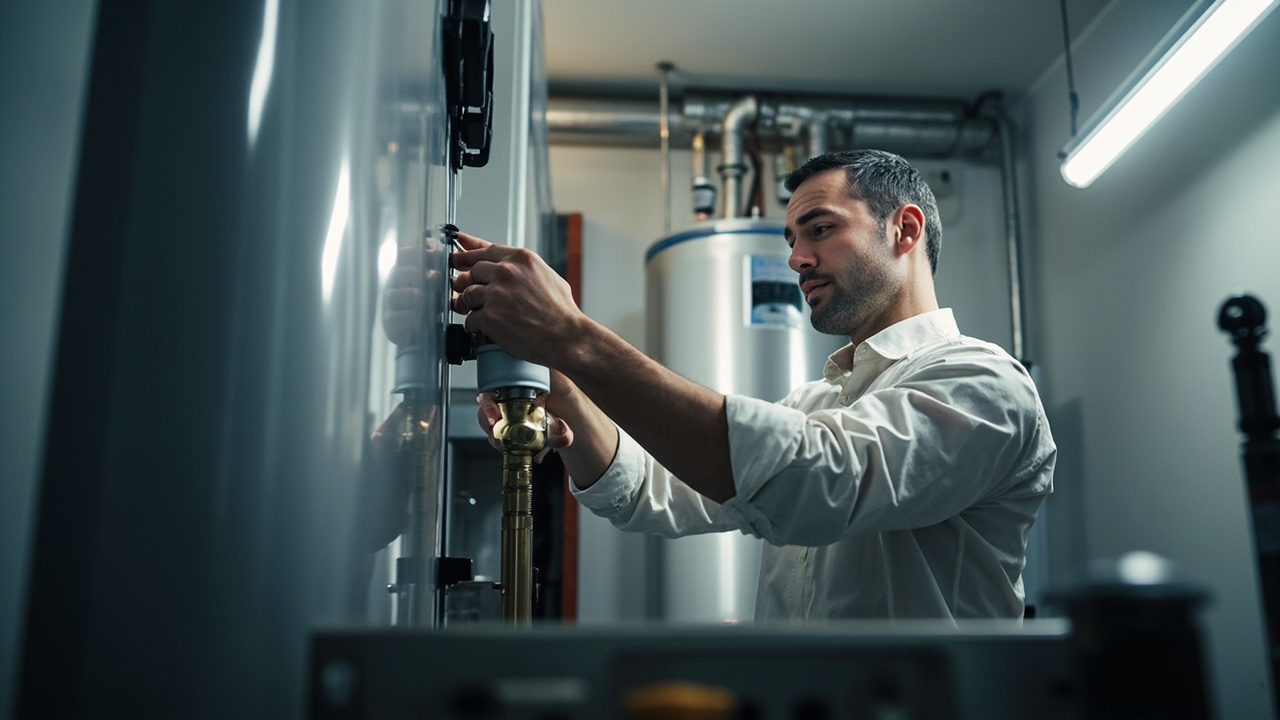
Professional water heater maintenance follows a specific protocol that addresses the mechanical and chemical processes inside your tank. The process starts with draining sediment from the bottom of the tank. In Seattle water, calcium carbonate and mineral deposits accumulate despite soft water conditions. These sediments insulate the burner or heating element from the water, forcing your system to work harder and increasing energy costs.

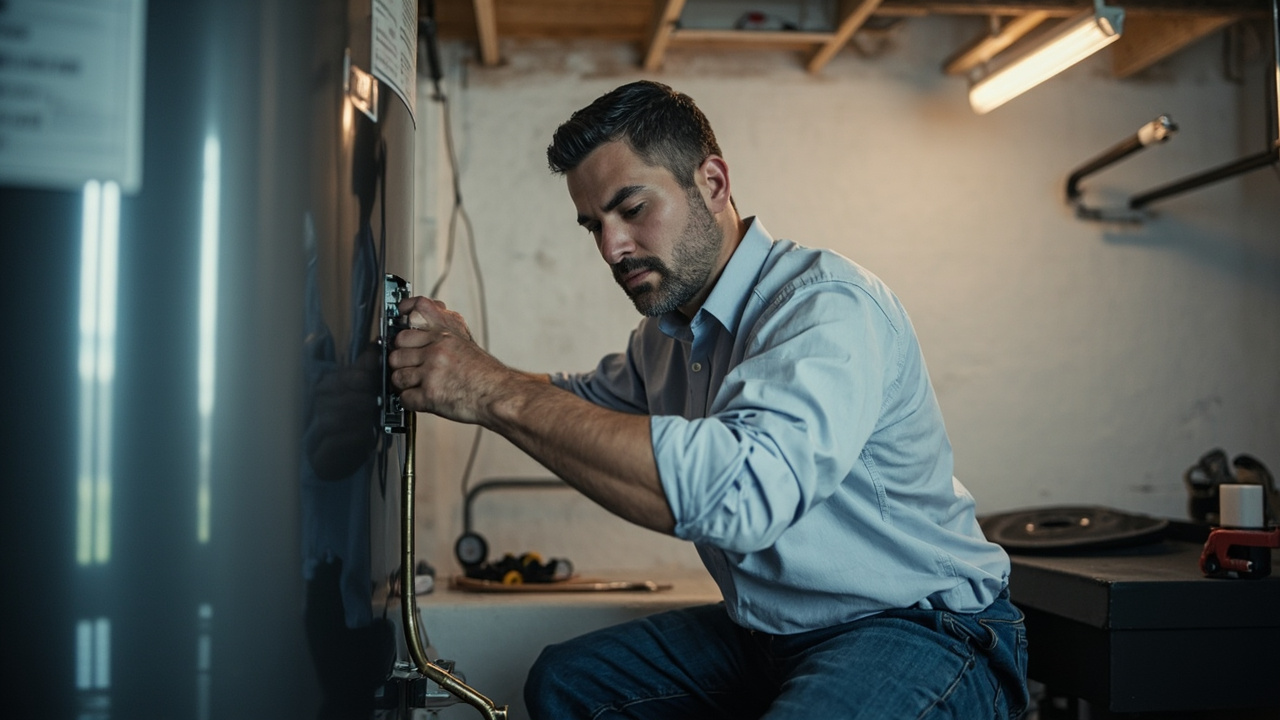
Anode rod inspection separates amateur upkeep from professional service. This sacrificial metal rod attracts corrosive elements that would otherwise attack your tank walls. In Seattle's acidic water conditions, anode rods deteriorate 30 to 40 percent faster than national averages. We extract the anode rod, measure remaining material, and replace it when less than six inches of core wire remains exposed. Most homeowners never see this component until their tank starts leaking.

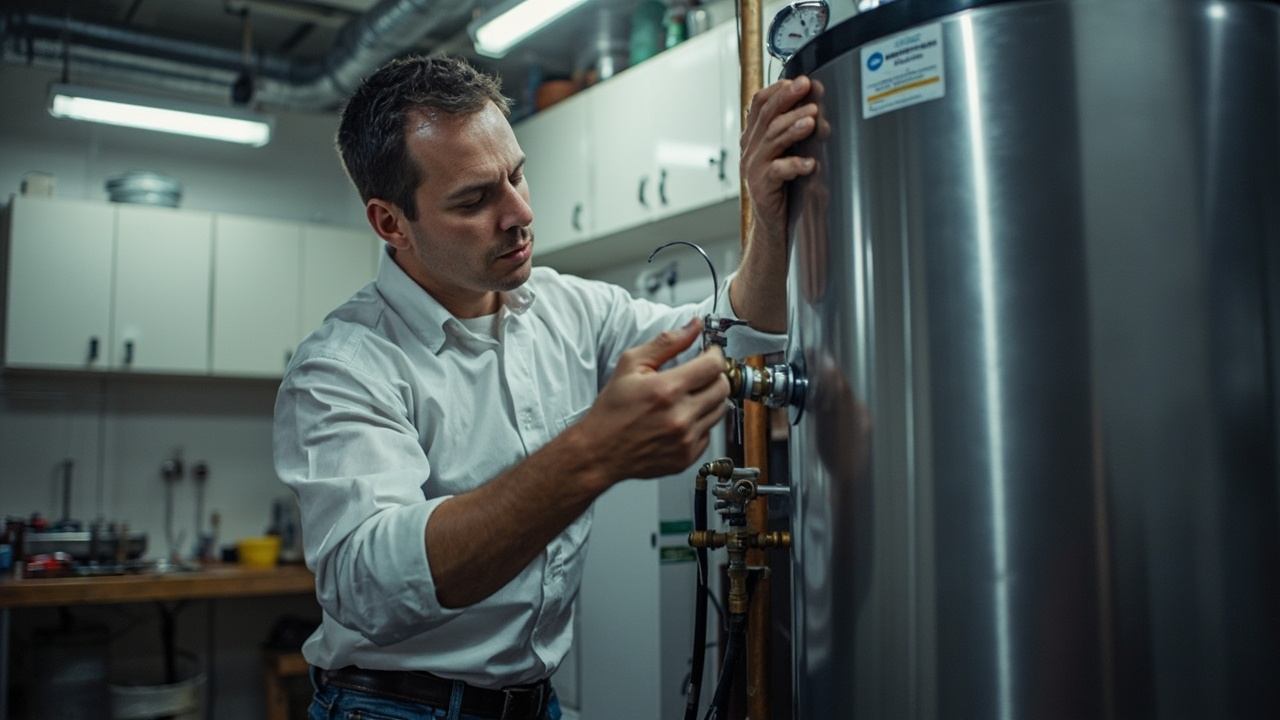
Temperature and pressure relief valve testing prevents dangerous pressure buildup. We manually trip the valve to verify it seats properly and stops water flow. A failed TPR valve can cause tank rupture under extreme conditions. We also verify proper thermal expansion tank sizing for closed plumbing systems, which Seattle code requires on newer installations.

Burner assembly or heating element inspection catches efficiency losses before they show up on your utility bill. For gas units, we check burner flame pattern, pilot assembly function, and flue draft. For electric units, we test element continuity and check for scaling that reduces heating efficiency. We also verify proper combustion air supply in mechanical rooms and crawlspaces, which matters significantly in Seattle's tightly sealed homes built for energy efficiency.

A water heater maintenance schedule should include these checks annually for tanks over five years old.

How Regular Maintenance Extends Your Water Heater's Service Life

Water Heater Maintenance Tips in Seattle | Prevent Costly Breakdowns During Cold Pacific Northwest Winters
01

Initial System Assessment

We start by documenting your water heater's make, model, installation date, and current condition. You get a baseline assessment that includes tank age, fuel type, capacity, and any visible corrosion or leaks. We photograph the data plate and existing conditions. This creates your maintenance record for future service visits and helps predict replacement timing. For Seattle homeowners, knowing your tank's expected lifespan given local water conditions prevents surprise failures.
02

Component Testing and Cleaning

The core maintenance work involves draining sediment, testing safety components, and inspecting sacrificial protection systems. We drain several gallons until water runs clear, test the TPR valve operation, extract and measure the anode rod, and inspect all visible plumbing connections for corrosion or weeping. For gas units, we analyze burner combustion. For electric units, we test element resistance and check for scaling. Each component gets cleaned, tested, or flagged for near-term replacement.
03

Documentation and Recommendations

You receive a detailed service report showing what we found, what we fixed, and what needs attention soon. We provide specific replacement timelines for components approaching end of life, like anode rods with 18 months remaining or TPR valves that no longer seat cleanly. You get a recommended service interval based on your water quality, usage patterns, and tank age. This prevents both over-servicing and neglect. You know exactly when to schedule your next maintenance visit.

Why Local Expertise Matters for Seattle Water Heater Maintenance

Seattle's plumbing environment differs significantly from other regions. Our soft, slightly acidic water chemistry requires different maintenance protocols than hard water areas. National chain advice about descaling and mineral buildup does not apply here. You need a technician who understands how Seattle water attacks anode rods and tank linings differently.

Local building code knowledge prevents compliance issues during maintenance. Seattle requires thermal expansion tanks on closed systems. Many older homes lack this component, creating a code violation and potential safety hazard. We identify these gaps during routine maintenance before they become problems during home sales or insurance claims.

Horizon Plumbing Seattle technicians service water heaters in Ballard, Capitol Hill, West Seattle, Queen Anne, and throughout King County. We see the same failure patterns repeatedly in specific neighborhoods. Homes near Green Lake with original 1950s plumbing show different corrosion patterns than newer construction in South Lake Union. We know which tank brands hold up better in damp Puget Sound crawlspaces and which fail prematurely.

Our service trucks stock parts that actually matter in Seattle. We carry anode rods sized for local conditions, TPR valves rated for Seattle water pressure, and thermal expansion tanks sized to local code requirements. You do not wait three days for parts to arrive from a regional warehouse while your tank deteriorates further.

We understand Seattle's seasonal demand patterns. Most emergency water heater failures happen in January and February when tanks work hardest. We schedule proactive maintenance in fall, before heating season peaks. This prevents you from competing for emergency service during the coldest weeks when every plumber in Seattle is slammed with calls.

Local expertise means we catch problems specific to Pacific Northwest homes. We identify inadequate combustion air in sealed crawlspaces, condensation issues in uninsulated mechanical rooms, and the unique corrosion patterns Seattle's climate creates.

What Professional Water Heater Maintenance Includes

Service Visit Timing and Duration

Most water heater maintenance appointments take 45 to 90 minutes depending on tank age, accessibility, and condition. We schedule service calls in two-hour windows to accommodate variables like stuck drain valves or seized anode rods that require additional work. You can schedule maintenance around your availability since this is not an emergency service. Many Seattle homeowners schedule annual maintenance in September or October, before winter heating demands peak. We offer evening and weekend appointments to fit your schedule without taking time off work.

Comprehensive Inspection Process

The inspection covers every component that affects tank performance and safety. We examine the tank exterior for corrosion, check all water connections for leaks or mineral deposits, test electrical components or gas valve operation, verify proper venting and combustion air supply, measure flue draft on gas units, test ground fault protection on electric units, and inspect seismic strapping compliance. You get a written report documenting current conditions with photos of any concerns. This inspection catches developing problems months or years before they cause failures. Many insurance companies recognize documented maintenance during water damage claims.

Measurable Performance Improvements

Proper maintenance delivers quantifiable results. Sediment removal improves heating efficiency by 5 to 15 percent depending on buildup severity. You notice faster hot water recovery and more consistent temperatures throughout the day. Anode rod replacement extends tank life by three to seven years on average in Seattle conditions. Temperature and pressure relief valve testing prevents the safety risks associated with stuck or failed valves. You also reduce energy consumption since your tank no longer works against sediment insulation and deteriorated components. Most homeowners report lower utility bills within the first month after professional maintenance.

Ongoing Maintenance Scheduling

We recommend maintenance intervals based on your specific tank and usage patterns. Tanks under five years old typically need service every 18 to 24 months. Tanks over five years old benefit from annual maintenance. High-use households with four or more occupants should maintain tanks annually regardless of age. We track your service history and send reminders when your next maintenance window approaches. This prevents the common problem of forgetting maintenance until your tank fails. You can prepay for maintenance visits or add water heater service to a comprehensive home plumbing maintenance plan that covers multiple systems.

Frequently Asked Questions

You Have Questions,
We Have Answers

What maintenance needs to be done on a water heater? +

Water heaters need annual flushing to remove sediment buildup from Seattle's moderately hard water. Check the temperature and pressure relief valve by lifting the lever to ensure it releases water properly. Inspect the anode rod every three years, as it protects the tank from corrosion. Set your thermostat to 120 degrees to prevent scalding and reduce energy costs. Look for leaks around connections and the tank base. Test the drain valve to confirm it opens and closes without sticking. These steps extend your unit's life and maintain efficiency year-round.

What happens if you don't flush your water heater? +

Sediment accumulates at the tank bottom when you skip flushing. This layer insulates water from the heating element, forcing your system to work harder and raising energy bills. The buildup causes rumbling or popping sounds as water boils through the sediment. Over time, it corrodes the tank floor, leading to leaks that require full replacement. In Seattle, where mineral content varies by neighborhood, sediment forms faster than in soft-water areas. You risk premature failure, reduced hot water capacity, and possible tank rupture if sediment goes unchecked for years.

How often should I flush a water heater? +

Flush your water heater once per year for optimal performance. Seattle water contains minerals that settle as sediment, though less aggressively than extremely hard water regions. Homes with well water or high usage may need flushing twice yearly. If you hear rumbling or notice reduced hot water volume, flush immediately regardless of schedule. New units benefit from flushing after the first six months to clear manufacturing debris. Annual flushing takes 30 minutes and prevents costly repairs down the line. Mark your calendar each fall before heating season peaks.

Can I do water heater maintenance myself? +

You can perform basic maintenance like flushing the tank and testing the relief valve if you follow safety steps carefully. Turn off power or gas before starting. Attach a garden hose to the drain valve and direct water outside. However, inspecting the anode rod requires specific tools and knowledge of magnesium versus aluminum rods. Gas valve adjustments and pressure testing need professional expertise. Seattle building codes require licensed plumbers for certain tasks. Start with simple flushing, but call a professional for annual comprehensive inspections to catch issues you might miss.

Can I flush my hot water heater myself? +

Yes, you can flush your water heater yourself with basic preparation. Turn off the gas valve or circuit breaker first. Attach a garden hose to the drain valve near the tank bottom. Run the hose to a floor drain, sump pump, or outside area. Open a hot water faucet upstairs to break the vacuum. Open the drain valve and let water flow until it runs clear, usually 10 to 15 minutes. Close everything in reverse order. This DIY task saves money, but call a plumber if the drain valve leaks or won't close properly afterward.

What is the average cost to flush a water heater? +

Professional water heater flushing in Seattle typically costs between $80 and $150 for standard tank units. Prices vary based on tank size, sediment severity, and whether you bundle it with other maintenance services. Some plumbing companies include flushing as part of annual service agreements, reducing the per-visit cost. DIY flushing costs nothing beyond your time if you have a garden hose. Factor in potential savings from extended equipment life and lower energy bills. Investing in annual flushing prevents the $1,200 to $3,000 expense of premature tank replacement.

Should I flush a 20 year old water heater? +

Approach a 20-year-old water heater with caution. Flushing can dislodge sediment that has hardened against weak spots in the corroded tank, triggering leaks you would face soon anyway. If the unit still works well, skip aggressive flushing and monitor for signs of failure instead. Most tanks last 10 to 15 years in Seattle's climate. At 20 years, plan for replacement rather than maintenance. If you flush, do it gently with partial draining. A licensed plumber can assess the tank's condition and advise whether flushing helps or accelerates failure.

How much does a plumber charge to flush it? +

Plumbers in the Seattle area charge $80 to $150 for standard water heater flushing. The service includes draining sediment, inspecting the relief valve, checking for leaks, and testing the unit after refilling. Some companies charge hourly rates of $100 to $200, completing the job in under an hour. Emergency or after-hours flushing costs more. Many plumbers offer maintenance plans that bundle annual flushing with other inspections at a discount. Get quotes from multiple licensed contractors. Verify they include refilling and restarting the heater, as some charge extra for those steps.

Is flushing the same as draining? +

Flushing and draining serve different purposes. Flushing removes sediment by opening the drain valve while water pressure pushes particles out. You run water through the tank until it clears. Draining empties the entire tank for repairs, anode rod replacement, or long-term shutdown. Draining requires turning off the water supply and waiting for the tank to empty completely. Flushing takes 15 minutes and keeps the unit operational. Draining takes longer and leaves the tank dry. For annual maintenance, flushing is the correct procedure. Full draining is for major service work only.

Do most people flush their water heaters? +

Most homeowners skip water heater flushing, shortening their unit's lifespan without realizing it. National surveys show fewer than 30 percent of households flush annually as manufacturers recommend. Seattle residents often overlook this task until problems surface. The process seems intimidating or unnecessary to people accustomed to set-it-and-forget-it appliances. Commercial properties with maintenance contracts flush regularly, enjoying longer equipment life and fewer emergency failures. Educating yourself on simple maintenance separates you from the majority who face premature replacement costs. Annual flushing is the easiest way to protect your investment and maintain efficiency.

How Seattle's Soft Water Accelerates Water Heater Corrosion

Seattle receives some of the softest municipal water in the United States, supplied primarily from the Cedar River and South Fork Tolt River watersheds in the Cascade Mountains. This naturally soft water measures 22 to 40 parts per million total hardness, far below the national average of 180 ppm. While soft water prevents scale buildup in pipes and appliances, it creates aggressive corrosion conditions inside water heater tanks. The low mineral content makes Seattle water slightly acidic, typically measuring 6.5 to 7.2 pH. This acidity attacks sacrificial anode rods and tank linings faster than hard water does. Your water heater maintenance schedule must account for this accelerated corrosion or you face premature tank failure.

Horizon Plumbing Seattle understands the specific challenges Seattle water creates for tank longevity. We have maintained thousands of water heaters across King County and recognize the failure patterns unique to our water supply. Our technicians know which tank brands hold up better in Seattle conditions and which require more frequent anode rod replacement. We follow maintenance protocols specifically designed for soft water environments, not generic national standards that assume hard water conditions. This local expertise prevents the common mistake of under-maintaining tanks in Seattle's corrosive water, which leads to unexpected failures during cold winter months when you need reliable hot water most.

Plumbing Services in The Seattle Area

Horizon Plumbing Seattle proudly serves the entire Seattle metropolitan area and surrounding communities. We invite users to view our service area map to confirm that your home or business falls within our coverage zone, ensuring we can deliver fast, reliable service right to your doorstep. Our professional team is strategically located to offer prompt dispatch, whether you're in the heart of downtown or the outlying neighborhoods. Call us to confirm coverage and schedule your expert plumbing appointment today; we look forward to serving you with confidence and a warm welcome.

Address:
Horizon Plumbing Seattle, 1515 Dexter Ave N, Seattle, WA, 98109

Additional Services We Offer

Our news updates

Latest Articles & News from The Blogs

Is Your Garbage Disposal Safe for the Septic System at Your Rural King County Property? If you live in a…

Is Your Garbage Disposal Safe for the Septic System at Your Rural King County Property?

Is Your Garbage Disposal Safe for the Septic System at Your Rural King County Property? If you live in a…

Why You Should Consider a Pressure Reducing Valve for Your Phinney Ridge Home

Why You Should Consider a Pressure Reducing Valve for Your Phinney Ridge Home Living in Phinney Ridge means dealing with…

The Real Difference Between a Main Line Clog and a Simple Sink Drain Issue

The Real Difference Between a Main Line Clog and a Simple Sink Drain Issue \n\n Water backing up in your…

Contact Us

Prevent emergency failures during Seattle's coldest months. Call Horizon Plumbing Seattle at (564) 220-5552 to schedule your water heater maintenance appointment. Our technicians service all tank types and brands throughout King County. Get your system inspected before heating season peaks and avoid competing for emergency service when tanks fail.