



menu

Plumbing Inspection Checklist for Seattle Homes – Prevent Costly Water Damage Before It Starts

Use this comprehensive residential plumbing checkup list to catch hidden leaks, pressure problems, and failing fixtures before they flood your Seattle home and drain your wallet.

Slider Image 1
Slider Image 2
Slider Image 3
Slider Image 4
Slider Image 5
Slider Image 7
Slider Image 8
Slider Image 9
Slider Image 10
Slider Image 11

Why Seattle Homes Need a Preventative Plumbing Maintenance Checklist

Seattle's unique climate creates silent plumbing threats most homeowners miss until water is pooling on the floor. The combination of heavy rainfall, ground saturation, and mineral-heavy water from the Cedar River and Tolt River watersheds accelerates fixture corrosion and pipe stress. When groundwater levels rise during our prolonged wet season, hydrostatic pressure pushes against foundation walls and basement floor drains. That pressure finds the weakest link in your plumbing system.

Most Seattle homes built before 1990 have galvanized steel supply lines that corrode from the inside out. You will not see the problem until water pressure drops to a trickle or a pipe bursts inside a wall cavity. Homes in neighborhoods like Queen Anne, Capitol Hill, and Ballard face additional risks from aging infrastructure and tree root intrusion into sewer laterals. A home plumbing inspection list helps you identify these vulnerabilities before they escalate into emergency repairs.

The mineral content in Seattle's water supply causes scale buildup inside water heaters and on fixture aerators. This reduces efficiency and shortens equipment lifespan. A preventative plumbing maintenance checklist addresses these factors systematically. You check supply lines for corrosion, test water pressure at multiple fixtures, inspect drain flow rates, examine water heater sediment levels, and verify proper venting. This proactive approach saves you from the panic and expense of a 2 AM pipe failure or a flooded basement after a heavy rain event. Regular inspections using a plumbing system inspection guide catch small issues when repairs cost hundreds instead of thousands.

Why Seattle Homes Need a Preventative Plumbing Maintenance Checklist
What a Professional Plumbing Maintenance Checklist Covers

What a Professional Plumbing Maintenance Checklist Covers

A residential plumbing checkup list goes far beyond checking for visible leaks. Horizon Plumbing Seattle uses a systematic approach that examines every component of your water supply, drainage, and venting systems. We start with static pressure testing at the main shutoff valve. Seattle's municipal water pressure typically runs between 50 and 80 psi, but older pressure regulators fail and allow spikes above 100 psi. That excess pressure stresses joints, valves, and appliance connections.

We inspect all exposed supply lines for corrosion, mechanical damage, and improper support spacing. Copper lines should be supported every six feet on horizontal runs. Gaps larger than that create stress points where pipes flex and eventually crack. We test each fixture for proper flow rate and drainage speed. A bathroom sink that drains slowly signals a partial blockage or venting issue. Left unchecked, that blockage will worsen until the sink becomes unusable.

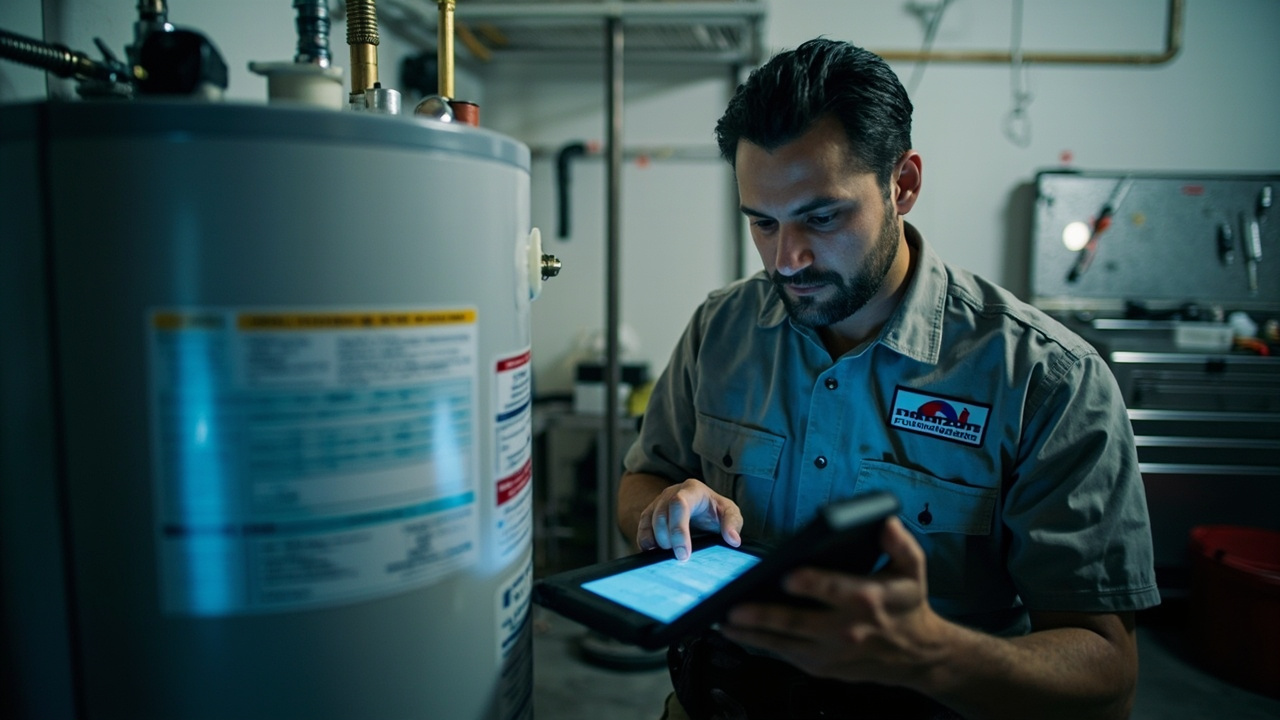
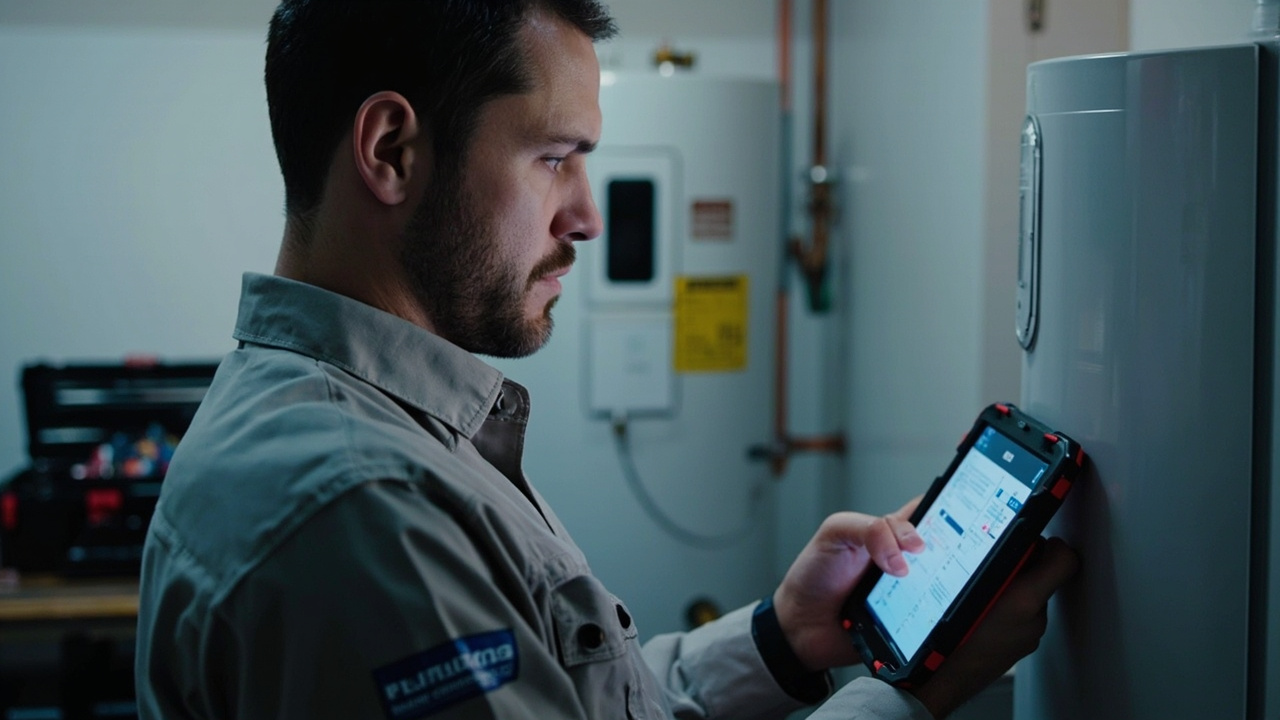
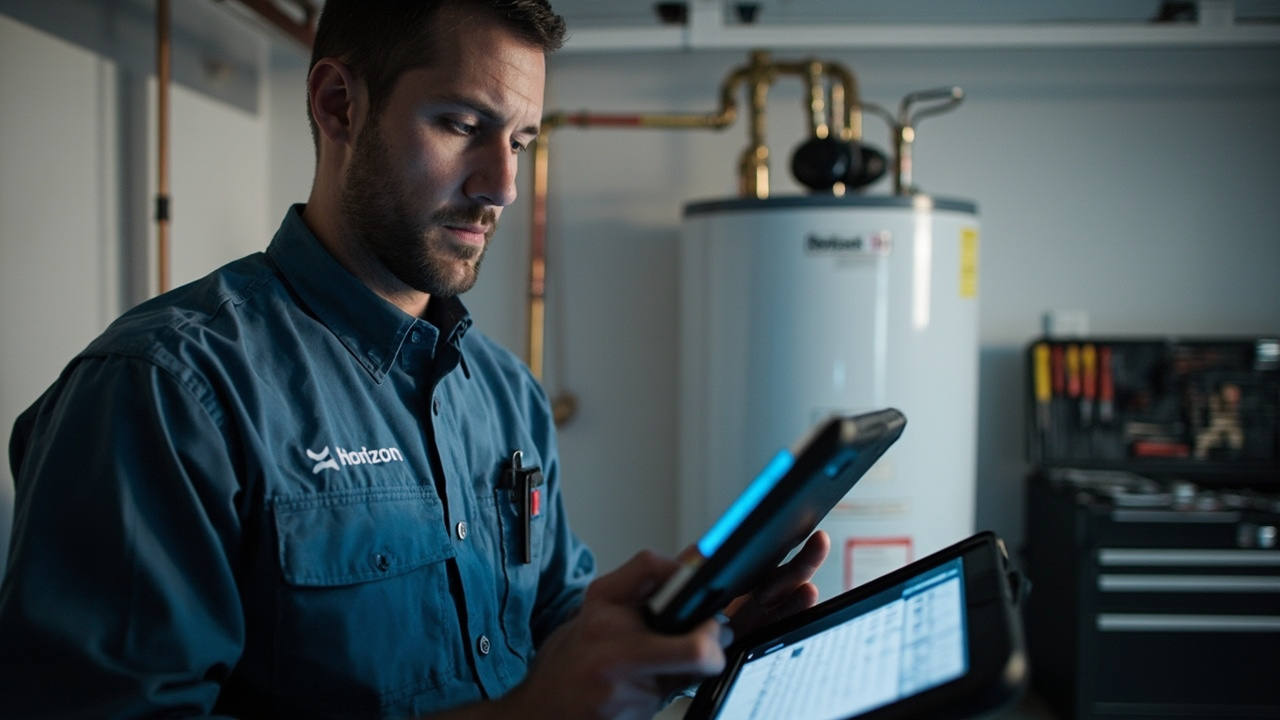
Water heater inspection includes checking the anode rod condition, testing the temperature and pressure relief valve, measuring sediment accumulation, and verifying proper combustion air supply for gas units. Seattle's water requires anode rod replacement every three to five years. Most homeowners never open the access port until the tank starts leaking. We also inspect your main sewer line cleanout for accessibility and check floor drains for proper trap seal. Dry traps allow sewer gas into living spaces and indicate drainage problems.

The inspection includes examining shut-off valves at fixtures and appliances. Gate valves corrode and seize in the open position. When you need to stop water flow during an emergency, a frozen valve turns a simple repair into a whole-house water shutoff situation. We document every finding and prioritize repairs based on risk level.

How to Use Your Plumbing System Inspection Guide

Plumbing Inspection Checklist for Seattle Homes – Prevent Costly Water Damage Before It Starts
01

Visual Inspection Phase

Start at your main water shutoff valve and work systematically through each room. Look for water stains on ceilings, walls, and floors. Check under sinks for corrosion on supply lines and P-traps. Examine exposed pipes in basements and crawl spaces for green corrosion on copper or rust on steel. Test each shut-off valve by turning it clockwise and back to verify it operates smoothly without binding.
02

Functional Testing Phase

Turn on each fixture and check water pressure and temperature response. Fill sinks and tubs, then release the water to test drain speed. Slow drainage indicates partial blockages that will worsen. Flush each toilet and listen for refill cycle completion. A toilet that runs continuously wastes hundreds of gallons monthly. Test your sump pump by pouring water into the pit until the float activates the motor.
03

Documentation and Action Plan

Record every issue you find with photos and notes. Prioritize problems by severity. Active leaks require immediate attention. Corroded supply lines need replacement within months. Slow drains can wait but should not be ignored. Share your findings with a licensed plumber who can provide repair estimates and help you schedule work before small problems become expensive emergencies that damage your home.

Why Seattle Homeowners Trust Horizon Plumbing Seattle

Seattle's plumbing challenges require local expertise. We understand how the Cedar River watershed's mineral content affects fixture longevity. We know which neighborhoods have clay soil that shifts during wet seasons and stresses sewer laterals. We work daily with Seattle's plumbing code requirements, which differ from surrounding King County jurisdictions in backflow prevention and fixture spacing standards.

Homes in Seattle's historic districts like Leschi, Madrona, and Ravenna have unique plumbing configurations. Original cast iron drain lines installed in the 1920s and 1930s corrode from the inside. The pipe exterior looks fine while the interior has rust buildup that reduces flow capacity by half. We recognize these patterns because we have opened walls in hundreds of Seattle homes. That experience helps us diagnose problems accurately without unnecessary exploratory work.

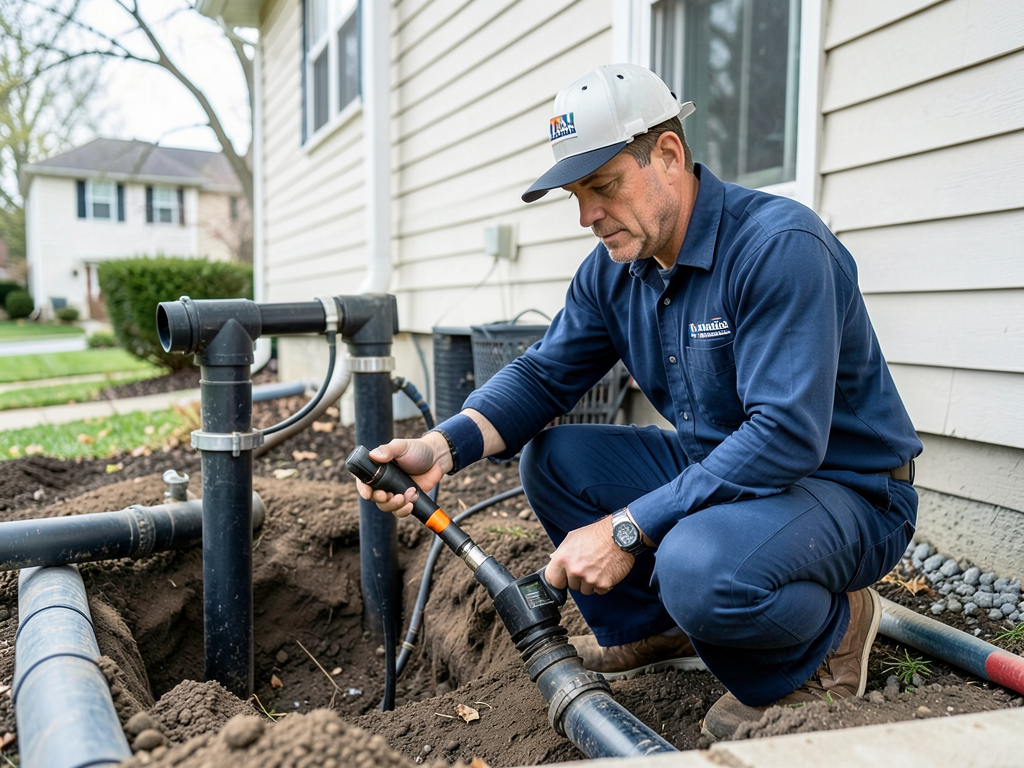
Our technicians carry specialized camera equipment to inspect sewer laterals without excavation. Tree roots from Seattle's abundant maples, alders, and cedars infiltrate pipe joints and create blockages. We identify the exact location and severity, then recommend the most cost-effective solution. Sometimes that means spot repair. Other situations require full line replacement. We give you the information you need to make informed decisions.

We also understand the permit process for plumbing work in Seattle. Certain repairs require permits and inspections. Others do not. We handle all permit applications and coordinate inspection scheduling so you do not waste time navigating city bureaucracy. Our familiarity with local inspectors and their expectations means work passes inspection the first time. That saves you delays and keeps your project on schedule. When you choose Horizon Plumbing Seattle, you get a team that knows your home's specific challenges and how to solve them efficiently.

What to Expect During Your Plumbing Inspection

Inspection Timeline and Scheduling

A comprehensive home plumbing inspection typically takes two to three hours depending on your home's size and plumbing complexity. We schedule appointments in two-hour windows to give our technicians adequate time without rushing through critical checkpoints. You do not need to prepare your home beyond ensuring access to crawl spaces, attic areas, and mechanical rooms. We bring all necessary testing equipment and lighting. Most inspections happen during a single visit. Homes with extensive issues or inaccessible areas may require a follow-up visit to complete camera inspections of sewer lines or detailed water heater analysis.

The Inspection Process Explained

Our technician begins by interviewing you about known issues, recent problems, and areas of concern. We then conduct a room-by-room evaluation of all fixtures, supply lines, drain lines, and water-using appliances. We test water pressure at multiple points, inspect your water heater for safety and efficiency issues, examine exposed piping for code compliance, check venting adequacy, and evaluate your main sewer line condition. We use thermal imaging to detect hidden leaks inside walls and ceilings without invasive demolition. You receive a detailed written report with photos documenting every finding. We explain each issue in plain language and answer all your questions.

The Detailed Report You Receive

Your inspection report categorizes findings into three priority levels. Immediate concerns require attention within days to prevent damage or safety hazards. These include active leaks, failed pressure relief valves, or dangerous gas connections. Moderate priority items need addressing within months before they worsen. These include corroded supply lines, inadequate venting, or aging water heaters showing early failure signs. Low priority observations are maintenance items you can schedule at your convenience. The report includes repair recommendations and helps you budget for necessary work. You own this report and can use it when selling your home or negotiating repairs after purchase.

Ongoing Maintenance Support

After your initial inspection, we recommend annual checkups to catch new issues early. Seattle's water quality and climate create ongoing wear on plumbing systems. Regular inspections extend equipment life and prevent emergency failures. We maintain detailed service records for every home we inspect. That history helps us track changes over time and identify developing problems before they become critical. We also provide seasonal maintenance reminders for tasks like water heater flushing, outdoor faucet winterization, and sump pump testing. Many homeowners appreciate having a trusted plumbing partner who knows their home's system and history. That relationship saves time and stress when problems arise.

Frequently Asked Questions

You Have Questions,
We Have Answers

What does a plumbing inspection consist of? +

A plumbing inspection examines your entire water system for leaks, corrosion, and code compliance. The inspector checks water supply lines, drain pipes, water heaters, shut-off valves, and fixtures like sinks and toilets. In Seattle, inspectors pay close attention to sewer line condition because of the aging clay pipes common in older neighborhoods. They test water pressure, check for galvanized pipe deterioration, and look for signs of moisture intrusion. The inspector also evaluates venting systems and confirms proper drainage slopes. You receive a detailed report identifying immediate repairs and potential future problems.

What are the 7 steps of the inspection process? +

The inspection process starts with scheduling and pre-inspection research. The inspector reviews property records and permits. Next comes the visual assessment of exposed plumbing, checking fixtures, pipes, and water heaters. Third, functional testing begins, running water through all drains and faucets. Fourth, the inspector checks water pressure and flow rates. Fifth comes specialized testing like camera inspections of sewer lines, common in Seattle due to root infiltration from mature trees. Sixth, the inspector documents findings with photos and notes. Finally, you receive a comprehensive report with prioritized recommendations for repairs or upgrades.

What are the 5 main items you should inspect for at a drain detail? +

At a drain detail, inspect the cleanout access for proper location and secure caps. Check the pipe material for cracks, corrosion, or incompatible connections between different materials. Examine the slope and grade to confirm proper drainage angle, typically one-quarter inch per foot. Look for proper venting to prevent siphoning and allow air circulation. Finally, check for signs of blockages, slow drainage, or root intrusion. In Seattle, older homes often have cast iron or clay drains that crack from ground settling, so watch for water stains or soft spots around drain lines.

What are 5 very important things that are inspected in a home inspection? +

Critical home inspection items include the water heater for age, leaks, and proper venting. Inspectors check all visible supply lines for leaks, corrosion, and proper support. Drain systems get tested for proper flow and venting. Fixtures are examined for functionality and secure mounting. The main sewer line receives special attention, particularly in Seattle where older neighborhoods have clay pipes vulnerable to tree root damage. Inspectors also verify proper shut-off valve operation, check for cross-connections, and confirm adequate water pressure. Any outdated materials like polybutylene piping or galvanized steel get flagged for replacement.

How much should a plumbing inspection cost? +

Standard plumbing inspections typically cost between $150 and $300, depending on property size and scope. A basic visual inspection runs lower, while comprehensive inspections with specialized services like sewer camera scoping add to the cost. In Seattle, many inspectors recommend including sewer line camera inspection because of the prevalence of older clay pipes and root infiltration issues. Factors affecting price include home age, number of fixtures, and accessibility of plumbing components. Pre-purchase inspections may cost more than routine maintenance checks. Always confirm what the inspection includes before scheduling.

What is the biggest red flag in a home inspection? +

Active water leaks represent the biggest red flag in any home inspection. Water damage leads to mold growth, structural rot, and expensive repairs. In Seattle, look for signs of sewer line problems like multiple slow drains, sewage odors, or soggy yard areas. These often indicate collapsed clay pipes or root infiltration. Other major concerns include outdated materials like galvanized steel pipes that restrict water flow, evidence of previous water damage with temporary repairs, and improperly vented drain systems. Failed water heaters and corroded supply lines also signal immediate attention and replacement needs.

What should be included in an inspection checklist? +

A complete inspection checklist covers water supply systems, drain and waste systems, water heaters, and fixtures. Include checks for leaks, corrosion, proper venting, and code compliance. Document pipe materials, water pressure readings, and drain flow rates. In Seattle, add sewer line condition assessment due to aging infrastructure and tree root issues. List all shut-off valves and verify operation. Check for proper fixture installation, secure mounting, and functional operation. Include exterior items like hose bibs, sprinkler systems, and main water service condition. Note any previous repairs, unpermitted work, or safety hazards requiring immediate attention.

What are the 4 types of inspections? +

The four main inspection types are visual inspections, functional testing, specialized diagnostics, and code compliance reviews. Visual inspections examine accessible components for obvious defects. Functional testing runs water through systems to verify proper operation. Specialized diagnostics include sewer camera scoping, pressure testing, and leak detection using acoustic equipment. Code compliance reviews confirm installations meet current Seattle building standards. Pre-purchase inspections combine all four types. Maintenance inspections focus on visual and functional aspects. Permit inspections verify new work meets code. Each type serves different purposes but follows similar inspection protocols and documentation standards.

What do you need in order to pass an inspection? +

Passing inspection requires meeting local building codes and proper installation standards. All plumbing must be accessible for inspection, with no active leaks or code violations. In Seattle, you need proper permits for most plumbing work beyond basic repairs. Water pressure must fall within acceptable ranges, typically 40 to 80 psi. Drain systems need proper venting and correct slope. Fixtures must be securely mounted and functional. Water heaters require proper venting, temperature and pressure relief valves, and seismic strapping in some cases. All work must use approved materials with proper connections and support.

What would make a house fail a home inspection? +

Houses fail inspections for active leaks, sewage backups, or major code violations. Improperly vented drain systems, missing cleanouts, and cross-connections between potable and non-potable water cause failures. In Seattle, collapsed sewer lines and significant root infiltration often fail inspections. Outdated materials like lead pipes, unvented fixtures, and improperly installed water heaters raise red flags. Missing permits for previous work can delay closings. Inadequate water pressure, backflow prevention issues, and unsafe gas line installations also result in failures. Most issues are repairable, but some require extensive work before passing reinspection.

How Seattle's Wet Climate and Hard Water Impact Your Plumbing System

Seattle receives an average of 38 inches of rain annually, with most falling between October and April. That prolonged wet season saturates soil and raises groundwater levels throughout the city. Hydrostatic pressure against foundation walls increases stress on basement floor drains, sump pump systems, and foundation drain tiles. Homes in low-lying areas near Green Lake, Lake Washington, and the Duwamish River face particular vulnerability. Additionally, Seattle's water supply contains moderate mineral content that creates scale buildup inside water heaters and on fixture aerators. That scale reduces efficiency and requires more frequent maintenance than homes supplied by softer water sources. A plumbing maintenance checklist adapted to these local conditions catches problems before they cause flooding or equipment failure.

Seattle's plumbing code includes specific requirements that differ from surrounding jurisdictions. Backflow prevention, earthquake valve installation, and fixture spacing standards reflect local priorities and risk factors. Working with a plumbing company that operates daily within Seattle city limits ensures compliance with these regulations. We also understand the permit process for plumbing work. Certain repairs require permits and inspections. Others do not. Our familiarity with Seattle Department of Construction and Inspections procedures keeps your project moving forward without delays. When you use a residential plumbing checkup list developed by local professionals, you address the specific challenges your home faces in this unique environment.

Plumbing Services in The Seattle Area

Horizon Plumbing Seattle proudly serves the entire Seattle metropolitan area and surrounding communities. We invite users to view our service area map to confirm that your home or business falls within our coverage zone, ensuring we can deliver fast, reliable service right to your doorstep. Our professional team is strategically located to offer prompt dispatch, whether you're in the heart of downtown or the outlying neighborhoods. Call us to confirm coverage and schedule your expert plumbing appointment today; we look forward to serving you with confidence and a warm welcome.

Address:
Horizon Plumbing Seattle, 1515 Dexter Ave N, Seattle, WA, 98109

Additional Services We Offer

Our news updates

Latest Articles & News from The Blogs

Is Your Garbage Disposal Safe for the Septic System at Your Rural King County Property? If you live in a…

Is Your Garbage Disposal Safe for the Septic System at Your Rural King County Property?

Is Your Garbage Disposal Safe for the Septic System at Your Rural King County Property? If you live in a…

Why You Should Consider a Pressure Reducing Valve for Your Phinney Ridge Home

Why You Should Consider a Pressure Reducing Valve for Your Phinney Ridge Home Living in Phinney Ridge means dealing with…

The Real Difference Between a Main Line Clog and a Simple Sink Drain Issue

The Real Difference Between a Main Line Clog and a Simple Sink Drain Issue \n\n Water backing up in your…

Contact Us

Do not wait for a burst pipe or flooded basement to find out your plumbing needs attention. Call Horizon Plumbing Seattle at (564) 220-5552 to schedule your detailed home plumbing inspection. We will identify hidden problems and help you prioritize repairs before they become emergencies.