




menu

Medical & Dental Gas Plumbing in Seattle | Zero-Downtime Installation for Operating Healthcare Facilities

Horizon Plumbing Seattle delivers compliant medical gas piping systems for hospitals, surgical centers, and dental practices without disrupting patient care or halting revenue-generating procedures.

Slider Image 1
Slider Image 2
Slider Image 3
Slider Image 4
Slider Image 5
Slider Image 7
Slider Image 8
Slider Image 9
Slider Image 10
Slider Image 11

Why Seattle Healthcare Facilities Demand Specialized Medical Gas Infrastructure

Seattle's expanding healthcare sector serves over 4 million residents across the Puget Sound region. The demand for surgical capacity, emergency care, and outpatient procedures means your facility cannot afford plumbing failures that compromise patient safety or shut down operating rooms.

Medical gas piping systems operate under entirely different pressures, codes, and liability thresholds than standard plumbing. A single leak in an oxygen line creates immediate life-safety hazards. Cross-contamination between nitrous oxide and medical air systems can trigger catastrophic surgical complications. NFPA 99 compliance is not optional. It is your legal shield and your operational baseline.

Seattle's seismic activity adds another variable. Medical gas pipeline services must account for lateral movement during earthquakes. Rigid copper lines without proper expansion joints or flexible connections fail during ground shifts. Dental gas piping in multi-story buildings requires zone isolation valves that shut down compromised sections without affecting unrelated treatment areas.

Your facility needs certified med gas plumbers who understand brazing techniques, pressure testing protocols, and documentation requirements for Washington State Department of Health inspections. Standard commercial plumbers lack the specialized training to handle medical-grade oxygen systems, vacuum source equipment, or waste anesthetic gas disposal lines. The cost of rework after a failed inspection is exponentially higher than hiring qualified professionals from the start.

Horizon Plumbing Seattle holds the certifications and field experience to deliver compliant med gas installation services the first time. We work within your operational constraints to keep revenue flowing while we upgrade or expand your infrastructure.

Why Seattle Healthcare Facilities Demand Specialized Medical Gas Infrastructure
How We Engineer Medical Gas Systems for Compliance and Continuity

How We Engineer Medical Gas Systems for Compliance and Continuity

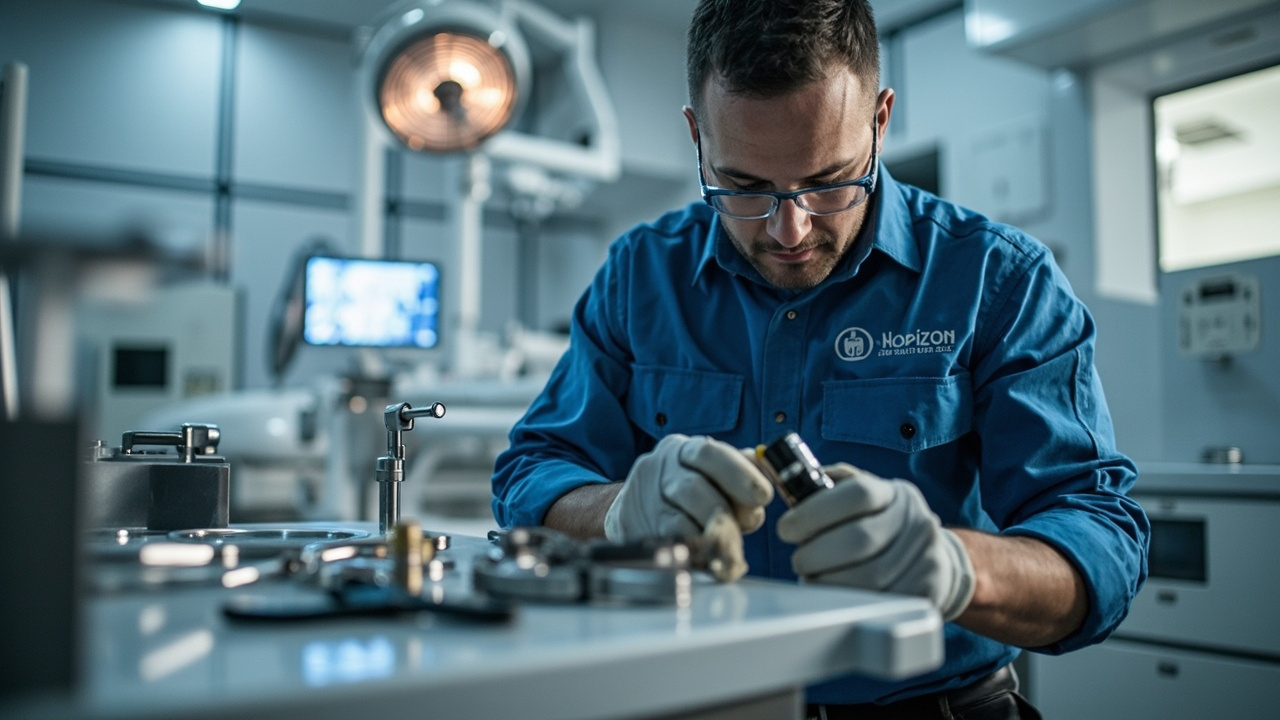
We begin every medical gas piping project with a detailed load calculation and zone mapping process. Your facility layout determines manifold sizing, pressure regulation requirements, and alarm panel placement. Surgical suites demand higher flow rates than recovery rooms. Dental operatories require isolated nitrous oxide systems with scavenging equipment to remove waste gases.

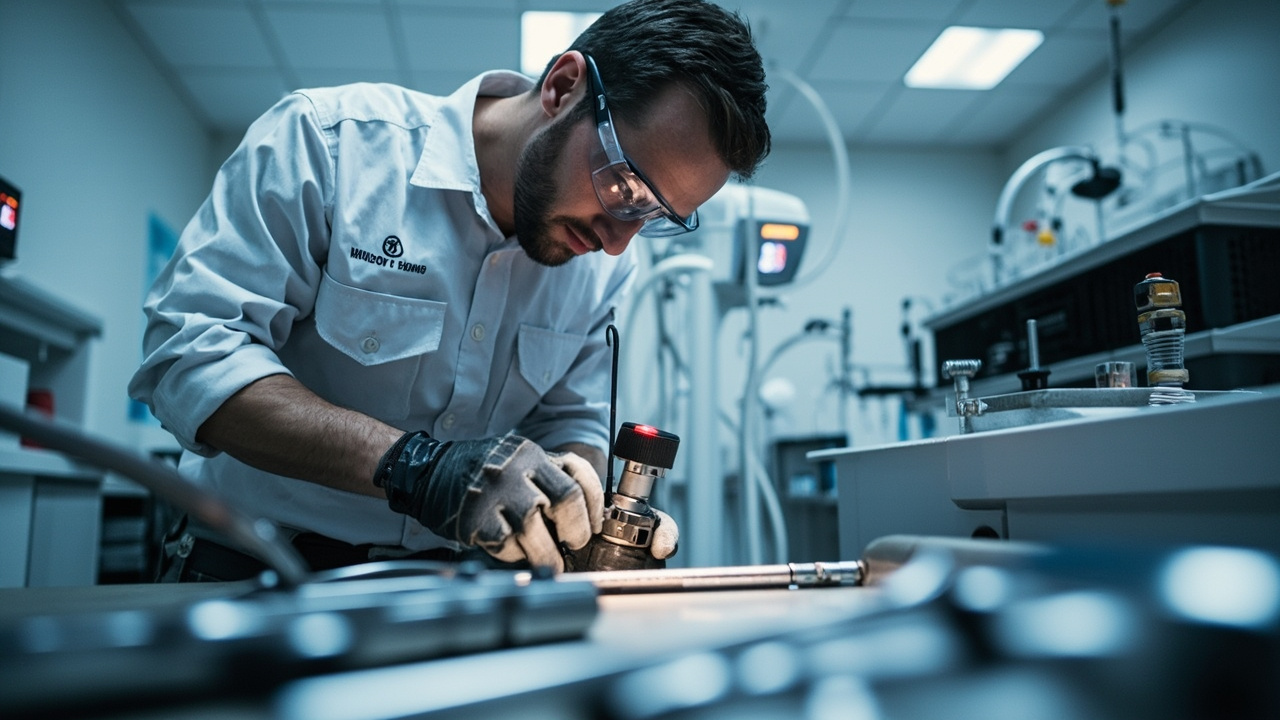
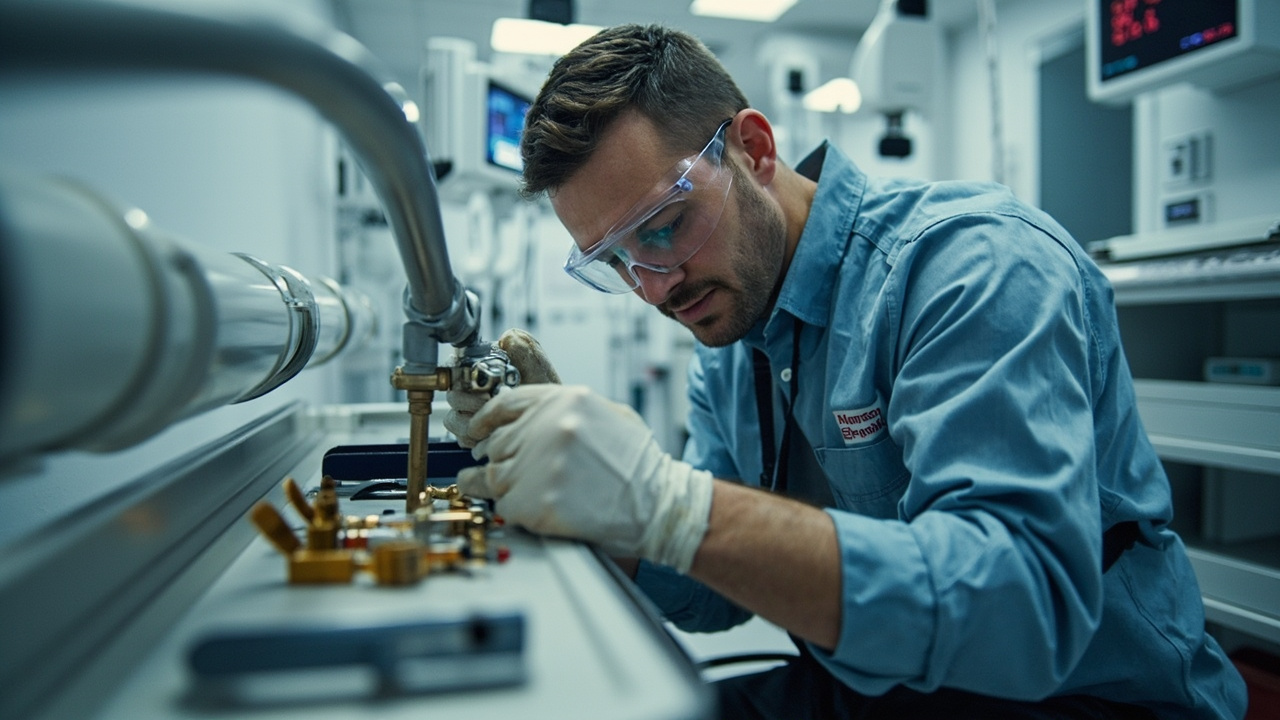
Our certified med gas plumbers use only medical-grade Type K or Type L copper tubing with silver-brazed joints. We never use solder containing flux or lead alloys that contaminate oxygen-rich environments. Each joint undergoes visual inspection and pressure testing at 1.5 times operating pressure for 24 hours minimum. We document every test with time-stamped logs and photographic evidence for your compliance files.

Seattle's building codes require seismic bracing at intervals no greater than 12 feet for horizontal runs. We install restraint straps, sway braces, and flexible connectors at penetration points to absorb lateral movement without rupturing lines. Your system remains operational after seismic events that would cripple improperly secured installations.

We coordinate shutdowns during low-census periods or non-operating hours to minimize revenue loss. Temporary oxygen supplies and portable suction units keep critical areas functional while we tie in new distribution legs. Our phased approach allows you to open new treatment rooms or expand surgical capacity without closing existing revenue-generating spaces.

All medical gas pipeline services include integrated alarm monitoring that connects to your facility management system. Low-pressure alerts, cross-connection warnings, and source equipment failures trigger immediate notifications before clinical staff notices supply interruptions. This early warning system prevents adverse patient events and protects your facility from liability exposure.

Our Medical Gas Installation Workflow

Medical & Dental Gas Plumbing in Seattle | Zero-Downtime Installation for Operating Healthcare Facilities
01

Pre-Construction Planning

We conduct a facility walkthrough with your clinical director, facilities manager, and infection control team to map patient flow, identify critical zones, and establish blackout periods. This planning phase includes reviewing architectural drawings, verifying wall cavity access, and confirming compatibility with existing source equipment. We submit detailed material specifications and installation schedules for your approval before mobilizing crews. You know exactly what to expect and when.
02

Installation and Testing

Our certified installers fabricate and pressure-test all piping assemblies before final connection to your distribution network. We use nitrogen purging to remove contaminants, then conduct blow-down tests to verify cleanliness standards. Each gas-specific system undergoes cross-connection testing to confirm no mixing between oxygen, nitrous oxide, medical air, or vacuum lines. We complete all required documentation for Department of Health inspections, including material certifications and installer credentials.
03

Commissioning and Handoff

We walk your maintenance staff through system operation, alarm response procedures, and routine inspection requirements. You receive complete as-built drawings with valve locations, pressure settings, and emergency shutoff procedures. We coordinate final inspections with state regulators and provide all documentation needed for your facility license renewal. Your system is certified, documented, and ready for patient care the moment we hand over keys.

Why Seattle Healthcare Facilities Choose Horizon Plumbing

Seattle's healthcare construction boom has attracted contractors from outside the region who lack familiarity with Washington's specific regulatory environment. The Washington State Department of Health enforces stricter medical gas standards than many other states. Installers unfamiliar with these requirements produce systems that fail inspection, delaying your certificate of occupancy and pushing back revenue timelines.

Horizon Plumbing Seattle maintains active relationships with local health inspectors, fire marshals, and building officials. We know which documentation formats they expect, which testing protocols they prioritize, and how to schedule inspections without creating bottlenecks in your project timeline. Our pre-inspection checklists catch compliance gaps before regulators arrive on site.

We also understand Seattle's construction labor market and supply chain realities. Medical-grade copper tubing and certified brazing materials have longer lead times than standard plumbing supplies. We maintain inventory relationships that prevent material shortages from delaying your project. Our crews are accustomed to working in occupied healthcare environments where noise restrictions, infection control barriers, and restricted access zones create logistical challenges.

The seismic requirements for medical gas systems in Seattle are more stringent than in non-seismic zones. Our engineering approach accounts for the Cascadia Subduction Zone risk and designs systems that maintain integrity during significant ground motion. Standard commercial plumbers often overlook these details until inspectors red-tag their work.

We have completed medical gas installations in Seattle's major hospital systems, ambulatory surgery centers, and dental groups. Our field experience includes renovation projects in 1960s-era buildings with limited wall cavity access and ground-up construction in modern healthcare campuses. You benefit from lessons learned across dozens of local projects.

What to Expect When You Partner with Us

Project Timeline and Coordination

Medical gas installations require coordination with electrical contractors, HVAC technicians, and medical equipment vendors. We integrate our schedule with your general contractor's master timeline and attend weekly coordination meetings to prevent conflicts. Typical installation timelines range from two weeks for small dental offices to six months for multi-floor hospital expansions. We provide detailed milestone schedules with inspection dates, testing windows, and final commissioning targets. You can plan staffing, equipment purchases, and patient scheduling around confirmed completion dates.

Engineering and Permit Management

We handle all engineering calculations, permit applications, and regulatory submissions required for medical gas systems. Our stamped drawings include load calculations, manifold sizing, alarm panel specifications, and seismic bracing details. We submit plans to Seattle Department of Construction and Inspections, coordinate plan review comments, and obtain final permit approval before starting work. You do not need to navigate the permitting process or hire separate engineering consultants. We deliver turnkey permit-to-occupancy services that keep your project moving forward.

Inspection-Ready Documentation

Washington State requires extensive documentation for medical gas systems, including material certifications, installer qualifications, pressure test logs, and cross-connection verification reports. We maintain digital and physical records throughout the installation process. At project completion, you receive a comprehensive documentation package that satisfies Department of Health requirements, Joint Commission audits, and insurance inspections. This documentation protects your facility license and demonstrates due diligence in the event of future compliance reviews or liability claims.

Post-Installation Support and Maintenance

Medical gas systems require ongoing maintenance to remain compliant. We offer annual inspection contracts that include pressure testing, alarm verification, and documentation updates. Our maintenance technicians identify wear points, corroded fittings, and aging components before they fail during critical procedures. Scheduled maintenance visits also satisfy regulatory requirements for periodic system verification. When equipment failures occur, our emergency response team prioritizes healthcare facilities to minimize downtime. You gain a long-term partner who understands your system's unique configuration and history.

Frequently Asked Questions

You Have Questions,
We Have Answers

What is medical gas plumbing? +

Medical gas plumbing is the specialized installation, maintenance, and testing of piping systems that deliver therapeutic gases to patient care areas in hospitals, clinics, dental offices, and surgical centers. These systems transport oxygen, nitrous oxide, medical air, nitrogen, and vacuum suction directly to wall outlets. Each gas requires separate piping networks with color-coded lines, pressure regulators, and alarm systems. Seattle healthcare facilities must meet NFPA 99 standards and Washington State building codes. The work demands certified installers who understand gas purity requirements, brazing techniques, and cross-connection prevention. System failures create immediate liability and patient safety risks.

What are the five classes of medical gas piping? +

The five classes of medical gas piping under NFPA 99 are: Level 1 (critical life support systems like ICU and operating rooms), Level 2 (non-critical areas where interruption causes minimal patient risk), Level 3 (non-patient care zones like laboratories), Category 1 (inpatient facilities), and Category 2 (outpatient locations). Seattle medical facilities classify their piping based on patient acuity and operational continuity needs. Higher-level systems require redundant sources, automatic changeover manifolds, and more stringent testing protocols. Classification determines inspection frequency, material requirements, and emergency response procedures. Documentation must satisfy Washington State Department of Health inspections.

What type of pipe is used for medical gas? +

Medical gas systems use Type K or Type L seamless copper tubing per NFPA 99 and CGA standards. Copper must be cleaned, degreased, and brazed with specific silver alloys to prevent contamination. Oxygen systems require oil-free components to prevent combustion risks. Stainless steel tubing is used in some specialized applications. Seattle installations must pass pressure testing, purge protocols, and gas purity verification before activation. PVC, galvanized steel, and standard plumbing materials are prohibited due to contamination risks and material incompatibility. All joints must be brazed, never soldered or threaded. Material certification documentation is mandatory for Washington State inspections.

Is gas line repair considered plumbing? +

Yes, gas line repair falls under plumbing scope when performed by licensed contractors with proper certifications. Medical gas work requires additional specialized training beyond standard plumbing licensure. Seattle plumbers working on medical gas systems need ASSE 6010 or equivalent certification for brazing medical gas piping. Natural gas and propane line repairs require different credentials than therapeutic gas systems. Washington State law separates medical gas work from standard commercial plumbing due to patient safety implications. Repairs must include pressure testing, purge procedures, and system verification. Liability exposure demands contractors maintain comprehensive documentation and follow NFPA 99 protocols.

How much do med gas plumbers make per hour? +

Medical gas plumbers in Seattle earn between 35 and 65 dollars per hour depending on certification level, experience, and facility type. Certified brazers with ASSE 6010 credentials command premium rates. Hospital system contracts and emergency repair work typically pay higher than new construction installations. Union scale rates in the Seattle metro area reflect the specialized nature of the work and ongoing education requirements. Contractors factor in liability insurance costs, certification renewals, and specialized equipment needs. Rates increase for after-hours emergency calls and work in active patient care areas. Project-based compensation varies with system complexity and testing requirements.

What qualifications do you need to work with gas? +

Medical gas technicians need ASSE 6010 professional qualification, which covers brazing procedures, system testing, and NFPA 99 compliance. Seattle contractors must hold a Washington State plumbing license plus medical gas certification. Training includes gas properties, piping materials, purge protocols, pressure testing, and cross-connection prevention. Dental nitrous oxide installations require understanding sedation delivery systems and scavenging requirements. Continuing education is mandatory to maintain certification. Technicians must document all training, pass written exams, and demonstrate hands-on competency. Hospitals verify credentials before granting system access. The work demands understanding both construction codes and clinical gas therapy applications.

Should polybutylene pipes be replaced? +

Polybutylene pipes must be replaced immediately in any medical or commercial gas application. This plastic material is prohibited under NFPA 99 for medical gas systems due to degradation risks, permeability issues, and inability to maintain gas purity. Seattle healthcare facilities cannot use polybutylene for oxygen, nitrous oxide, or medical air delivery. The material fails under pressure cycling and cannot be properly brazed. Washington State inspectors will red-tag any polybutylene found in therapeutic gas systems. Replacement with Type K copper tubing is mandatory. Liability exposure from using non-compliant materials creates significant risk for facility operators and contractors.

Is gas piping mechanical or plumbing? +

Gas piping classification depends on jurisdiction and application. Medical gas piping falls under specialized plumbing scope in Washington State, requiring plumbing licensure plus medical gas certification. Natural gas distribution may be classified as mechanical work in some Seattle building departments. Therapeutic gas systems in healthcare facilities always require plumbing contractors with ASSE 6010 credentials. The distinction matters for permitting, inspection protocols, and contractor qualification. Mechanical contractors handle HVAC-related gas work, while plumbers manage patient care gas delivery systems. Bid specifications clearly define scope boundaries. Seattle healthcare projects typically separate medical gas piping from mechanical HVAC systems in contract documents.

What are the six medical gases? +

The six primary medical gases are oxygen (patient respiration support), nitrous oxide (anesthesia and analgesia), medical air (ventilation and surgical tools), nitrogen (surgical power equipment), carbon dioxide (laparoscopic procedures), and vacuum suction (fluid removal). Seattle dental offices commonly use oxygen and nitrous oxide for sedation. Hospitals require all six gases distributed through color-coded piping networks. Each gas demands separate manifolds, pressure regulation, and alarm monitoring. Washington State healthcare facilities must maintain gas purity testing records and emergency supply protocols. Delivery pressures and outlet configurations vary by clinical application and equipment requirements.

Which type of pipe cannot be used for a gas? +

PVC, CPVC, galvanized steel, and polyethylene pipes cannot be used for medical gas systems. These materials contaminate gas supplies, corrode under pressure, or create combustion risks with oxygen. Black iron pipe is prohibited due to oxidation and particulate generation. Threaded connections are not allowed because they cannot maintain gas purity standards. Seattle medical facilities must use seamless copper tubing or approved stainless steel. Washington State inspectors verify material compliance during system commissioning. Using prohibited materials creates immediate patient safety hazards and regulatory violations. NFPA 99 explicitly lists forbidden materials based on gas compatibility testing and long-term performance data.

How Seattle's Earthquake Risk Affects Medical Gas System Design

Seattle sits within the Cascadia Subduction Zone, where a magnitude 9.0 earthquake could occur with little warning. Medical gas piping systems must remain functional after seismic events because hospitals become critical infrastructure during disasters. Rigid copper lines without proper bracing shear at connection points during lateral ground movement. Horizon Plumbing Seattle designs medical gas pipeline services with flexible connectors at equipment interfaces, seismic sway braces at code-required intervals, and zone isolation valves that contain damage to affected building sections. Your facility maintains oxygen, vacuum, and medical air supply to operating rooms even when surrounding infrastructure fails.

Washington State enforces some of the nation's strictest medical gas installation standards. The Department of Health requires installer certification through ASSE 6010 or equivalent programs. Horizon Plumbing Seattle maintains multiple certified med gas plumbers on staff who complete ongoing continuing education to stay current with evolving standards. We have worked with Seattle's major healthcare systems, including Harborview Medical Center, Swedish Medical Center, and UW Medicine facilities. Local inspectors recognize our work quality and documentation standards, which accelerates approval timelines and reduces re-inspection risks for your project.

Plumbing Services in The Seattle Area

Horizon Plumbing Seattle proudly serves the entire Seattle metropolitan area and surrounding communities. We invite users to view our service area map to confirm that your home or business falls within our coverage zone, ensuring we can deliver fast, reliable service right to your doorstep. Our professional team is strategically located to offer prompt dispatch, whether you're in the heart of downtown or the outlying neighborhoods. Call us to confirm coverage and schedule your expert plumbing appointment today; we look forward to serving you with confidence and a warm welcome.

Address:
Horizon Plumbing Seattle, 1515 Dexter Ave N, Seattle, WA, 98109

Additional Services We Offer

Our news updates

Latest Articles & News from The Blogs

Is Your Garbage Disposal Safe for the Septic System at Your Rural King County Property? If you live in a…

Is Your Garbage Disposal Safe for the Septic System at Your Rural King County Property?

Is Your Garbage Disposal Safe for the Septic System at Your Rural King County Property? If you live in a…

Why You Should Consider a Pressure Reducing Valve for Your Phinney Ridge Home

Why You Should Consider a Pressure Reducing Valve for Your Phinney Ridge Home Living in Phinney Ridge means dealing with…

The Real Difference Between a Main Line Clog and a Simple Sink Drain Issue

The Real Difference Between a Main Line Clog and a Simple Sink Drain Issue \n\n Water backing up in your…

Contact Us

Your facility cannot afford medical gas failures that compromise patient safety or halt revenue. Call Horizon Plumbing Seattle at (564) 220-5552 to discuss your expansion, renovation, or compliance upgrade project. We deliver systems engineered for Seattle's unique requirements.