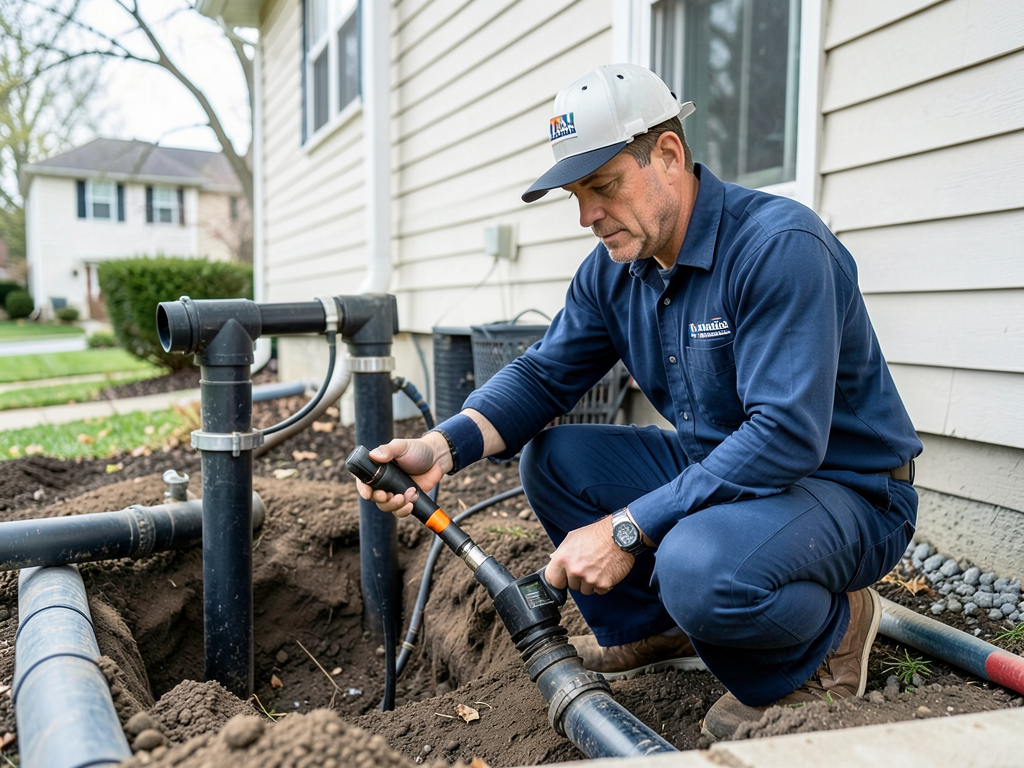




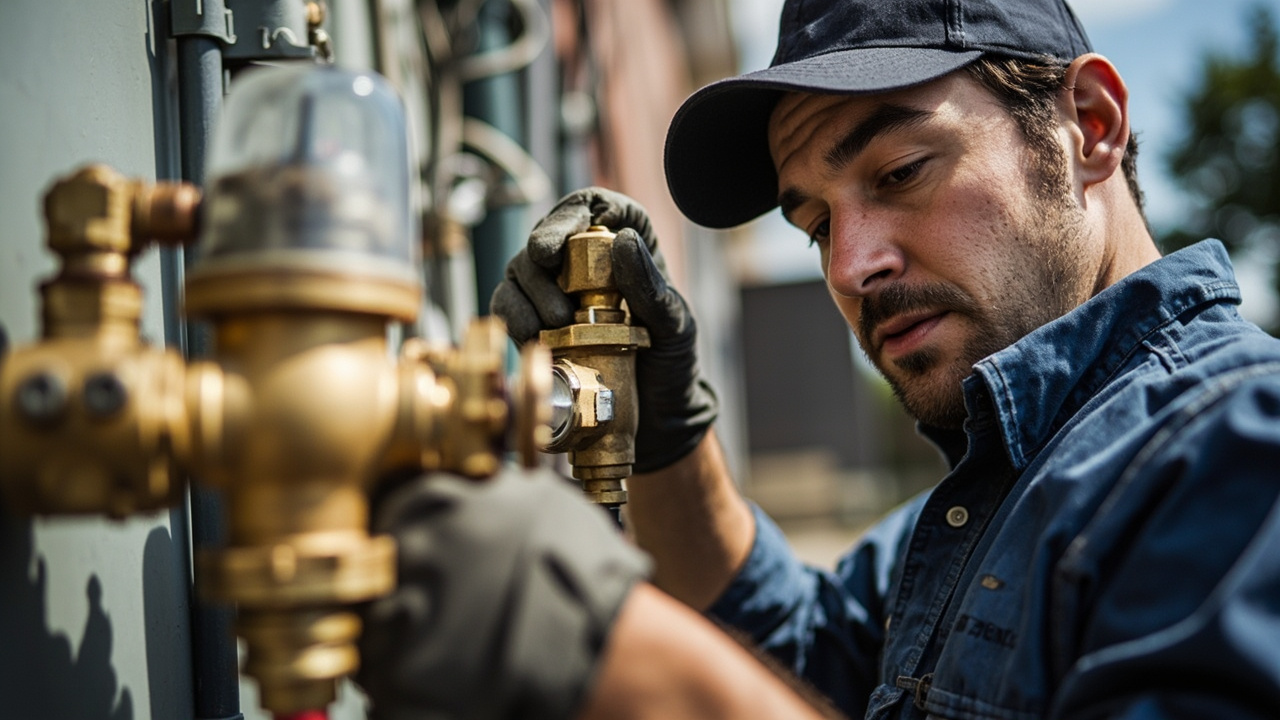
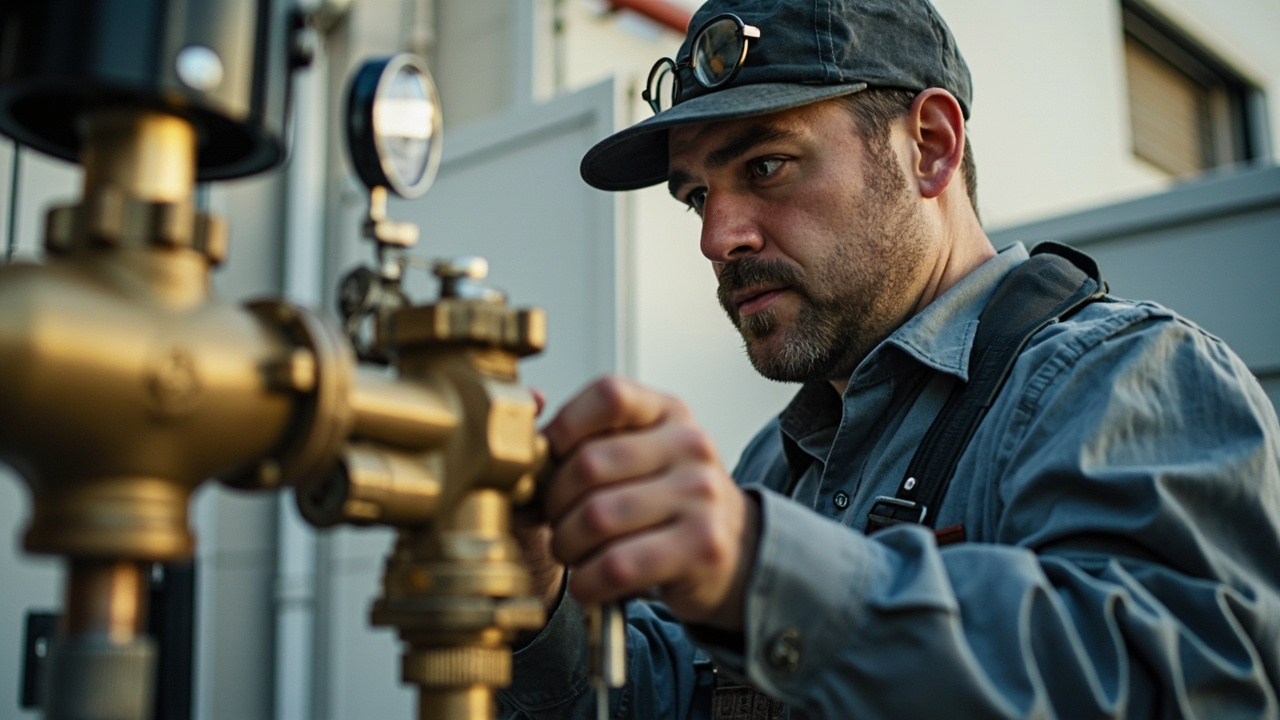
Seattle's municipal water supply comes from the Cedar River and Tolt River watersheds, both gravity-fed systems that maintain relatively stable pressure under normal conditions. However, the city's hilly topography and aging distribution infrastructure create pressure fluctuations during peak demand, main breaks, and fire suppression events. Commercial properties in low-lying areas near Elliott Bay, along the Duwamish Waterway, and in the International District experience more frequent pressure drops due to elevation changes and distance from supply lines. When pressure drops suddenly, backflow preventers are the only barrier preventing contaminated water from siphoning back into the potable supply. Cross-connection control testing verifies that this barrier functions under real-world pressure conditions specific to Seattle's infrastructure challenges.
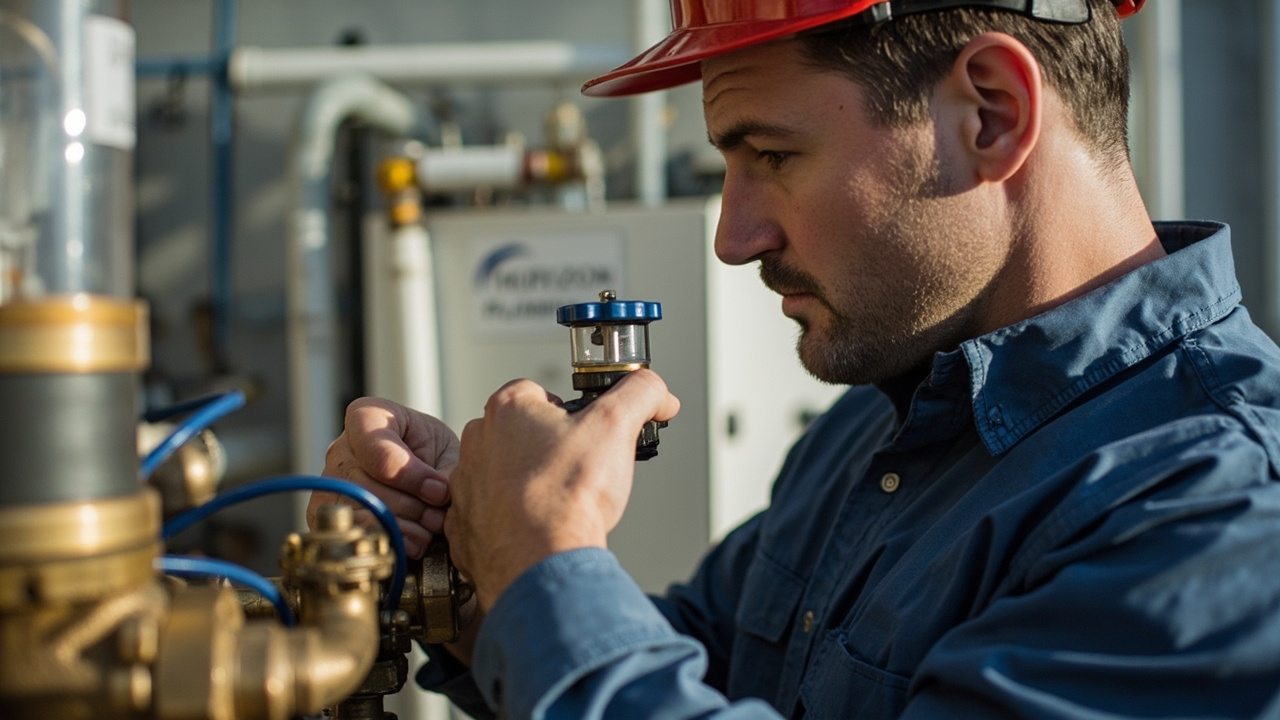
Seattle Public Utilities maintains a public registry of all testable backflow assemblies and audits compliance filings quarterly. The city requires certified backflow assembly testers to use calibrated equipment traceable to recognized standards and to file test reports electronically within ten days of testing. Commercial properties in Seattle face stricter enforcement than residential properties due to higher contamination risks from industrial processes, chemical storage, and irrigation systems. Businesses that fail to maintain annual backflow compliance risk water shutoff, fines, and liability exposure if a contamination event occurs. Local expertise matters because Seattle's backflow ordinance includes specific installation and testing requirements that differ from state plumbing code. Horizon Plumbing Seattle works directly within this regulatory framework and maintains compliance records that satisfy both city audits and commercial lease requirements.