Why Your Maple Valley Home Office Needs Professional Plumbing Planning
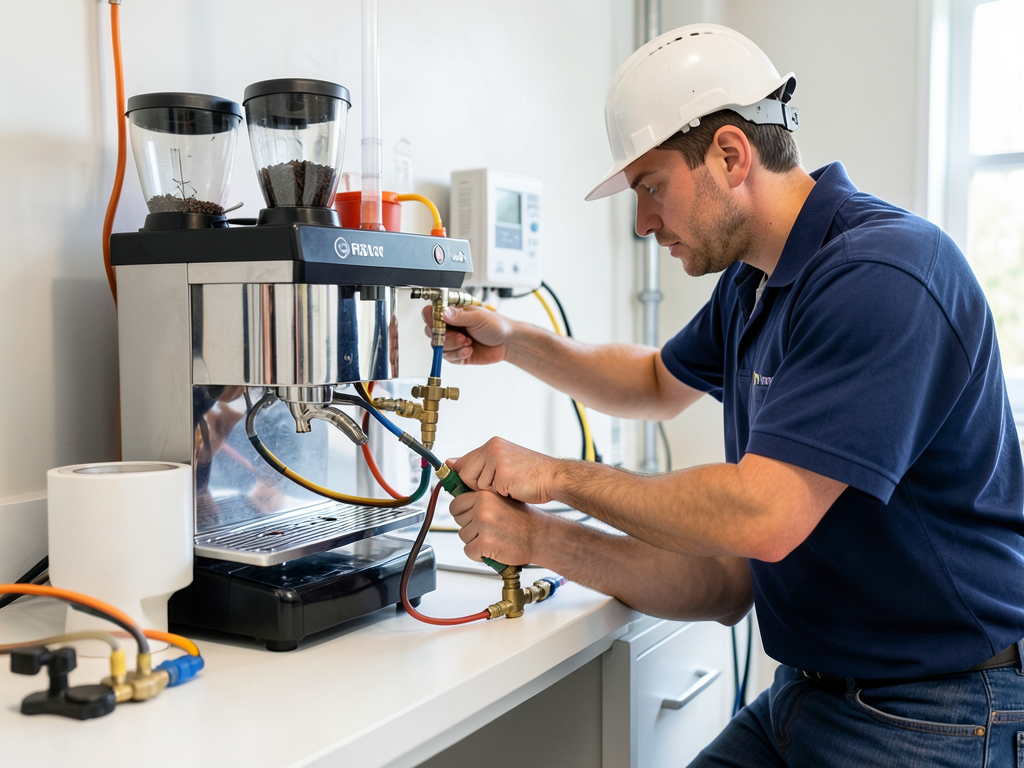
Adding a coffee station or wet bar to your home office in Maple Valley sounds simple until you realize the hidden complexities. Gravity drainage, proper venting, and Seattle code compliance create a web of technical requirements that can derail your project if not handled correctly. With Maple Valley’s mix of newer developments and older properties near the Cedar River, understanding local soil conditions and building codes becomes essential for a successful installation. Seattle Department of Construction and Inspections.
Most DIY attempts fail because they underestimate the importance of proper drain slope and venting. A coffee station without adequate drainage can back up within weeks, while a poorly vented wet bar can create gurgling sounds and slow drainage that drive you crazy during client calls. The key is planning before you purchase a single fixture.
Understanding Your Space: Feasibility Assessment
Before cutting into walls or running new supply lines, you need to understand what’s possible in your specific home office layout. Maple Valley homes vary dramatically from the newer developments near Lake Sawyer to the established neighborhoods around Four Corners.
Gravity drainage works when your proposed wet bar location sits near existing plumbing stacks. The drain line needs a minimum 1/4 inch per foot slope to function properly. If your office sits above a garage or in a basement without nearby stacks, you’ll need alternative solutions. Plumbing Bothell.
Macerating pump systems offer a viable alternative for challenging layouts. These units grind waste and pump it upward to reach existing drain lines. They work well for coffee stations and small wet bars but require specific electrical considerations and regular maintenance.
Checking your floor plan reveals critical information. Look for bathrooms or kitchens on the same floor or directly below. These indicate where plumbing stacks run through your home. If you’re in a slab-on-grade home common in newer Maple Valley developments, cutting through concrete adds significant cost and complexity. King County Plumbing Code.
Technical Requirements: What Actually Goes Into the Walls
Water supply lines for a wet bar typically need 1/2-inch PEX or copper piping. Coffee stations with high-volume brewers may need dedicated 3/4-inch lines to maintain pressure during peak use.. Read more about Adding a Point of Use Water Heater to Your Madison Park Home Office or Workshop.
P-traps prevent sewer gases from entering your office space. The trap arm must maintain proper slope and cannot exceed maximum length based on pipe diameter. For 1.5-inch drain lines common in wet bars, the trap arm cannot exceed 5 feet. Trenchless Sewer Repair Options for Historic Capitol Hill Homes.
Air Admittance Valves (AAVs) provide venting when traditional roof vents aren’t feasible. These mechanical devices open when water flows through the drain, allowing air to enter and maintaining proper pressure. Washington State plumbing code permits AAVs in specific applications, but they cannot serve as the sole vent for multiple fixtures.. Read more about Understanding the Unique Plumbing Requirements for a DADU in North Greenwood.
Backflow prevention becomes critical when connecting potable water to coffee equipment. A simple vacuum breaker on the supply line prevents contaminated water from flowing backward into your home’s drinking water system.
Seattle Code Compliance and King County Requirements
Seattle Department of Construction and Inspections (SDCI) requires plumbing permits for any new fixture installation, including wet bars and coffee stations. The permit process involves submitting detailed plans showing fixture locations, drain sizes, and vent configurations.
King County mandates specific requirements for gray water disposal. Coffee station drip trays and wet bar sink drainage must connect to the sanitary sewer system, not floor drains or exterior disposal.
The Uniform Plumbing Code (UPC) adopted by Washington State requires minimum trap sizes based on fixture type. A standard wet bar sink needs a 1.5-inch trap, while commercial coffee stations may require larger drains to handle peak flow rates. Reliable Commercial Plumbers for South Lake Union Businesses and Restaurants.
Seattle’s stormwater regulations affect exterior drainage planning. If your home office has an exterior door or window near the proposed wet bar, you must ensure proper drainage away from the foundation to prevent basement moisture issues common in Maple Valley’s clay-heavy soils.
Cost Factors: What Drives Your Investment
Basic rough-in plumbing for a coffee station typically ranges from $800 to $2,500 depending on distance from existing plumbing and whether you need to cut through walls or floors.
Wet bar installations with sinks and drainage run $2,500 to $6,000 for standard setups. Luxury installations with custom cabinetry integration, beverage coolers, and specialty fixtures can exceed $10,000.
Macerating pump systems add $800 to $1,500 to your project but eliminate the need for extensive demolition in challenging locations. These systems typically last 10-15 years with proper maintenance.
Permit fees vary by project scope but generally range from $150 to $500 for residential installations. SDCI inspection fees add another $100 to $300 depending on the number of required inspections.
Unexpected costs often arise from discovering corroded existing pipes or inadequate water pressure. Older Maple Valley homes near the historic downtown area may need supply line upgrades to support new fixtures.
Step-by-Step Planning Process
- Assess Your Space
Measure available wall space, check proximity to existing plumbing, and evaluate floor construction type. Note any windows or doors that affect fixture placement.
- Determine Fixture Requirements
List all intended equipment including coffee makers, beverage coolers, and sink usage. This determines water supply and drainage needs.. Read more about Why Your Clyde Hill Kitchen Needs a Professional Touchless Faucet Upgrade.
- Check Local Codes
Review Seattle SDCI requirements for your specific project. Some neighborhoods in Maple Valley have additional restrictions based on age or historical significance.
- Plan Utility Routes
Map out how supply lines and drains will run from existing plumbing to your new fixtures. Identify any obstacles like HVAC ducts or electrical panels.
- Budget for Contingencies
Add 15-20% to your initial cost estimate for unexpected issues like outdated wiring or structural modifications.
Common Mistakes to Avoid
Underestimating drainage needs causes the most failures. A coffee station with a standard 1.5 GPM brewer seems modest until multiple people use it during morning meetings. Plan for peak usage, not average usage.
Ignoring venting requirements leads to slow drains and gurgling sounds. Even small wet bars need proper air circulation in the drain system to function correctly.
Skipping permits might save money initially but creates problems when selling your home. Most home inspectors flag unpermitted plumbing work, potentially derailing sales.
Choosing fixtures before planning plumbing often results in costly modifications. Select your equipment first, then design the plumbing system around those specific requirements.
Overlooking electrical requirements creates dangerous situations. Coffee equipment and beverage coolers need dedicated circuits to prevent overloads and ensure proper operation.
Maple Valley-Specific Considerations
Maple Valley’s location near the Cedar River means many homes sit on clay-heavy soils that affect foundation drainage. Proper exterior drainage planning prevents moisture from migrating into your home office through slab joints or foundation walls.
The area’s mix of 1970s-1980s construction and newer developments creates varying plumbing infrastructure quality. Homes built before 2000 may have galvanized supply lines nearing the end of their service life, making them poor candidates for additional fixture loads.
Maple Valley’s occasional winter freezes require proper pipe insulation for any supply lines running through exterior walls or unconditioned spaces. Even Puget Sound’s mild climate can damage unprotected pipes during cold snaps.
Local water pressure varies significantly across Maple Valley. Homes near the city center typically have adequate pressure, while properties in the outskirts near Black Diamond may need pressure-boosting systems for multiple fixtures.
Many Maple Valley homes feature daylight basements that seem perfect for home offices but present unique plumbing challenges. These spaces often require up-flush systems or extensive rerouting to connect to main drain stacks.
Professional Installation vs. DIY: Making the Right Choice
Professional plumbers bring code knowledge and experience that prevents costly mistakes. They understand Seattle’s specific requirements and can navigate the permit process efficiently. How to Get an Emergency Plumber in West Seattle After Hours.
DIY installations might seem cost-effective but often lead to problems requiring professional correction. Common DIY errors include improper trap installation, inadequate venting, and incorrect pipe sizing.
Professional installations include warranty protection and code compliance verification. If issues arise later, you have recourse through the contractor’s insurance and bonding.
The time investment for DIY learning curves and potential rework often exceeds professional installation costs. What seems like a weekend project can stretch into weeks of troubleshooting.
Professional plumbers can identify and address related issues during installation, such as outdated shut-off valves or deteriorating supply lines that might fail soon anyway.
Maintenance Considerations
Regular maintenance prevents most wet bar and coffee station plumbing problems. Clean P-traps annually to prevent buildup that causes slow drainage and odors.
Check supply line connections quarterly for signs of moisture or corrosion. Small leaks under coffee makers or beverage coolers can cause extensive damage before becoming visible.
Flush macerating pump systems according to manufacturer specifications. These units need specific cleaning products to maintain proper function and prevent odors.
Test backflow prevention devices annually to ensure they function correctly. This simple check prevents contaminated water from entering your drinking supply.
Inspect drain lines periodically for signs of slow drainage, which indicates developing blockages. Early intervention prevents complete clogs that require emergency service.
Future-Proofing Your Installation
Design your plumbing system with expansion in mind. Even if you only need a basic coffee station now, installing slightly larger supply lines allows for future upgrades without major rework.
Consider accessibility requirements if you plan to age in place. Proper fixture heights and reachable controls make your home office usable for years to come.
Install shut-off valves for each fixture rather than relying on whole-house valves. This allows you to isolate problems without disrupting your entire office.
Choose materials that withstand Seattle’s moisture levels. PEX piping resists corrosion and performs well in the Pacific Northwest’s humid conditions.
Document your plumbing installation with photos and diagrams. This information helps future homeowners or service providers understand your system configuration.
Getting Started: Your Next Steps
Begin with a professional assessment of your space. A qualified plumber can evaluate your specific situation and identify potential challenges before you commit to a design.
Research local contractors who understand Seattle code requirements and have experience with home office installations. Check reviews and ask for examples of similar projects.
Develop a realistic budget that includes contingency funds for unexpected discoveries during installation. Most projects encounter at least one surprise that affects cost.
Plan your timeline considering permit processing times and inspection schedules. SDCI typically processes residential permits within 5-10 business days, but complex projects may take longer.
Prepare your space by clearing work areas and protecting existing finishes. Professional installations generate dust and debris that can damage electronics and furniture. Clearing Stubborn Main Line Clogs with Hydro Jetting in Queen Anne.
Frequently Asked Questions
Can I add a sink to my home office without major construction?
Yes, if you’re within 6-8 feet of existing plumbing and above a basement or crawl space. Macerating pump systems can extend this distance significantly. However, cutting through walls or floors is usually necessary for proper installation.
How long does a typical coffee station plumbing installation take?
Standard installations require 4-8 hours for professional plumbers. Complex projects involving concrete cutting or extensive rerouting can take 1-2 days. Permit acquisition adds 1-2 weeks to your timeline.
Do I need a dedicated water heater for my wet bar?
Most home office applications work fine with existing water heaters. However, if your office sits far from the main water heater or you plan frequent hot beverage service, a point-of-use water heater under the sink might be worthwhile.
What’s the difference between a coffee station and a wet bar from a plumbing perspective?
Wet bars require drainage and proper venting since they include sinks. Coffee stations may only need water supply lines if you’re not including a sink. This fundamental difference affects permit requirements and installation complexity.
Can I handle the plumbing myself to save money?
DIY is possible for simple supply line extensions, but any drainage work, venting, or permit-requiring installations should be handled by licensed professionals. Improper installation can cause water damage, code violations, and expensive repairs.
How do I know if my home’s water pressure is adequate?
Test by timing how long it takes to fill a 5-gallon bucket at an outdoor spigot. Less than 2 minutes indicates good pressure. You can also check with a pressure gauge at an outdoor faucet; residential systems typically need 40-80 PSI.
You may also find this helpful. Everything You Need to Know About Moving a Laundry Room to the Second Floor in Wedgwood.
{
“@context”: “https://schema.org”,
“@type”: “BlogPosting”,
“headline”: “Planning the Plumbing for a Home Office Coffee Station or Wet Bar in Maple Valley”,
“description”: “Learn how to plan plumbing for a home office coffee station or wet bar in Maple Valley. Get expert tips on drainage, venting, and Seattle code compliance.”,
“wordCount”: 2045,
“datePublished”: “2026-05-29T13:30:00.000Z”,
“dateModified”: “2026-05-29T13:30:00.000Z”,
“inLanguage”: “en-US”,
“mainEntityOfPage”: {
“@type”: “WebPage”,
“@id”: “https://horizonplumbingseattle.com”
},
“publisher”: {
“@type”: “LocalBusiness”,
“name”: “Horizon Plumbing Seattle”,
“url”: “https://horizonplumbingseattle.com”
},
“author”: {
“@type”: “Organization”,
“name”: “Horizon Plumbing Seattle”,
“url”: “https://horizonplumbingseattle.com”
},
“image”: {
“@type”: “ImageObject”,
“url”: “https://horizonplumbingseattle.com/wp-content/uploads/2026/03/planning-the-plumbing-for-a-home-office-coffee-sta-1.png”
}
}
{
“@context”: “https://schema.org”,
“@type”: “Plumber”,
“name”: “Horizon Plumbing Seattle”,
“url”: “https://horizonplumbingseattle.com”,
“address”: {
“@type”: “PostalAddress”,
“addressLocality”: “Seattle”
},
“areaServed”: {
“@type”: “City”,
“name”: “Seattle”
}
}
{
“@context”: “https://schema.org”,
“@type”: “FAQPage”,
“mainEntity”: [
{
“@type”: “Question”,
“name”: “Can I add a sink to my home office without major construction?”,
“acceptedAnswer”: {
“@type”: “Answer”,
“text”: “Yes, if you’re within 6-8 feet of existing plumbing and above a basement or crawl space. Macerating pump systems can extend this distance significantly. However, cutting through walls or floors is usually necessary for proper installation.”
}
},
{
“@type”: “Question”,
“name”: “How long does a typical coffee station plumbing installation take?”,
“acceptedAnswer”: {
“@type”: “Answer”,
“text”: “Standard installations require 4-8 hours for professional plumbers. Complex projects involving concrete cutting or extensive rerouting can take 1-2 days. Permit acquisition adds 1-2 weeks to your timeline.”
}
},
{
“@type”: “Question”,
“name”: “Do I need a dedicated water heater for my wet bar?”,
“acceptedAnswer”: {
“@type”: “Answer”,
“text”: “Most home office applications work fine with existing water heaters. However, if your office sits far from the main water heater or you plan frequent hot beverage service, a point-of-use water heater under the sink might be worthwhile.”
}
},
{
“@type”: “Question”,
“name”: “What’s the difference between a coffee station and a wet bar from a plumbing perspective?”,
“acceptedAnswer”: {
“@type”: “Answer”,
“text”: “Wet bars require drainage and proper venting since they include sinks. Coffee stations may only need water supply lines if you’re not including a sink. This fundamental difference affects permit requirements and installation complexity.”
}
},
{
“@type”: “Question”,
“name”: “Can I handle the plumbing myself to save money?”,
“acceptedAnswer”: {
“@type”: “Answer”,
“text”: “DIY is possible for simple supply line extensions, but any drainage work, venting, or permit-requiring installations should be handled by licensed professionals. Improper installation can cause water damage, code violations, and expensive repairs.”
}
},
{
“@type”: “Question”,
“name”: “How do I know if my home’s water pressure is adequate?”,
“acceptedAnswer”: {
“@type”: “Answer”,
“text”: “Test by timing how long it takes to fill a 5-gallon bucket at an outdoor spigot. Less than 2 minutes indicates good pressure. You can also check with a pressure gauge at an outdoor faucet; residential systems typically need 40-80 PSI.”
}
}
]
}
{
“@context”: “https://schema.org”,
“@type”: “HowTo”,
“name”: “Planning Your Home Office Plumbing”,
“step”: [
{
“@type”: “HowToStep”,
“position”: 1,
“name”: “Assess Your Space”,
“text”: “Measure available wall space, check proximity to existing plumbing, and evaluate floor construction type. Note any windows or doors that affect fixture placement.”
},
{
“@type”: “HowToStep”,
“position”: 2,
“name”: “Determine Fixture Requirements”,
“text”: “List all intended equipment including coffee makers, beverage coolers, and sink usage. This determines water supply and drainage needs.”
},
{
“@type”: “HowToStep”,
“position”: 3,
“name”: “Check Local Codes”,
“text”: “Review Seattle SDCI requirements for your specific project. Some neighborhoods in Maple Valley have additional restrictions based on age or historical significance.”
},
{
“@type”: “HowToStep”,
“position”: 4,
“name”: “Plan Utility Routes”,
“text”: “Map out how supply lines and drains will run from existing plumbing to your new fixtures. Identify any obstacles like HVAC ducts or electrical panels.”
},
{
“@type”: “HowToStep”,
“position”: 5,
“name”: “Budget for Contingencies”,
“text”: “Add 15-20% to your initial cost estimate for unexpected issues like outdated wiring or structural modifications.”
}
],
“image”: “https://horizonplumbingseattle.com/wp-content/uploads/2026/03/planning-the-plumbing-for-a-home-office-coffee-sta-1.png”
}
{
“@context”: “https://schema.org”,
“@type”: “BreadcrumbList”,
“itemListElement”: [
{
“@type”: “ListItem”,
“position”: 1,
“name”: “Home”,
“item”: “https://horizonplumbingseattle.com”
},
{
“@type”: “ListItem”,
“position”: 2,
“name”: “Blog”,
“item”: “https://horizonplumbingseattle.com/blog”
},
{
“@type”: “ListItem”,
“position”: 3,
“name”: “Planning the Plumbing for a Home Office Coffee Station or Wet Bar in Maple Valley”
}
]
}
{
“@context”: “https://schema.org”,
“@type”: “Service”,
“serviceType”: “Plumbing”,
“provider”: {
“@type”: “LocalBusiness”,
“name”: “Horizon Plumbing Seattle”,
“url”: “https://horizonplumbingseattle.com”
},
“areaServed”: {
“@type”: “City”,
“name”: “Seattle”
},
“description”: “Learn how to plan plumbing for a home office coffee station or wet bar in Maple Valley. Get expert tips on drainage, venting, and Seattle code compliance.”
}