







menu

Wet Spots in Yard Seattle – Expert Underground Leak Detection and Repair

When soggy patches in your lawn won't dry, the cause is usually hidden underground. Horizon Plumbing Seattle uses advanced leak detection technology to pinpoint wet spots in your yard fast and repair the source before foundation damage begins.

Slider Image 1
Slider Image 2
Slider Image 3
Slider Image 4
Slider Image 5
Slider Image 7
Slider Image 8
Slider Image 9
Slider Image 10
Slider Image 11

Why Seattle Yards Stay Wet Long After the Rain Stops

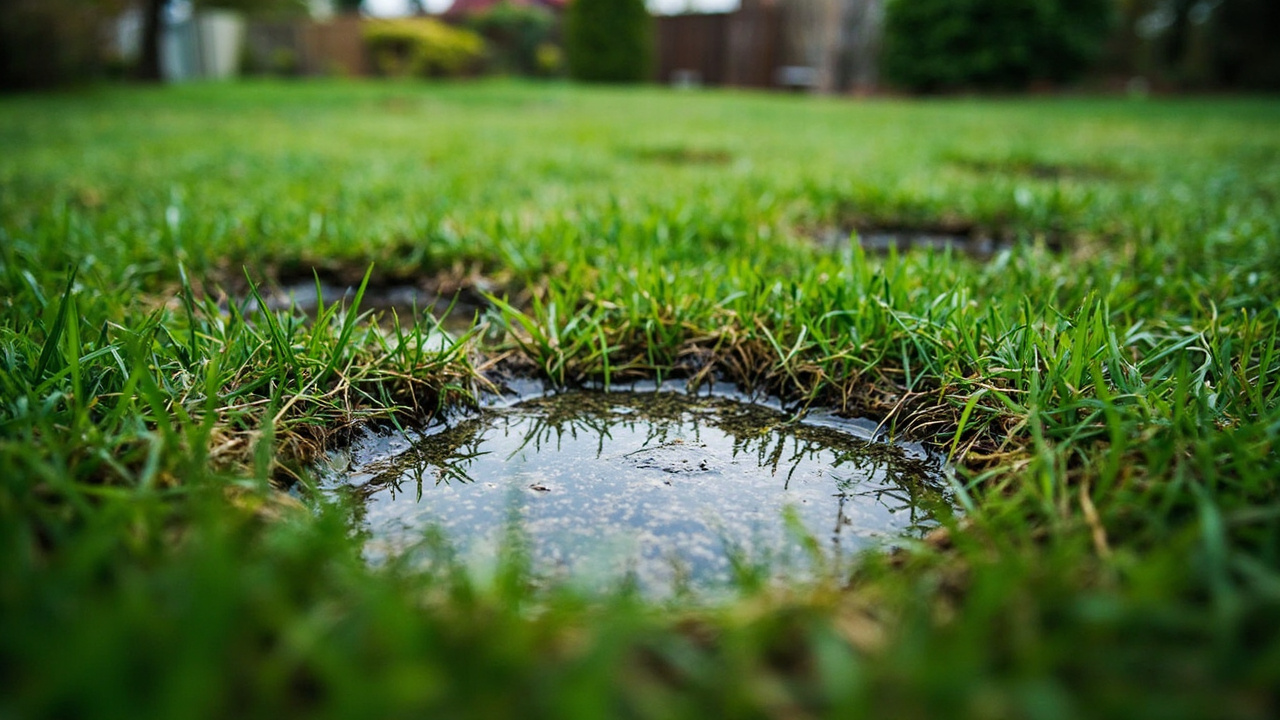
You notice a damp spot in your lawn that never seems to dry. Even during Seattle's brief summer breaks from rain, that soggy patch stays saturated. Your water bill creeps higher each month. The grass turns patchy and brown in that area while everything else grows fine.

This is not normal drainage. Seattle gets an average of 38 inches of rain annually, but our well-draining glacial till soil should absorb seasonal moisture without issue. When you see unexplained standing water or pooling water in your yard that persists between storms, the problem is almost always underground. A broken water main, a failing sewer lateral, or a cracked irrigation line can leak hundreds of gallons daily into your soil.

The Pacific Northwest's freeze-thaw cycles stress aging pipe joints. Most homes in neighborhoods like Queen Anne, Capitol Hill, and Ballard were built with galvanized steel or clay pipe that degrades over decades. When these lines fail, water escapes under pressure and saturates the soil above. You see the damp spots in your lawn, but the actual break point may be three feet down.

Ignoring saturated areas in grass leads to foundation settlement, basement seepage, and structural cracks. The longer water leaks underground, the more it erodes soil and creates voids beneath your concrete. What starts as a nuisance becomes a costly repair if the leak undermines your home's foundation or causes a full pipe collapse. Soggy patches in your lawn are an early warning sign. The question is whether the leak is pressurized water supply or a compromised sewer line. Each requires different diagnostic tools and repair methods.

Why Seattle Yards Stay Wet Long After the Rain Stops
How We Find Hidden Leaks Beneath Seattle Lawns

How We Find Hidden Leaks Beneath Seattle Lawns

Most plumbers guess at leak locations and start digging. We use acoustic leak detection and tracer gas technology to pinpoint the exact failure point before we break ground. This saves your landscaping and cuts repair time in half.

First, we map your property's water and sewer lines using existing as-built documents and utility locates. Seattle's older neighborhoods often have undocumented lateral branches and abandoned lines that complicate diagnostics. We trace every active pipe run to eliminate false positives.

Next, we deploy acoustic sensors that detect the high-frequency sound of pressurized water escaping from a supply line. Even small pinhole leaks in copper or PEX create distinct noise signatures underground. We scan along the suspected pipe route and mark the loudest signal point. For sewer laterals, we use tracer gas. We introduce a hydrogen-nitrogen mix into the line, then sweep the yard with a probe that detects gas escaping through soil at the crack location.

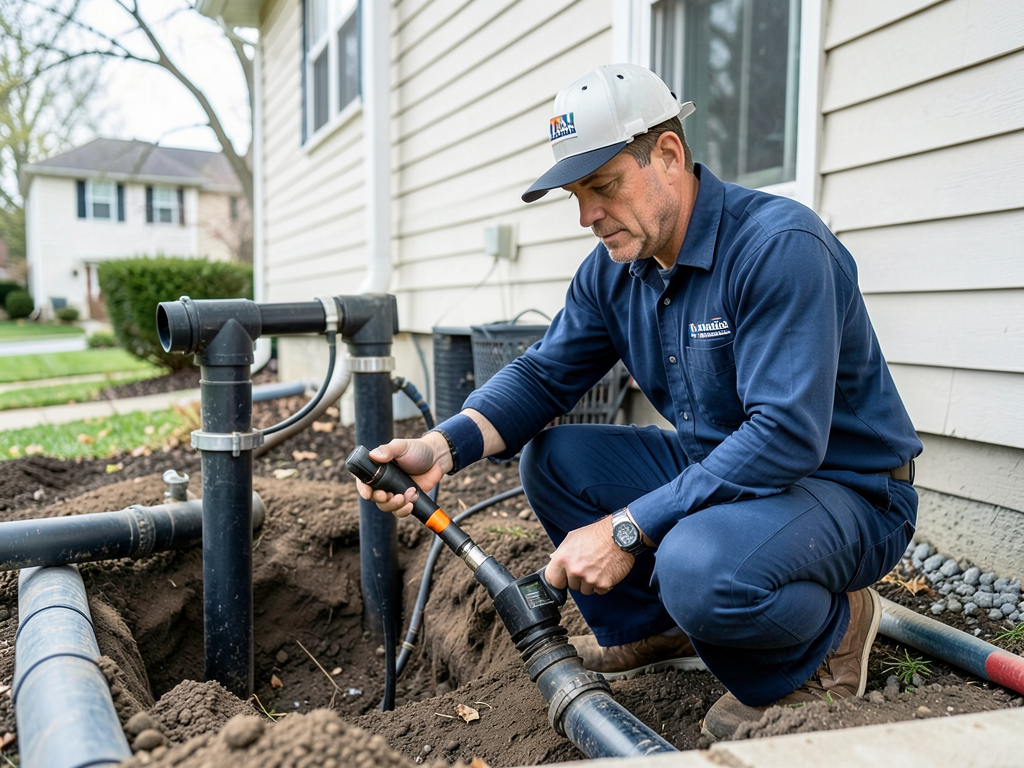
Once we confirm the leak site, we perform a minimally invasive excavation. We cut a precise access trench rather than tearing up your entire yard. For water mains, we expose the damaged section, cut out the failed segment, and install a new pipe with compression couplings or PEX connections. For sewer laterals, we often recommend trenchless pipe lining if the remaining pipe structure is sound. We insert a resin-saturated liner that cures in place and seals cracks without full replacement.

We test the repair under full pressure or flow before backfilling. You get documentation of the leak location, repair method, and pressure test results. This matters for disclosure if you sell your home and for future maintenance planning.

What Happens During a Yard Leak Inspection

Wet Spots in Yard Seattle – Expert Underground Leak Detection and Repair
01

Site Assessment and Mapping

We walk your property and document all visible wet spots, vegetation changes, and ground depressions. We review your water bills for unexplained consumption spikes and ask about recent plumbing work. We mark all utility locations to avoid hitting gas, electric, or telecom lines during excavation. This initial survey takes 20 to 30 minutes and gives us a diagnostic roadmap before we deploy equipment.
02

Electronic Leak Detection

We use acoustic sensors for water supply leaks and tracer gas injection for sewer leaks. Acoustic tools pick up the frequency signature of escaping water. Tracer gas rises through soil at crack points and triggers our detector probe. We mark the ground with spray paint at the suspected leak zone. This phase takes 30 to 60 minutes depending on property size and pipe complexity.
03

Confirmation and Repair Plan

We dig a small test hole at the marked location to visually confirm the leak. Once confirmed, we provide a repair estimate and timeline. If you approve, we schedule the excavation and pipe repair. For simple main line breaks, we often complete the repair same-day. For sewer lateral damage, we may recommend camera inspection first to assess the full line condition and determine if spot repair or full replacement is needed.

Why Seattle Homeowners Trust Local Leak Detection Experts

Seattle's residential plumbing infrastructure is older than most West Coast cities. Many homes in Wallingford, Fremont, and Green Lake have original galvanized or cast iron pipe from the 1940s and 1950s. These materials corrode from the inside out. A leak detection company that understands local pipe history can predict failure points and recommend proactive replacements before catastrophic breaks occur.

We know how Seattle Public Utilities requires backflow prevention on irrigation lines and where the city's responsibility ends at the property line. When a leak occurs near the curb stop, determining liability matters. We document the leak location relative to the meter and provide photos for SPU claims if the failure is on the city side.

Seattle's land use code requires permits for excavations deeper than 18 inches in some zones. We pull necessary permits and coordinate inspections so your repair meets municipal standards. This protects you during home sales and insurance claims. Out-of-town plumbers often skip permitting, which can void your homeowner's policy if the repair fails and causes secondary damage.

Horizon Plumbing Seattle has worked with Seattle-area homes for years. We have relationships with local landscape contractors who can restore sod and irrigation after we backfill. We understand the difference between repairing a shallow service line in sandy Rainier Valley soil versus excavating through the dense clay in West Seattle. Soil type affects trench stability and compaction requirements. A local team knows these nuances and adjusts techniques accordingly.

We also recognize the signs of combined sewer overflow backups, which are common in older Seattle neighborhoods during heavy rain events. If your wet yard coincides with basement drain backups, the issue may not be a leak but a capacity problem in the city's combined system. We diagnose correctly the first time.

What to Expect When You Call About a Wet Yard

Response Time and Scheduling

We offer same-day and next-day leak detection appointments for most Seattle neighborhoods. When you call, we ask about the size and location of the wet area, how long it has been present, and whether your water meter is spinning when all fixtures are off. If the meter spins continuously, you have an active pressurized leak and we prioritize your call. For suspected sewer leaks, we schedule within 48 hours unless you report sewage surfacing, in which case we dispatch immediately. Most leak detection visits take two to three hours from arrival to diagnosis.

Diagnostic Process and Tools

We bring acoustic listening devices, tracer gas equipment, and ground-penetrating radar if needed. You do not need to prepare anything before we arrive, but turning off all water-using appliances helps with acoustic detection. We ask you to accompany us during the inspection so we can explain findings in real time. If we locate a leak, we mark it clearly and provide an on-site repair estimate. We do not charge separately for leak detection if you approve the repair. The diagnostic fee applies only if you decline service or if no leak is found.

Repair Quality and Materials

We replace failed sections with Type L copper or PEX depending on application and code requirements. For sewer laterals, we use Schedule 40 PVC or recommend trenchless cured-in-place pipe lining for minimal disruption. All connections are pressure-tested to 150 psi for water mains and flow-tested for sewer repairs. We backfill in six-inch lifts with proper compaction to prevent settling. We restore landscaping to rough grade. You handle final sod or seed replacement, or we can refer a landscape contractor.

Post-Repair Monitoring and Warranty

After repair, we recommend monitoring your water meter for 24 hours to confirm no additional leaks exist elsewhere in the system. We provide a written summary of the work performed, including depth, pipe material, and repair method. Our workmanship is backed by industry-standard warranties on labor and materials. If the wet spot returns within the warranty period due to our repair failure, we return at no charge. We also offer annual plumbing inspections to catch future issues before they create new yard damage.

Frequently Asked Questions

You Have Questions,
We Have Answers

Why is there a sudden wet spot in my yard? +

A sudden wet spot in your Seattle yard typically signals a broken water line, leaking sewer pipe, or failed irrigation system. The Pacific Northwest's clay-heavy soil holds water longer, making leaks more visible. Check if the wet spot persists during dry weather or grows larger over time. Look for softer grass, sinking ground, or an unexplained spike in your water bill. Underground pipe failures are common in older Seattle neighborhoods where aging infrastructure meets freeze-thaw cycles. You need a pressure test or leak detection to pinpoint the source before the problem worsens and damages your foundation.

How to fix wet spots in yard? +

Fixing wet spots depends on the cause. For poor drainage, install a French drain or dry well to redirect water away from the problem area. If a broken pipe is the culprit, excavate and replace the damaged section immediately. Seattle's heavy rainfall demands proper grading to move water downhill and away from structures. Add soil amendments like compost to improve clay drainage. For low spots, regrade your lawn to create positive slope. Persistent wet spots near your foundation risk structural damage. A plumber can camera-inspect underground lines to identify hidden leaks before you dig.

How to fix muddy spots in yard? +

Muddy spots form when Seattle's clay soil stays saturated. Start by improving drainage with a curtain drain or catch basin. Add coarse sand or pea gravel to break up compacted clay and increase permeability. Aerate your lawn twice yearly to combat soil compaction from our wet winters. Plant water-tolerant ground covers like creeping thyme in problem zones. If regrading is needed, create a two percent slope away from buildings. Avoid walking on muddy areas during wet months, which worsens compaction. Check downspouts and gutters to ensure roof runoff is not pooling in your yard.

How to fix water runoff in yard? +

Water runoff needs redirection before it causes erosion or foundation issues. Install a swale or rain garden to capture and absorb runoff naturally. French drains with perforated pipe work well in Seattle's heavy rain zones. Extend downspouts at least six feet from your home. Create berms or raised planting beds to slow and redirect flow. For steep slopes, add terracing or retaining walls. Check that your yard slopes away from structures at a minimum two percent grade. Permeable pavers reduce runoff in driveways and walkways. Address runoff fast because Seattle's wet season accelerates soil erosion and foundation settling.

How to detect water leaks in a yard? +

Detecting yard water leaks starts with monitoring your water meter. Turn off all fixtures and check if the meter still runs. Walk your property looking for unusually green patches, soggy ground, or sinkholes. Listen for hissing sounds near the meter or main line. In Seattle, look for areas where grass grows faster or stays wet despite dry weather. Pressure testing isolates leaks in supply lines. A thermal imaging camera reveals temperature differences from leaking water. Sewer line leaks show foul odors or sewage surfacing. Call a licensed plumber for electronic leak detection before excavating your yard blindly.

Does homeowners insurance cover main water line leak? +

Homeowners insurance usually covers sudden, accidental main water line breaks but excludes gradual leaks from poor maintenance. Review your policy for water damage and exterior line coverage. Most standard policies cover damage to your home from a burst pipe but not the cost to dig up and replace the line itself. Seattle homeowners should consider adding service line coverage as an endorsement. Insurance denies claims if you ignored warning signs like wet spots or high water bills. Document the leak with photos and get a plumber's assessment. File claims immediately after discovering the problem.

How to dry up a wet yard fast without drainage? +

Drying a wet yard without drainage requires multiple steps. Aerate the soil to create channels for water absorption. Spread a thin layer of coarse sand or gypsum to improve clay permeability. Avoid walking on saturated areas, which creates compaction. Use a pump to remove standing water from low spots. Till or turn the soil on dry days to expose wet layers to air. Plant water-hungry species like willow or dogwood. In Seattle, wait for a dry stretch before working the soil. Temporary solutions fail if the root cause is a broken pipe or poor grading.

What is the rule of 3 in landscaping? +

The rule of three in landscaping means planting in odd-numbered groups for visual balance. Use three plants of the same species clustered together rather than single specimens. This principle applies to color schemes, plant heights, and hardscape elements. Three creates a triangle, which the human eye finds naturally pleasing. Avoid even numbers like two or four, which look static and symmetrical. The rule extends to repetition: repeat key plants or materials at least three times throughout your Seattle yard for cohesion. This design principle works regardless of yard size and helps create a professional, intentional look.

How to stop water runoff from neighbor's yard? +

Stopping neighbor runoff requires diplomacy and sometimes legal action. First, talk to your neighbor about the drainage issue. If water crosses the property line due to their grading or downspouts, they may need to redirect it. Install a swale or berm along your property line to intercept and redirect flow. French drains collect runoff before it reaches your yard. Check Seattle's stormwater codes, which regulate how property owners manage runoff. Document damage with photos and dates. If the neighbor refuses to fix the problem, consult a property attorney about easement rights and nuisance claims.

Why is my yard always wet and muddy? +

Your Seattle yard stays wet and muddy because of clay soil, poor drainage, or hidden leaks. The Pacific Northwest's heavy rainfall saturates compacted clay, which drains slowly. Check if your yard slopes toward your foundation instead of away. Low spots collect water and turn into bogs. Failed gutters or downspouts dump roof water directly onto your lawn. Broken irrigation lines or sewer pipes create constant moisture. Shade from trees or buildings prevents evaporation. Clay soil needs amendments like compost and regular aeration. Fix grading issues and test for underground leaks before the problem damages your foundation or creates mold issues.

Why Seattle's Aging Infrastructure Creates Hidden Yard Leaks

Seattle's residential water mains and sewer laterals were installed in waves during the city's mid-century growth. Homes built between 1940 and 1970 typically have galvanized steel supply lines and clay or cast iron sewer laterals. Both materials degrade over time. Galvanized pipe corrodes from the inside as minerals in Seattle's moderately hard water eat away at the zinc coating. Clay sewer pipe cracks when tree roots infiltrate joints searching for moisture. The result is a high failure rate in neighborhoods like Ravenna, Maple Leaf, and Northgate. Wet spots in your yard, unexplained standing water, and soggy patches in your lawn are often the first visible signs of these hidden underground failures.

Seattle Public Utilities mandates specific backflow prevention and cross-connection control measures that affect how we diagnose and repair leaks. When a water main breaks near an irrigation system, we must verify backflow devices are functioning to prevent contamination of the city's supply. We are familiar with SPU's side sewer code and inspection requirements for lateral repairs. Choosing a local plumber who understands these regulations ensures your repair passes inspection and avoids costly rework. We also know which Seattle neighborhoods have combined sewer systems that can cause seasonal wet spots unrelated to leaks, saving you from unnecessary excavation.

Plumbing Services in The Seattle Area

Horizon Plumbing Seattle proudly serves the entire Seattle metropolitan area and surrounding communities. We invite users to view our service area map to confirm that your home or business falls within our coverage zone, ensuring we can deliver fast, reliable service right to your doorstep. Our professional team is strategically located to offer prompt dispatch, whether you're in the heart of downtown or the outlying neighborhoods. Call us to confirm coverage and schedule your expert plumbing appointment today; we look forward to serving you with confidence and a warm welcome.

Address:
Horizon Plumbing Seattle, 1515 Dexter Ave N, Seattle, WA, 98109

Additional Services We Offer

Our news updates

Latest Articles & News from The Blogs

Why Georgetown Homeowners Are Choosing Professional Bidet Installation Services Georgetown's historic industrial charm and vibrant community make it a unique…

Why Homeowners in Georgetown are Upgrading to Professional Bidet Installations

Why Georgetown Homeowners Are Choosing Professional Bidet Installation Services Georgetown's historic industrial charm and vibrant community make it a unique…

Is Your Garbage Disposal Safe for the Septic System at Your Rural King County Property?

Is Your Garbage Disposal Safe for the Septic System at Your Rural King County Property? If you live in a…

Why You Should Consider a Pressure Reducing Valve for Your Phinney Ridge Home

Why You Should Consider a Pressure Reducing Valve for Your Phinney Ridge Home Living in Phinney Ridge means dealing with…

Contact Us

Do not let a hidden leak damage your foundation or waste thousands of gallons. Call Horizon Plumbing Seattle at (564) 220-5552 now to schedule fast, accurate leak detection. We serve all Seattle neighborhoods and provide same-day appointments for active leaks.