




SeaTac sits in a unique plumbing pressure zone. Homes near the Bow Lake basin deal with high water tables that stress foundation drains and sewer laterals. The airport corridor neighborhoods face constant ground vibration from aircraft and Interstate 5 traffic, causing pipe joints to loosen and fail over time. Many SeaTac homes were built in the 1960s and 70s with galvanized steel pipes that corrode from the inside, creating pinhole leaks and pressure drops. The Puget Sound climate brings freeze risks during sudden January cold snaps, especially in crawl spaces under raised foundations common throughout McMicken Heights and Angle Lake areas. Clay soil composition around South 188th Street expands and contracts with seasonal rain, shifting pipe connections and creating chronic leak points. Water pressure from the Highline Water District varies significantly across elevations, from the low-lying areas near Des Moines Creek to higher ground near Military Road, affecting fixture performance and system longevity.
We have served SeaTac since 2008, watching neighborhoods evolve from the post-recession recovery through today's housing market. Our service vans carry parts for older homes near Valley Ridge and newer construction around the International Boulevard corridor. Most plumbing companies stock generic parts. We inventory specific components for SeaTac's mix of 1960s ranches, 1980s split-levels, and newer townhomes, which means faster repairs without parts runs. Our technicians train on SeaTac's specific infrastructure challenges. They know which neighborhoods have aging cast iron stacks prone to collapse and which areas fight constant root intrusion from mature trees. We work directly with Highline Water District when main line issues affect your service, and we understand local inspection requirements when repairs need permits. Other plumbing contractors send different technicians each visit. We assign the same plumber to your home, building familiarity with your specific system. That plumber remembers your water heater age, knows where your main shutoff hides, and tracks recurring issues across visits. We answer our phones directly, no call center overseas. When you dial our number at 3 AM with a basement flood, you reach a dispatcher in our Seattle office who coordinates immediate response. We built our reputation responding to SeaTac emergencies while other companies put you on a waiting list.

Our emergency dispatch sends technicians from our Tukwila staging location to anywhere in SeaTac within 60 minutes. We keep three vans on call during peak winter months when frozen pipes and water heater failures spike. You get a firm arrival window, not a four-hour guess.

We diagnose the problem, quote the complete repair cost including parts and labor, then wait for your approval before starting work. No surprise charges when the job finishes. If complications arise, we stop and re-quote before continuing. You control the spending at every decision point.
Every technician holds a Washington State plumbing license, passes continuous education requirements, and carries liability insurance. We pull permits for work that requires inspection, coordinate with King County for sewer lateral repairs, and warranty all workmanship for two years minimum.
We have repaired plumbing in hundreds of SeaTac homes from Sunnydale to Des Moines Creek. Our technicians recognize the plumbing signatures of different builders and eras, anticipate common failure points, and recommend preventive measures specific to your neighborhood's known issues.
Horizon Plumbing Seattle handles every plumbing challenge SeaTac properties face. We divide our services into emergency response, system repairs and replacements, and preventive maintenance. Emergency work includes burst pipes, sewer backups, water heater failures, and gas line leaks that require immediate attention to prevent property damage or safety hazards. Repair and replacement services cover aging fixtures, failing water heaters, corroded supply lines, and whole-home repiping projects for homes with chronic leak problems. Preventive maintenance includes drain cleaning, pressure testing, fixture upgrades, and system inspections that catch problems before they become emergencies. Many SeaTac homeowners call us first for emergencies, then return for the larger projects we identify during that initial visit. A burst pipe reveals galvanized plumbing throughout the house. A backed-up drain shows roots penetrating the sewer lateral. That emergency call becomes the starting point for addressing the underlying system issues causing repeated problems.
We dispatch to burst pipes, sewer backups, water heater floods, and gas leaks any hour of the day. Our trucks carry pumps to extract standing water, tools to locate hidden leaks, and parts to make immediate repairs. We stop the damage first, then develop a permanent fix. Emergency calls get priority routing over scheduled maintenance. When your basement floods at midnight, we arrive within the hour to shut off water, extract flooding, and implement temporary repairs that protect your property until morning when we complete permanent solutions.
We replace failing water heaters with properly sized units that meet current efficiency standards and SeaTac permit requirements. Tank and tankless options available based on your household size and usage patterns. For homes with chronic leaks from corroded galvanized or polybutylene pipes, we offer complete repiping with PEX or copper. Most SeaTac homes can be repiped in two to three days with minimal wall cutting. We coordinate inspections, handle permit paperwork, and restore walls to original condition after pipe installation is complete and inspected.
We clear clogged drains, slow-moving sinks, and backed-up sewer lines using professional augers and hydro-jetting equipment. Many SeaTac homes have mature trees whose roots penetrate sewer laterals through aging clay pipe joints. We use camera inspection to identify root intrusion points, then hydro-jet to remove growth and restore flow. For drains clogged with grease buildup or accumulated debris, we auger through blockages and flush lines clean. Preventive drain cleaning every 18 months keeps systems flowing and catches developing problems before they become emergencies.
SeaTac's housing stock and geography create predictable plumbing challenges. Homes built before 1990 face aging galvanized pipes that corrode from inside, causing pressure drops and pinhole leaks. The clay soil throughout McMicken Heights and Valley Ridge shifts with seasonal moisture changes, stressing underground pipes and creating leak points at joints. Mature trees common in established neighborhoods send roots into sewer laterals through cracks in older clay pipe. Water pressure variations across elevation zones stress fixtures and appliances. Crawl space construction leaves supply lines vulnerable to freeze damage during January cold snaps. These issues compound over time, turning minor problems into system failures that require emergency response and extensive repairs.
Homes built before 1980 throughout SeaTac used galvanized steel supply pipes that corrode from inside over 40 to 50 years. Corrosion narrows pipe diameter, dropping water pressure at fixtures. Eventually pipes develop pinhole leaks inside walls and ceilings. You notice brown water, weak showers, and unexplained water stains. Repiping with PEX or copper solves the problem permanently.
Mature trees throughout established SeaTac neighborhoods send roots into sewer laterals searching for water and nutrients. Roots penetrate through cracks in aging clay pipe, then grow into dense mats that catch waste and cause backups. You experience slow drains, gurgling toilets, and sewage backups in basement fixtures. Camera inspection identifies intrusion points. Hydro-jetting removes roots, and we recommend repair or replacement of damaged pipe sections.
Tank water heaters last 10 to 15 years before internal corrosion causes leaks or heating element failure. SeaTac's mineral-heavy water accelerates sediment buildup at tank bottoms, reducing efficiency and causing premature failure. You notice rusty hot water, rumbling sounds from the tank, or puddles around the unit base. Failed water heaters flood garages and basements, damaging flooring and stored items. Replacement before catastrophic failure prevents water damage.
January cold snaps freeze exposed pipes in crawl spaces under raised foundations common in older SeaTac neighborhoods. Frozen water expands, splitting copper and PEX pipes. When temperatures rise, split pipes flood crawl spaces and living areas. We insulate vulnerable pipes, install heat tape on exposed sections, and seal crawl space vents to prevent heat loss. After freeze damage, we replace burst sections and implement prevention measures.
We built our SeaTac service model around clear communication and realistic expectations. When you call with a plumbing problem, we ask specific questions to understand severity and determine response priority. Emergency calls get immediate dispatch. Routine repairs are scheduled within 48 hours. We provide firm arrival windows, not four-hour blocks, and call 30 minutes before arrival. Our technicians arrive in marked vans with your service details already loaded. They introduce themselves, wear shoe covers inside your home, and explain the diagnostic process before starting work. After diagnosis, we quote complete repair costs including parts and labor. You approve the price before we start work. If we discover complications during repairs, we stop and provide a revised quote before continuing. No surprise charges appear on your final invoice.
You reach our Seattle dispatch office directly when you call, not an overseas call center reading scripts. Our dispatchers know SeaTac geography, understand local plumbing issues, and coordinate technician response based on problem severity and location. We text when your plumber is en route with name, photo, and arrival time. The assigned technician calls if they locate your problem faster or encounter delays. After service, we email detailed invoices with photos of completed work and recommendations for future maintenance.
We diagnose problems thoroughly, then provide written quotes that include parts, labor, disposal fees, and permit costs. You see the complete price before approving work. We explain what drives costs, offer options at different price points when possible, and identify which repairs are urgent versus those that can wait. If we hit unexpected complications during work, we stop, explain the new scope, and provide a revised quote. You control spending at every decision point.
We warranty all repairs for two years minimum, longer on major installations like water heaters and repiping projects. If problems develop with our work, we return to make it right at no additional cost. After major projects, we schedule follow-up inspections to verify everything functions properly. We keep detailed service records for your property, tracking repairs and maintenance over time. That history helps us anticipate future issues and recommend preventive measures specific to your home's plumbing system.
We keep plumbing repair simple and transparent. Three steps get you from problem to solution with no confusion about what happens next or what you will pay.
Call our direct line at (564) 220-5552 any time day or night. Our dispatcher asks questions to understand your problem and assigns priority. Emergency calls get immediate dispatch with arrival within the hour. Routine service is scheduled at your convenience within 48 hours. We provide a firm arrival window and send text updates when your plumber is en route. You receive the technician's name, photo, and phone number before they arrive at your SeaTac property.
Our plumber examines your system, identifies the problem source, and explains what failed and why. We provide a written quote covering all costs including parts, labor, and disposal. You approve the price before work starts. If you want options, we present different repair approaches at different price points. For complex problems, we use camera inspection or pressure testing to pinpoint issues without guessing. You understand exactly what we will fix and what it costs.
We complete approved repairs using quality parts and proper techniques. After finishing, we test the system to verify proper function and check for additional issues in adjacent areas. We clean the work area, dispose of old parts, and walk you through what we did. You receive a detailed invoice with photos of completed work and recommendations for future maintenance. All work carries a two-year minimum warranty. If problems develop, we return to make it right.
SeaTac follows Washington State Uniform Plumbing Code with King County amendments for residential and commercial plumbing work. All water heater installations require permits and inspection, regardless of whether you replace tank-style with another tank or upgrade to tankless. The city enforces strict earthquake bracing requirements for water heaters due to the Puget Sound seismic zone. Supply piping must meet WSU-PC material standards, which means PEX, copper, or CPVC for residential applications. Galvanized steel no longer meets code for new installations or major repairs. Sewer lateral repairs that extend beyond five feet from the house foundation trigger full inspection requirements and may require trenchless repair or complete replacement depending on pipe condition. King County separated sewer programs require inspection before property transfers, and sellers must repair defective laterals before closing. We coordinate all permit applications, schedule required inspections, and ensure work meets code requirements. Most plumbing contractors skip permits to save time, but unpermitted work creates liability during home sales and insurance claims. Water pressure throughout SeaTac varies from 45 PSI in low elevations near Des Moines Creek to over 80 PSI on higher ground near Military Road. Code requires pressure regulators when static pressure exceeds 80 PSI to prevent fixture damage and premature appliance failure. We test pressure during service calls and recommend regulators when needed to protect your investment in appliances and fixtures.
King County requires permits for water heater replacement, repiping projects, fixture relocations, and sewer lateral repairs. We handle permit applications, coordinate inspection scheduling, and ensure work meets code requirements. Permits cost $150 to $300 depending on project scope. Unpermitted work creates problems during home sales when buyers request permit records for major plumbing repairs.
Repair costs depend on problem accessibility, materials required, and permit needs. Simple fixture repairs run $150 to $400. Water heater replacement costs $1,200 to $3,500 depending on tank size and fuel type. Whole-home repiping ranges from $4,500 to $12,000 based on square footage and wall access. Emergency calls include dispatch fees but prevent damage that costs thousands in water restoration.
Emergency repairs take one to four hours depending on problem complexity. Water heater replacement requires four to six hours including removal, installation, and inspection. Whole-home repiping takes two to four days with inspection delays adding another day. Sewer lateral repairs range from same-day for simple cleaning to week-long projects for complete replacement requiring excavation and county inspection.
Washington requires plumbing contractors to hold active state licenses, maintain liability insurance, and post bonds protecting consumers. We carry $2 million liability coverage, maintain active licensing with continuing education current, and warranty all work for two years minimum. Unlicensed contractors cannot pull permits, leaving you liable for code violations and unpermitted work discovered during home sales.
Horizon Plumbing Seattle provides complete plumbing services throughout SeaTac and surrounding Highline communities. We respond to emergencies and schedule routine service from McMicken Heights in the north to the Angle Lake district in the south. Our service area covers the established neighborhoods around South 188th Street where mature trees create chronic root intrusion problems in aging sewer laterals. We regularly work in the Valley Ridge area where homes built in the 1960s and 70s face corroded galvanized supply pipes requiring whole-home repiping. Properties near Des Moines Creek in the western section deal with high water tables that stress foundation drains and create chronic dampness in crawl spaces. The International Boulevard corridor through central SeaTac includes both older single-family homes and newer townhome developments, each with distinct plumbing challenges and system configurations. Homes in the Sunnydale neighborhood near SeaTac Community Center often sit on higher elevations with water pressure exceeding 80 PSI, requiring pressure regulators to prevent fixture damage. The airport district neighborhoods experience constant ground vibration from aircraft operations and Interstate 5 traffic that loosens pipe joints and causes premature failures in supply lines and drain connections. We extend service into adjacent communities including Tukwila to the north, Burien to the west, and Des Moines to the south, maintaining the same response times and service standards throughout the greater SeaTac metro area. Our technicians know local geography, understand neighborhood-specific infrastructure challenges, and carry parts for the diverse housing stock across the region. Whether you live near Bow Lake, along Military Road South, or in the residential areas around South 200th Street, we respond fast and deliver expert repairs that last.
Horizon Plumbing Seattle proudly serves the entire Seattle metropolitan area and surrounding communities. We invite users to view our service area map to confirm that your home or business falls within our coverage zone, ensuring we can deliver fast, reliable service right to your doorstep. Our professional team is strategically located to offer prompt dispatch, whether you're in the heart of downtown or the outlying neighborhoods. Call us to confirm coverage and schedule your expert plumbing appointment today; we look forward to serving you with confidence and a warm welcome.
Address:
SeaTac, WA, 98188

Why Your Clyde Hill Kitchen Needs a Professional Touchless Faucet Upgrade Your Clyde Hill kitchen deserves more than a generic touchless faucet from a big-box store. Seattle's unique water pressure King County plumbing codes and…

How the Steep Hills in Briarcliff Can Affect Your Home Water Pressure If your home…
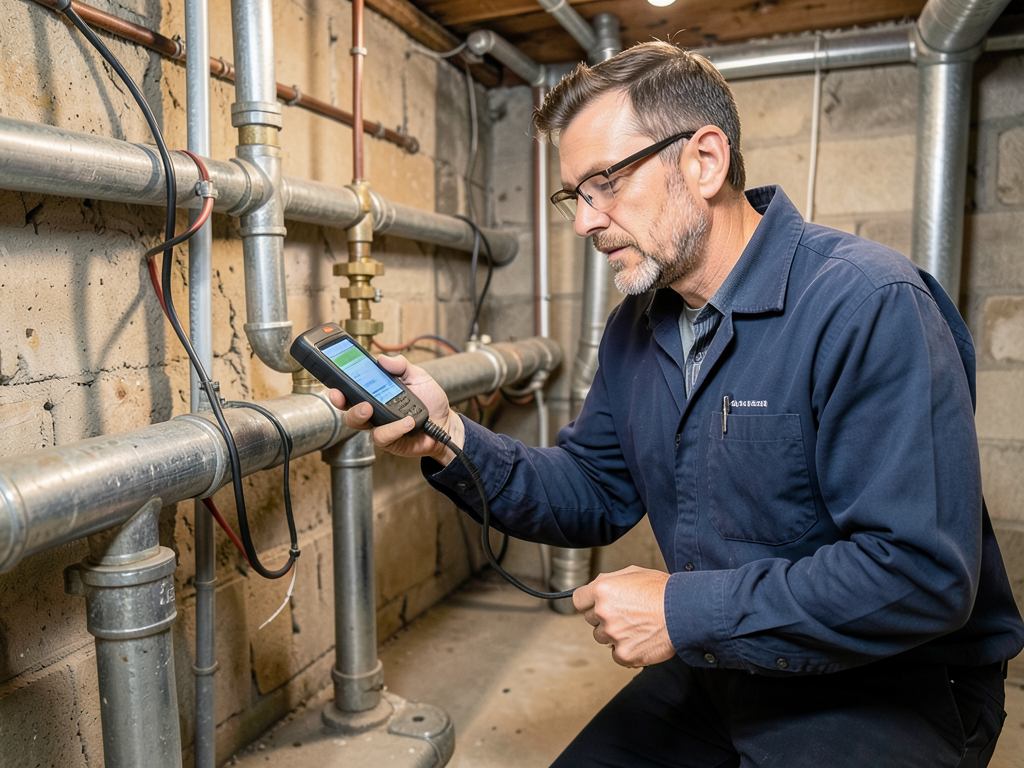
Who is Responsible for Plumbing Repairs in a Central District Rental Unit Living in a…
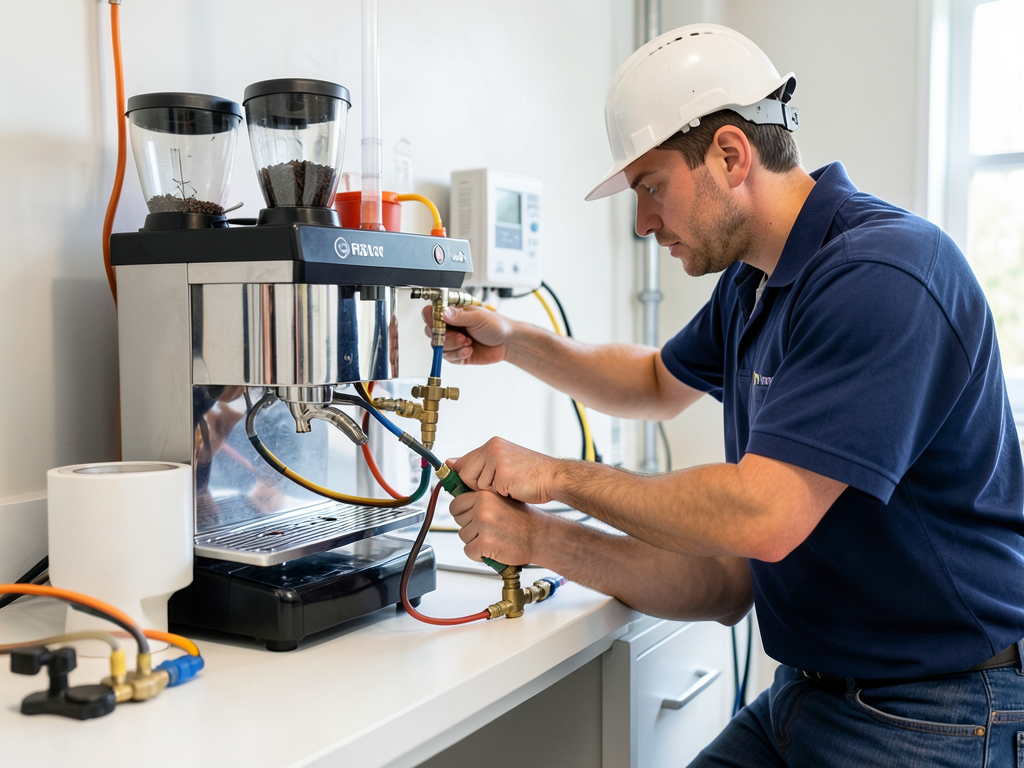
Why Your Maple Valley Home Office Needs Professional Plumbing Planning Adding a coffee station or…
Do not wait for small leaks to become big problems. Horizon Plumbing Seattle responds to SeaTac emergencies 24/7 and schedules routine service within 48 hours. Call (564) 220-5552 now to speak with our dispatch team and get your plumbing fixed right the first time.