




menu

Emergency Sewer Backup Cleanup in Seattle – Dispatched to Your Door in Under 90 Minutes

When raw sewage floods your home, every minute increases health risks and property damage. Horizon Plumbing Seattle provides immediate emergency sewer backup cleanup with 24/7 dispatch, hospital-grade disinfection, and complete contamination removal across King County.

Slider Image 1
Slider Image 2
Slider Image 3
Slider Image 4
Slider Image 5
Slider Image 7
Slider Image 8
Slider Image 9
Slider Image 10
Slider Image 11

Why Sewer Backups Hit Seattle Homes Without Warning

You walk into your bathroom and see it. Dark water pooling around the toilet. A smell you cannot ignore. Raw sewage backing up through your drains.

Seattle's aging sewer infrastructure and heavy rainfall create the perfect storm for sudden sewer backups. When Pacific storms dump inches of rain in hours, combined sewer systems in neighborhoods like Capitol Hill, Ballard, and Queen Anne become overwhelmed. Stormwater mixes with wastewater and forces sewage back through floor drains and toilets.

Tree roots from Seattle's mature Douglas firs and maples infiltrate underground sewer lines, creating blockages that build pressure until something gives. The city's hilly terrain adds gravity to the problem. Homes downslope from main sewer lines face increased risk when blockages occur upstream.

Raw sewage contains bacteria, viruses, and parasites that spread disease. The longer contaminated water sits in your home, the deeper it penetrates flooring, drywall, and subflooring. Within 24 hours, mold begins growing. Within 48 hours, structural damage accelerates.

You need urgent sewage removal services that respond now, not tomorrow. Emergency raw sewage extraction cannot wait for business hours. Every minute sewage remains in your home increases cleanup costs and health exposure. When you need 24 hour sewer overflow cleaning, you need technicians who understand Seattle's specific sewer system challenges and arrive equipped for immediate sewage spill mitigation.

This is not a problem you can handle alone. Professional rapid sewer backup restoration protects your family's health and your home's structural integrity.

Why Sewer Backups Hit Seattle Homes Without Warning
How Professional Emergency Sewer Cleanup Stops Contamination

How Professional Emergency Sewer Cleanup Stops Contamination

Effective emergency sewer backup cleanup requires more than extracting visible water. Raw sewage is Category 3 water damage, the most dangerous contamination level. Standard wet vacuums and household cleaners cannot eliminate the pathogens embedded in porous materials.

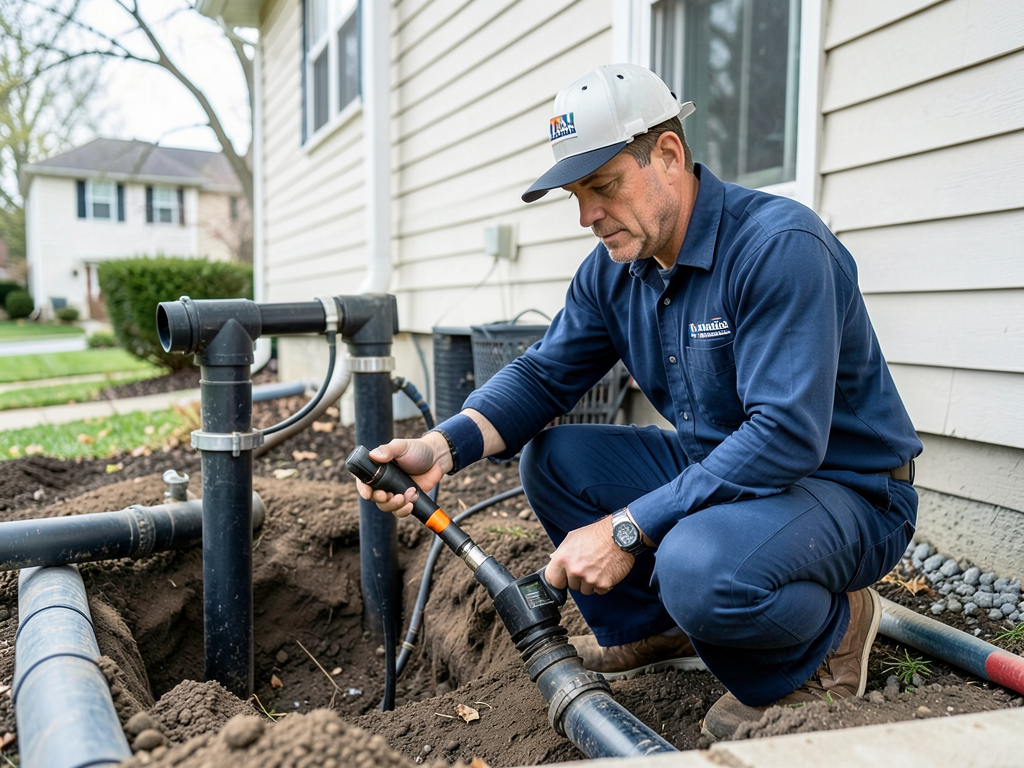
Our technicians arrive with truck-mounted extraction units capable of removing hundreds of gallons per hour. We do not just vacuum the surface. Submersible pumps remove standing sewage from basements and crawl spaces. High-velocity air movers create airflow patterns that draw moisture from wall cavities and subfloors.

After extraction, we apply EPA-registered antimicrobial treatments specifically formulated for sewage contamination. These hospital-grade disinfectants eliminate E. coli, salmonella, hepatitis A, and other pathogens that survive in sewage. We treat every surface the contaminated water touched, including areas you cannot see.

Moisture meters and thermal imaging cameras identify hidden saturation inside walls and under flooring. Sewage wicks through building materials through capillary action. If we do not find and dry these hidden pockets, mold growth is inevitable.

We document the entire process with photos and detailed notes. Insurance companies require specific documentation for sewage damage claims. We provide the evidence adjusters need to approve your claim without delays or disputes.

Our process follows IICRC S500 standards for water damage restoration and S520 standards for mold remediation. These are not suggestions. They are the industry protocols that separate proper sewage cleanup from surface-level cleaning that leaves contamination behind.

When we finish, your home does not just look clean. It is microbiologically safe. We can provide post-remediation verification testing if your insurance company or your peace of mind requires it.

What Happens When You Call for Emergency Sewage Cleanup

Emergency Sewer Backup Cleanup in Seattle – Dispatched to Your Door in Under 90 Minutes
01

Immediate Dispatch and Containment

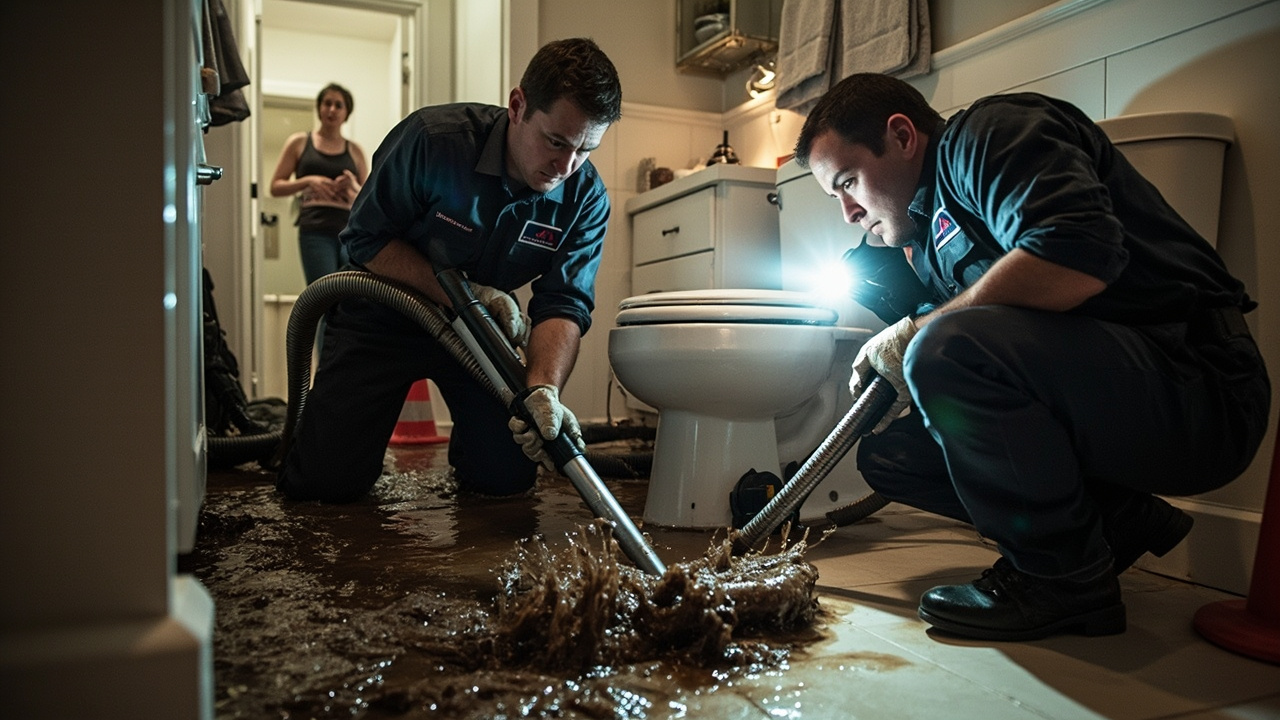
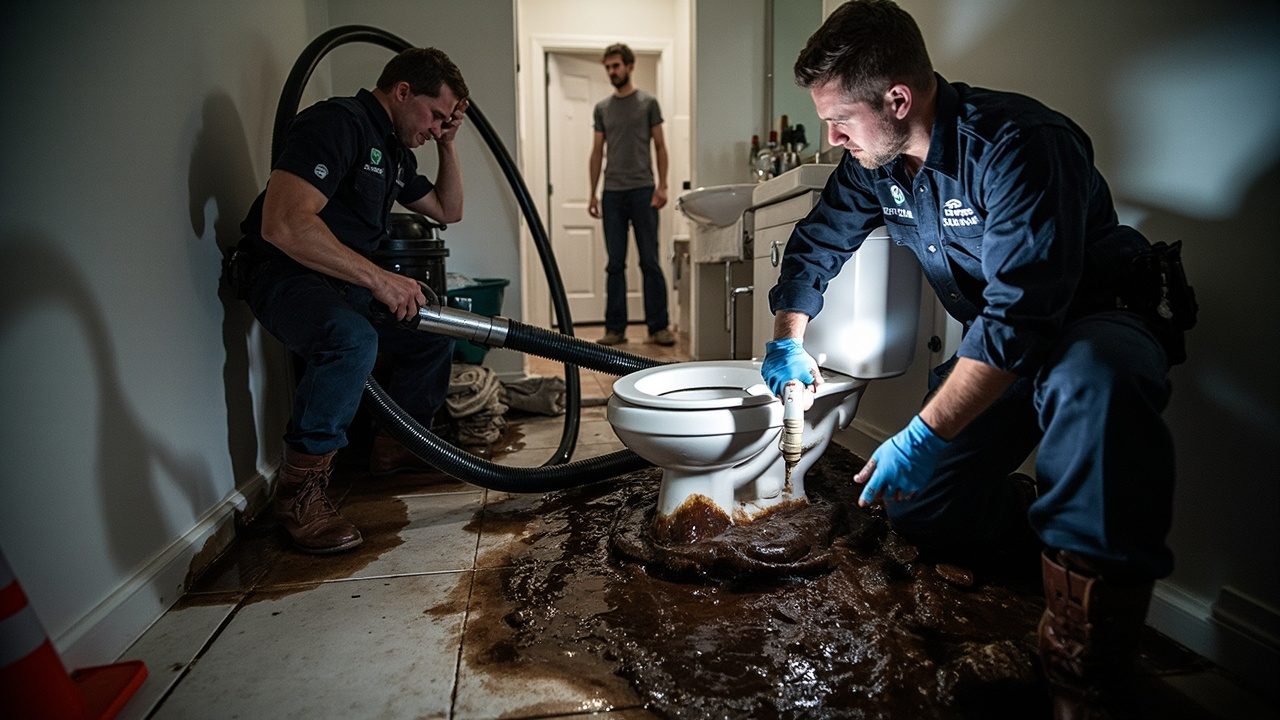
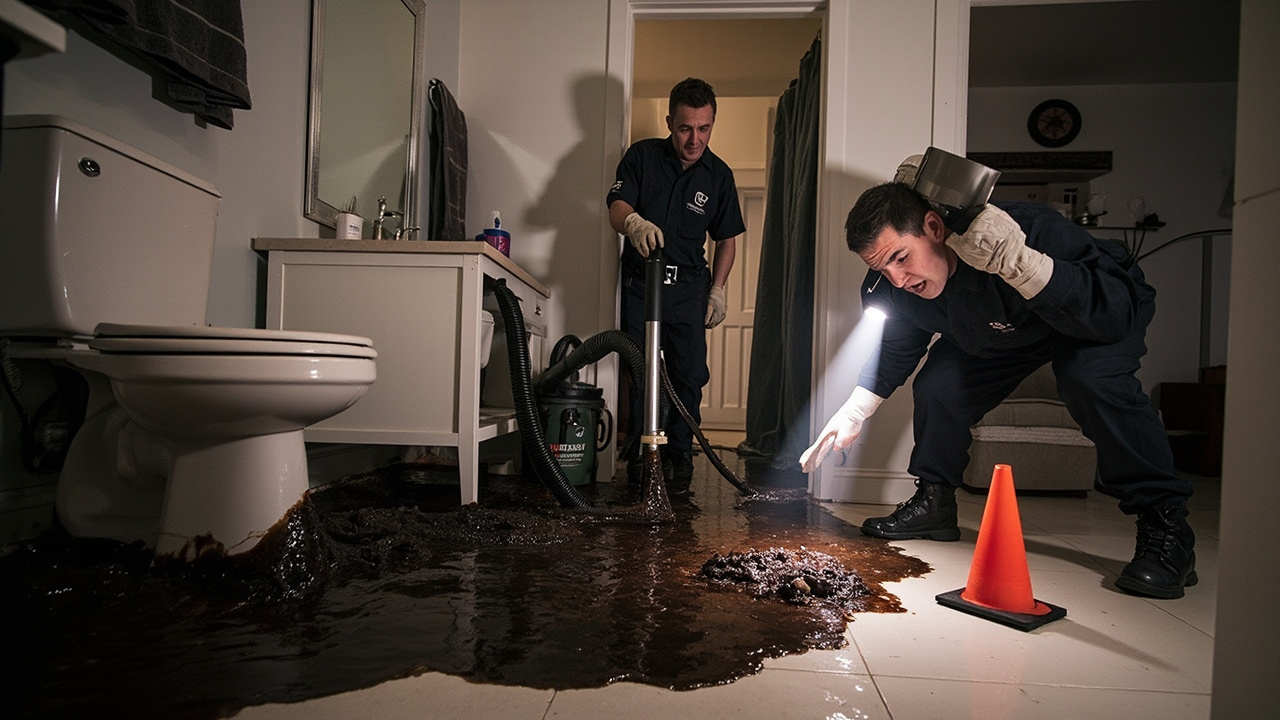
You call our emergency line and speak to a dispatcher who sends a crew immediately, not after gathering quotes. Our technicians arrive within 90 minutes across Seattle. They assess the contamination zone, shut off water sources if needed, and establish containment barriers using plastic sheeting to prevent sewage from spreading to unaffected areas. Portable air scrubbers with HEPA filters begin removing airborne contaminants and odors while extraction equipment is staged.
02

Complete Sewage Extraction

Truck-mounted pumps remove all standing sewage and contaminated water from floors, carpets, and basements. We extract water from inside wall cavities through small access holes. Affected contents like furniture and personal items are removed to a staging area for evaluation. Porous materials that cannot be properly disinfected, including drywall that wicked sewage above two feet and carpet padding, are removed and disposed of according to biohazard protocols required by King County regulations.
03

Disinfection and Structural Drying

After extraction, we apply antimicrobial treatments to all affected surfaces and materials. Commercial dehumidifiers and air movers run continuously, monitored with daily moisture readings until all materials reach dry standards. We document drying progress with moisture logs. Once structures are dry and disinfected, we provide a detailed report of all work completed, materials removed, and antimicrobial products used. You receive documentation ready for insurance submission and contractor estimates for reconstruction.

Why Seattle Homeowners Trust Us During Their Worst Plumbing Emergency

When raw sewage floods your home at 2 a.m., you do not have time to interview three contractors. You need a company that answers the phone, dispatches immediately, and handles the crisis correctly the first time.

Horizon Plumbing Seattle has responded to sewage emergencies across King County for years. We know which neighborhoods still have combined sewer systems. We understand how Seattle's drainage patterns affect homes in Greenwood, West Seattle, and the Central District differently. We have worked with every major property insurance carrier operating in Washington State.

Our trucks carry the equipment needed for complete sewage remediation, not just basic water extraction. We stock antimicrobial treatments, moisture meters, thermal cameras, air scrubbers, and dehumidifiers on every emergency response vehicle. We do not leave to get supplies while sewage sits in your home.

We work directly with your insurance company. Most homeowners have never filed a sewage damage claim. Adjusters ask specific questions about contamination categories, affected materials, and remediation protocols. We provide detailed documentation that answers these questions before they are asked. Our reports include photos, moisture logs, and itemized scopes of work that meet insurance requirements.

Seattle's Department of Construction and Inspections requires permits for significant sewage cleanup work that involves structural repairs. We handle permit applications and coordinate inspections so you do not navigate city bureaucracy during a crisis.

When sewage backs up into your home, you face health risks, property damage, and insurance complexity simultaneously. We handle the technical work while you focus on your family's safety. You get a team that has managed this exact emergency hundreds of times in Seattle homes just like yours.

What to Expect During Emergency Sewage Cleanup

Response Time and Availability

We dispatch emergency crews 24 hours a day, every day of the year. When you call our emergency line at 3 a.m. on Sunday or during a holiday, you reach a dispatcher who sends a crew immediately. Our goal is arrival within 90 minutes anywhere in Seattle, with faster response times in central neighborhoods. We do not make you wait until morning or the next business day. Sewage emergencies create health hazards that worsen every hour. Our trucks are staged across King County specifically to minimize response time when you have contaminated water in your living space.

Assessment and Documentation

Our first task on site is determining the contamination extent and documenting everything for your insurance claim. We photograph affected areas from multiple angles before beginning work. We use moisture meters to test walls, floors, and subflooring to map hidden saturation. Thermal imaging identifies temperature differentials that reveal water inside enclosed spaces. We create a written assessment that categorizes damage according to IICRC standards. This documentation becomes the foundation of your insurance claim. Most adjusters approve claims faster when they receive professional assessments that clearly define scope and justify recommended remediation procedures.

Cleanup Results and Standards

Professional sewage cleanup achieves specific drying standards, not just visual cleanliness. We dry structural materials to 15 percent moisture content or less, measured with calibrated meters. Antimicrobial treatments are applied according to manufacturer specifications for dwell time and dilution ratios. Air quality improves measurably as HEPA air scrubbers remove particulates and biological contaminants. You receive a completion report that documents final moisture readings, materials removed, disinfectants used, and equipment run times. This report proves to insurance adjusters and future home buyers that contamination was properly remediated according to industry standards.

Insurance Coordination and Claims

We work as your advocate with insurance companies throughout the claims process. After initial cleanup, we provide detailed estimates for reconstruction work that adjusters use to determine claim payouts. We explain the difference between covered emergency mitigation and non-covered maintenance issues. If your adjuster questions recommended procedures, we provide technical justification based on IICRC standards and contamination science. Many homeowners discover their policy covers emergency cleanup but not the underlying pipe repair. We clarify what your policy covers before you commit to additional work. Our documentation helps you receive fair claim settlements without disputes over scope or necessity.

Frequently Asked Questions

You Have Questions,
We Have Answers

How to clean up after a sewer backup? +

Stop using water immediately. Sewage contains dangerous pathogens that require professional extraction and disinfection. Do not attempt cleanup yourself. Contact a licensed Seattle plumber with 24/7 emergency response. Professionals use industrial pumps to remove wastewater, then sanitize all affected surfaces with EPA-approved antimicrobials. We document damage for insurance claims and inspect your main line with camera diagnostics to find the blockage source. Seattle's older clay pipes and heavy winter rains make backups common. Fast response prevents mold growth, which starts within 24 hours in our damp climate.

How much does sewage backup cleanup cost? +

Emergency sewer cleanup in Seattle typically ranges based on contamination severity and affected square footage. Factors include water volume extracted, structural damage, and whether contents require disposal. Most homeowners insurance policies cover sudden backups if you have sewer endorsement coverage. Seattle's aging infrastructure and tree root intrusion often complicate repairs. We work directly with adjusters to document losses and expedite claims. Call for a free assessment before cleanup begins. Delaying professional response increases damage and costs exponentially as bacteria spread and materials degrade.

What is considered a sewer emergency? +

Any sewage entering your home is an emergency. Raw wastewater contains E. coli, hepatitis, and other pathogens that threaten your family's health. Multiple drains backing up simultaneously, toilet overflow, or sewage surfacing in your yard signals main line failure. Seattle's heavy rainfall overwhelms aging combined sewer systems, causing sudden backups in lower-level homes. Do not wait. Exposure to sewage creates biohazard conditions requiring immediate professional intervention. Our crews respond 24/7 across the Seattle metro to contain contamination, extract wastewater, and restore safe conditions before structural damage worsens.

What to do if the sewer is backing up? +

Stop all water use immediately. Every flush or drain worsens the backup. Move family and pets away from contaminated areas. Call a licensed emergency plumber right now. Do not use chemical drain cleaners, which create toxic fumes when mixed with sewage. Seattle's tree-lined neighborhoods suffer frequent root intrusion into clay sewer laterals. Our technicians arrive fast with hydro-jetting equipment and camera inspection tools to clear blockages and diagnose the cause. We handle the dirty work while you document damage for insurance. Time matters. Sewage spreads bacteria rapidly through porous materials like drywall and subflooring.

How long do sewage bacteria last on surfaces? +

Sewage bacteria survive 7 to 90 days on surfaces depending on moisture and temperature. Seattle's mild, humid climate extends pathogen survival, especially in basements and crawl spaces. E. coli, salmonella, and parasites remain infectious long after visible sewage disappears. Surface wiping is insufficient. Professional decontamination uses hospital-grade antimicrobials and follows IICRC standards for Category 3 water damage. We treat all porous materials and monitor moisture levels to prevent bacterial regrowth. Do not risk your family's health with DIY cleanup. Contaminated materials often require removal and proper disposal to eliminate biohazard risks completely.

How to get rid of sewer smell after a backup? +

Sewer smell after backup indicates bacteria and organic matter trapped in drains, walls, or subflooring. Professional extraction and antimicrobial treatment eliminate odor at the source. Pouring bleach down drains masks smell temporarily but does not kill embedded bacteria. Seattle's damp basements absorb sewage odors deeply into concrete and wood framing. We use hydroxyl generators and thermal fogging to neutralize odors molecularly, not just cover them. Inspect your P-traps. Dried-out traps allow sewer gas infiltration. Persistent smell often signals hidden contamination behind walls or under flooring requiring professional remediation and moisture mapping.

Does homeowners insurance cover sewer back ups? +

Standard homeowners insurance excludes sewer backups unless you purchased separate sewer endorsement coverage. Review your policy immediately. Most Seattle insurers offer this rider for minimal added premium. Coverage typically includes cleanup, damaged contents, and structural repairs. Some policies cover main line repairs up to a limit. Document everything with photos and videos before cleanup begins. Keep all receipts. We work with adjusters daily and provide detailed reports supporting your claim. Seattle Public Utilities may cover backups caused by city main failures, but proving liability requires documentation. Call your agent and a professional simultaneously.

Why is my sewer bill 200 dollars? +

This question relates to billing disputes, not emergency cleanup. Seattle Public Utilities bases sewer charges on winter water consumption averages, assuming most water enters the sewer system. High bills often result from leaks, increased household size, or seasonal irrigation affecting your baseline calculation. Review your billing history for consumption spikes. SPU offers payment plans and low-income assistance programs. If you suspect a meter error, request a test. This differs from emergency backup situations requiring immediate plumber response. For billing questions, contact SPU customer service directly. For sewage backing into your home, call an emergency plumber immediately.

Can I clean my sewer line myself? +

No. DIY sewer line cleaning risks injury, property damage, and incomplete blockage removal. Seattle's older clay pipes crack easily when improper tools apply pressure. Tree roots, collapsed pipes, and grease blockages require professional hydro-jetting and camera diagnostics to clear safely. Rental snakes lack power for main line obstructions and push debris deeper, worsening backups. Licensed plumbers carry liability insurance protecting your property. We diagnose the root cause, not just symptoms. Seattle's complex terrain and aging infrastructure make professional assessment critical. Attempting repairs yourself voids potential insurance claims and delays proper remediation. Call professionals immediately.

Can I shower if my sewer is backed up? +

Absolutely not. Showering adds water to a blocked system, forcing sewage higher into your home through other drains and fixtures. Every gallon worsens contamination and property damage. Stop all water use immediately until professionals clear the blockage. Seattle homes often share main lines with neighbors in older developments. Your shower water may back up into adjacent units or your own toilet. Using any plumbing fixture during a backup spreads dangerous pathogens throughout your drainage system. Leave the house if sewage odors are strong. Call emergency plumbers now. We respond 24/7 to restore safe drainage before you resume normal water use.

How Seattle's Combined Sewer System Increases Backup Risk

Seattle operates combined sewer systems in older neighborhoods where a single pipe carries both sewage and stormwater. During heavy rainfall, these systems reach capacity and overflow, forcing sewage back through residential connections. The city has spent decades separating these systems, but neighborhoods like Ballard, Fremont, and parts of Capitol Hill still use combined infrastructure. When atmospheric rivers dump sustained rainfall, the risk of sewer backups spikes dramatically. Homes with basement floor drains or below-grade bathrooms face the highest risk because sewage follows gravity when main lines surcharge. Understanding your home's connection to Seattle's sewer system helps you recognize when emergency sewage removal services become necessary.

King County Health Department regulations classify sewage as a biohazard requiring specific handling and disposal procedures. Contractors performing sewage cleanup must follow protocols that protect both occupants and workers from pathogen exposure. Horizon Plumbing Seattle trains technicians in bloodborne pathogen safety and uses personal protective equipment during all sewage restoration work. We dispose of contaminated materials at facilities approved for biohazard waste. Our emergency response procedures align with Seattle and King County environmental health codes. When you hire local professionals who understand these regulations, you ensure your home is cleaned properly and legally, protecting your family and avoiding potential code violations that could complicate insurance claims or future home sales.

Plumbing Services in The Seattle Area

Horizon Plumbing Seattle proudly serves the entire Seattle metropolitan area and surrounding communities. We invite users to view our service area map to confirm that your home or business falls within our coverage zone, ensuring we can deliver fast, reliable service right to your doorstep. Our professional team is strategically located to offer prompt dispatch, whether you're in the heart of downtown or the outlying neighborhoods. Call us to confirm coverage and schedule your expert plumbing appointment today; we look forward to serving you with confidence and a warm welcome.

Address:
Horizon Plumbing Seattle, 1515 Dexter Ave N, Seattle, WA, 98109

Additional Services We Offer

Our news updates

Latest Articles & News from The Blogs

Is Your Garbage Disposal Safe for the Septic System at Your Rural King County Property? If you live in a…

Is Your Garbage Disposal Safe for the Septic System at Your Rural King County Property?

Is Your Garbage Disposal Safe for the Septic System at Your Rural King County Property? If you live in a…

Why You Should Consider a Pressure Reducing Valve for Your Phinney Ridge Home

Why You Should Consider a Pressure Reducing Valve for Your Phinney Ridge Home Living in Phinney Ridge means dealing with…

The Real Difference Between a Main Line Clog and a Simple Sink Drain Issue

The Real Difference Between a Main Line Clog and a Simple Sink Drain Issue \n\n Water backing up in your…

Contact Us

Raw sewage in your home is a health emergency. Do not wait. Call Horizon Plumbing Seattle now at (564) 220-5552. We dispatch crews immediately, 24 hours a day. Our emergency line is answered by real people who send help while you are still on the phone.