





menu

Water Stains on Ceiling or Walls in Seattle – Expert Diagnosis Stops Hidden Damage Before It Spreads

Horizon Plumbing Seattle identifies the exact water source behind ceiling discoloration, damp patches on walls, and brown spots before structural rot or mold takes hold in your home.

Slider Image 1
Slider Image 2
Slider Image 3
Slider Image 4
Slider Image 5
Slider Image 7
Slider Image 8
Slider Image 9
Slider Image 10
Slider Image 11

Why Seattle Homes Show Water Stains More Often Than You Think

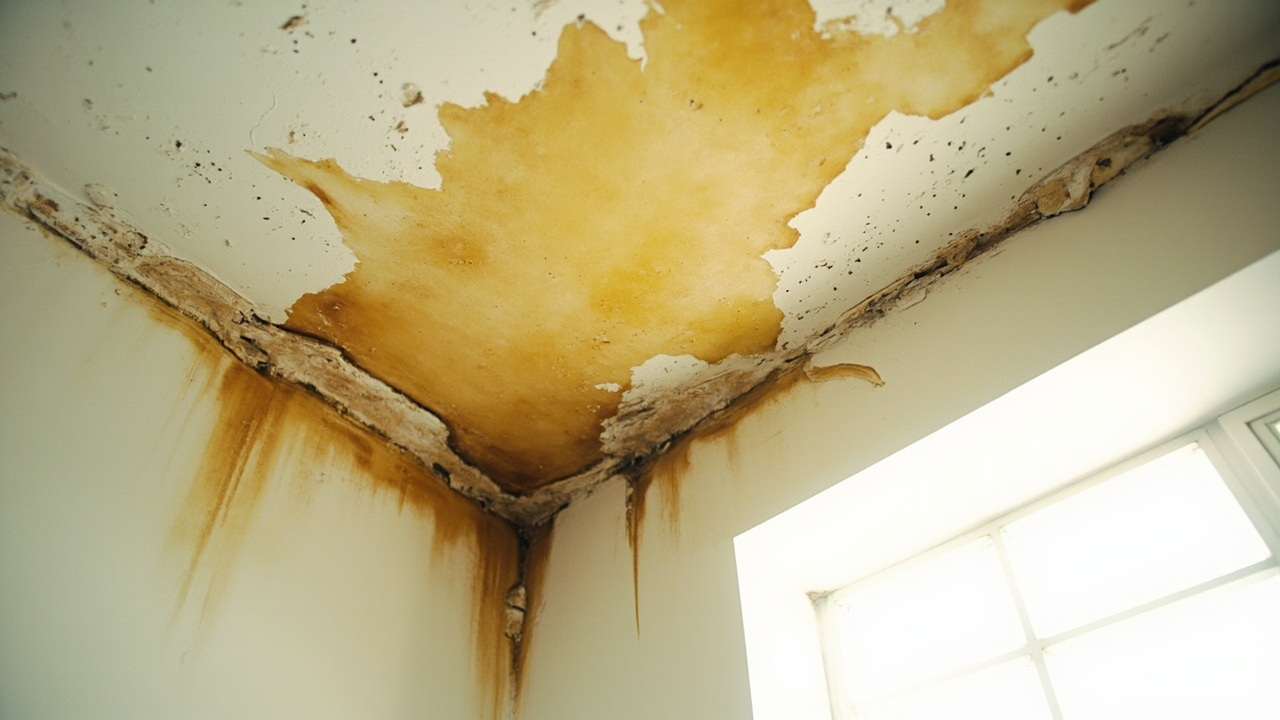
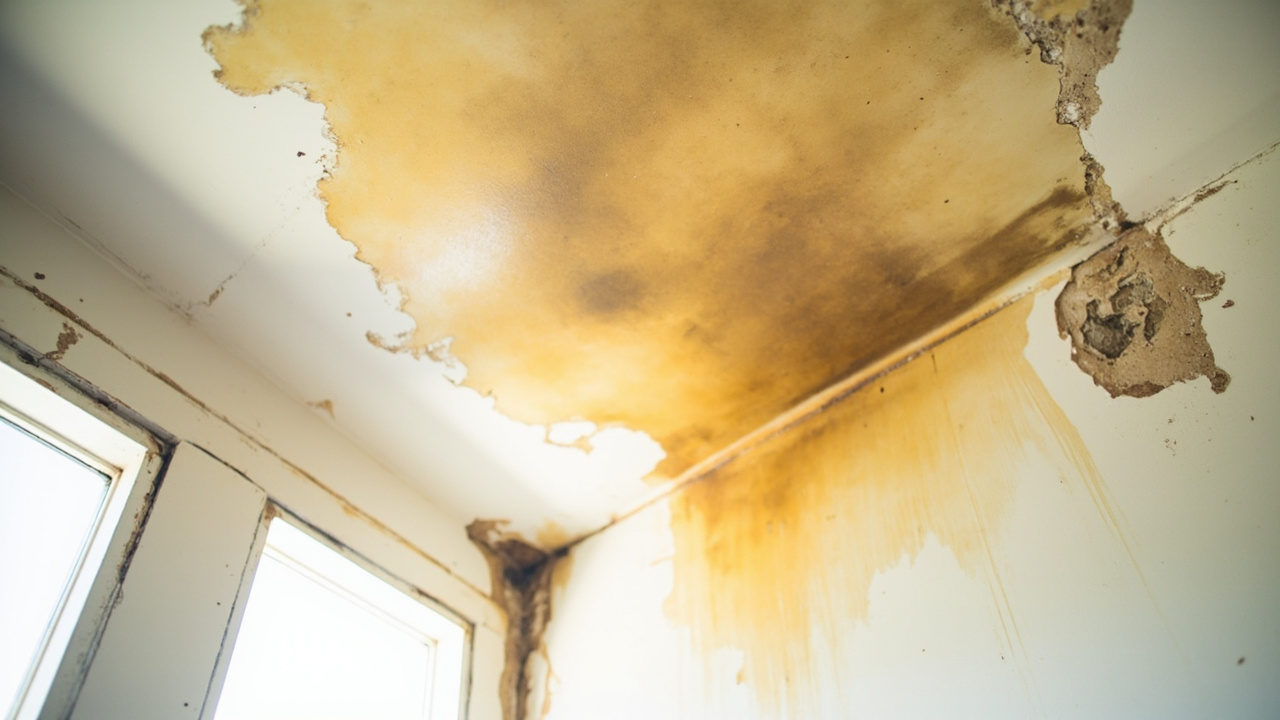
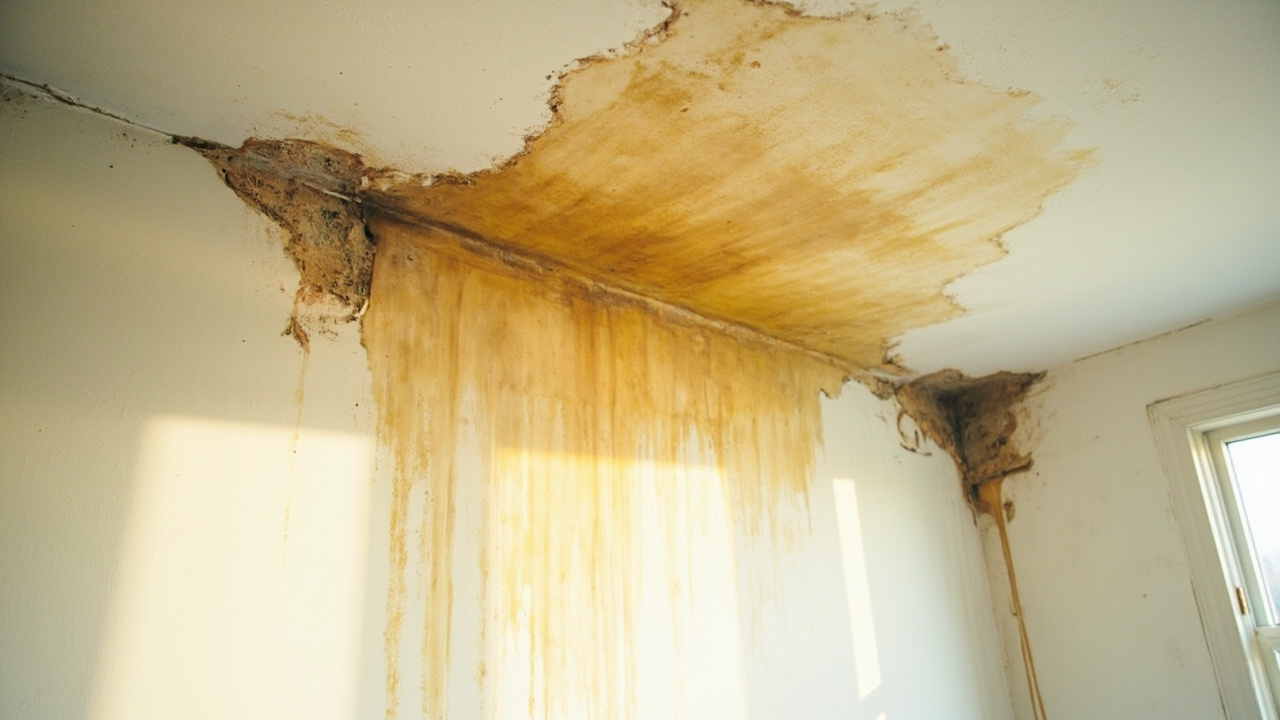
You notice yellow water marks creeping across your ceiling. Maybe a brown spot the size of a quarter appeared overnight near the bathroom. Or damp patches on walls that feel cool to the touch. These are not cosmetic issues. They are visible evidence that water is moving where it should not.

Seattle's persistent rain and high humidity create relentless pressure on older plumbing systems. Homes built before the 1990s often have galvanized supply lines corroding from the inside out. The freeze-thaw cycles we see during occasional cold snaps cause copper joints to weaken. Even newer homes are not immune. Poor flashing around chimneys, aging roof valleys, and inadequate attic ventilation trap moisture that migrates through insulation and appears as ceiling discoloration from leak activity above.

The problem is not always directly overhead. Water follows the path of least resistance. A slow drip from a second-floor toilet flange can travel along a joist and emerge three feet away. A pinhole leak in a supply line behind drywall can wick moisture through studs before surfacing as moisture stains on drywall in a completely different room.

Ignoring these signs invites mold growth, wood rot, and electrical hazards. The longer water sits inside wall cavities or above ceiling planes, the more expensive the repair becomes. What starts as a simple supply line replacement can escalate into framing repairs, drywall replacement, and mold remediation if you wait too long.

Why Seattle Homes Show Water Stains More Often Than You Think
How We Find the Real Source Behind Your Water Stains

How We Find the Real Source Behind Your Water Stains

You can see the stain. We find the leak. That distinction matters because painting over moisture stains on drywall without addressing the source guarantees the problem returns.

Our technicians start with a visual inspection of the affected area and the spaces directly above or adjacent to it. We look for active drips, condensation patterns, and corrosion on visible pipes. We check shut-off valves, supply lines, and fixture connections. If the source is not immediately obvious, we use moisture meters to map the wet zone inside walls and ceilings. This tells us where water is concentrated and which direction it traveled.

We inspect the attic space above stained ceilings. Roof leaks, vent boot failures, and improperly vented bathroom exhaust fans are common culprits. We check for condensation on cold water pipes that lack proper insulation. In multi-story homes, we trace plumbing risers and branch lines that serve fixtures on upper floors.

Once we identify the leak, we explain what failed and why. A corroded galvanized nipple behind a shower valve. A cracked wax ring under a toilet. A compression fitting that vibrated loose over time. You get a clear diagnosis and a repair plan that stops the water intrusion permanently.

We do not guess. We do not rely on surface-level observations. We trace the plumbing system methodically until we isolate the failure point. Only then do we propose a repair that addresses the root cause, not just the symptom.

What Happens When You Call About Ceiling or Wall Stains

Water Stains on Ceiling or Walls in Seattle – Expert Diagnosis Stops Hidden Damage Before It Spreads
01

Initial Assessment and Moisture Mapping

We arrive with moisture detection tools and inspect the stained area plus adjacent spaces. Our technician identifies the wet zone boundaries, checks for active leaks, and examines plumbing fixtures or roof penetrations above the damage. You get a clear explanation of what we found and where the water is coming from before we move forward.
02

Source Isolation and Repair

Once we pinpoint the leak, we access the failed component through the ceiling, wall, or attic. We replace corroded pipes, faulty fittings, or damaged fixtures using durable materials that match your existing plumbing system. All connections are pressure-tested to confirm the repair holds. We explain what caused the failure so you understand how to prevent it in the future.
03

Drying and Prevention Guidance

After the plumbing repair is complete, we confirm no moisture remains in the affected area using our meters. We advise on drying timelines and whether you need additional drywall or mold remediation work. You receive recommendations for monitoring other vulnerable areas in your home and guidance on when to call us back if similar issues appear elsewhere.

Why Seattle Homeowners Trust Us With Hidden Leak Diagnosis

You need a plumber who understands the specific challenges Seattle's climate and housing stock create. We work in homes from Capitol Hill to Ballard every day. We know the common failure points in homes built during different decades. Pre-war homes with cast iron drains. Post-war homes with galvanized supply lines. 1980s homes with polybutylene that is now failing. 2000s homes with PEX connections that were improperly crimped.

Our technicians carry thermal imaging cameras and moisture meters on every service call. These tools let us see inside walls without unnecessary demolition. We can trace hidden plumbing lines and identify wet insulation that would otherwise go unnoticed. This saves you money on drywall repair and gets you a faster, more accurate diagnosis.

We also understand Seattle's building codes and permit requirements. If your repair requires opening walls or ceilings, we know when a permit is necessary and how to handle the inspection process. We coordinate with your insurance company if the damage is covered under your policy. We document the failure with photos and written reports that support your claim.

Horizon Plumbing Seattle has built its reputation on transparency. We show you the problem before we fix it. We explain your options clearly. We never upsell unnecessary repairs or pressure you into upgrades you do not need. You get a fair price, honest communication, and a repair that lasts.

When water damage threatens your home, you need a plumber who can think diagnostically and act decisively. That is what we deliver.

What You Can Expect From Our Leak Detection Service

Response Time and Scheduling

Active leaks causing visible staining get priority scheduling. We typically arrive within hours for urgent situations where water is actively dripping or spreading. For older stains where the leak appears dormant, we schedule within one to two business days. You get a firm arrival window and a call when our technician is en route. We do not make you wait around all day wondering when we will show up.

Diagnostic Process and Technology

Our diagnostic process uses moisture meters, thermal imaging, and visual inspection of all plumbing components near the stain. We map moisture content inside walls and ceilings to trace water migration paths. You see the meter readings and thermal images on our tablet so you understand exactly where the problem is. We explain what caused the leak and how we will access it for repair before we start cutting into any surfaces.

Repair Quality and Materials

We use copper, PEX, or CPVC depending on what matches your existing system and local code requirements. All joints are soldered or crimped to manufacturer specifications. We pressure-test every repair to confirm it holds before we close up walls. You get a repair that stops the leak permanently, not a temporary patch that fails in six months. We clean up debris and leave the work area ready for drywall or painting.

Follow-Up and Monitoring Advice

After the repair, we provide guidance on drying timelines and when you can safely repaint or patch drywall. We explain what warning signs to watch for in other areas of your home where similar failures might occur. If you discover additional moisture issues within 30 days of our visit, we return to investigate at no additional diagnostic charge. You get ongoing support and advice, not just a one-time repair and goodbye.

Frequently Asked Questions

You Have Questions,
We Have Answers

Is a water stain on a ceiling serious? +

Yes, a water stain on your ceiling signals an active or past leak. The stain itself is cosmetic, but the moisture behind it can weaken drywall, rot framing, and breed mold. In Seattle, persistent rainfall and roof flashing failures make ceiling stains common. Ignoring them allows hidden damage to spread. You need a professional to trace the source. It could be a roof leak, plumbing failure, or condensation from poor attic ventilation. Do not just paint over the stain. The leak must be fixed first, or the stain will return and the damage will worsen.

How to tell if water is leaking behind a wall? +

Look for soft or bulging drywall, peeling paint, or bubbling wallpaper. You may notice a musty odor or visible mold growth along baseboards. In Seattle homes with older plumbing, listen for dripping sounds inside walls. Check for discoloration or rust stains near fixtures. Run water in sinks and showers, then inspect walls for dampness. Thermal imaging cameras can detect temperature differences caused by moisture. If you suspect a hidden leak, shut off the main water valve and call a plumber immediately. Delaying allows water to saturate insulation, warp studs, and create mold hazards.

Why do I have water spots on my ceiling but no leak? +

Water spots without an active leak often come from condensation, old leaks that self-sealed, or moisture migration from attic humidity. Seattle's damp climate causes condensation when warm indoor air meets cold roof decking. This drips onto insulation and stains ceilings. You may also see stains from past roof leaks that stopped after shingles shifted or debris washed away. Poor attic ventilation traps moisture. Even without a current drip, the stain indicates a moisture problem. Inspect your attic for wet insulation, check roof vents, and consider a humidity audit to prevent future issues.

What does a water leak look like on a ceiling? +

A ceiling water leak starts as a small discolored patch, usually brown or yellow. As moisture spreads, the stain grows in concentric rings. You may see the drywall sag or bubble. Fresh leaks feel damp to the touch. In Seattle, roof leaks often appear near chimneys, skylights, or valley flashing. Active leaks drip or leave puddles. Old leaks dry into crisp, darkened stains. Peeling paint or visible mold around the stain confirms prolonged moisture exposure. If the ceiling feels soft or bows downward, the drywall is saturated and may collapse.

How Seattle's Rain and Aging Housing Stock Accelerate Water Stain Problems

Seattle receives an average of 150 days of measurable precipitation per year. This constant moisture exposure stresses both roof systems and plumbing infrastructure. Homes in neighborhoods like Queen Anne, Fremont, and Wallingford often have original plumbing from the 1920s through 1950s. Galvanized pipes corrode internally, creating pinhole leaks that seep into wall cavities for months before stains appear. The combination of persistent exterior moisture and aging interior plumbing creates a higher baseline risk for hidden leaks that manifest as ceiling discoloration or damp patches on walls.

Local building codes in Seattle have evolved significantly over the past few decades, especially regarding plumbing venting and moisture control. Homes built before modern code updates often lack proper attic ventilation, creating condensation that mimics plumbing leaks. Our technicians understand these code changes and can differentiate between condensation issues and actual supply or drain line failures. This local expertise prevents misdiagnosis and ensures you get the right repair the first time. We also understand Seattle's permit requirements for plumbing work that involves opening walls or ceilings, keeping your repair compliant and properly documented.

Plumbing Services in The Seattle Area

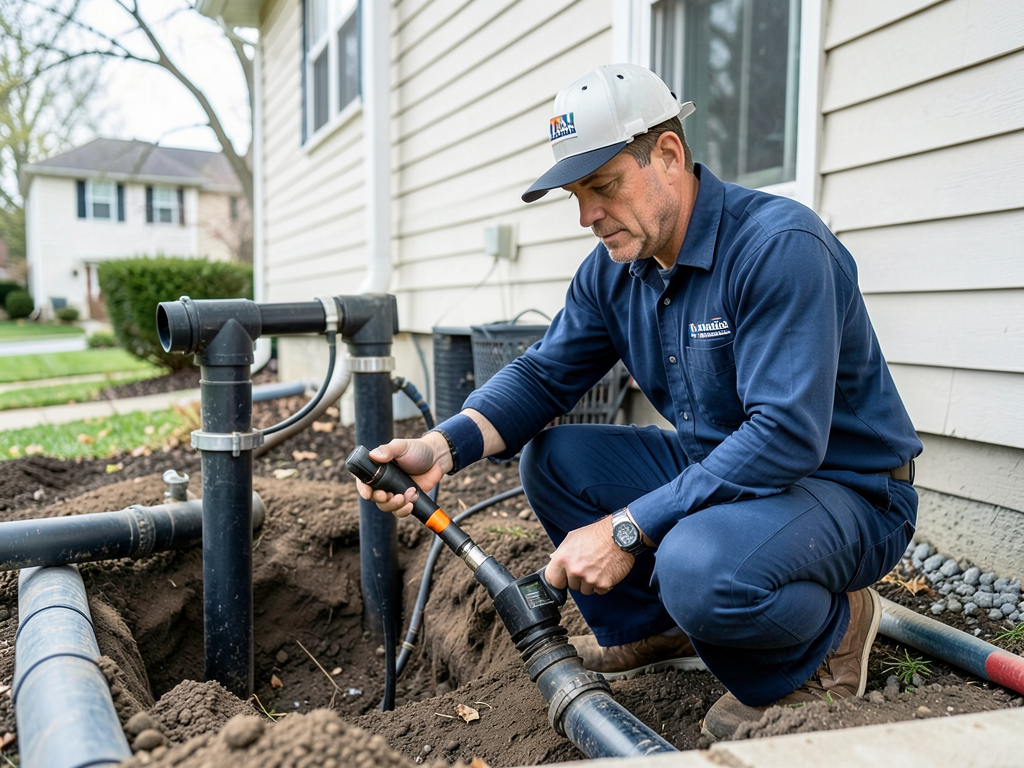
Horizon Plumbing Seattle proudly serves the entire Seattle metropolitan area and surrounding communities. We invite users to view our service area map to confirm that your home or business falls within our coverage zone, ensuring we can deliver fast, reliable service right to your doorstep. Our professional team is strategically located to offer prompt dispatch, whether you're in the heart of downtown or the outlying neighborhoods. Call us to confirm coverage and schedule your expert plumbing appointment today; we look forward to serving you with confidence and a warm welcome.

Address:
Horizon Plumbing Seattle, 1515 Dexter Ave N, Seattle, WA, 98109

Additional Services We Offer

Our news updates

Latest Articles & News from The Blogs

Is Your Garbage Disposal Safe for the Septic System at Your Rural King County Property? If you live in a…

Is Your Garbage Disposal Safe for the Septic System at Your Rural King County Property?

Is Your Garbage Disposal Safe for the Septic System at Your Rural King County Property? If you live in a…

Why You Should Consider a Pressure Reducing Valve for Your Phinney Ridge Home

Why You Should Consider a Pressure Reducing Valve for Your Phinney Ridge Home Living in Phinney Ridge means dealing with…

The Real Difference Between a Main Line Clog and a Simple Sink Drain Issue

The Real Difference Between a Main Line Clog and a Simple Sink Drain Issue \n\n Water backing up in your…

Contact Us

Water stains do not fix themselves. Call Horizon Plumbing Seattle at (564) 220-5552 today for fast diagnosis and permanent repair. We identify the source, stop the leak, and give you a clear path forward. Do not wait until mold or rot forces a bigger repair bill.