




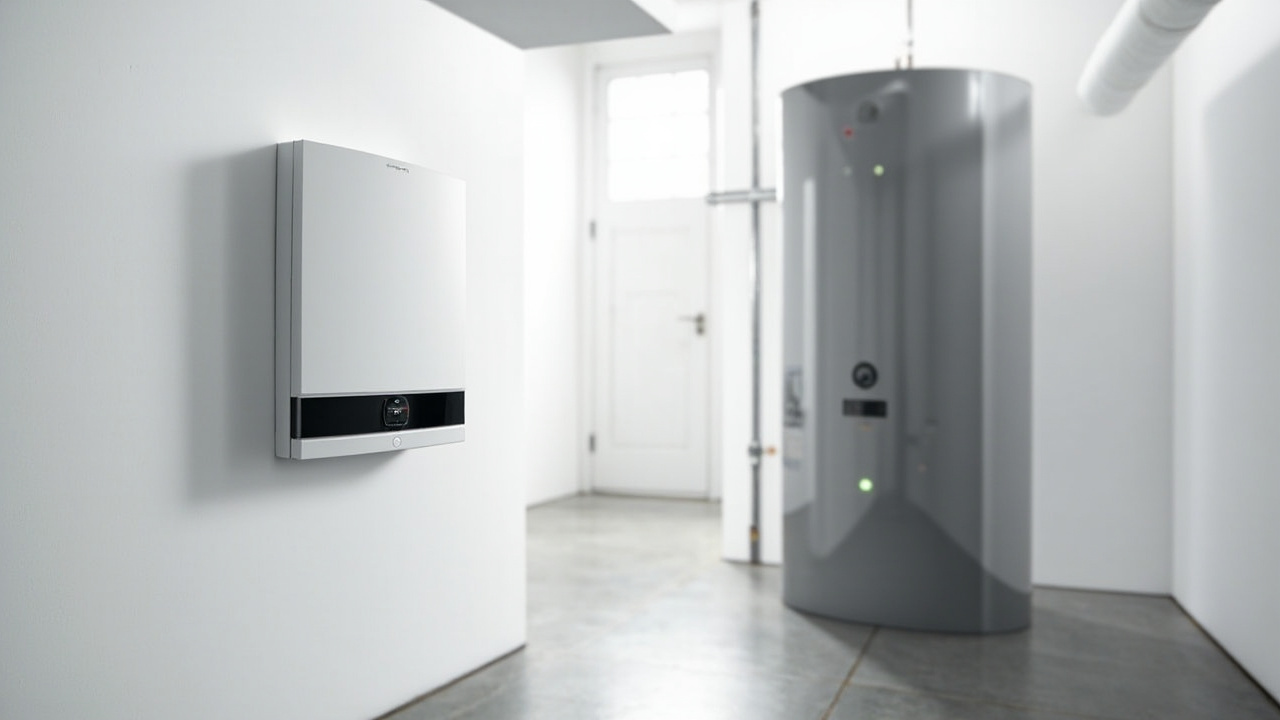
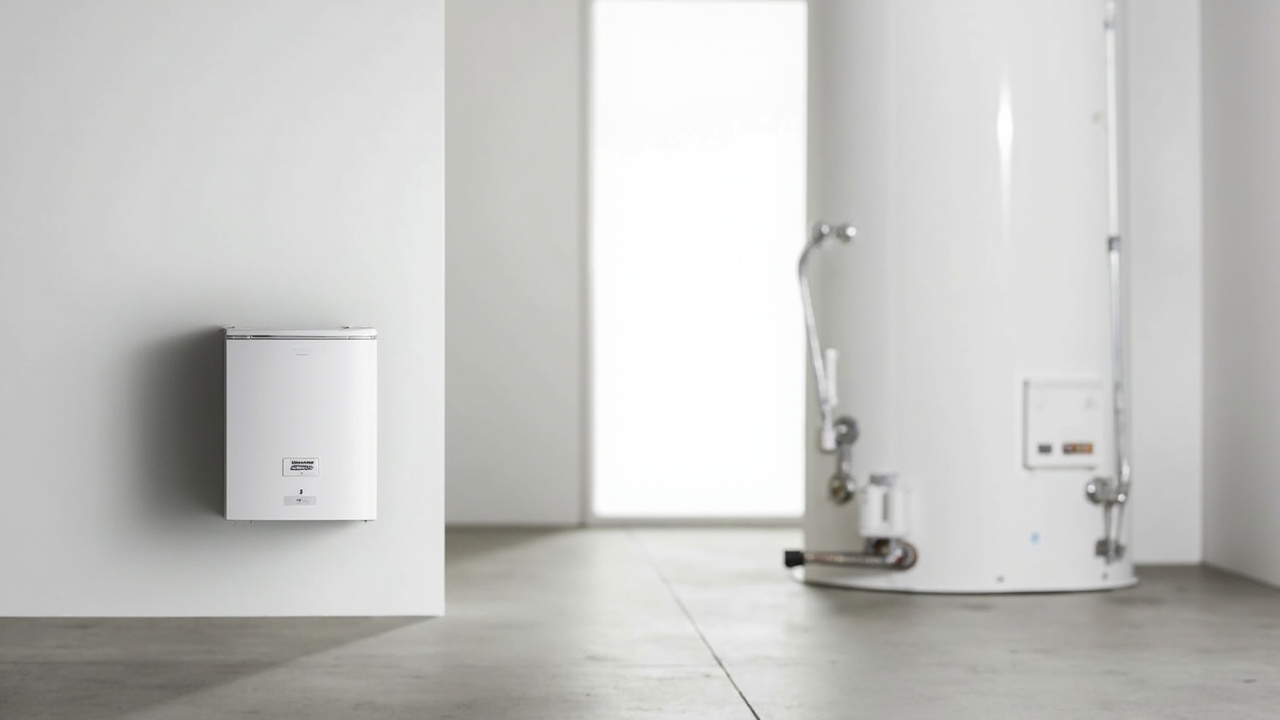
Seattle's inlet water temperature drops to 45 degrees during winter months, requiring 85 to 95 degrees of temperature rise to reach comfortable shower temperature. This creates higher energy demand than warmer climates where inlet water remains above 60 degrees year-round. Tankless units must work harder to achieve this temperature rise, which reduces their efficiency advantage over storage tanks. The energy required to heat water represents the largest variable cost for either technology, and Seattle's cold supply water means both systems consume more energy than the same models installed in Portland, Phoenix, or San Diego. This affects payback periods and total cost of ownership calculations. Local climate realities matter more than manufacturer efficiency ratings when comparing operating costs.
Seattle's combination of moderate natural gas rates and relatively high electricity costs creates a specific economic landscape for water heater technology. Puget Sound Energy and Seattle City Light rate structures favor gas-fired systems over electric models for most residential applications. However, all-electric homes face different calculations when comparing electric tankless versus high-efficiency heat pump storage tanks. Horizon Plumbing Seattle understands these local utility rate structures and helps you model actual operating costs based on your specific energy provider and rate schedule. We also navigate Seattle's energy efficiency incentive programs that can offset installation costs for qualifying high-efficiency systems, making the economics more favorable for technology upgrades.