





menu

Commercial Plumbing Contractors in Seattle | Industrial-Grade Systems That Keep Your Business Running

Horizon Plumbing Seattle delivers commercial plumbing services engineered for high-capacity demands, code compliance, and minimal operational disruption across Seattle's industrial and commercial facilities.

Slider Image 1
Slider Image 2
Slider Image 3
Slider Image 4
Slider Image 5
Slider Image 7
Slider Image 8
Slider Image 9
Slider Image 10
Slider Image 11

Seattle's Commercial Infrastructure Demands Purpose-Built Plumbing Systems

Your facility's plumbing infrastructure is not residential plumbing scaled up. Commercial buildings in Seattle face unique stressors that residential systems never encounter. High-rise office towers in the downtown core require pressure-boosting systems to move water 40 stories up. Manufacturing plants in Georgetown demand industrial-grade waste handling for chemical processes. Multi-tenant retail complexes along the waterfront need zone-isolated shut-off capabilities so one tenant's emergency does not close the entire building.

Seattle's marine climate adds corrosion pressure to these systems. Salt-laden air accelerates pipe degradation in exposed rooftop installations. The seismic requirements in Washington State building codes mandate flexible connections and reinforced mounting for all commercial plumbing fixtures. A burst pipe in a commercial kitchen does not just flood one room. It contaminates prep areas, triggers health department inspections, and forces immediate closure until remediation clears.

Commercial plumbing contractors must account for occupancy loads that residential plumbers never see. A single office floor might house 200 employees using restrooms simultaneously during shift changes. Hotels near Pike Place Market cycle through hundreds of guests daily, each generating hot water demand that stresses boiler capacity. Industrial plumbing contractors working in food processing facilities must install backflow preventers that meet FDA sanitation standards, not just local plumbing codes.

Downtime is revenue loss. Every hour your restaurant cannot serve customers or your warehouse cannot ship orders translates directly to profit erosion. Commercial plumbing services must be deployed rapidly and executed without extending the closure window. You need commercial plumbing firms that maintain inventory for commercial-grade components and staff crews sized for large-scale installations.

Seattle's Commercial Infrastructure Demands Purpose-Built Plumbing Systems
How Commercial Plumbing Companies Engineer Continuity Into Your Infrastructure

How Commercial Plumbing Companies Engineer Continuity Into Your Infrastructure

Commercial plumbing work starts with load calculation, not guesswork. We measure fixture unit counts across your entire facility to size supply lines that maintain adequate pressure during peak demand. A 12-story office building requires different riser sizing than a sprawling single-story warehouse, even if total square footage is identical. We calculate static head pressure loss at each floor and spec pumps that compensate without over-pressurizing lower levels.

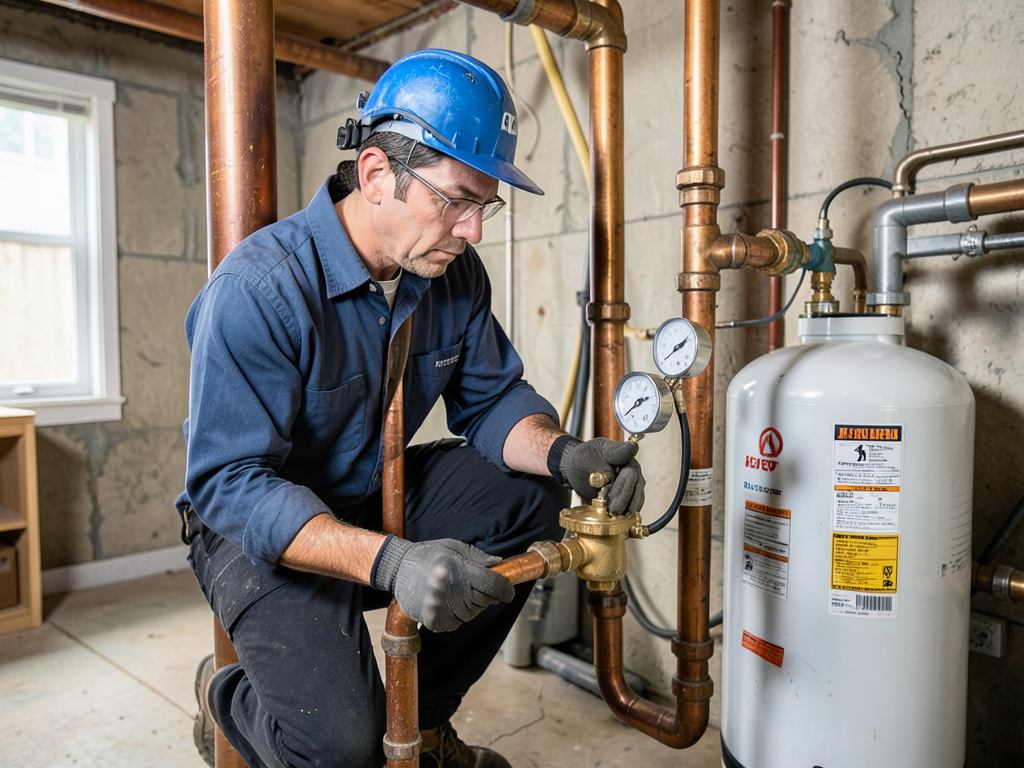
Redundancy planning separates functional commercial systems from fragile ones. Critical facilities like medical clinics or data centers cannot tolerate hot water interruptions during maintenance. We install dual water heaters with isolation valves so one unit can be serviced while the other carries the load. Zone valving allows us to isolate problems to a single floor or tenant space without shutting down your entire building. This containment strategy minimizes business disruption during both routine maintenance and emergency repairs.

Material selection for commercial applications differs fundamentally from residential work. We use Schedule 40 PVC for drainage in corrosive environments where cast iron would pit within five years. Stainless steel fixtures in commercial kitchens resist the thermal shock of constant hot water cycling. Expansion tanks sized for commercial water heaters prevent pressure surges that blow relief valves in residential-grade equipment.

Code compliance documentation is non-negotiable for commercial work. Seattle requires backflow preventer testing annually for any building connected to the city water supply. We maintain certification records, coordinate testing schedules, and file reports with Seattle Public Utilities so you avoid compliance penalties. Commercial plumbers must pull permits for any work involving supply lines, drainage modifications, or gas connections. We handle the permitting process and schedule inspections so your project stays on the legal timeline.

How Commercial Facilities Get Plumbing Systems That Support Operations

Commercial Plumbing Contractors in Seattle | Industrial-Grade Systems That Keep Your Business Running
01

Facility Assessment and Load Analysis

We map your entire plumbing infrastructure, document fixture counts, measure flow rates, and calculate peak demand periods. This assessment identifies undersized lines, corrosion risks, and code violations before they become emergencies. For multi-tenant buildings, we trace supply routing to determine which spaces share common risers. Industrial facilities get chemical compatibility reviews to ensure drainage materials can handle your process waste streams without degradation.
02

Staged Installation and Testing

Commercial projects are executed in phases that align with your operational schedule. Night shifts handle work in occupied office buildings. Weekend installations serve retail spaces that cannot close during business hours. Each phase includes pressure testing and flow verification before we move to the next zone. We coordinate with your facilities manager to sequence work around tenant needs, deliveries, and peak occupancy periods. Temporary bypass lines keep critical systems operational during major retrofits.
03

Documentation and Maintenance Planning

You receive as-built drawings showing every valve location, shut-off point, and access panel in your updated system. We create maintenance schedules tailored to your facility type, flagging annual backflow tests, quarterly drain cleanings, and biannual water heater inspections. Commercial buildings need documented maintenance to satisfy insurance requirements and protect property values. We deliver compliance folders that include permit records, inspection sign-offs, and material certifications your auditors will request during facility reviews.

Why Seattle Businesses Trust Local Commercial Plumbing Expertise

Seattle's building codes are more stringent than the Uniform Plumbing Code minimum. Washington State requires seismic bracing on water heaters and pressure vessels due to Cascadia Subduction Zone risk. Commercial buildings must install earthquake shut-off valves on gas lines feeding boilers and kitchen equipment. Out-of-area contractors unfamiliar with these requirements install systems that fail inspection, delaying your certificate of occupancy and extending project timelines.

Local commercial plumbing companies understand Seattle Public Utilities requirements for cross-connection control. Any facility with irrigation systems, fire suppression, or industrial process water must install testable backflow preventers at the meter. SPU maintains a list of certified testers, and we are on it. We handle the testing, submit the required paperwork, and keep your facility compliant so you avoid the $500 daily fines for expired backflow certifications.

The Puget Sound region's water chemistry creates unique maintenance challenges. Seattle's water is relatively soft compared to other Western cities, but it still deposits mineral scale in commercial water heaters operating above 140 degrees. We flush commercial water heaters on schedules calibrated to Seattle's water hardness to prevent sediment buildup that kills heating elements. Coastal proximity means saltwater intrusion affects some older industrial buildings near Elliott Bay. We identify galvanic corrosion in mixed-metal installations before it causes pipe failure.

Relationships with local suppliers get your project back online faster. When a commercial kitchen loses hot water on a Friday, we source replacement commercial water heaters from Seattle distributors within hours. National chains wait for Monday deliveries from regional warehouses. We maintain standing accounts with commercial plumbing suppliers who stock commercial-grade components, not residential substitutes that fail under commercial loads.

What Your Facility Gets with Professional Commercial Plumbing Services

Rapid Mobilization for Business-Critical Issues

Commercial emergencies get priority dispatch because we understand the financial impact of downtime. A flooded retail space loses a full day of revenue for every hour the shop stays closed. We maintain crews sized for commercial projects, not residential service calls stretched to fit commercial needs. Our trucks stock commercial-grade parts like flushometer repair kits, commercial faucet cartridges, and heavy-duty shut-off valves. For planned projects, we provide detailed timelines that account for permitting, inspection scheduling, and your operational constraints so you can plan around the work instead of reacting to delays.

Comprehensive System Evaluation

Initial consultations for commercial work involve facility walkthroughs, not quick estimates. We inspect mechanical rooms, trace supply routing, photograph existing conditions, and review any available as-built drawings. For older buildings, we use drain cameras to assess underground line condition before recommending repair versus replacement strategies. You get written assessments that break down immediate needs versus deferred maintenance items, allowing you to budget capital improvements over multiple fiscal years. Our evaluations identify code violations that could trigger red tags during tenant improvement inspections, giving you time to remediate before problems delay permits.

Commercial-Grade Installation Standards

Finished installations meet or exceed manufacturer specifications for commercial applications. We install water heaters on code-compliant drip pans with drainage to approved discharge points. Gas connections use commercial-grade flexible connectors rated for the seismic movement Seattle codes require. All work is pressure-tested and flow-verified before we consider the job complete. You get systems engineered for the duty cycle your facility demands, not residential components forced into commercial service. Our installations pass inspection on the first attempt because we know what Seattle inspectors look for in commercial plumbing work.

Ongoing Maintenance and Compliance Support

Commercial facilities need scheduled maintenance to avoid emergency failures during business hours. We create custom maintenance plans that include quarterly drain cleaning for high-volume kitchens, annual backflow testing for buildings with fire suppression systems, and biannual water heater flushing for hospitality properties. You receive advance notice before maintenance visits and detailed service reports after each visit documenting work performed and conditions observed. For multi-location businesses, we coordinate maintenance across all your Seattle-area properties on a unified schedule so you deal with one point of contact instead of managing multiple service relationships.

Frequently Asked Questions

You Have Questions,
We Have Answers

How much does a commercial plumber charge? +

Commercial plumbers in Seattle charge $95 to $200 per hour depending on project complexity and scope. Large multi-tenant buildings, industrial facilities, and medical complexes command higher rates due to code compliance requirements and specialized systems. Emergency service rates run 1.5 to 2 times standard hourly fees. Project-based pricing is common for new construction, tenant improvements, and system retrofits. Your total cost depends on system size, accessibility, permit requirements, and whether work occurs during business hours. Seattle's strict plumbing codes and seismic retrofit mandates often increase labor time compared to simpler jurisdictions.

What is the highest paid type of plumber? +

Industrial pipefitters and commercial service plumbers working on complex mechanical systems earn the highest wages. In Seattle, plumbers specializing in medical gas systems, large-scale hydronic heating, and high-rise plumbing command premium rates. Master plumbers managing commercial projects or running their own contracting businesses typically earn $85,000 to $130,000 annually. Union journeymen in the Puget Sound region working on prevailing wage projects often exceed $60 per hour. Specialization in backflow prevention, grease interceptors, or seismic gas shutoff systems increases earning potential significantly.

Can a plumber make $100,000 a year? +

Yes. Commercial plumbers in Seattle frequently exceed $100,000 annually, particularly those with master licenses managing large projects or operating their own businesses. Union journeymen working consistent hours on prevailing wage projects reach six figures through base pay plus benefits. The Seattle metro area's robust construction market, high cost of living adjustments, and demand for skilled tradespeople support these wages. Plumbers specializing in medical facilities, industrial plants, or high-rise buildings earn even more. Overtime, emergency callouts, and project bonuses push many experienced commercial plumbers well above the $100,000 threshold.

Do commercial plumbers make more than residential plumbers? +

Yes. Commercial plumbers consistently earn 15 to 30 percent more than residential plumbers in Seattle. Commercial work requires broader code knowledge, experience with complex mechanical systems, and ability to coordinate with general contractors and engineers. Projects involve higher liability, larger pipe sizes, and specialized equipment like backflow preventers and RPZ valves. Commercial plumbers also work more consistent hours on long-term projects rather than scattered service calls. The Seattle commercial construction market and union scale wages further widen the pay gap. Benefits packages for commercial plumbers typically include better health insurance and retirement contributions.

How Seattle's Infrastructure Age and Building Density Impact Commercial Plumbing Contractors

Seattle's commercial building stock spans 120 years of construction methods. Pioneer Square properties built on filled tidelands sit below the current water table, creating constant groundwater infiltration pressure on basement drainage systems. Mid-century office towers downtown used galvanized steel supply lines now corroded to half their original diameter, starving upper floors of adequate water pressure. Newer construction in South Lake Union packs high-density mixed-use buildings onto small lots, requiring creative routing for supply and waste lines that must navigate tight mechanical spaces. Commercial plumbing contractors must adapt approaches to each building era's unique infrastructure challenges.

Seattle requires commercial plumbing firms to carry city business licenses and maintain current Washington State contractor registrations. All commercial plumbing work over $1,000 requires permits from the Seattle Department of Construction and Inspections. Industrial plumbing contractors working on facilities that discharge process water must coordinate with King County Wastewater Treatment Division for industrial discharge permits. Local expertise matters because Seattle's inspection standards are stricter than surrounding jurisdictions. We maintain relationships with SDCI inspectors who know our work meets code, streamlining the approval process so your project does not stall waiting for re-inspections.
Plumbing Services in The Seattle Area

Horizon Plumbing Seattle proudly serves the entire Seattle metropolitan area and surrounding communities. We invite users to view our service area map to confirm that your home or business falls within our coverage zone, ensuring we can deliver fast, reliable service right to your doorstep. Our professional team is strategically located to offer prompt dispatch, whether you're in the heart of downtown or the outlying neighborhoods. Call us to confirm coverage and schedule your expert plumbing appointment today; we look forward to serving you with confidence and a warm welcome.

Address:
Horizon Plumbing Seattle, 1515 Dexter Ave N, Seattle, WA, 98109

Additional Services We Offer

Our news updates

Latest Articles & News from The Blogs

Is Your Garbage Disposal Safe for the Septic System at Your Rural King County Property? If you live in a…

Is Your Garbage Disposal Safe for the Septic System at Your Rural King County Property?

Is Your Garbage Disposal Safe for the Septic System at Your Rural King County Property? If you live in a…

Why You Should Consider a Pressure Reducing Valve for Your Phinney Ridge Home

Why You Should Consider a Pressure Reducing Valve for Your Phinney Ridge Home Living in Phinney Ridge means dealing with…

The Real Difference Between a Main Line Clog and a Simple Sink Drain Issue

The Real Difference Between a Main Line Clog and a Simple Sink Drain Issue \n\n Water backing up in your…

Contact Us

Call Horizon Plumbing Seattle at (564) 220-5552 for commercial plumbing services that minimize downtime and maintain compliance. We dispatch commercial crews ready to handle your facility's capacity requirements.