





menu

PEX vs. Copper Piping Guide in Seattle – Make the Right Choice for Your Home's Plumbing System

Understanding the difference between PEX and copper pipes helps Seattle homeowners avoid costly mistakes and choose the right material for Pacific Northwest climate conditions and water chemistry.

Slider Image 1
Slider Image 2
Slider Image 3
Slider Image 4
Slider Image 5
Slider Image 7
Slider Image 8
Slider Image 9
Slider Image 10
Slider Image 11

The Real Difference Between PEX and Copper Plumbing in Seattle Homes

Seattle's soft, acidic water creates specific challenges that make the PEX vs copper comparison more than just a price debate. The pH level in water delivered by Seattle Public Utilities typically ranges from 7.2 to 8.2, but localized conditions in older neighborhoods can create slightly acidic environments that accelerate copper corrosion over time. This matters when you are deciding between cross-linked polyethylene vs copper tubing for a remodel or repipe project.

Copper pipes have served Pacific Northwest homes for decades. They resist UV damage, tolerate high temperatures, and provide a proven track record in earthquake-prone regions like ours. The rigid structure performs well during ground movement, and copper's antimicrobial properties prevent bacterial growth in water lines. You will find copper in most homes built before 2000 throughout Capitol Hill, Queen Anne, and Wallingford.

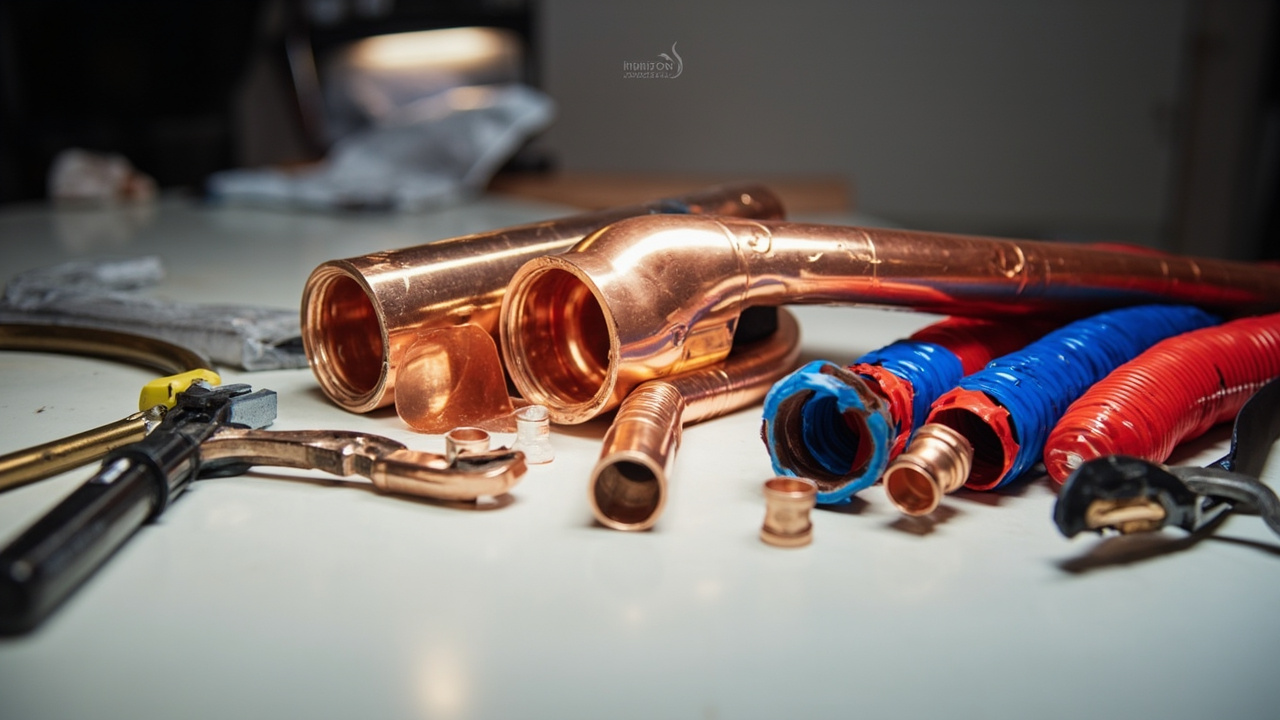
PEX piping emerged as a flexible alternative that resists the freeze-thaw cycles common in unheated crawl spaces under Seattle homes. When temperatures drop below 32 degrees, copper pipes can burst. PEX expands and contracts without rupturing. The material also resists corrosion from acidic water and installs faster because it requires fewer fittings and can bend around corners.

The copper vs PEX plumbing pros and cons debate comes down to your specific situation. New construction often favors PEX for cost and speed. Historical renovations in neighborhoods like Fremont or Ballard may require copper to match existing systems or meet preservation standards. Understanding both materials helps you make an informed decision that protects your investment and works with Seattle's unique water conditions.

The Real Difference Between PEX and Copper Plumbing in Seattle Homes
How Each Material Performs in Real Seattle Plumbing Conditions

How Each Material Performs in Real Seattle Plumbing Conditions

The difference between PEX and copper pipes becomes clear when you examine installation requirements and long-term performance. Copper requires soldered joints using flux and torch work. Each connection creates a potential leak point if not executed properly. A typical whole-house repipe with copper involves 100 to 150 soldered connections. Each joint must cool properly and be tested for leaks before walls close up.

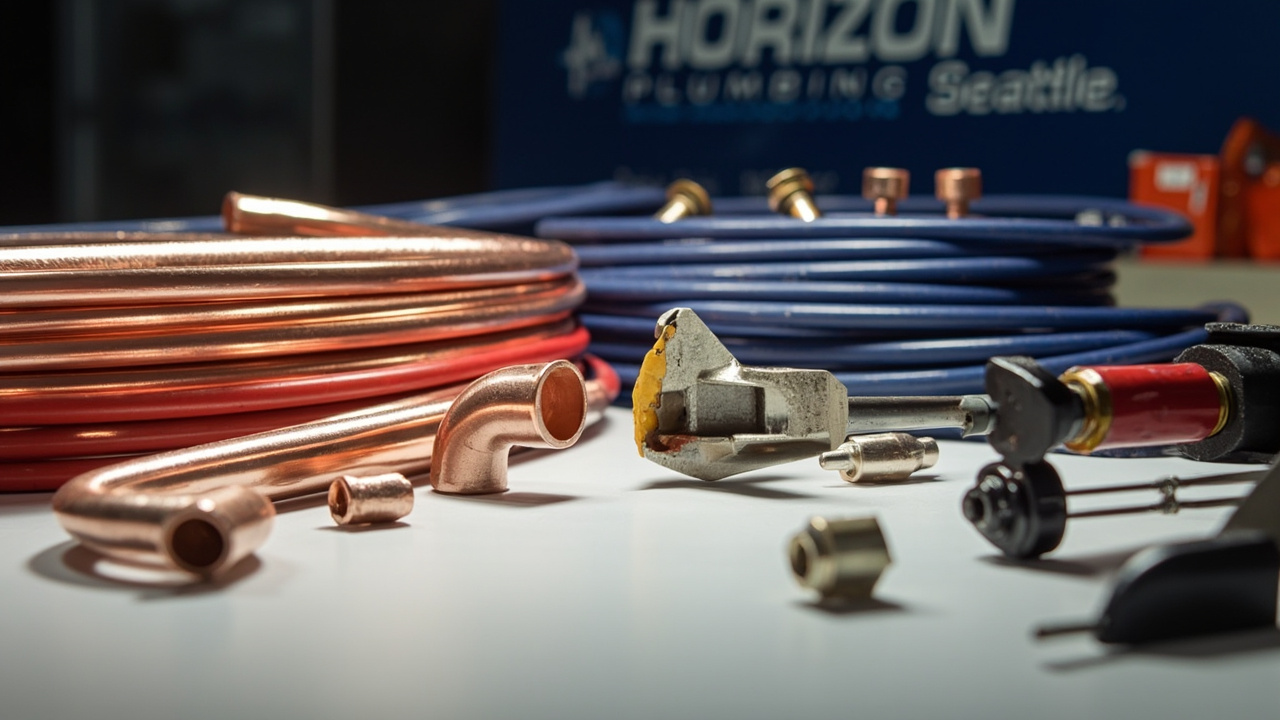
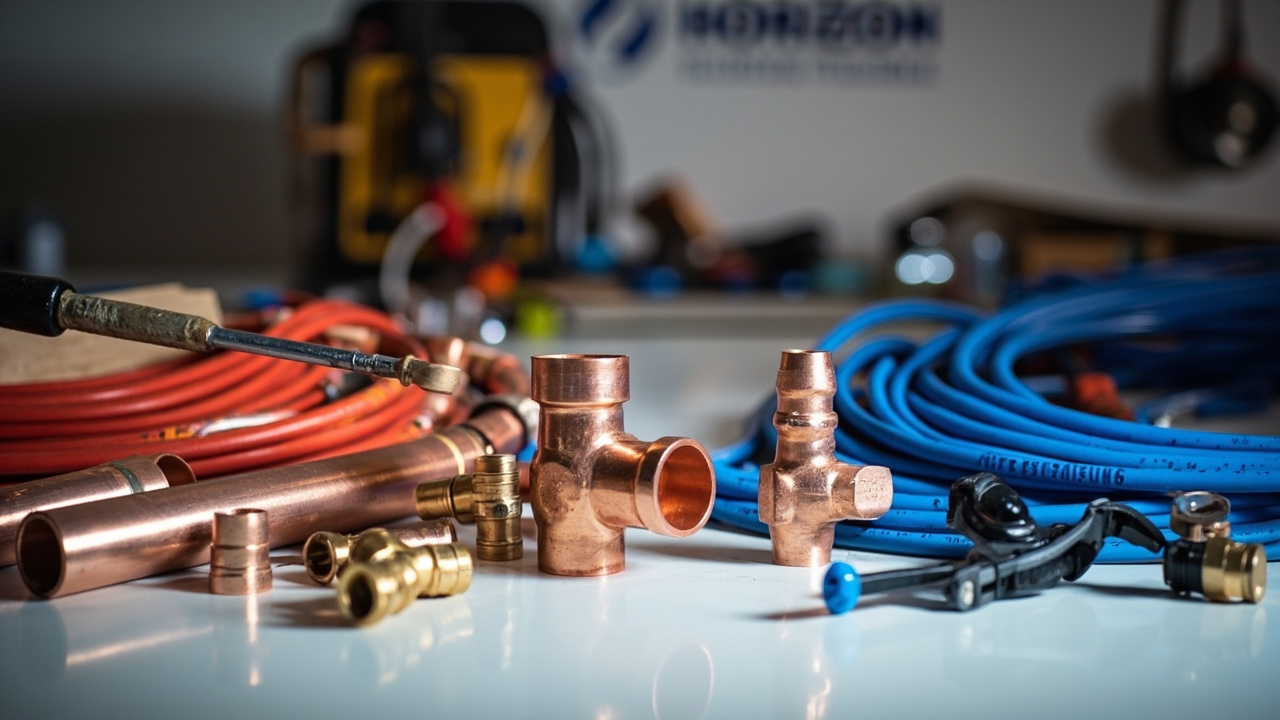
PEX uses crimped, clamped, or expansion fittings that create watertight seals without heat. A manifold system with dedicated lines to each fixture reduces the number of connections hidden inside walls. This approach cuts installation time by 40 to 60 percent compared to copper and makes future repairs easier because you can identify which line serves which fixture.

Thermal expansion matters in Seattle homes with hot water recirculation systems. Copper expands minimally when heated. PEX expands more, which means you need to account for movement in long runs. Proper installation includes expansion loops or offsets every 100 feet to prevent stress on fittings. Horizon Plumbing Seattle calculates these measurements during the planning phase to prevent callback issues.

Water hammer affects both materials differently. Copper's rigidity amplifies the shockwave when valves close quickly. PEX absorbs some of that energy, which reduces noise and stress on the system. If you have heard banging pipes when someone shuts off a faucet, that is water hammer. PEX installations naturally dampen this effect.

Chemical resistance separates the two materials in specific applications. Copper resists chlorine and other treatment chemicals indefinitely. PEX can degrade if exposed to high chlorine concentrations over many years, though this rarely occurs with municipal water in Seattle. Well water with chlorine injection systems may require additional consideration.

What Happens During a Material Evaluation for Your Seattle Home

PEX vs. Copper Piping Guide in Seattle – Make the Right Choice for Your Home's Plumbing System
01

Water Quality Testing

We start by testing your existing water chemistry and reviewing the Seattle Public Utilities water quality report for your service area. pH levels, mineral content, and chlorine concentration affect which material will last longer in your specific home. Homes in North Seattle may have different water characteristics than those in West Seattle. This analysis determines whether copper corrosion or PEX degradation presents a higher risk over the next 30 years.
02

System Layout Analysis

Next, we map your existing plumbing layout and identify access points, fixture locations, and potential installation challenges. Crawl space height, wall cavity access, and joist drilling requirements all factor into material selection. Homes with limited access benefit from PEX's flexibility. Properties with exposed piping in unfinished basements may favor copper's aesthetic appeal and UV resistance. We measure exact runs and calculate material quantities for accurate pricing.
03

Recommendation and Planning

Finally, we present a detailed comparison showing cost, installation timeline, and expected lifespan for both PEX and copper options specific to your home. You receive a written breakdown explaining why one material may outperform the other given your water conditions, budget, and long-term plans. This transparency helps you make a decision based on facts rather than marketing claims or contractor preference.

Why Seattle Homeowners Trust Local Expertise for Piping Decisions

Material selection requires understanding Seattle's building code requirements and inspection standards. The 2021 Seattle Residential Code allows both PEX and copper for potable water distribution, but specific installation methods must meet Section P2906 requirements. PEX installations require proper support spacing and cannot be exposed to direct sunlight during or after construction. Copper must be protected from physical damage and properly sized according to fixture unit calculations.

Horizon Plumbing Seattle works daily with Seattle Department of Construction and Inspections requirements. We know which inspectors focus on specific details and how to document installations for smooth permit approvals. This local knowledge prevents project delays and ensures your plumbing passes inspection on the first attempt.

Earthquake preparedness influences material choice in seismic zone 3 areas like Seattle. Flexible PEX systems can shift during ground movement without joint separation. Copper systems need expansion loops and proper hangers to accommodate movement. The 2001 Nisqually earthquake taught Pacific Northwest builders valuable lessons about plumbing system resilience. Modern installations incorporate these lessons regardless of material choice.

Water pressure variations across Seattle neighborhoods affect sizing calculations. Homes in higher elevations like Capitol Hill or Queen Anne experience lower pressure than valley areas. PEX's smooth interior creates less friction loss than copper, which means you can sometimes use smaller diameter pipe for the same flow rate. This reduces material cost without sacrificing performance.

Historic home renovations present unique challenges. Period-appropriate restorations may require copper to maintain authenticity, especially in visible locations. Hidden runs in walls or under floors can use PEX for cost savings while preserving the home's character. We help you balance historical integrity with modern performance requirements.

What You Need to Know Before Choosing Between PEX and Copper

Installation Timeline Factors

Copper repiping typically takes three to five days for a standard 1,500 square foot home with two bathrooms. Each soldered joint requires time to heat, cool, and test. PEX installation completes the same project in two to three days because fittings connect mechanically without waiting for cooling. Your water remains off during active work periods, so faster installation means less disruption to your daily routine. We schedule work to minimize impact on your schedule and coordinate with other trades if you are completing a larger renovation project.

Cost Comparison Reality

Material costs fluctuate with commodity markets, but PEX typically costs 25 to 40 percent less than copper for the same application. Labor savings add another 20 to 30 percent because installation goes faster. A complete house repipe with PEX usually costs less than copper even when copper prices drop. The cost difference becomes more significant in complex layouts with many direction changes where PEX's flexibility eliminates fittings. We provide detailed quotes showing material and labor breakdowns so you can compare options accurately.

Long-Term Performance Expectations

Copper systems regularly last 50 to 70 years in Seattle homes when properly installed and maintained. Pinhole leaks from acidic water typically appear after 20 to 30 years in affected areas. PEX has a shorter track record but shows excellent performance in 30-plus years of residential use. Manufacturers rate PEX for 50-year service life under normal conditions. Both materials outlast you will likely own your home. Proper installation matters more than material choice for longevity. Poor workmanship causes premature failure regardless of whether you choose PEX or copper.

Repair and Modification Access

Future repairs favor PEX systems installed with home-run manifolds. Each fixture receives a dedicated line from a central manifold, which means you can isolate individual fixtures without shutting down the entire house. Copper branch systems require shutting off larger sections for repairs. Adding new fixtures to existing PEX systems involves running a new line from the manifold. Copper additions require cutting into existing lines and adding tees, which creates more connection points and potential leak locations. We document all manifold locations and provide you with a map showing which port serves each fixture.

Frequently Asked Questions

You Have Questions,
We Have Answers

Do plumbers prefer PEX or copper? +

Most plumbers in Seattle now prefer PEX for residential retrofits and new construction. PEX installs faster, costs less, and resists freeze damage better than copper. This matters in Seattle, where winter pipe bursts are common. Copper still gets used for exposed fixtures and where code requires it. PEX flexibility means fewer fittings and joints, which reduces leak points. Commercial projects and older craftsman homes may still spec copper for durability or aesthetics. The choice depends on your home's age, budget, and whether you need whole-house repiping or targeted repairs.

Why don't insurance companies like PEX plumbing? +

Some insurers worry about PEX because early versions had quality problems. Fittings failed, causing water damage claims. Modern PEX meets ASTM standards and performs well in Seattle homes. Insurers flag PEX when installed incorrectly or when homeowners use bargain brands. Proper installation with brass or stainless fittings eliminates most risk. If your carrier balks, ask your plumber to provide documentation showing code compliance. Most Seattle insurers now accept PEX without issue. Copper still gets favored for commercial properties where liability exposure runs higher.

What are the downsides of PEX pipe? +

PEX cannot be exposed to UV light. Sunlight degrades the material within months. You cannot install PEX outdoors or in unprotected crawl spaces without sleeving. Rodents sometimes chew through PEX tubing, especially in older Seattle basements with rat problems. PEX also cannot handle direct heat exposure near water heaters or recessed lights. Some homeowners dislike that you cannot recycle PEX like copper. Chemical leaching concerns exist but testing shows PEX meets EPA standards. If your water sits stagnant for weeks, flush lines before drinking.

Why do plumbers not use copper anymore? +

Plumbers moved away from copper because labor costs climbed and material prices spiked. Copper requires soldering, which takes time and skill. PEX uses crimp or clamp connections that install in seconds. Seattle's labor rates make PEX repiping 30 to 40 percent cheaper than copper. Copper also corrodes in acidic Seattle water, causing pinhole leaks after 20 years. Theft became a problem too. Vacant homes get stripped for scrap copper. PEX offers no resale value to thieves, making it safer for investment properties and renovations.

What is the life expectancy of PEX pipes vs copper pipes? +

Copper pipes last 50 to 70 years in Seattle homes when water chemistry stays neutral. Acidic or aggressive water shortens that to 20 or 30 years. PEX has a projected lifespan of 40 to 50 years, but the oldest installations only date back to the 1980s. Real-world data remains limited. PEX resists corrosion and scale buildup better than copper. Freeze resistance gives PEX an edge in unheated crawl spaces common in Seattle. Both materials outlast galvanized steel and CPVC, making them solid long-term investments for residential plumbing.

What is the best pipe for a residential water line? +

PEX works best for most Seattle residential water lines. It handles freeze-thaw cycles, installs quickly, and costs less than copper. Use Type B PEX for flexibility or Type A for chemical resistance. Copper remains the right choice for homes in historic districts or where exposed piping adds aesthetic value. CPVC works for tight budgets but becomes brittle over time. If your home has aggressive water, test pH and chlorine levels before choosing. A whole-house filtration system protects any pipe material and extends service life across your plumbing system.

Where is PEX banned in the US? +

California banned PEX until 2009 due to concerns about chemical leaching into drinking water. The state now allows PEX after manufacturers reformulated products to meet stricter standards. No US state currently bans PEX outright. Some cities restrict PEX for specific applications. New York City limits PEX use because of fire code concerns, though it allows PEX in certain residential settings. Seattle permits PEX for residential and light commercial use under local plumbing codes. Always verify local code compliance before starting a repiping project. Building departments update rules frequently.

Why do plumbers not like PEX? +

Older plumbers sometimes resist PEX because they trained on copper and feel more confident soldering joints. PEX requires different tools and techniques. Some distrust plastic materials in potable water systems. Early PEX products had fitting failures that damaged the reputation. Modern PEX performs well when installed correctly. Plumbers who embrace PEX appreciate faster installations and fewer callbacks for leaks. Resistance also comes from commercial projects where copper remains the standard for durability and fire rating. In Seattle's residential market, most licensed plumbers now install PEX without hesitation.

What is the lawsuit against PEX pipe? +

Class action lawsuits targeted specific PEX brands for defective fittings and tubing that caused property damage. Zurn PEX, Kitec, and Polybutylene faced major claims. These systems used brass fittings that corroded or plastic that degraded prematurely. Homeowners experienced floods and mold damage. Settlements provided compensation for repiping. Current PEX products use improved materials and meet ASTM F876 and F877 standards. If your Seattle home has Kitec or Zurn PEX installed before 2010, consider a plumbing inspection. Modern PEX from reputable manufacturers does not face the same legal issues.

Why is PEX banned in NYC? +

New York City restricts PEX because of fire code requirements in high-rise buildings. PEX melts at lower temperatures than copper, which concerns fire marshals in dense residential towers. The city allows PEX in single-family homes and low-rise buildings under certain conditions. Seattle does not have the same restrictions. Our lower building density and different fire codes permit PEX throughout residential construction. Metal piping remains required in some commercial applications. If you live in a Seattle high-rise condo, your building may spec copper for insurance or liability reasons.

How Seattle's Soft Water and Seismic Activity Impact Your Piping Material Choice

Seattle's water source from the Cedar River and Tolt River watersheds produces some of the softest municipal water in the country. Low mineral content means less scale buildup but slightly higher acidity in some distribution areas. This soft water can slowly dissolve copper pipe interiors, creating the blue-green stains you see on fixtures in older homes. The process accelerates in homes with well water or private systems that lack pH buffering. PEX remains unaffected by water chemistry but requires protection from UV exposure in crawl spaces with foundation vents. Understanding your specific water source helps predict which material will perform better over decades of use.

Seismic retrofitting standards affect plumbing system design throughout the Puget Sound region. The Seattle Fault runs directly under the city, and the Cascadia Subduction Zone threatens major seismic events. Modern plumbing installations must account for ground movement and building shifting. PEX's flexibility provides inherent earthquake resistance, while copper systems require careful attention to hanger spacing and expansion provisions. Horizon Plumbing Seattle follows current seismic design standards for both materials and can retrofit existing systems to improve earthquake performance. This local geological reality makes material selection more than just a cost decision.

Plumbing Services in The Seattle Area

Horizon Plumbing Seattle proudly serves the entire Seattle metropolitan area and surrounding communities. We invite users to view our service area map to confirm that your home or business falls within our coverage zone, ensuring we can deliver fast, reliable service right to your doorstep. Our professional team is strategically located to offer prompt dispatch, whether you're in the heart of downtown or the outlying neighborhoods. Call us to confirm coverage and schedule your expert plumbing appointment today; we look forward to serving you with confidence and a warm welcome.

Address:
Horizon Plumbing Seattle, 1515 Dexter Ave N, Seattle, WA, 98109

Additional Services We Offer

Our news updates

Latest Articles & News from The Blogs

Is Your Garbage Disposal Safe for the Septic System at Your Rural King County Property? If you live in a…

Is Your Garbage Disposal Safe for the Septic System at Your Rural King County Property?

Is Your Garbage Disposal Safe for the Septic System at Your Rural King County Property? If you live in a…

Why You Should Consider a Pressure Reducing Valve for Your Phinney Ridge Home

Why You Should Consider a Pressure Reducing Valve for Your Phinney Ridge Home Living in Phinney Ridge means dealing with…

The Real Difference Between a Main Line Clog and a Simple Sink Drain Issue

The Real Difference Between a Main Line Clog and a Simple Sink Drain Issue \n\n Water backing up in your…

Contact Us

Stop guessing about which piping material fits your home's specific needs. Call Horizon Plumbing Seattle at (564) 220-5552 for a no-pressure consultation. We will test your water, evaluate your existing system, and provide clear recommendations based on your situation, not our preference.