




menu

Trenchless Sewer Repair in Seattle | Minimal Downtime for Your Business Operations

Horizon Plumbing Seattle delivers industrial-grade trenchless sewer repair that keeps your commercial property operational while we rehabilitate underground infrastructure without excavation disruption.

Slider Image 1
Slider Image 2
Slider Image 3
Slider Image 4
Slider Image 5
Slider Image 7
Slider Image 8
Slider Image 9
Slider Image 10
Slider Image 11

Seattle's Aging Commercial Infrastructure and Underground Pipe Failure

Seattle's commercial districts, from Pioneer Square to the Denny Triangle, sit on infrastructure installed between the 1920s and 1960s. Clay tile and cast iron sewer lines deteriorate under constant stress from seismic activity, heavy groundwater tables fed by Puget Sound, and freeze-thaw cycles during Pacific Northwest winters. When these lines fail under your restaurant, retail space, or office building, traditional excavation means torn-up parking lots, closed entrances, and lost revenue.

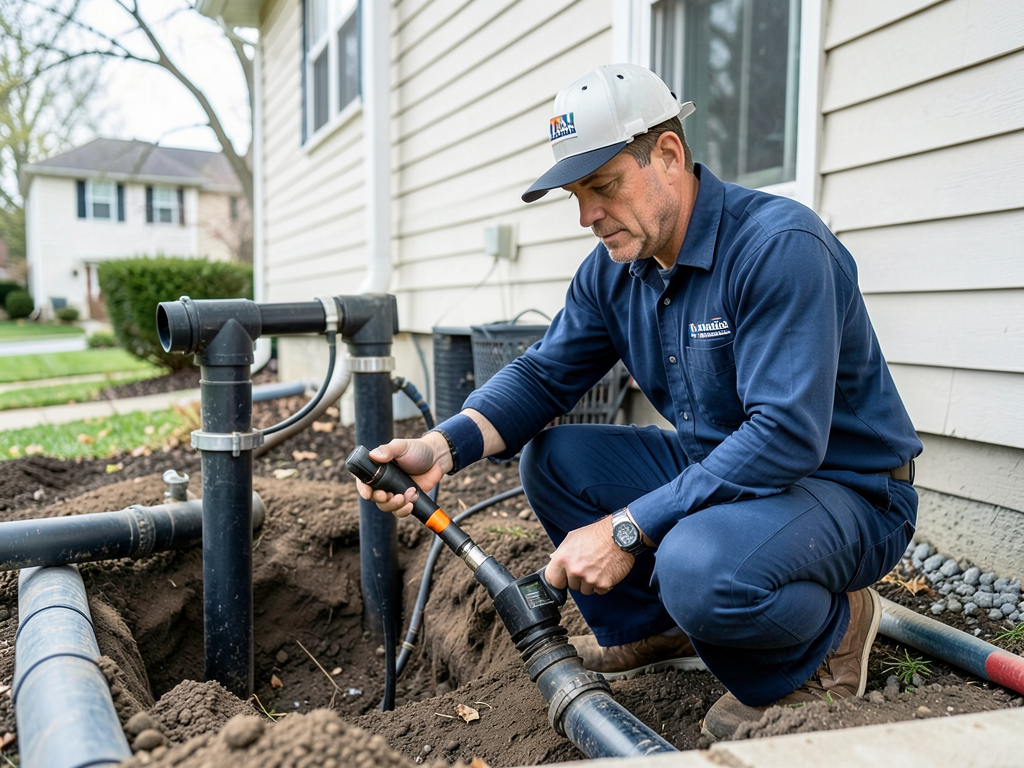
Trenchless sewer repair solves this problem without surface disruption. No-dig sewer repair methods allow us to rehabilitate your main lines while you remain open for business. We use CIPP sewer repair to create a new pipe inside your old one, eliminating root intrusion points and structural failures. Trenchless pipe lining restores full flow capacity without touching your landscaping, asphalt, or customer access points.

Seattle's high water table complicates traditional dig-and-replace projects. Excavation in areas near Elliott Bay or Lake Union requires dewatering permits, shoring, and traffic control that can extend a two-day job into a two-week ordeal. Trenchless pipe replacement cuts that timeline to hours, not days. For commercial properties where every closed hour costs money, trenchless sewer replacement delivers ROI through operational continuity. Your tenants stay happy. Your customers keep coming. Your liability exposure drops.

Seattle's Aging Commercial Infrastructure and Underground Pipe Failure
How Trenchless Technology Rehabilitates Commercial Sewer Lines

How Trenchless Technology Rehabilitates Commercial Sewer Lines

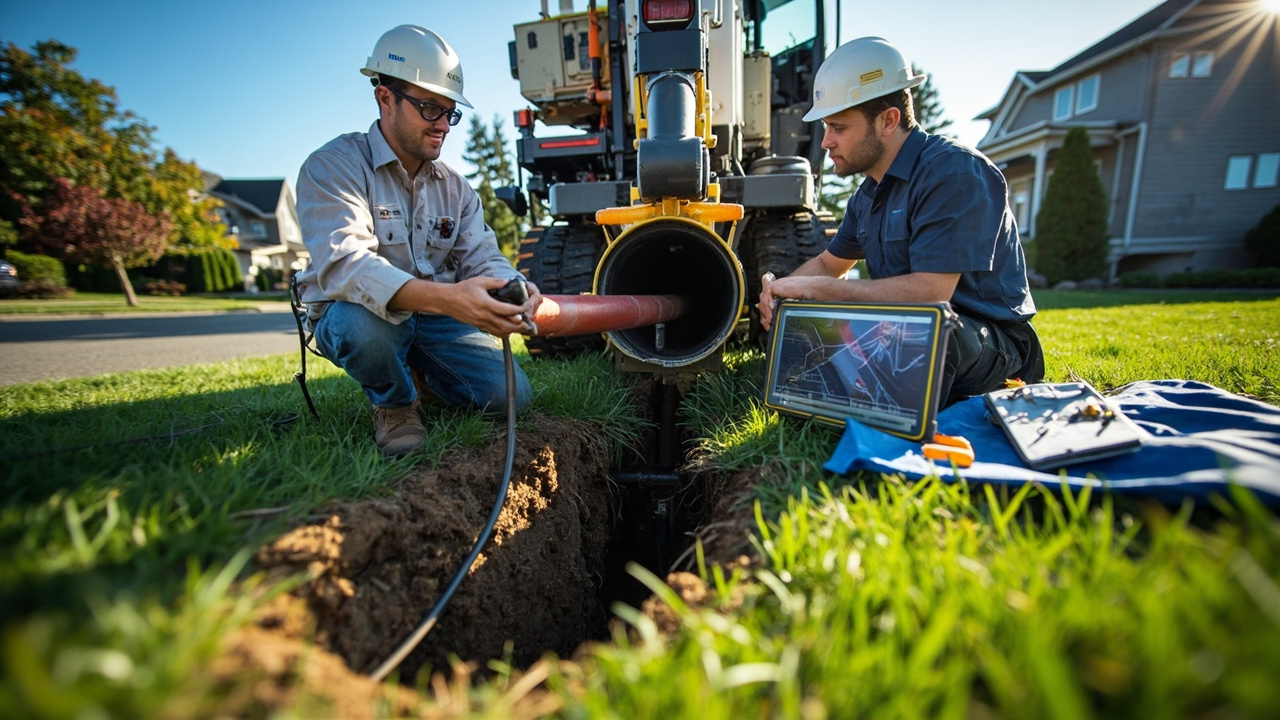
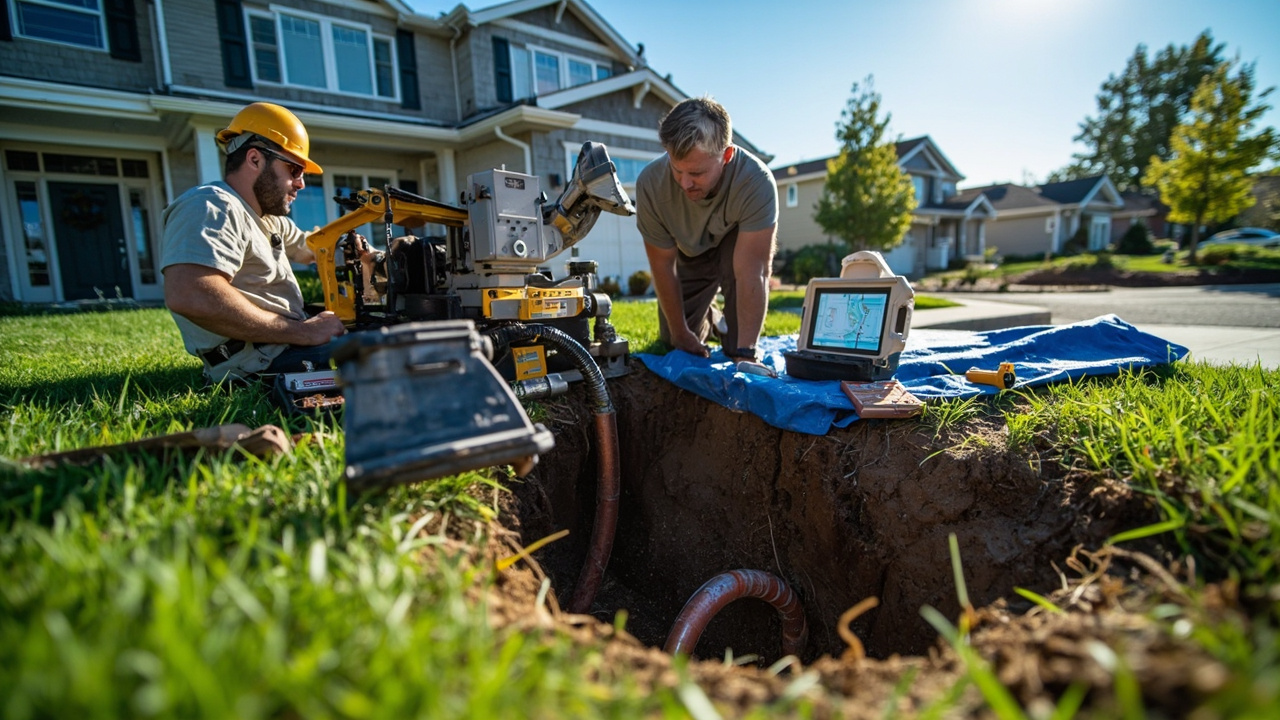
We deploy two primary trenchless methods based on your pipe condition and diameter. Cured-in-place pipe (CIPP) lining works for lines with structural integrity but suffering from cracks, offsets, or root penetration. We insert a resin-saturated felt liner through an existing access point, inflate it against the host pipe, and cure it with hot water or UV light. The result is a seamless, jointless pipe inside your old one with a 50-plus-year service life. This process takes four to eight hours for typical commercial main lines.

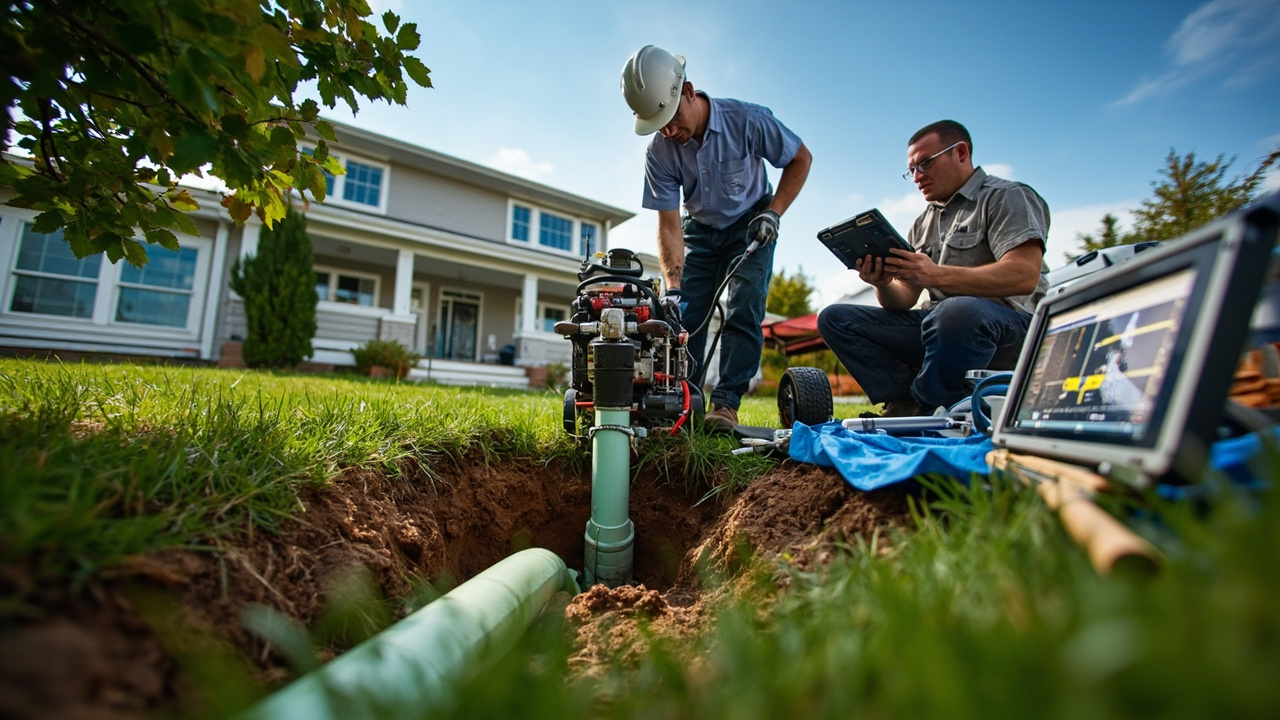
Pipe bursting handles severely collapsed or undersized lines. We pull a bursting head through the old pipe, fracturing it outward while simultaneously pulling new HDPE pipe into place. This method allows upsizing from four-inch to six-inch diameter without increasing the excavation footprint. We only need small access pits at entry and exit points, usually in low-traffic areas like alley access or utility easements.

Both methods require video inspection before and after rehabilitation. We use push cameras and lateral launch systems to document every foot of your sewer system, identifying bellies, offsets, and connection points. This data drives our repair strategy and provides you with documented proof of completed work for your facility records. Trenchless pipe rehabilitation also meets Seattle Public Utilities requirements for private sewer lateral compliance, keeping your property in good standing with municipal codes. The process eliminates the need for asphalt patching, landscaping restoration, and extended site security, cutting your total project cost by 30 to 40 percent compared to open-cut excavation.

Our Commercial Trenchless Repair Protocol

Trenchless Sewer Repair in Seattle | Minimal Downtime for Your Business Operations
01

Video Inspection and Scope

We begin with high-definition video inspection of your entire sewer system, mapping every lateral, cleanout, and connection point. This diagnostic phase identifies failure locations, pipe material, diameter, and depth. We provide a digital report with footage timestamps and GPS coordinates, giving you a complete asset inventory for facility management records and future maintenance planning.
02

Method Selection and Staging

Based on inspection data, we select CIPP lining or pipe bursting and schedule work during your lowest-traffic hours. We coordinate with property managers to minimize impact on loading docks, deliveries, and customer access. Our crew stages equipment in compact zones, maintaining pedestrian and vehicle flow. We handle all permit coordination with Seattle Department of Construction and Inspections, including right-of-way use if needed.
03

Installation and Post-Repair Verification

We complete liner installation or pipe bursting in a single shift, restoring service the same day. After curing, we perform a second video inspection to document full adhesion, proper thickness, and complete coverage. You receive before-and-after footage, material certifications, and a technical report suitable for lender requirements, environmental compliance filings, or sale disclosures. The repaired line is immediately serviceable with no waiting period.

Why Seattle Commercial Properties Trust Horizon Plumbing Seattle

Trenchless technology requires specialized equipment and trained technicians. We maintain a dedicated trenchless division with CIPP-certified installers and pipe bursting specialists who work exclusively on commercial and multifamily properties. Our crews understand the operational stakes. A failed hotel sewer during peak season is not the same as a residential backup. We respond with the urgency your business demands.

Seattle's complex permitting environment requires local knowledge. We navigate Seattle Public Utilities lateral requirements, Seattle Department of Construction and Inspections right-of-way permits, and environmental review processes for properties near shorelines or critical areas. Our existing relationships with city inspectors expedite approvals that would delay an out-of-market contractor by weeks. We also understand local soil conditions. Seattle's mix of glacial till, fill dirt, and marine clay affects pipe bedding and lateral stability. We adjust our bursting head selection and pulling force calculations based on soil density reports and local geology.

Commercial clients need documentation for liability protection and asset management. We provide engineered drawings, material certifications, and third-party inspection reports that satisfy lender requirements and environmental audits. If you are refinancing, selling, or undergoing due diligence, our trenchless rehabilitation documentation proves your sewer system meets current standards without costly replacement. We also offer multi-property maintenance agreements for portfolio owners managing multiple Seattle locations, providing scheduled video inspections and priority response for urgent failures. Your properties stay compliant, your tenants stay satisfied, and your capital expenditure planning stays predictable.

What Your Business Can Expect from Trenchless Sewer Repair

Project Timeline and Business Continuity

Most commercial trenchless repairs complete in six to ten hours from setup to final inspection. We schedule work during your off-hours to avoid customer impact. Your business remains open throughout the process. Restrooms stay functional. Kitchen drains keep flowing. We coordinate with facility managers to ensure deliveries, trash pickup, and tenant access continue without interruption. For properties requiring multi-phase repairs across multiple laterals, we stage the work across several nights or weekends to maintain continuous operation.

Pre-Repair Assessment and Recommendations

Our initial video inspection identifies not just the immediate failure, but downstream risks. We flag areas showing early-stage deterioration, allowing you to budget for future repairs before they become emergencies. You receive a prioritized repair matrix ranking issues by severity and estimated time to failure. This diagnostic approach helps property managers allocate capital improvement budgets across multiple properties. We provide cost comparisons between trenchless and traditional excavation, showing total project cost including surface restoration, permit fees, and business interruption losses.

Long-Term Performance and Flow Capacity

Trenchless pipe lining creates a smooth interior surface that resists root intrusion and buildup. Flow capacity often improves over the original pipe because the liner eliminates joint offsets and corrosion ridges. CIPP liners carry structural ratings equivalent to new PVC, supporting the soil load above without relying on the deteriorated host pipe. The monolithic liner has no joints, eliminating the weak points where roots and grease typically infiltrate. You gain decades of maintenance-free service with predictable performance and no surprise backups during peak business periods.

Documentation and Compliance Records

We provide a complete documentation package including pre- and post-repair video with narration, material certifications, installer credentials, and engineer-stamped reports if required for your lender or insurer. This documentation satisfies Seattle Public Utilities side sewer requirements and provides defensible proof of maintenance for liability claims. We also archive digital copies in our system, so if you need replacement documentation for a sale, refinance, or insurance claim five years later, we can reproduce the full file within 24 hours.

Frequently Asked Questions

You Have Questions,
We Have Answers

Is trenchless sewer repair worth it? +

For commercial properties in Seattle, trenchless sewer repair delivers strong ROI by eliminating excavation costs and minimizing business downtime. Traditional dig-and-replace methods disrupt parking lots, landscaping, and customer access for days or weeks. Trenchless methods complete repairs in hours, keeping your operations running. You avoid pavement restoration costs, permit delays, and liability exposure from open trenches. Seattle's frequent rain and strict environmental regulations make excavation even more complex and expensive. Trenchless technology bypasses these complications while providing a 50-year solution. The upfront cost is competitive when you factor in avoided disruption, lost revenue, and site restoration expenses.

What are the disadvantages of trenchless pipe lining? +

Trenchless pipe lining has specific limitations commercial property managers must evaluate. The existing pipe must maintain structural integrity to support the liner. Pipes with complete collapses, severe offsets, or extensive root intrusion may require spot excavation first. The process reduces internal pipe diameter slightly, which can impact flow capacity in undersized systems. Access points at both ends of the line are required, which can complicate repairs under buildings or tight spaces. Pre-existing code violations remain unaddressed since the liner follows the original pipe path. In Seattle, older buildings with Orangeburg or heavily corroded cast iron may need hybrid approaches combining trenchless and traditional methods.

Does homeowners insurance cover sewage line repairs? +

Coverage depends on your specific commercial policy language and the failure cause. Most business property policies exclude gradual deterioration, poor maintenance, and normal wear. Coverage applies when damage results from sudden, accidental events like ground shifts or third-party damage. Seattle businesses should review their policy's underground utility endorsement. Document all maintenance records and inspection reports to demonstrate proactive care. Many policies require you to mitigate damage immediately to prevent business interruption claims from being denied. Submit claims promptly with video inspection evidence showing the failure type. Consult your broker before repairs to understand deductible implications and coverage triggers.

How long does a trenchless sewer line last? +

Properly installed trenchless sewer liners carry 50-year manufacturer warranties and often outlast that timeframe. The cured-in-place pipe or epoxy liner becomes structurally independent, resisting root intrusion, corrosion, and ground movement that destroy traditional pipes. Seattle's acidic soil and high water table accelerate deterioration in metal and clay pipes but do not affect epoxy liners. Commercial installations face higher flow volumes and chemical loads than residential systems, making material selection critical. Quality matters. Inferior liners or improper installation void longevity claims. Verify your contractor uses NSF-certified materials and follows ASTM standards for commercial applications. Expect decades of maintenance-free operation.

What is the cheapest way to replace a sewer line? +

The cheapest immediate option is spot repair using traditional excavation if the failure is isolated and accessible. Dig up the damaged section, replace it, and backfill. This works when damage is localized and not beneath structures or paved areas. However, this creates future liability. Aging sewer lines fail progressively. Repairing one section leaves weakened pipe upstream and downstream. You pay excavation costs repeatedly as new failures emerge. Trenchless lining costs more upfront but eliminates the entire line's failure risk for 50 years. For Seattle commercial properties, calculate total cost of ownership across the planning horizon. Repeated excavations, business disruptions, and permit fees often exceed a comprehensive trenchless solution.

Do plumbers recommend sewer liners? +

Commercial plumbers recommend sewer liners when pipe condition supports it and property constraints make excavation impractical or costly. Liners solve root intrusion, corrosion, and minor cracking without surface disruption. They work well under buildings, parking lots, and landscaped areas where excavation triggers expensive restoration. However, experienced plumbers do not recommend lining severely collapsed pipes, pipes with major grade issues, or systems undersized for current demand. In Seattle, plumbers evaluate soil conditions, pipe material, and King County code requirements before recommending trenchless options. The method is a tool, not a universal solution. Proper diagnosis through video inspection determines if lining meets your system's structural and capacity needs.

How expensive is pipe relining? +

Commercial pipe relining costs depend on pipe diameter, length, access difficulty, and existing damage severity. Costs scale with linear footage but avoid excavation, pavement removal, and site restoration expenses. Seattle-specific factors include permit requirements, traffic control needs, and environmental compliance for work near waterways or wetlands. Pre-lining repairs like root removal or spot fixes add cost. Larger diameter commercial lines require specialized equipment and materials. Request itemized quotes comparing trenchless versus traditional replacement including all restoration costs. Factor in business downtime, lost parking revenue, and liability insurance during open excavation. Total project cost often favors trenchless despite higher per-foot material expenses.

How often does a sewer line need to be replaced? +

Replacement frequency depends on pipe material, soil conditions, and maintenance history. Cast iron lasts 50 to 75 years but corrodes faster in Seattle's acidic soil. Clay pipes crack from ground movement and root intrusion within 60 years. PVC lasts 100 years under ideal conditions. Commercial systems with high flow volumes, grease, or chemical discharges deteriorate faster. Proactive businesses video inspect lines every three to five years to track deterioration rates. Replace when structural integrity declines, not after catastrophic failure. Seattle's aging infrastructure means many commercial buildings still operate on original 1950s to 1970s pipes now past service life. Plan replacement based on inspection data, not arbitrary timelines.

How do they do trenchless sewer repair? +

Trenchless sewer repair uses two primary methods. Cured-in-place pipe lining inserts a resin-saturated fabric liner through existing access points, inflates it against the old pipe walls, and cures it with hot water or UV light. The result is a seamless pipe within a pipe. Pipe bursting fractures the old pipe outward while simultaneously pulling new pipe into place. Both methods require access points at each end but no continuous trench. Technicians use video cameras to navigate and verify installation quality. The process takes hours, not days. In Seattle, trenchless methods comply with King County codes and minimize environmental impact compared to open excavation through contaminated urban soils.

What is the average lifespan of a sewer line? +

Sewer line lifespan varies by material. Cast iron averages 50 to 75 years but corrodes faster in acidic Seattle soils. Clay pipes last 50 to 60 years before root intrusion and ground movement cause failure. Orangeburg fiber pipes, common in 1950s construction, deteriorate within 30 to 50 years. Modern PVC and ABS pipes last 100 years under normal conditions. Commercial properties experience accelerated wear from higher flow volumes, grease, and chemical discharges. Seattle's clay soil shifts seasonally, stressing rigid pipes. Schedule video inspections every three to five years once your system reaches 70 percent of expected lifespan. Proactive replacement prevents emergency failures and business disruption.

Seattle's Seismic Activity and Underground Infrastructure Vulnerability

Seattle sits in an active seismic zone with regular minor tremors and the looming threat of a Cascadia Subduction Zone event. These seismic shifts cause pipe joints to separate, creating offsets and infiltration points in older clay tile and cast iron sewer systems. Trenchless CIPP lining eliminates these vulnerable joints by creating a continuous, flexible pipe that moves with ground shifts without failing. Properties in areas like South Lake Union, built on fill over tidal flats, face even greater risk from differential settling. Trenchless pipe rehabilitation provides earthquake-resilient infrastructure without the cost and disruption of full replacement.

Commercial properties in Seattle must comply with Seattle Municipal Code 21.16, which mandates private sewer lateral maintenance and repair. Property owners face liability for failures that contribute to combined sewer overflows into Puget Sound or Lake Washington. Horizon Plumbing Seattle understands these regulatory pressures and provides documentation that proves compliance during inspections or sale transactions. Our trenchless methods meet or exceed Seattle Public Utilities standards for lateral rehabilitation, and our local presence means we respond within hours when you need emergency service before a city inspection deadline.

Plumbing Services in The Seattle Area

Horizon Plumbing Seattle proudly serves the entire Seattle metropolitan area and surrounding communities. We invite users to view our service area map to confirm that your home or business falls within our coverage zone, ensuring we can deliver fast, reliable service right to your doorstep. Our professional team is strategically located to offer prompt dispatch, whether you're in the heart of downtown or the outlying neighborhoods. Call us to confirm coverage and schedule your expert plumbing appointment today; we look forward to serving you with confidence and a warm welcome.

Address:
Horizon Plumbing Seattle, 1515 Dexter Ave N, Seattle, WA, 98109

Additional Services We Offer

Our news updates

Latest Articles & News from The Blogs

The Long Term Benefits of a PEX Manifold System for New Construction in Newcastle Home builders and homeowners in Newcastle…

The Long Term Benefits of a PEX Manifold System for New Construction in Newcastle

The Long Term Benefits of a PEX Manifold System for New Construction in Newcastle Home builders and homeowners in Newcastle…

Converting Your Olympic Manor Crawl Space into a Functional Basement with an Ejector Pump

Converting Your Olympic Manor Crawl Space into a Functional Basement with an Ejector Pump Converting a crawl space in Olympic…

Why Your Clyde Hill Kitchen Needs a Professional Touchless Faucet Upgrade

Why Your Clyde Hill Kitchen Needs a Professional Touchless Faucet Upgrade Your Clyde Hill kitchen deserves more than a generic…

Contact Us

Call Horizon Plumbing Seattle at (564) 220-5552 for a video inspection and trenchless repair estimate. We schedule commercial projects around your operations, delivering infrastructure solutions that protect your bottom line and keep customers coming through your doors.