




menu

Commercial Water Heater Systems in Seattle | Industrial-Grade Solutions That Keep Your Business Running

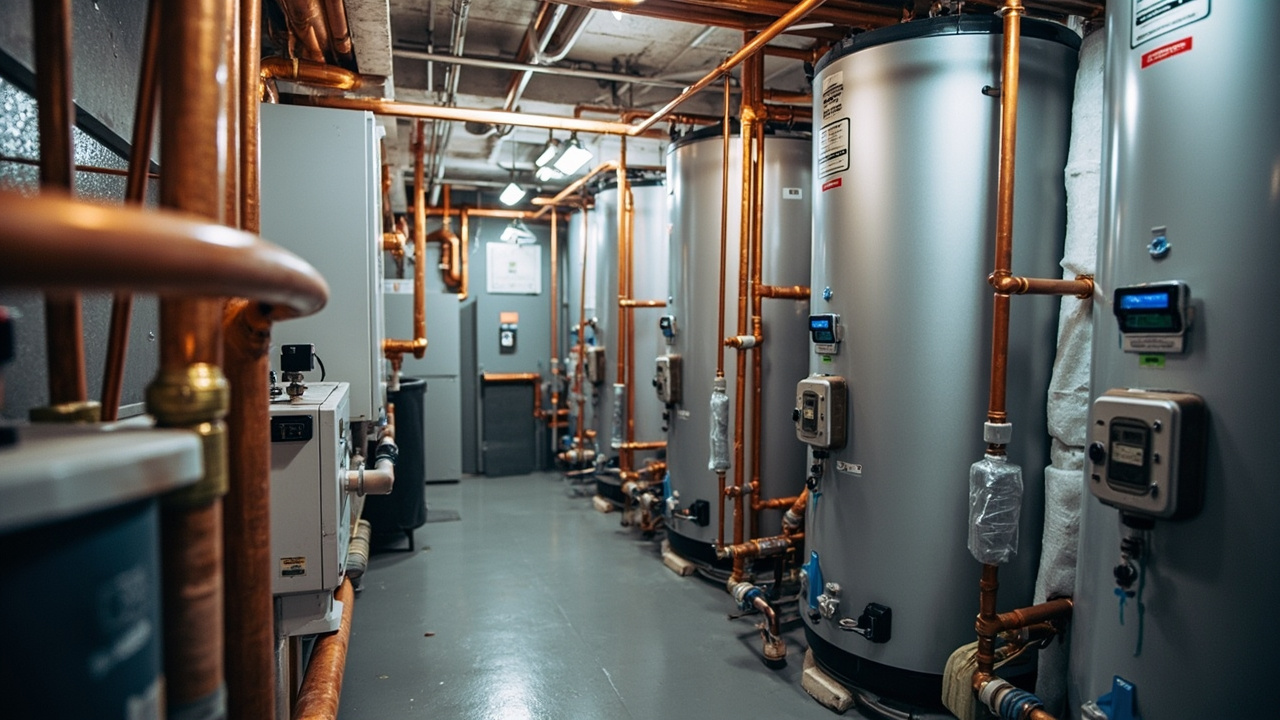
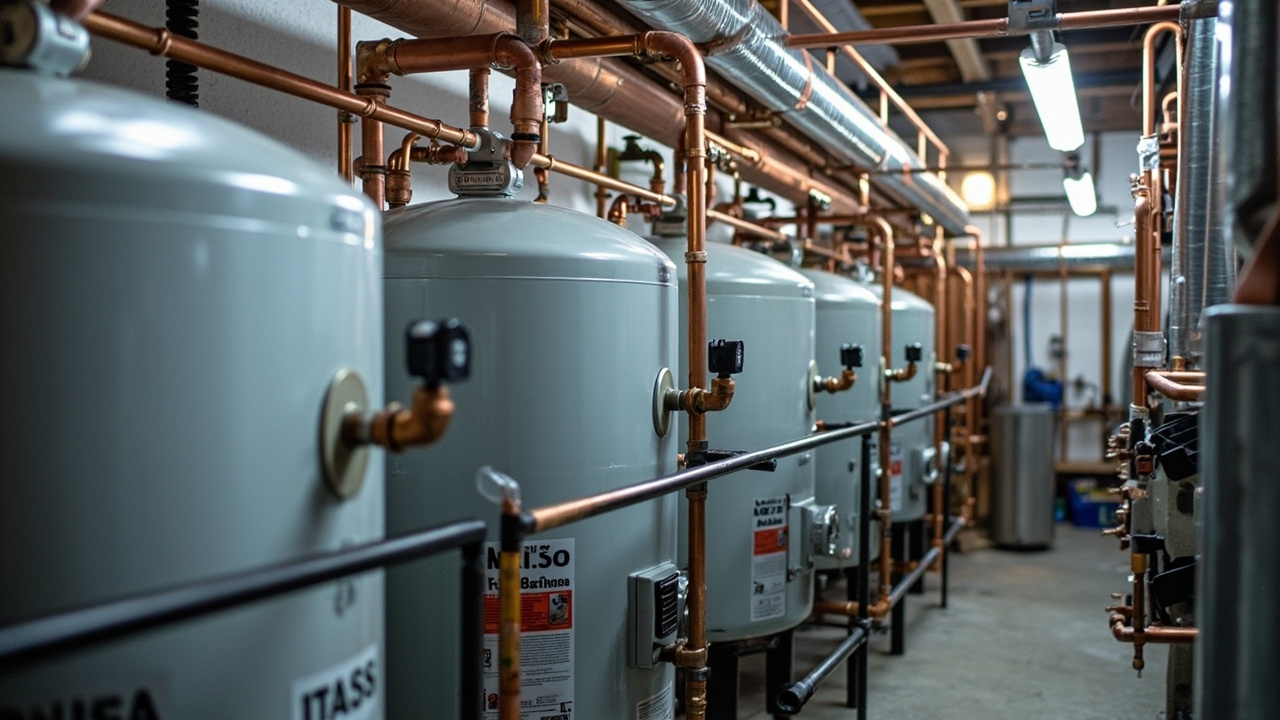
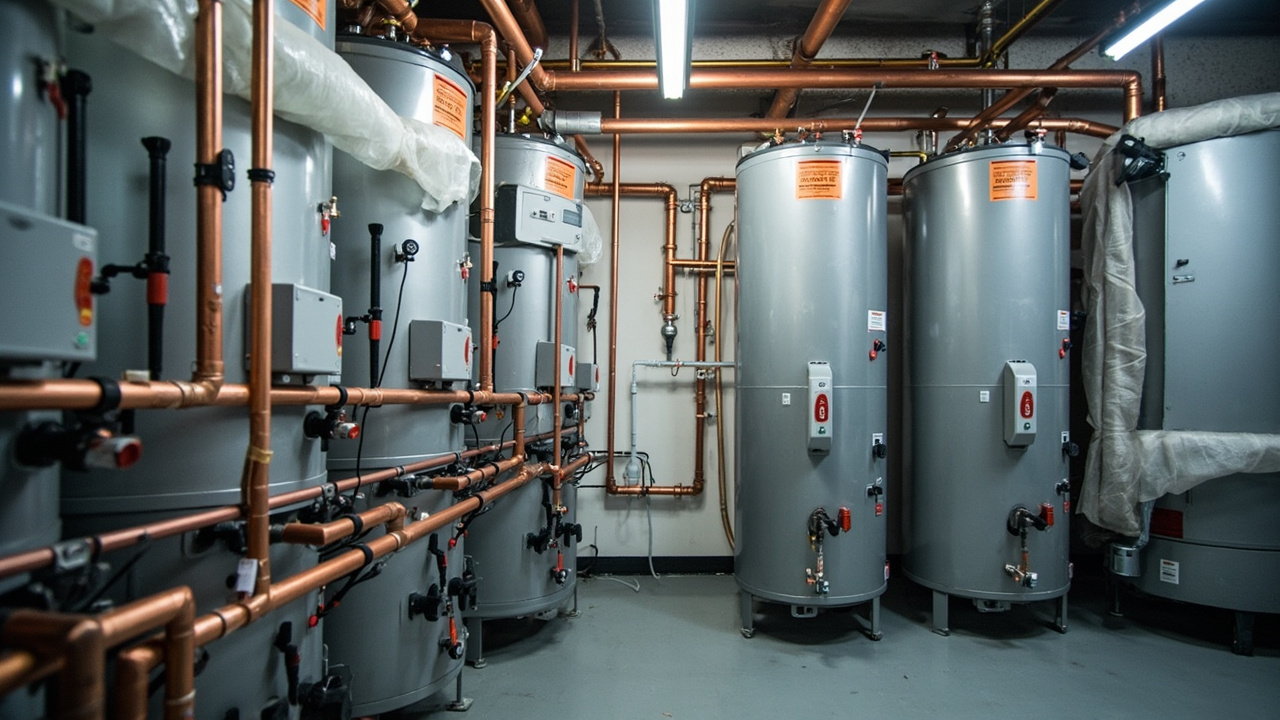
Horizon Plumbing Seattle delivers large capacity water heaters and commercial hot water systems engineered for Seattle's high-demand operations, from multi-tenant buildings to industrial facilities, with minimal downtime and full code compliance.

Slider Image 1
Slider Image 2
Slider Image 3
Slider Image 4
Slider Image 5
Slider Image 7
Slider Image 8
Slider Image 9
Slider Image 10
Slider Image 11

Seattle's Commercial Buildings Demand More Than Residential Solutions

Your business cannot afford lukewarm water or system failures during peak hours. Seattle's commercial sector operates in a climate where consistent rain, cold winter temperatures, and year-round moderate humidity create unique demands on commercial hot water systems. Between the downtown core's high-rise hotels and the industrial corridors south of SoDo, facilities managers face the same challenge: maintaining reliable hot water for dozens or hundreds of simultaneous users without system strain.

Commercial grade water heaters differ fundamentally from residential units. Where a home might use 40 gallons per day, a Seattle restaurant can burn through 400 gallons during lunch service alone. A manufacturing facility in Georgetown requires continuous hot water for sanitation protocols. A multi-family building in Capitol Hill needs rapid recovery rates to serve morning shower demands across 50 units.

Seattle's 2018 Energy Code amendments impose strict efficiency standards on industrial water heaters. Your system must deliver performance while meeting commercial energy benchmarks. The wrong equipment selection costs you in utility bills, tenant complaints, and potential code violations during inspections.

Industrial hot water systems in Seattle also contend with the region's moderately hard water. Calcium and magnesium deposits accumulate faster in high-volume applications, reducing heat transfer efficiency and shortening equipment lifespan. A commercial system processing thousands of gallons weekly faces accelerated scaling compared to residential units.

Large capacity water heaters require professional sizing calculations. Undersized equipment runs constantly, wearing components prematurely. Oversized units waste energy cycling on and off. Your facility needs precise capacity matching to your actual demand profile, accounting for peak usage periods and recovery requirements.

Seattle's Commercial Buildings Demand More Than Residential Solutions
How Commercial Water Heater Installation Differs From Standard Service

How Commercial Water Heater Installation Differs From Standard Service

Commercial water heater systems require load calculations that residential formulas cannot address. We analyze your facility's hot water demand using fixture unit counts, simultaneous usage patterns, and peak draw scenarios. A Seattle healthcare clinic needs different capacity than a brewery in Ballard, despite similar square footage.

Our approach starts with BTU input requirements and storage tank sizing based on first-hour rating, not simple gallon capacity. We calculate temperature rise needed to lift Seattle's 50-degree incoming water to your required output temperature. For a commercial kitchen requiring 180-degree sanitizing water, this demands significantly higher BTU input than a 120-degree office application.

We specify commercial grade components built for continuous duty cycles. These systems use heavier gauge steel tanks, commercial gas valves rated for higher throughput, and larger diameter venting to handle increased combustion byproducts. A commercial gas water heater might require Category III stainless steel venting, unlike residential Category I systems.

Seattle's commercial buildings often need multiple units in a parallel or series configuration. We design cascading systems where multiple water heaters sequence on and off based on demand, improving efficiency during low-usage periods while maintaining capacity during peaks. This approach also provides redundancy, so a single unit failure does not shut down your entire operation.

We integrate systems with building management controls for Seattle facilities requiring automated monitoring. Commercial installations include expansion tanks sized for system volume, thermostatic mixing valves for scald protection, and recirculation pumps to minimize wait times at distant fixtures. Every component must meet Washington State mechanical codes for commercial applications, which impose stricter requirements than residential standards.

Horizon Plumbing Seattle coordinates with your facilities team to schedule installation during low-occupancy periods, minimizing business disruption.

Your Commercial System Installation Timeline

Commercial Water Heater Systems in Seattle | Industrial-Grade Solutions That Keep Your Business Running
01

Load Analysis and Equipment Specification

We conduct an on-site assessment documenting your facility's hot water fixtures, usage patterns, and peak demand periods. Our team reviews your utility bills to establish baseline consumption, then calculates required first-hour rating and recovery capacity. We specify tank size, BTU input, and venting requirements based on your building's actual demand profile, not generic estimates. You receive equipment recommendations with efficiency ratings and expected lifecycle costs.
02

Coordinated Installation and Integration

Installation occurs during your designated downtime window to avoid disrupting business operations. We coordinate utility shutoffs, remove existing equipment, and install new commercial grade water heaters with proper venting, gas line upgrades if needed, and code-compliant safety devices. Our team integrates temperature controls, recirculation systems, and any building automation connections. We pressure test all connections and verify proper combustion air supply before system activation.
03

System Commissioning and Documentation

We test the complete system under load conditions, verifying output temperature, pressure relief operation, and proper sequencing if you have multiple units. Your facilities manager receives documentation including equipment specifications, maintenance schedules, and emergency shutdown procedures. We arrange final inspection approval with Seattle Department of Construction and Inspections. You receive a complete operations manual and our direct contact for any future service needs.

Why Seattle Facilities Choose Local Commercial Expertise

Seattle's commercial mechanical code requirements differ significantly from surrounding jurisdictions. We maintain current knowledge of local amendments to the Uniform Plumbing Code, including Seattle's specific provisions for seismic restraint, backflow prevention, and energy efficiency standards. Your installation meets inspection requirements the first time, avoiding costly delays and rework.

Commercial water heater failures create liability exposure. A malfunctioning tempering valve can deliver scalding water to building occupants. An improperly vented unit can produce carbon monoxide in occupied spaces. Horizon Plumbing Seattle installs commercial hot water systems with safety interlocks, pressure relief devices, and proper combustion air supply to protect your building occupants and limit your risk.

We understand Seattle's diverse commercial building stock. A converted warehouse in Pioneer Square has different infrastructure constraints than a new construction office tower in South Lake Union. Older buildings may require gas line upgrades, electrical service modifications, or structural reinforcement for heavier equipment. We identify these requirements during initial assessment, not halfway through installation.

Our experience spans Seattle's commercial sectors. We have installed industrial water heaters in food processing facilities, hotel towers, multi-family developments, healthcare clinics, and manufacturing plants. Each application demands specific knowledge of industry standards, whether it is NSF requirements for food service or ASSE 1017 tempering valves for healthcare.

Local service matters when equipment fails. A broken water heater does not wait for business hours. We maintain relationships with commercial equipment suppliers in Seattle, ensuring access to replacement parts for major brands. Our technicians carry commercial-grade components on service vehicles, reducing downtime when repairs are needed.

Horizon Plumbing Seattle operates in Seattle year-round. We know which wholesale suppliers stock large capacity water heaters locally versus requiring special orders. We understand seasonal demand patterns and plan installations accordingly.

What Your Commercial Installation Includes

Installation Scheduling and Coordination

Commercial installations require coordination with your operations schedule. We work during off-hours, weekends, or planned shutdown periods to minimize business disruption. Most installations complete within one to three days, depending on system complexity and whether infrastructure upgrades are needed. Multi-unit installations or systems requiring extensive piping modifications may extend to five business days. We provide a detailed timeline during the proposal phase, outlining each phase of work. Your facilities manager receives daily progress updates and immediate notification of any complications requiring schedule adjustments.

Engineering Assessment and System Design

Our initial consultation includes fixture counts, usage pattern analysis, and existing infrastructure evaluation. We measure available space for equipment placement, verify gas service capacity, assess venting paths, and document electrical service. You receive a written proposal specifying equipment models, BTU ratings, tank capacities, and all ancillary components including mixing valves, expansion tanks, and recirculation pumps if needed. We identify code compliance requirements specific to your facility type and outline any necessary upgrades to gas lines, venting systems, or structural supports. This assessment eliminates surprises during installation.

Installed System Performance and Reliability

Your new commercial hot water system delivers consistent temperature at designed flow rates, meeting peak demand without recovery delays. Commercial grade water heaters feature heavier construction, higher BTU burners, and more durable components than residential models. Systems maintain efficiency through properly sized equipment rather than oversized units that cycle excessively. We install commercial aquastat controls providing precise temperature regulation, preventing the temperature swings common in undersized systems. All installations include code-required safety devices, proper venting to prevent combustion gas spillage, and seismic restraint meeting Seattle requirements. You receive a system built for commercial duty cycles and operational demands.

Ongoing Maintenance and Service Access

Commercial systems require regular maintenance to sustain performance and prevent premature failure. We offer scheduled service agreements including annual inspections, burner cleaning, anode rod replacement, and tank flushing to remove sediment accumulation. Maintenance visits include combustion analysis to verify efficient operation and safety checks on pressure relief valves, gas connections, and venting systems. You receive priority emergency service if equipment fails outside scheduled maintenance. Our technicians maintain detailed service records for your facility, tracking component wear patterns and recommending proactive replacements before failures occur. This approach reduces emergency downtime and extends equipment lifespan significantly beyond manufacturer minimums.

Frequently Asked Questions

You Have Questions,
We Have Answers

Are commercial grade water heaters better? +

Yes. Commercial grade water heaters deliver higher flow rates, faster recovery times, and longer operational lifespans than residential models. They meet demand from multiple fixtures running simultaneously in restaurants, hotels, or office buildings. Commercial units use heavier gauge steel tanks, reinforced heating elements, and industrial-grade thermostats built to withstand constant cycling. In Seattle, where hard water and fluctuating municipal pressure stress components, commercial systems hold up better under sustained use. They comply with stricter UL and ASME codes required for business occupancies. For any facility serving customers or employees, commercial equipment reduces downtime and liability risk.

How much to install a 100 gallon commercial water heater? +

Installation costs for a 100 gallon commercial water heater in Seattle depend on fuel type, venting complexity, permit requirements, and existing infrastructure. Gas models require code-compliant venting and gas line sizing. Electric units need adequate panel capacity and sometimes service upgrades. Accessing mechanical rooms in older Seattle buildings adds labor. Required seismic strapping, expansion tanks, backflow prevention, and commercial-grade pressure relief valves increase material costs. Disposal of the old unit and compliance inspections factor in. Work with a licensed commercial plumber who understands Seattle mechanical codes to avoid costly rework and occupancy permit delays.

What are the 4 types of water heaters? +

The four main types are storage tank, tankless, heat pump, and indirect water heaters. Storage tank systems keep hot water ready in an insulated reservoir. Tankless units heat water on demand through electric coils or gas burners. Heat pump models extract heat from ambient air to warm water efficiently. Indirect water heaters use a boiler loop to transfer heat through a coil inside a storage tank. Commercial facilities in Seattle often combine types, such as tankless for peak demand supplementing a storage system, to balance recovery speed with energy efficiency and meet variable occupancy loads.

Why do plumbers not recommend tankless water heaters? +

Plumbers often caution against tankless systems for commercial applications due to flow rate limitations and infrastructure demands. Tankless units require substantial gas line sizing or electrical service upgrades to support multiple simultaneous draws. In Seattle restaurants or hotels, peak demand from showers, dishwashers, and laundry exceeds single tankless capacity. Hard water causes scale buildup in heat exchangers, reducing efficiency and requiring frequent descaling. Repair costs run higher than tank systems. For commercial use, traditional storage or hybrid configurations provide more reliable capacity and easier serviceability, reducing business interruption risk.

What is the life expectancy of a commercial hot water heater? +

Commercial water heaters typically last 10 to 15 years with proper maintenance. Lifespan depends on water quality, usage intensity, and maintenance frequency. Seattle's moderately hard water accelerates sediment accumulation and anode rod corrosion. High-demand environments like laundromats or car washes cycle units constantly, shortening life. Regular flushing, anode rod replacement, and thermostat calibration extend operational years. Gas units face additional wear on burners and venting components. Buildings with water softening systems or routine preventive maintenance schedules see equipment reach the upper end of the range. Deferred maintenance cuts lifespan significantly and increases catastrophic failure risk.

Can you write off a new water heater on your taxes? +

Water heater replacement qualifies as a capital improvement for commercial properties, depreciable over time rather than deductible immediately. Under MACRS depreciation rules, commercial water heaters fall under a 5 or 7 year recovery period depending on classification. Section 179 expensing may allow immediate deduction up to annual limits for qualifying equipment. Energy efficient models meeting specific criteria could qualify for federal tax credits or utility rebates. Consult a tax professional familiar with commercial property depreciation and Seattle-area energy incentive programs to maximize deductions. Proper documentation of installation costs and equipment specifications supports audit compliance.

How often should a commercial water heater be flushed? +

Flush commercial water heaters every 6 to 12 months to remove sediment and maintain efficiency. High-use facilities like gyms or hospitals should flush quarterly. Seattle's mineral content causes calcium and magnesium deposits that settle at tank bottoms, insulating water from heat sources and forcing longer burn cycles. Sediment also corrodes tank linings and clogs drain valves. Flushing extends equipment life, reduces energy costs, and prevents premature failure. Schedule flushing during low-occupancy periods to minimize business disruption. Combine flushing with anode rod inspection and pressure relief valve testing for comprehensive preventive maintenance.

How much does Home Depot charge to install a hot water tank? +

Big box retailers typically subcontract installation, adding markup over direct plumber pricing. Rates vary by tank size, fuel type, and site conditions. However, commercial water heater installation requires specialized licensing, permits, and code knowledge beyond residential scope. Seattle mechanical codes mandate specific venting, seismic restraints, and backflow prevention for commercial occupancies. Retailers focus on residential installs. Using a commercial plumbing contractor ensures compliance with health department requirements for food service, ADA accessibility standards, and building occupancy classifications. Incorrect installation voids warranties and creates liability exposure for business owners.

Can I claim tax credit for a new heater? +

Federal tax credits apply to energy efficient water heaters meeting specific performance criteria under the Inflation Reduction Act. Heat pump water heaters with Uniform Energy Factor ratings above threshold levels qualify for credits up to established limits. High efficiency gas condensing models may also qualify. Commercial properties can combine credits with accelerated depreciation. Seattle City Light and Puget Sound Energy offer additional rebates for qualifying equipment in commercial buildings. Eligibility depends on installation date, equipment specifications, and business entity tax status. Work with your accountant to determine credit eligibility and ensure proper documentation at installation.

What water heater do plumbers recommend? +

Plumbers recommend water heaters based on application requirements, not brand loyalty. For commercial settings, professionals specify equipment by recovery rate, first-hour rating, and redundancy needs. Rheem, Bradford White, and AO Smith manufacture reliable commercial units with available parts inventory in Seattle. Gas condensing models offer efficiency for high-volume users. Sizing matters more than brand. Undersized systems fail during peak demand. Oversized units waste energy. A qualified commercial plumber conducts load calculations factoring simultaneous fixture use, occupancy type, and future expansion before recommending specific models and configurations for your Seattle facility.

Seattle's Building Codes and Commercial Water Heating Requirements

Seattle enforces strict energy efficiency standards for commercial buildings through its 2018 Energy Code amendments. Commercial water heaters must meet minimum Energy Factor ratings based on tank size and input rating. Buildings over 50,000 square feet fall under additional benchmarking requirements through the Building Tune-Up program, making efficient hot water systems essential for compliance. Seattle also requires seismic restraint for water heaters in commercial applications, with specific blocking and strapping requirements that differ from residential installations. The city's emphasis on sustainability pushes many facility managers toward high-efficiency condensing water heaters or heat pump systems, particularly in new construction or major renovations.

Horizon Plumbing Seattle maintains active relationships with local building inspectors and stays current on Seattle Department of Construction and Inspections requirements. We understand how Seattle interprets state plumbing codes and apply local amendments correctly. Our installations pass inspection without delays or corrections. We also work regularly with Seattle's diverse commercial building types, from historic structures in Pike Place Market requiring careful infrastructure upgrades to modern LEED-certified buildings in Denny Triangle demanding advanced efficiency controls. This local experience means we anticipate site-specific challenges before they become problems.
Plumbing Services in The Seattle Area

Horizon Plumbing Seattle proudly serves the entire Seattle metropolitan area and surrounding communities. We invite users to view our service area map to confirm that your home or business falls within our coverage zone, ensuring we can deliver fast, reliable service right to your doorstep. Our professional team is strategically located to offer prompt dispatch, whether you're in the heart of downtown or the outlying neighborhoods. Call us to confirm coverage and schedule your expert plumbing appointment today; we look forward to serving you with confidence and a warm welcome.

Address:
Horizon Plumbing Seattle, 1515 Dexter Ave N, Seattle, WA, 98109

Additional Services We Offer

Our news updates

Latest Articles & News from The Blogs

Is Your Garbage Disposal Safe for the Septic System at Your Rural King County Property? If you live in a…

Is Your Garbage Disposal Safe for the Septic System at Your Rural King County Property?

Is Your Garbage Disposal Safe for the Septic System at Your Rural King County Property? If you live in a…

Why You Should Consider a Pressure Reducing Valve for Your Phinney Ridge Home

Why You Should Consider a Pressure Reducing Valve for Your Phinney Ridge Home Living in Phinney Ridge means dealing with…

The Real Difference Between a Main Line Clog and a Simple Sink Drain Issue

The Real Difference Between a Main Line Clog and a Simple Sink Drain Issue \n\n Water backing up in your…

Contact Us

Do not risk downtime from undersized equipment or wasted energy from oversized units. Call Horizon Plumbing Seattle at (564) 220-5552 for a professional load analysis and system proposal. We deliver commercial water heater solutions that match your actual demand.