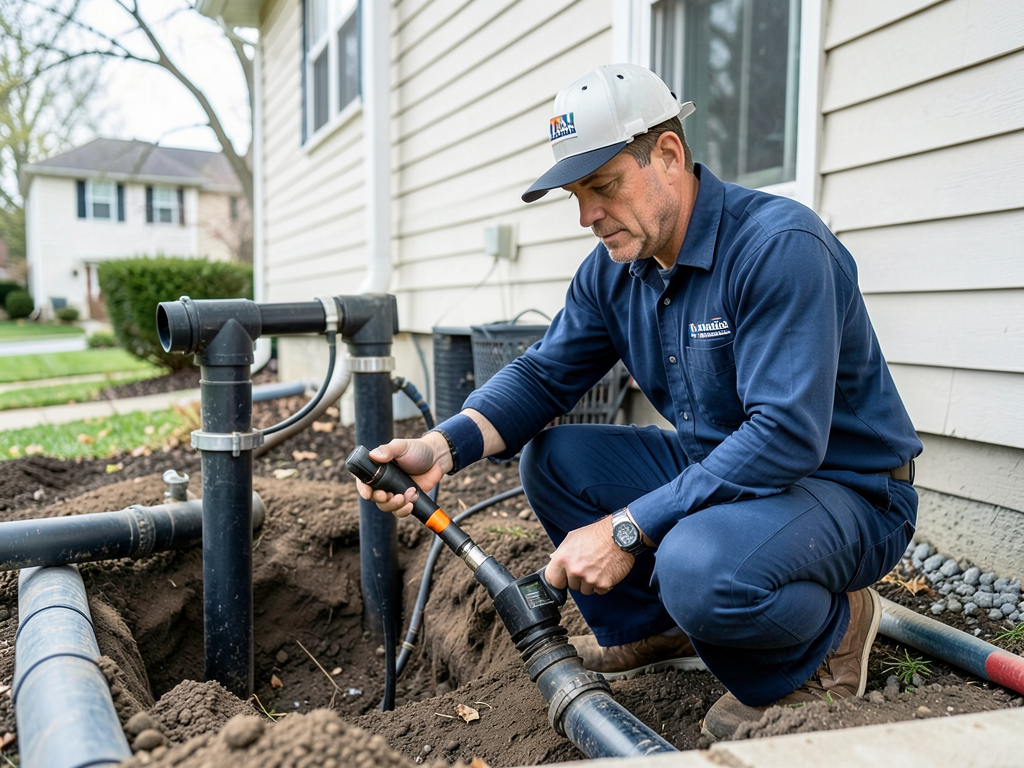





Seattle's apartment building stock includes thousands of units constructed between 1960 and 1990, when galvanized steel and cast iron dominated plumbing installations. These materials face accelerated degradation in Seattle's wet climate, where constant moisture exposure and moderately hard water create corrosion and mineral buildup. Buildings in low-lying areas near Elliott Bay or along the Ship Canal face additional pressure from high groundwater tables that stress foundation drainage systems. Property managers in neighborhoods like Capitol Hill, Ballard, and the University District deal with plumbing systems approaching end-of-service life, requiring strategic replacement planning to avoid cascading failures.
Seattle's plumbing code includes specific requirements for multi-family buildings that exceed residential standards. Backflow prevention, seismic restraint for water heaters, and ventilation standards for shared drainage systems require specialized knowledge during repairs and renovations. Properties built before current code adoption may need compliance upgrades during major renovations. Working with a plumbing contractor who understands Seattle's regulatory environment and inspection protocols protects you from costly rework and ensures your building meets safety standards. Local expertise matters when your business depends on maintaining habitable conditions and protecting your reputation in Seattle's competitive rental market.