





menu

Sediment Buildup in Pipes in Seattle – Expert Diagnosis and Complete System Restoration

Horizon Plumbing Seattle identifies hidden sediment buildup in your water lines with camera inspections and advanced descaling techniques, restoring full flow and pressure before pipe damage becomes irreversible.

Slider Image 1
Slider Image 2
Slider Image 3
Slider Image 4
Slider Image 5
Slider Image 7
Slider Image 8
Slider Image 9
Slider Image 10
Slider Image 11

Why Seattle Water Creates Sediment Problems You Can't Ignore

You turn on the tap and the pressure is weak. The water heater makes a rumbling noise like rocks tumbling inside. Your faucet aerators clog every few weeks. These are the symptoms of sediment buildup in pipes, and Seattle's water chemistry makes it worse than you think.

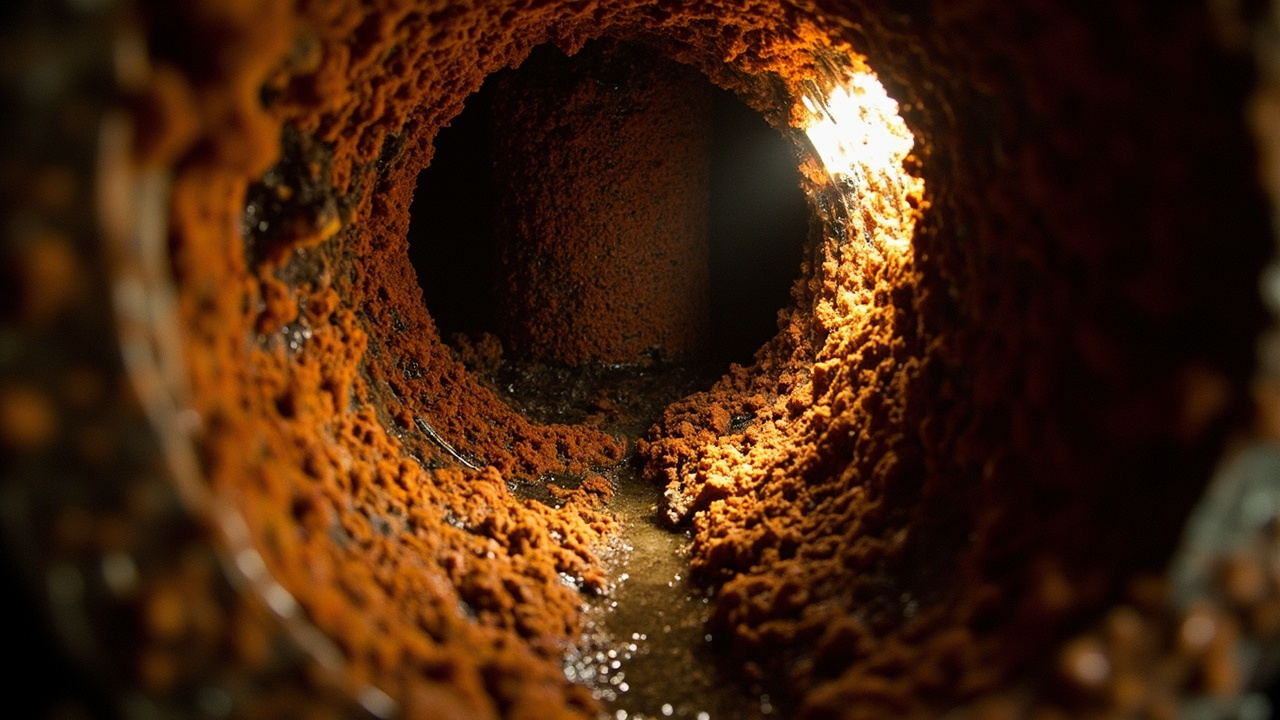
Seattle draws its water from the Cedar River and Tama River watersheds. While soft compared to many regions, Seattle water still carries enough mineral content to create calcium buildup in water lines over time. The bigger culprit is particulate sediment. Aging infrastructure, pipe corrosion, and seasonal turbidity spikes introduce rust, sand, and mineral deposits in water pipes that settle into horizontal runs and low points.

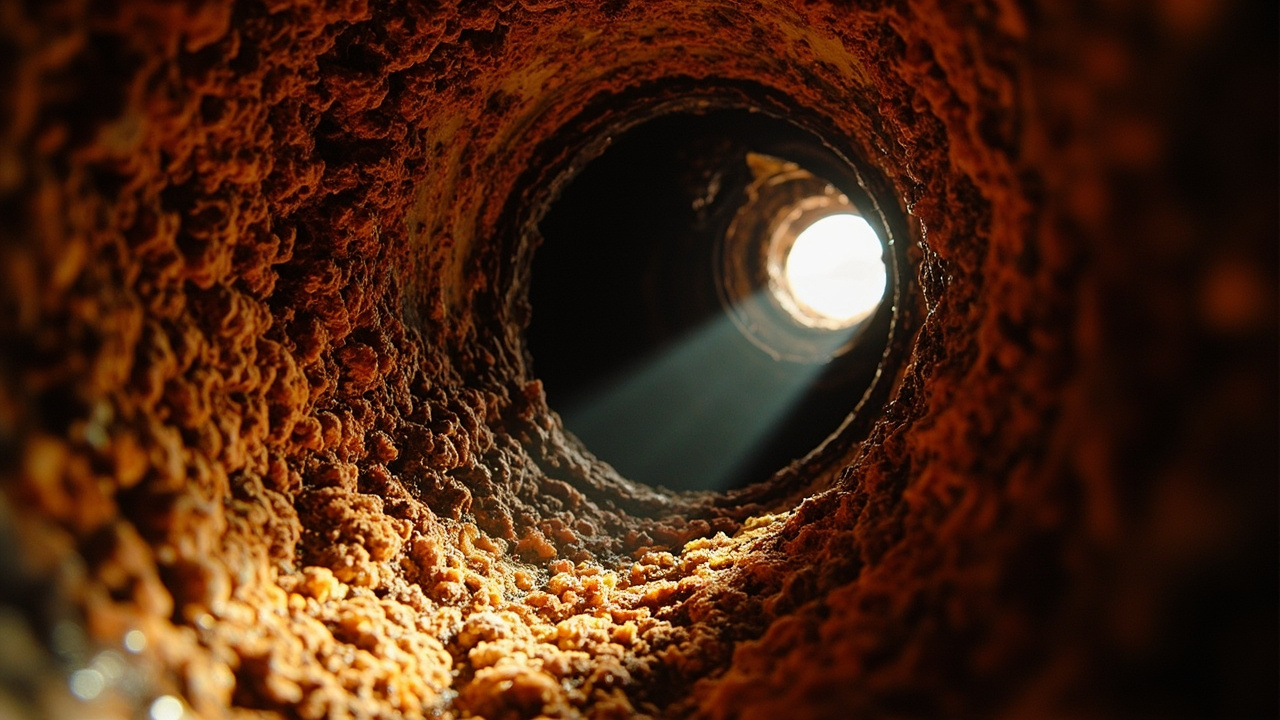
In neighborhoods with older galvanized steel pipes, like Ballard or Queen Anne, the problem compounds. As galvanization breaks down, zinc and iron particles flake off and mix with hard water pipe scaling. The result is a thick sludge that narrows pipe diameter and traps debris. Water heaters in Seattle homes typically accumulate a half-inch or more of sediment every few years due to this particulate load.

Limescale accumulation in plumbing is less aggressive here than in hard water regions, but pipe calcification problems still occur, especially in tankless water heaters and at temperature change points where minerals precipitate out. The combination of organic sediment and mineral scale creates a layered blockage that standard flushing cannot remove.

When sediment restricts flow, your fixtures suffer. Showerheads dribble. Dishwashers take longer to fill. Water heaters work harder and fail sooner. Left untreated, sediment causes pinhole leaks in copper lines and catastrophic failures in water heater tanks.

Why Seattle Water Creates Sediment Problems You Can't Ignore
How We Remove Sediment and Restore Your Plumbing System

How We Remove Sediment and Restore Your Plumbing System

Sediment removal is not a one-size-fits-all operation. We do not flush your system and hope for the best. Horizon Plumbing Seattle uses a multi-method approach based on what the inspection reveals.

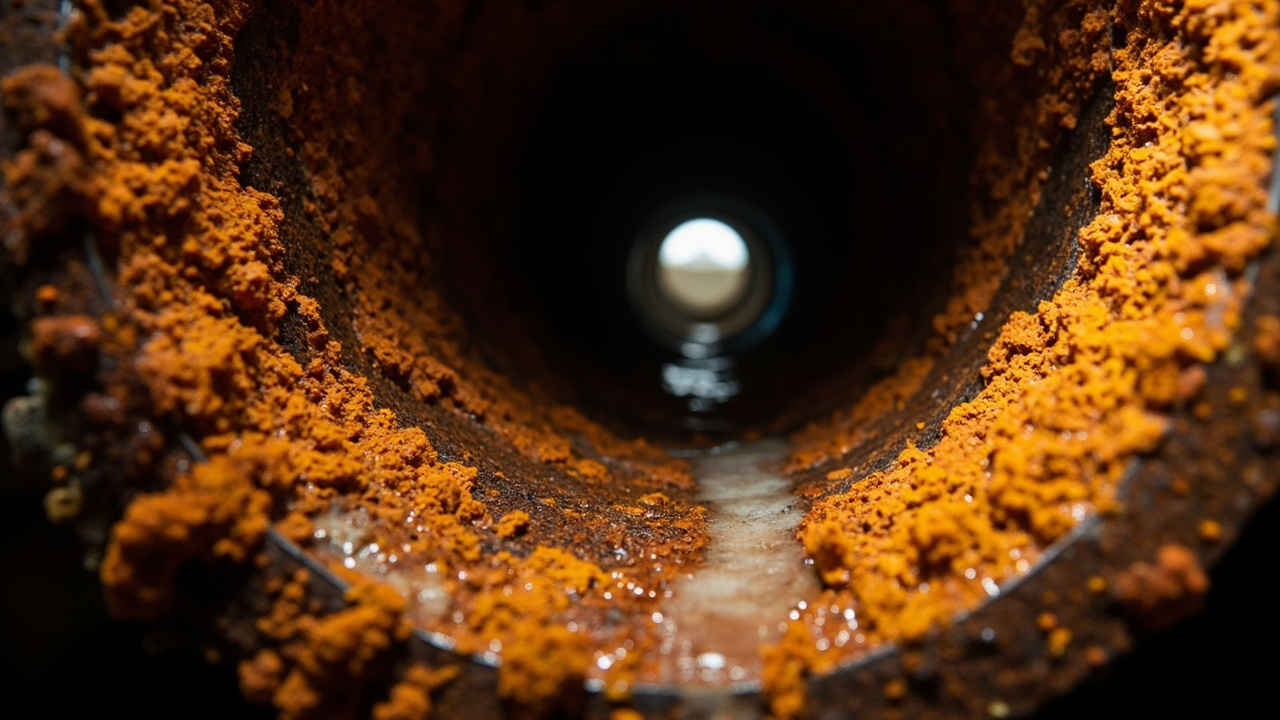
First, we run a sewer camera through accessible lines. This shows us exactly where sediment has accumulated, how thick the buildup is, and whether corrosion is contributing to the problem. In older homes, we often find sediment dams in horizontal pipe runs under slabs or in crawl spaces where flow velocity drops.

For localized buildup, we use hydro-jetting. This is not a garden hose. We deploy a high-pressure water jetter rated at 3,000 to 4,000 PSI that scours pipe walls clean without damaging copper or PEX. The nozzle design creates forward thrust and reverse jets that pulverize sediment and flush it out through cleanouts.

For calcium buildup in water lines and limescale accumulation in plumbing, we apply descaling solutions. These are acidic formulations that dissolve mineral scale without corroding metal. We circulate the solution through closed loops, let it dwell, then flush with neutralizing agents. This method is common for water heater descaling and for clearing heat exchangers in tankless units.

If the camera inspection reveals severe pipe calcification problems or pipe walls thinned by corrosion, we recommend targeted repiping. Replacing a 10-foot section of failing galvanized pipe is smarter than treating sediment in a pipe that will fail in six months.

We also address the source. If your water heater is the primary sediment generator, we flush it, install a sediment trap, or recommend replacement if the tank is corroded. If the municipal supply is delivering high turbidity, we install whole-house sediment filters rated at five microns or less.

What Happens During a Sediment Inspection and Cleaning

Sediment Buildup in Pipes in Seattle – Expert Diagnosis and Complete System Restoration
01

Camera Inspection and Mapping

We insert a waterproof camera into your water lines through a hose bib or cleanout. The camera feeds live video to a monitor, showing us sediment thickness, pipe condition, and blockage locations. We map problem areas and photograph the worst sections. This diagnostic step takes 30 to 60 minutes and gives us a clear action plan before we start invasive work.
02

Hydro-Jetting or Chemical Descaling

Based on the inspection, we either deploy the hydro-jetter or circulate descaling solution. Hydro-jetting takes one to three hours depending on pipe length and sediment density. Chemical descaling requires a dwell time of two to four hours. We control all variables to prevent damage. You will see the sediment coming out in the flush water, often in startling quantities.
03

System Flush and Verification

After cleaning, we flush the entire system with clean water to remove residual sediment and neutralize any chemicals. We test flow rates at multiple fixtures and compare them to baseline measurements. If the camera inspection showed corrosion or thin pipe walls, we provide a written assessment and recommend monitoring or replacement. You leave with documentation and a clear maintenance plan.

Why Seattle Homeowners Trust Horizon Plumbing for Sediment Issues

Sediment problems are misdiagnosed constantly. A plumber who does not run a camera will guess. A plumber without hydro-jetting equipment will tell you the only option is repiping. A plumber unfamiliar with Seattle's water profile will treat limescale like it is Phoenix and waste your money on the wrong solution.

Horizon Plumbing Seattle knows the difference between mineral deposits in water pipes and organic sediment. We know which Seattle neighborhoods have galvanized service lines and which have copper. We know the Cedar River supply has different sediment characteristics than the Tama River supply. We know when descaling works and when it does not.

We have cleaned sediment from Craftsman homes in Fremont with 80-year-old galvanized pipes. We have descaled tankless water heaters in new construction in South Lake Union. We have hydro-jetted commercial buildings in Pioneer Square where the supply lines predate World War II. Every job teaches us something, and we apply that knowledge to your system.

You will not get upselling. If your pipes are clean and the sediment is isolated to the water heater, we tell you that. If the sediment is masking a bigger problem like corroded supply lines, we tell you that too. We provide options with cost ranges and let you decide.

We also understand Seattle building codes and permitting. If we recommend repiping or a backflow preventer installation, we pull the permits and schedule inspections. You do not have to navigate the Seattle Department of Construction and Inspections. We handle it.

Our service area covers the entire Seattle metro, from Shoreline to Renton, and from Bellevue to West Seattle. We keep hydro-jetting equipment and camera gear on every truck. You do not wait three days for a specialist to arrive.

What to Expect When You Call Horizon Plumbing Seattle

Same-Day or Next-Day Service

Sediment problems are not emergencies, but they indicate bigger issues. We schedule inspections within 24 hours in most cases. If you are experiencing total loss of hot water or severe pressure drops, we prioritize you. Our trucks run six days a week, and we block time for diagnostic appointments every morning. You will get a two-hour arrival window, and we call 30 minutes out. Most inspections and cleanings finish in a single visit.

Transparent Diagnostic Process

We start with questions. How old is the house? When did you notice the pressure drop? Have you replaced the water heater? We test static pressure at the meter and compare it to pressure at the fixtures. If there is a 15 PSI drop, sediment is likely. We show you the camera footage in real time and explain what you are seeing. You will understand the problem before we quote a solution. The inspection fee applies toward the cleaning if you proceed.

Complete Sediment Removal

When we finish, your water pressure will return to normal or we identify the obstruction preventing it. We measure flow rates before and after. We photograph the sediment we removed. If the problem is distributed throughout the system, we provide a written plan for staged cleaning or repiping. You will not pay for a partial fix. We clean until the system performs correctly or until we hit a structural limit that requires pipe replacement.

Maintenance Recommendations and Follow-Up

Sediment returns. The rate depends on your water source and pipe material. We recommend water heater flushing every 12 to 18 months and whole-house sediment filter changes every six months if you install one. We log your system details and send maintenance reminders if you opt in. If sediment recurs faster than expected, we investigate the source at no additional diagnostic charge. Our goal is a long-term solution, not a recurring service call.

Frequently Asked Questions

You Have Questions,
We Have Answers

How do you flush sediment out of pipes? +

Flushing sediment from pipes requires opening multiple cold water taps simultaneously at the lowest point in your home, typically a basement or ground floor faucet. Run the water for 15 to 20 minutes to clear loose buildup. For heavy sediment, you need professional hydro jetting, which uses high-pressure water to scour pipe walls clean. In Seattle, older homes with galvanized pipes often accumulate rust and mineral deposits from the city's relatively soft water mixing with aging pipe interiors. If flushing taps does not restore flow or water clarity, call a plumber to inspect for corrosion or scale that requires mechanical removal.

What causes sediment in water pipes? +

Sediment in water pipes comes from mineral deposits, rust, and particulate matter. In Seattle, the primary culprits are corroded galvanized or iron pipes shedding rust particles and calcium buildup from water heaters. When municipal water mains get flushed or repaired, loose sediment can also enter your service line. Older neighborhoods near Capitol Hill and Queen Anne often see sediment issues due to aging infrastructure. Scale forms when minerals precipitate out of water and cling to pipe walls, narrowing the diameter over time. Corrosion accelerates in homes with acidic water or dissimilar metal connections, creating brown or reddish sediment that clogs fixtures and aerators.

How long does it take to run water to get sediment out? +

Run cold water for 15 to 20 minutes from the lowest tap in your home to flush loose sediment. Open multiple taps simultaneously to increase flow velocity and push particles through the system. If water does not clear after 20 minutes, sediment is likely adhered to pipe walls and requires professional cleaning. In Seattle homes with galvanized pipes, sediment often re-accumulates quickly because the corrosion continues. For water heaters, drain the tank completely through the drain valve, which can take 30 to 60 minutes depending on tank size. Persistent cloudiness or discoloration after flushing indicates a deeper pipe problem that needs inspection.

How to remove silt from pipes? +

Removing silt from pipes starts with flushing cold water through the lowest taps for 15 to 20 minutes. For stubborn silt, plumbers use hydro jetting, which blasts high-pressure water through pipes to scour away buildup without damaging the lines. Another method involves mechanical cleaning with augers or descaling tools that physically scrape pipe interiors. In Seattle, silt often accumulates in homes near construction zones or after water main work disturbs sediment in municipal lines. Older clay or cast iron sewer laterals can also collect silt and require professional camera inspection to identify problem areas before choosing the right cleaning method.

How do plumbers descale pipes? +

Plumbers descale pipes using hydro jetting or mechanical cable machines with specialized cutting heads. Hydro jetting uses water at 3,000 to 4,000 PSI to break up and flush out mineral scale, rust, and debris. For severe scale in smaller diameter lines, plumbers use rotary descaling tools with chain knockers or blade attachments that grind away buildup as the cable spins. In Seattle, descaling is common in older homes with galvanized pipes where decades of mineral accumulation restrict flow. The method depends on pipe material, age, and severity. Camera inspection before descaling helps plumbers assess pipe condition and avoid damaging weakened sections.

Why should you never use baking soda and vinegar to unclog a drain? +

Baking soda and vinegar create a weak acid reaction that produces mostly water and carbon dioxide gas. The fizzing action lacks the chemical strength to dissolve grease, soap scum, or hair clogs. This method wastes time and can worsen clogs by pushing debris deeper into the line. In Seattle homes with older cast iron or galvanized pipes, the reaction does nothing to address scale or corrosion. Worse, leftover baking soda can harden into a paste when it mixes with grease, creating a tougher blockage. For real clogs, use a plunger, auger, or call a plumber for hydro jetting or mechanical cleaning.

Is it okay to pour boiling water down drains in the house to clean them? +

Pouring boiling water down drains is safe for metal pipes but risky for PVC or older fixtures. Boiling water can soften PVC joints and cause leaks, especially in homes built after the 1970s when plastic drainpipes became standard. In Seattle, many homes mix old cast iron with newer PVC, making it hard to know what is under your floors. Boiling water also does not dissolve grease clogs effectively because grease re-solidifies further down the line where pipes are cooler. For kitchen drains, hot tap water works better for regular maintenance. For stubborn clogs, use a plunger or call a plumber.

What are two things you should never flush down a toilet? +

Never flush wipes or feminine hygiene products down a toilet. Wipes, even those labeled flushable, do not break down like toilet paper and snag on pipe joints, tree roots, or rough spots in sewer lines. They create massive clogs that require professional augering or hydro jetting. Feminine hygiene products absorb water and expand, blocking pipes quickly. In Seattle, older sewer laterals with clay or cast iron connections are especially vulnerable to these clogs because tree roots infiltrate cracks and catch debris. Flushing these items causes backups that damage floors and require expensive emergency service. Use only toilet paper and human waste.

How much does it cost to clear a blockage? +

Clearing a blockage costs between service call fees and the complexity of the clog. Simple drain clogs accessible with a standard auger run less than major sewer line blockages requiring hydro jetting or excavation. In Seattle, tree root intrusion into older clay sewer laterals drives up costs because roots require cutting and often camera inspection to assess damage. Emergency calls after hours or on weekends add premium charges. Costs also vary by location in the pipe. Kitchen sink clogs are cheaper than main line stoppages. Get a clear quote before work begins and ask if the estimate includes camera inspection to identify the root cause.

How much does a plumber charge to flush it? +

Plumbers charge based on the type of flush required and the system being serviced. Flushing a water heater to remove sediment is straightforward maintenance. Flushing a main sewer line with hydro jetting costs significantly more because it requires specialized equipment and takes longer. In Seattle, homes with older galvanized pipes or water heaters past 10 years often need annual flushing to prevent sediment buildup that restricts flow and damages fixtures. Emergency flushes after a backup cost more than scheduled maintenance. Get a detailed estimate that specifies what equipment will be used, how long the job takes, and whether follow-up camera inspection is included.

How Seattle's Aging Water Mains Contribute to Sediment in Your Home

Seattle Public Utilities maintains over 1,700 miles of water mains, many installed before 1950. When these mains break or corrode, they release rust and sediment into the supply. Even without breaks, low-demand periods allow particulates to settle in mains, then turbulence during high-demand hours stirs them up and pushes them into service lines. Neighborhoods with cast iron mains, like Capitol Hill and the University District, see more sediment events. If your water suddenly turns brown after a main break, sediment has entered your pipes. It does not flush out completely on its own. It settles in low spots and builds up over months. Horizon Plumbing Seattle tracks SPU main break notifications and proactively reaches out to affected areas. If you notice sudden sediment, call us before it calcifies.

Seattle's plumbing code requires backflow prevention on irrigation systems and commercial properties, but many older homes lack whole-house sediment filtration. As a local company, we understand which Seattle neighborhoods have consistent sediment issues and which have isolated incidents. We stock filter housings rated for Seattle's water pressure, and we know which models handle the particulate load without clogging weekly. We also coordinate with local inspectors when permits are required for filtration system installations. Choosing a plumber who knows Seattle's infrastructure and code requirements means you get a solution tailored to your block, not a generic fix imported from a different climate.

Plumbing Services in The Seattle Area

Horizon Plumbing Seattle proudly serves the entire Seattle metropolitan area and surrounding communities. We invite users to view our service area map to confirm that your home or business falls within our coverage zone, ensuring we can deliver fast, reliable service right to your doorstep. Our professional team is strategically located to offer prompt dispatch, whether you're in the heart of downtown or the outlying neighborhoods. Call us to confirm coverage and schedule your expert plumbing appointment today; we look forward to serving you with confidence and a warm welcome.

Address:
Horizon Plumbing Seattle, 1515 Dexter Ave N, Seattle, WA, 98109

Additional Services We Offer

Our news updates

Latest Articles & News from The Blogs

Is Your Garbage Disposal Safe for the Septic System at Your Rural King County Property? If you live in a…

Is Your Garbage Disposal Safe for the Septic System at Your Rural King County Property?

Is Your Garbage Disposal Safe for the Septic System at Your Rural King County Property? If you live in a…

Why You Should Consider a Pressure Reducing Valve for Your Phinney Ridge Home

Why You Should Consider a Pressure Reducing Valve for Your Phinney Ridge Home Living in Phinney Ridge means dealing with…

The Real Difference Between a Main Line Clog and a Simple Sink Drain Issue

The Real Difference Between a Main Line Clog and a Simple Sink Drain Issue \n\n Water backing up in your…

Contact Us

Do not wait for a water heater failure or pinhole leak. Call Horizon Plumbing Seattle at (564) 220-5552 to schedule a camera inspection and sediment cleaning. We diagnose the problem correctly and fix it permanently.