





menu

Emergency Frozen Pipe Thawing & Repair in Seattle – 24/7 Dispatch Stops Water Damage Fast

When frozen pipes burst or water stops flowing, every minute counts. Our emergency frozen pipe repair teams arrive fast across Seattle with professional pipe thawing equipment to restore your water and prevent catastrophic flooding.

Slider Image 1
Slider Image 2
Slider Image 3
Slider Image 4
Slider Image 5
Slider Image 7
Slider Image 8
Slider Image 9
Slider Image 10
Slider Image 11

Seattle's Cold Snaps Turn Frozen Pipes Into Flooding Nightmares

You turn on the faucet and nothing happens. Or worse, you hear water gushing behind the walls. Seattle's unpredictable winter weather creates perfect conditions for frozen water lines, especially during those sudden cold snaps that drop temperatures below freezing overnight.

The Puget Sound region's moderate climate means most homes were not built for prolonged freezing. Pipes in crawl spaces, exterior walls, and unheated garages freeze quickly when temperatures dip. The danger is not just the ice blockage. As water freezes, it expands with thousands of pounds of pressure. This pressure cracks copper pipes, splits PEX lines, and ruptures galvanized connections.

When the ice thaws, water floods through those cracks. A single burst pipe can dump hundreds of gallons per hour into your walls, ceilings, and foundation. We see this pattern repeat every winter across Queen Anne, Capitol Hill, and Ballard, where older homes with minimal insulation face the highest risk.

The critical window is right now. If you have no water flow or hear dripping behind walls, you need emergency frozen pipe repair before a partial freeze becomes a complete rupture. Professional pipe thawing services use controlled heat application to safely unfreeze plumbing pipes without causing thermal shock that can crack already-stressed pipes.

Waiting until morning or trying DIY methods with space heaters and hairdryers wastes time and increases damage risk. The faster you get frozen water line repair, the better your chances of avoiding a complete system failure and the water damage that follows.

Seattle's Cold Snaps Turn Frozen Pipes Into Flooding Nightmares
Our Rapid-Response Thawing Protocol Saves Your Pipes

Our Rapid-Response Thawing Protocol Saves Your Pipes

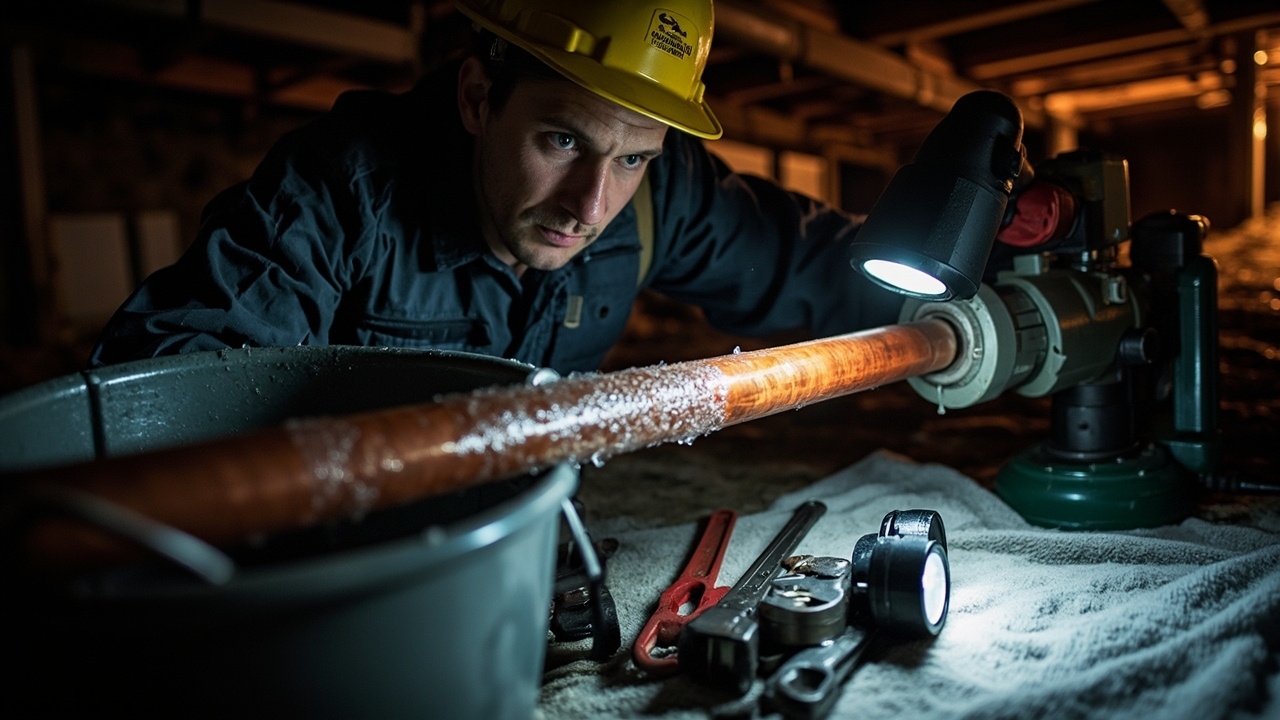
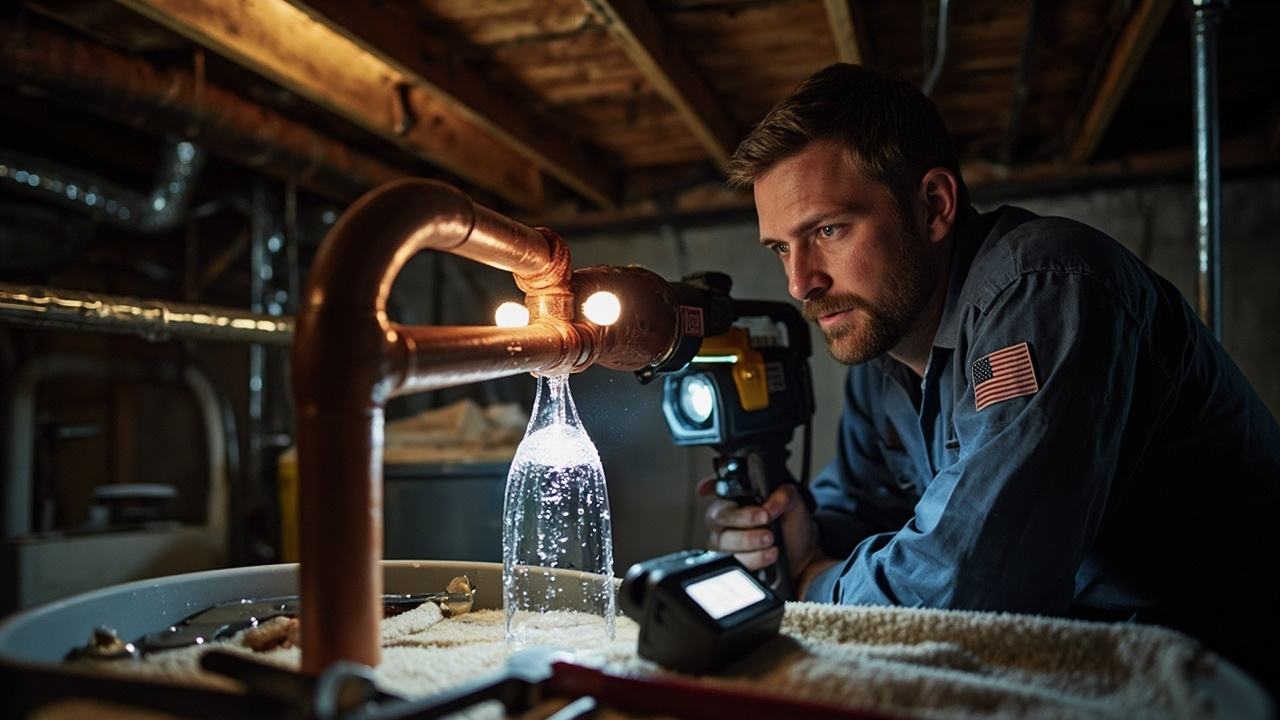
We do not guess where your pipes are frozen. Our technicians use infrared thermal imaging to pinpoint the exact location of ice blockages in your supply lines. This technology shows temperature differentials through walls and floors, letting us identify frozen sections without destructive exploratory work.

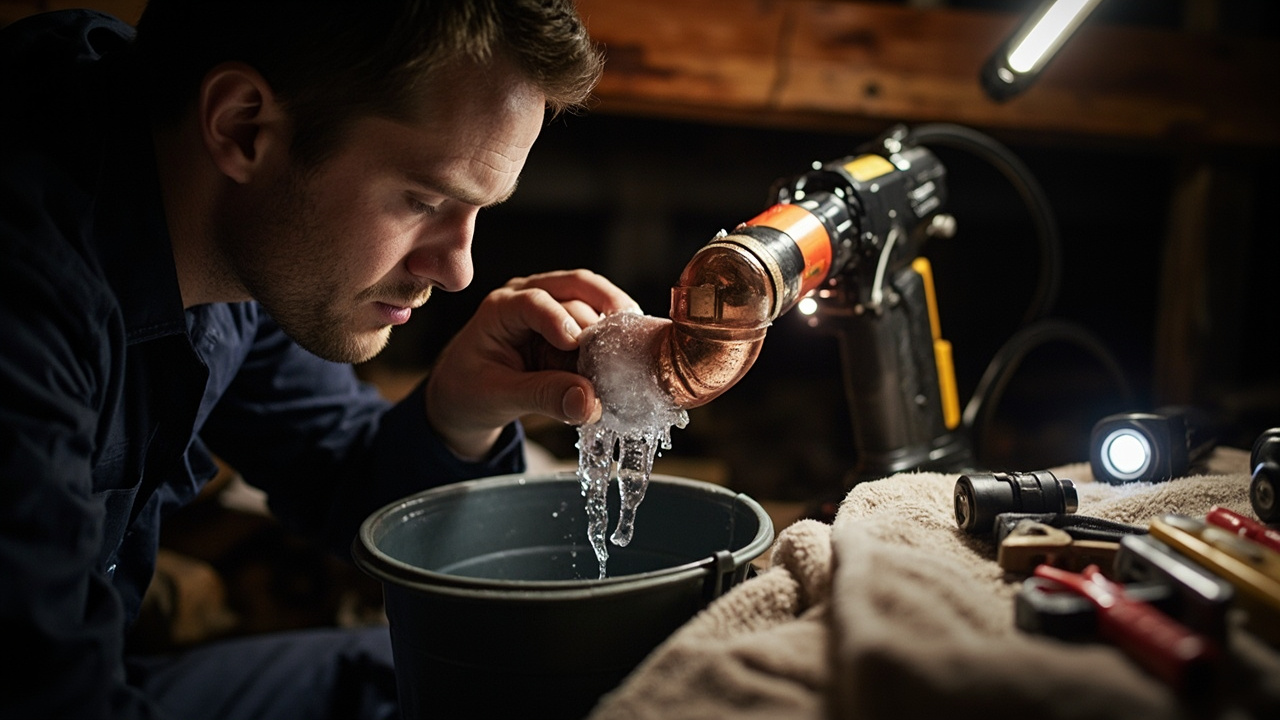
Once we locate the blockage, we apply controlled heat using industrial pipe thawing equipment. For accessible pipes, we use electric heat tape that wraps around the frozen section and gradually raises the temperature. For pipes inside walls, we use hot water circulation methods or electric thawing machines that send low-voltage current through the pipe itself, generating heat from within.

The key is gradual warming. Rapid temperature changes cause thermal expansion that can crack pipes that are already stressed from ice pressure. Our technicians monitor pipe temperature during the entire thaw process to prevent this secondary damage.

While thawing progresses, we open faucets downstream to relieve pressure and allow water to flow as soon as the ice melts. We also inspect the entire affected line for signs of damage. Small cracks or bulges indicate the pipe sustained stress and may fail when pressure returns.

If we find damage, we isolate that section and perform immediate repairs before restoring full water pressure. This prevents the common scenario where a pipe thaws, seems fine for an hour, then bursts catastrophically when the weakened section gives out.

For homes with repeated freezing issues, we identify the root cause. Poor insulation, air leaks, or undersized heat trace cables often contribute. We provide recommendations to prevent future freezes, but our immediate focus is getting your water flowing and stopping active damage.

How We Fix Frozen Water Pipes Under Emergency Conditions

Emergency Frozen Pipe Thawing & Repair in Seattle – 24/7 Dispatch Stops Water Damage Fast
01

Emergency Diagnostic Assessment

Our technician arrives with thermal imaging equipment and immediately scans your plumbing system to locate frozen sections. We identify which lines are blocked, check for active leaks, and determine if pipes have already burst. This diagnostic phase takes 15 to 20 minutes and gives us a complete picture of the damage. We also shut off water to any compromised sections to prevent flooding if ice melts before we complete repairs.
02

Controlled Pipe Thawing

We apply heat using the safest method for your specific situation. Exposed pipes get wrapped with electric heat tape. Concealed lines may require hot water circulation or electric resistance thawing. We monitor temperature continuously to prevent thermal shock. As ice melts, we watch for water flow and pressure changes that indicate clearing. This phase takes 30 minutes to two hours depending on the length and location of the frozen section.
03

Pressure Testing and Repair

Once pipes are thawed, we slowly restore water pressure while monitoring for leaks. Any damaged sections get repaired immediately using appropriate methods for your pipe material. We test all connections, check for hidden leaks in walls or ceilings, and verify full system function. Before we leave, you have restored water service and confidence that your system is secure. We also provide guidance on preventing future freezes in vulnerable areas.

Why Seattle Homeowners Call Horizon Plumbing During Pipe Emergencies

When you call at 2 a.m. because water is pouring through your ceiling, you need a plumber who answers the phone and actually shows up. We dispatch from multiple locations across the Seattle metro to reach you faster. Our average emergency response time is under 60 minutes for most neighborhoods from Fremont to West Seattle.

Our technicians carry professional thawing equipment in every truck. We do not need to go back to the shop for specialized tools or wait for equipment rental. This readiness means we start fixing the problem the moment we arrive, not an hour later.

We know Seattle's housing stock. The Craftsman homes in Wallingford, the mid-century ramblers in Lake City, and the newer townhomes in South Lake Union all have different plumbing vulnerabilities. Older homes often have galvanized pipes that freeze more readily. Newer construction may have PEX in exterior walls without adequate insulation. This local knowledge helps us diagnose faster and recommend effective solutions.

Horizon Plumbing Seattle also understands the insurance documentation process. We provide detailed reports with photos of the damage, explanations of the cause, and itemized repair lists. This documentation helps you file claims and proves the emergency nature of the repairs if your insurer questions coverage.

We also handle the collateral issues that come with frozen pipes. If we need to open a wall to access a burst line, we make surgical cuts and coordinate with your preferred contractor for drywall repair. If your water heater lost pressure or your fixtures were damaged by flooding, we address those issues during the same visit.

You get one team handling the entire crisis, not a parade of different contractors over the next week.

What Happens During an Emergency Frozen Pipe Service Call

Immediate Dispatch and Arrival

We answer emergency calls 24 hours a day, every day of the year. When you call (564) 220-5552, you speak with a dispatcher who logs your location and symptoms immediately. We send the nearest available technician with full emergency equipment. Most calls in Seattle, Shoreline, and Renton get response times under 60 minutes. We call you when the technician is 10 minutes out so you can prepare access. No automated systems, no waiting until morning, no callbacks.

Thermal Imaging and Leak Detection

Our technicians use FLIR thermal cameras to scan your plumbing system without opening walls. These cameras detect temperature differences that reveal frozen sections, active leaks, and compromised insulation. We map the entire affected area, identify the freeze location, and check for secondary damage. This technology eliminates guesswork and prevents unnecessary demolition. You get an accurate diagnosis in minutes, along with a clear explanation of what we found and what it will take to fix it properly.

Complete Thaw and Verified Repair

We do not leave until your water flows properly and we verify system integrity under pressure. After thawing, we test every connection and monitor for 15 to 20 minutes to catch slow leaks that might not show immediately. Any damaged pipes get repaired or replaced using code-compliant materials and methods. We clean up water from the thawing process and help you start the drying process if flooding occurred. You get a detailed invoice that breaks down labor, materials, and diagnostic work for insurance purposes.

Prevention Guidance and Monitoring

Before we leave, we explain why your pipes froze and what you can do to prevent future incidents. This might include adding insulation, installing heat trace cable, sealing air leaks, or adjusting your thermostat strategy during cold snaps. We do not sell you services you do not need, but we do point out vulnerabilities. If we see other pipes at risk, we tell you which ones to monitor and what warning signs to watch for. Many clients avoid secondary freezing events because of these recommendations.

Frequently Asked Questions

You Have Questions,
We Have Answers

How much do plumbers charge to unfreeze pipes? +

Plumbers in Seattle typically charge $200 to $500 for frozen pipe thawing, depending on pipe location and accessibility. Hard-to-reach pipes in crawl spaces or behind walls cost more because they require more labor and specialized equipment. Emergency after-hours calls add 50% to 100% to the standard rate. If you have burst pipes requiring repair, expect additional charges for materials and patching. Many Seattle plumbers offer flat-rate pricing for thawing, which protects you from hourly billing surprises. Call multiple licensed plumbers to compare quotes, but during a cold snap, availability matters more than price. Faster response prevents costly water damage.

How do plumbers thaw frozen pipes? +

Seattle plumbers use several methods to safely thaw frozen pipes. They apply controlled heat using electric pipe-thawing machines that send low-voltage current through metal pipes, warming them from the inside. For plastic pipes, they use infrared heat lamps or hot water circulation. Plumbers locate the frozen section first, often using thermal imaging cameras. They open faucets to relieve pressure and allow melting ice to drain. Crawl space pipes common in Seattle homes get thawed using portable heaters and heat tape. Professional plumbers never use open flames or blow torches because they damage pipes and create fire hazards. The process takes 30 minutes to several hours.

What not to do when thawing frozen pipes? +

Do not use open flames, propane torches, or high-heat devices on frozen pipes. They cause pipe bursts, release toxic fumes from plastic pipes, and create fire risks in your Seattle home. Never ignore a frozen pipe and hope it thaws naturally, burst pipes cause thousands in water damage. Do not thaw pipes without opening faucets first, the pressure buildup causes ruptures. Avoid using space heaters left unattended near flammable materials. Do not pour boiling water directly onto frozen pipes, the thermal shock cracks them. Stop attempting DIY thawing if you see bulging pipes, hear hissing, or smell gas. Call a licensed plumber immediately.

Is it okay to let frozen pipes thaw on their own? +

No. Letting frozen pipes thaw on their own is risky in Seattle homes. Ice expansion already stressed the pipe walls, and slow, uncontrolled thawing increases burst risk. You cannot monitor internal pressure buildup when pipes thaw naturally. Exterior pipes exposed to Seattle's fluctuating winter temperatures may refreeze at night before fully thawing, worsening the ice blockage. Frozen pipes in crawl spaces often stay frozen for days without intervention, delaying your water access. The longer pipes stay frozen, the higher the chance of cracks forming. Professional thawing takes under two hours and prevents the $5,000+ average cost of burst pipe water damage and repairs.

Does homeowners insurance cover frozen pipes? +

Most Seattle homeowners insurance policies cover sudden burst pipe damage, but not damage from neglect. If you failed to winterize vacant property or maintain heat during freezing weather, your claim may be denied. Thawing service costs are typically not covered, only resulting water damage to floors, walls, and belongings. Frozen pipes that crack but do not burst create gray areas, insurers examine whether you took preventative steps. Keep your thermostat at 55°F minimum when traveling and document it. Review your policy's water damage exclusions before winter. File claims immediately after discovering damage, delays raise red flags and reduce payouts.

Should I leave my faucet on if my pipes are frozen? +

Yes. Leave the affected faucet slightly open when you discover frozen pipes. Running water, even a trickle, relieves pressure building behind the ice blockage. This pressure release reduces burst risk as ice expands. Open both hot and cold taps because you may not know which supply line froze. The flowing water also helps melt ice once thawing begins. Seattle's municipal water enters homes at around 50°F, warmer than frozen pipes, so the running water aids thawing. Keep faucets open until full water pressure returns and water runs clear. If no water flows after 30 minutes of thawing attempts, stop and call a licensed plumber immediately.

Can frozen pipes burst even after thawing? +

Yes. Pipes can burst during or after thawing because ice expansion already weakened the pipe walls. Thawing reveals cracks formed during freezing. Pressure surges when ice melts cause compromised pipes to rupture suddenly. Copper pipes common in older Seattle homes are especially vulnerable, micro-cracks appear invisible until water pressure tests them. Galvanized steel pipes corrode internally over decades, freezing accelerates failure. Watch for wet spots on walls, ceilings, or floors after thawing. Listen for hissing or dripping sounds inside walls. Inspect thawed pipes visually for bulges or frost patterns indicating stress points. A plumber should pressure-test thawed pipes before you leave them unattended.

Which faucets to drip during freeze? +

Drip faucets farthest from your water meter and those on exterior walls. In Seattle homes, this often means bathrooms and kitchens on north-facing walls or above unheated crawl spaces. Drip both hot and cold taps because both supply lines freeze. Prioritize second-floor faucets, pipes in exterior walls lose heat faster. Open cabinet doors under sinks to let warm air circulate around pipes. Set the drip rate to pencil-lead thickness, five drips per minute prevents freezing without wasting water. Seattle Public Utilities does not charge extra for water used during freeze prevention. Focus on problem areas that froze before, pipes remember weak spots.

How to unfreeze pipes without them bursting? +

Open faucets first to relieve pressure, then apply gentle, gradual heat starting from the faucet end, working toward the frozen section. Use a hair dryer, heat lamp, or hot towels. Never start heating at the blockage, trapped steam pressure causes bursts. Wrap electric heating pads around accessible pipes, keep the temperature low. For Seattle crawl space pipes, use space heaters but never leave them unattended. Check for bulging or frost-covered sections before applying heat, these indicate severe freezing. Stop immediately if you see leaks or hear cracking sounds. If pipes are inside walls or you cannot locate the frozen section, call a licensed plumber with thermal imaging equipment.

At what temperature should you let your faucets drip? +

Let faucets drip when temperatures drop to 28°F or below in Seattle. However, consider wind chill and pipe exposure. Pipes in unheated crawl spaces or exterior walls freeze at higher temperatures than 32°F because they lack insulation. During Seattle's rare cold snaps, start dripping faucets when overnight lows reach 30°F, especially if winds are strong. The National Weather Service issues freeze warnings when temperatures stay at 32°F for extended periods. Do not wait for official warnings. Monitor problem pipes that froze previously. Set thermostats to 55°F minimum when you travel. Dripping costs pennies, burst pipes cost thousands.

Why Seattle's Freeze-Thaw Cycles Make Pipe Damage Worse Than Other Cities

Seattle's moderate climate creates a false sense of security around winter plumbing protection. Unlike Minneapolis or Chicago, where homeowners expect frozen pipes and take aggressive winterization steps, Seattle residents face sudden temperature drops without warning. The problem intensifies because our typical temperature range hovers right around freezing. Pipes freeze overnight, partially thaw during the day, then refreeze the next night. This freeze-thaw cycle stresses pipes far more than a single deep freeze. Each cycle expands and contracts the pipe material, creating micro-fractures that eventually fail catastrophically.

Horizon Plumbing Seattle has served Puget Sound neighborhoods for years, giving us insight into which housing types face the highest risk. We know that homes built before 1980 in Greenwood and Northgate often have plumbing in uninsulated crawl spaces. The newer townhomes in Capitol Hill and Ballard sometimes have supply lines in exterior walls without adequate thermal protection. This local knowledge lets us respond faster and recommend solutions that actually work for Seattle construction. When you call us for frozen water line repair, you get a team that understands your home's specific vulnerabilities.

Plumbing Services in The Seattle Area

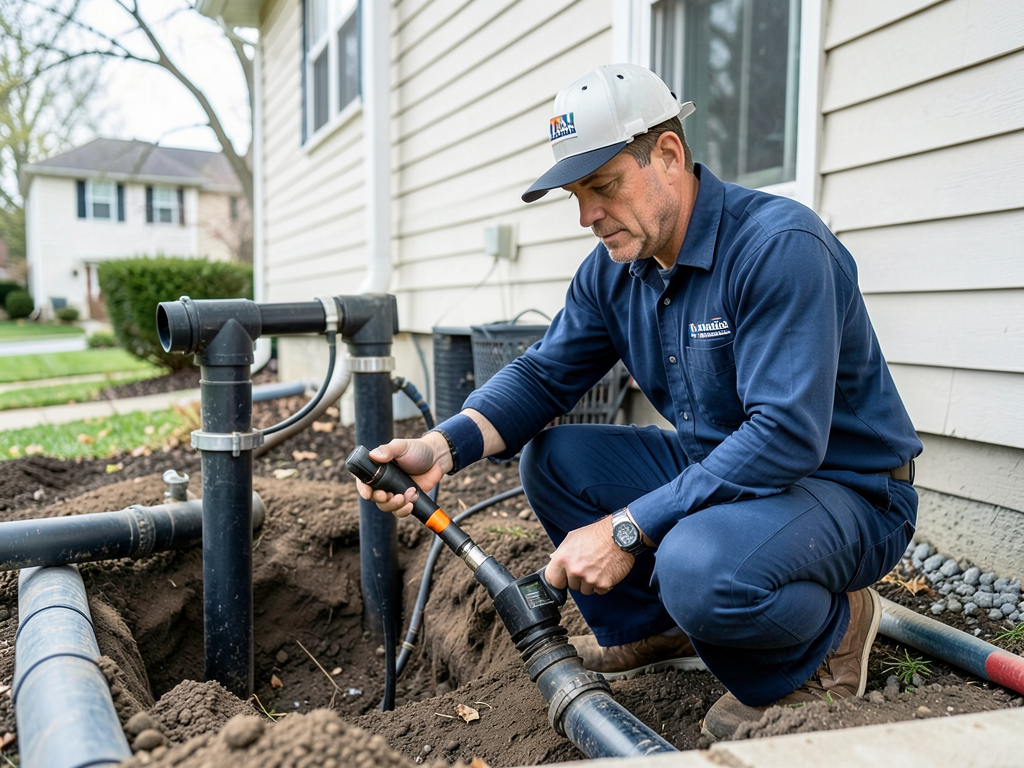
Horizon Plumbing Seattle proudly serves the entire Seattle metropolitan area and surrounding communities. We invite users to view our service area map to confirm that your home or business falls within our coverage zone, ensuring we can deliver fast, reliable service right to your doorstep. Our professional team is strategically located to offer prompt dispatch, whether you're in the heart of downtown or the outlying neighborhoods. Call us to confirm coverage and schedule your expert plumbing appointment today; we look forward to serving you with confidence and a warm welcome.

Address:
Horizon Plumbing Seattle, 1515 Dexter Ave N, Seattle, WA, 98109

Additional Services We Offer

Our news updates

Latest Articles & News from The Blogs

Why Georgetown Homeowners Are Choosing Professional Bidet Installation Services Georgetown's historic industrial charm and vibrant community make it a unique…

Why Homeowners in Georgetown are Upgrading to Professional Bidet Installations

Why Georgetown Homeowners Are Choosing Professional Bidet Installation Services Georgetown's historic industrial charm and vibrant community make it a unique…

Is Your Garbage Disposal Safe for the Septic System at Your Rural King County Property?

Is Your Garbage Disposal Safe for the Septic System at Your Rural King County Property? If you live in a…

Why You Should Consider a Pressure Reducing Valve for Your Phinney Ridge Home

Why You Should Consider a Pressure Reducing Valve for Your Phinney Ridge Home Living in Phinney Ridge means dealing with…

Contact Us

Do not wait for a frozen pipe to burst and flood your home. Call Horizon Plumbing Seattle at (564) 220-5552 right now for immediate dispatch. Our emergency technicians are standing by with professional thawing equipment to restore your water and prevent catastrophic damage.