Adding a Point of Use Water Heater to Your Madison Park Home Office or Workshop
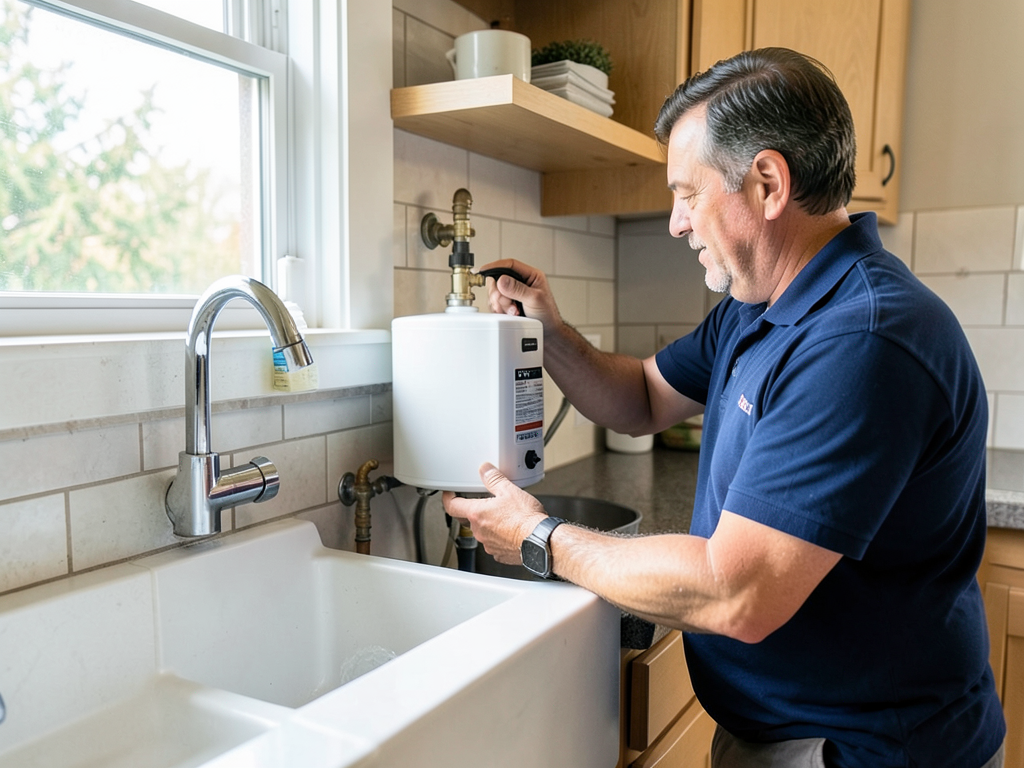
Adding a point-of-use water heater to your Madison Park home office or detached workshop gives you instant hot water without waiting for it to travel from your main water heater. These compact units install under sinks or in utility spaces and solve the common problem of long wait times in Seattle homes where the main water heater sits far from secondary structures. Seattle Department of Construction & Inspections.
Madison Park’s mix of historic craftsman homes and newer waterfront properties creates unique installation scenarios. Many homes built before 1980 have limited electrical capacity in detached structures, while modern builds often have dedicated circuits ready for POU installation. The Puget Sound climate means colder incoming water temperatures year-round, affecting POU unit sizing and performance.. Read more about Why Hybrid Heat Pump Water Heaters are Outperforming Standard Tanks in Shoreline Homes.
What Makes Point of Use Water Heaters Different in Seattle
Seattle’s water comes from the Cedar River and Tolt River watersheds at temperatures averaging 45-50°F year-round. This is significantly colder than national averages, meaning POU units here need higher wattage or larger tank capacity to deliver the same hot water performance as units in warmer climates.
The city’s building code requires specific pressure relief valve configurations for all water heater installations. Seattle Department of Construction and Inspections (SDCI) mandates that POU units over 2 gallons must have a temperature and pressure relief valve installed within six inches of the unit. This protects against thermal expansion in closed plumbing systems common in Seattle’s older neighborhoods. Plumbing Bothell.
Types of Point of Use Water Heaters Available
Tankless POU units heat water instantly as it flows through the device. They require dedicated 240V circuits and work best for hand washing and light cleaning tasks. Tank-style POU units store 2.5 to 6 gallons of hot water and can handle multiple simultaneous uses like filling a small sink and running a dishwasher.
Madison Park homes often choose tank-style units for workshops where hot water demand varies throughout the day. The stored hot water eliminates the lag time of tankless units heating up cold water. For home offices with just a small sink, tankless units provide endless hot water without the standby energy loss of storage tanks. Energy Department water heating efficiency.
Electrical Requirements and Circuit Planning
Most POU units require either 120V or 240V dedicated circuits. 120V units plug into standard outlets but have limited flow rates around 0.5 GPM. 240V units deliver 1-2 GPM but need dedicated breakers and proper wiring installed to code.
Older Madison Park workshops often lack adequate electrical infrastructure. Homes built before 1970 may need electrical panel upgrades before installing high-wattage POU units. The Seattle Electrical Code requires GFCI protection for all outlets within six feet of water sources, including POU installations in workshops and home offices.
Seattle Plumbing Code Compliance
Seattle Municipal Code Title 22.400 governs all water heater installations. POU units must comply with the same safety standards as full-size water heaters including proper venting, pressure relief valve installation, and seismic strapping if the unit exceeds 5 gallons.
The code requires expansion tanks on closed systems where check valves or pressure reducing valves create thermal expansion risks. Madison Park’s hillside properties often have pressure reducing valves due to elevation changes, making expansion tanks necessary even for small POU installations.
Permits are required for all POU installations that involve new electrical circuits or modifications to existing plumbing. SDCI charges $75-150 for residential water heater permits depending on the scope of work. Professional plumbers handle permit acquisition and inspections as part of the installation process. How to Get an Emergency Plumber in West Seattle After Hours.
Installation Process and Timeline
Professional POU installation typically takes 2-4 hours for straightforward under-sink installations. Complex scenarios involving electrical upgrades or plumbing modifications can extend to a full day. The process includes site assessment, mounting the unit, connecting water lines, installing the electrical circuit, and pressure testing. Plumbing Burien.
Site preparation often reveals unexpected issues in older Madison Park homes. Galvanized pipes may need replacement due to corrosion. Limited under-sink space in historic craftsman kitchens requires creative mounting solutions. Detached workshops may need trenching for new electrical conduit from the main house.
Cost Factors for Madison Park Installations
Unit costs range from $150 for basic 120V tankless models to $600 for high-capacity 240V units with digital controls. Professional installation adds $300-800 depending on complexity. Electrical upgrades can add $500-2,000 if panel modifications are needed.
Madison Park’s older housing stock means many installations require additional work beyond the basic POU unit. Replacing old shut-off valves, adding proper drainage pans, and installing code-compliant pressure relief systems all factor into the final cost.
Energy Efficiency and Operating Costs
POU units eliminate standby heat loss from long pipe runs, saving 10-30% on water heating energy in secondary spaces. Seattle City Light offers rebates of $50-100 for Energy Star certified POU units, reducing upfront costs.
The Puget Sound’s cold water temperatures mean POU units work harder than in warmer climates. A unit sized for Arizona might struggle to deliver adequate hot water in Madison Park during winter months. Proper sizing based on Seattle’s specific conditions prevents performance issues.
Maintenance Requirements and Longevity
Madison Park’s water quality affects POU unit longevity. The area’s slightly alkaline water with moderate hardness can cause scale buildup in tankless units. Annual flushing prevents performance degradation and extends unit life from 5-7 years to 10-12 years.
Tank-style units in Seattle rarely need anode rod replacement due to the water chemistry. However, the damp climate means proper drainage and moisture barriers are essential to prevent corrosion of electrical components and mounting hardware.
Common Installation Scenarios in Madison Park
Detached workshops represent the most common POU installation scenario. Many Madison Park properties have converted garages or standalone structures where running hot water from the main house is impractical. POU units provide instant hot water without the energy waste of circulating pumps.
Home office conversions in basement spaces often benefit from POU installations. The units eliminate the wait for hot water to travel from upstairs water heaters, improving daily convenience for remote workers who use small sinks for coffee preparation or handwashing.
Historic craftsman homes frequently have limited under-sink space due to original cabinetry. Custom mounting brackets and compact unit selection become critical for maintaining the home’s character while adding modern convenience.
DIY vs Professional Installation Considerations
Basic 120V plug-in units can be DIY installed by homeowners comfortable with basic plumbing. However, 240V units require licensed electricians for proper circuit installation. Seattle code requires permits for all electrical modifications, making DIY installations technically non-compliant.
Professional installation ensures code compliance, proper pressure testing, and warranty protection. Licensed plumbers carry insurance that covers potential water damage from improper connections. DIY mistakes can lead to flooding, electrical hazards, or code violations that complicate future home sales.
Winterization and Climate Considerations
Madison Park’s occasional winter freezes require proper insulation for POU installations in unheated spaces. Heat tape on exposed pipes and insulated enclosures protect against freezing damage. The damp climate also means moisture barriers and proper ventilation prevent condensation issues.
Units installed in detached workshops need freeze protection even if the main house stays warm. Madison Park’s hillside properties experience microclimates where temperatures can be 5-10 degrees colder than downtown Seattle, increasing freeze risk.
Choosing the Right Unit for Your Space
Flow rate requirements determine the appropriate POU unit size. A single sink needs 0.5-0.75 GPM, while a small dishwasher requires 1-1.5 GPM. Multiple simultaneous uses may need 2+ GPM units with 240V power.
Space constraints in historic Madison Park homes often dictate unit selection. Under-sink cabinets in craftsman homes may only accommodate compact tankless units. Workshops with more space can use larger tank-style units that provide better performance for variable demand.
Environmental Impact and Sustainability
POU units reduce overall water waste by eliminating the need to run taps until hot water arrives. In Seattle’s water-conscious culture, this conservation aspect appeals to many homeowners. The units also reduce energy consumption compared to maintaining hot water in long pipe runs.
Energy Star certified POU units use high-efficiency heating elements and better insulation. When combined with Seattle City Light’s renewable energy mix, these units provide environmentally responsible hot water solutions for secondary spaces.
Professional Installation Benefits
Professional plumbers bring expertise in Seattle’s specific code requirements and water conditions. They identify potential issues like inadequate water pressure, improper venting, or code violations before installation begins. This prevents costly callbacks and ensures long-term reliability.
Professional installation includes proper pressure testing, leak detection, and final inspections. Licensed plumbers guarantee their work and handle all permit requirements. This comprehensive approach provides peace of mind that DIY installations cannot match.
Call to Action
Ready to add instant hot water to your Madison Park home office or workshop? Professional installation ensures code compliance and optimal performance. Call (564) 220-5552 today to schedule your consultation. Our Seattle plumbers understand the unique requirements of Madison Park properties and can recommend the perfect POU solution for your space.
Frequently Asked Questions
How long does POU installation take?
Standard under-sink installations take 2-4 hours. Complex scenarios involving electrical upgrades or plumbing modifications may require a full day.
Do I need a permit for POU installation?
Yes, Seattle requires permits for all POU installations involving new electrical circuits or plumbing modifications. Professional plumbers handle permit acquisition.
Can I install a POU unit myself?
Basic 120V plug-in units can be DIY installed, but 240V units require licensed electricians. Seattle code requires permits for all electrical modifications.
How much do POU units cost in Seattle?
Units cost $150-600 depending on size and features. Professional installation adds $300-800, with electrical upgrades potentially adding $500-2,000.
What size POU unit do I need?
Size depends on flow rate requirements. Single sinks need 0.5-0.75 GPM, while multiple uses may require 2+ GPM units with 240V power.
{
“@context”: “https://schema.org”,
“@type”: “BlogPosting”,
“headline”: “Adding a Point of Use Water Heater to Your Madison Park Home Office or Workshop”,
“description”: “Learn how to install a point-of-use water heater in your Madison Park home office or workshop. Discover local codes, energy rebates, and professional installation options from Seattle experts.”,
“wordCount”: 1637,
“datePublished”: “2026-06-13T11:04:00.000Z”,
“dateModified”: “2026-06-13T11:04:00.000Z”,
“inLanguage”: “en-US”,
“mainEntityOfPage”: {
“@type”: “WebPage”,
“@id”: “https://horizonplumbingseattle.com”
},
“publisher”: {
“@type”: “LocalBusiness”,
“name”: “Horizon Plumbing Seattle”,
“url”: “https://horizonplumbingseattle.com”
},
“author”: {
“@type”: “Organization”,
“name”: “Horizon Plumbing Seattle”,
“url”: “https://horizonplumbingseattle.com”
},
“image”: {
“@type”: “ImageObject”,
“url”: “https://horizonplumbingseattle.com/wp-content/uploads/2026/03/adding-a-point-of-use-water-heater-to-your-madison-1.png”
}
}
{
“@context”: “https://schema.org”,
“@type”: “Plumber”,
“name”: “Horizon Plumbing Seattle”,
“url”: “https://horizonplumbingseattle.com”,
“address”: {
“@type”: “PostalAddress”,
“addressLocality”: “Seattle”
},
“areaServed”: {
“@type”: “City”,
“name”: “Seattle”
}
}
{
“@context”: “https://schema.org”,
“@type”: “FAQPage”,
“mainEntity”: [
{
“@type”: “Question”,
“name”: “How long does POU installation take?”,
“acceptedAnswer”: {
“@type”: “Answer”,
“text”: “Standard under-sink installations take 2-4 hours. Complex scenarios involving electrical upgrades or plumbing modifications may require a full day.”
}
},
{
“@type”: “Question”,
“name”: “Do I need a permit for POU installation?”,
“acceptedAnswer”: {
“@type”: “Answer”,
“text”: “Yes, Seattle requires permits for all POU installations involving new electrical circuits or plumbing modifications. Professional plumbers handle permit acquisition.”
}
},
{
“@type”: “Question”,
“name”: “Can I install a POU unit myself?”,
“acceptedAnswer”: {
“@type”: “Answer”,
“text”: “Basic 120V plug-in units can be DIY installed, but 240V units require licensed electricians. Seattle code requires permits for all electrical modifications.”
}
},
{
“@type”: “Question”,
“name”: “How much do POU units cost in Seattle?”,
“acceptedAnswer”: {
“@type”: “Answer”,
“text”: “Units cost $150-600 depending on size and features. Professional installation adds $300-800, with electrical upgrades potentially adding $500-2,000.”
}
},
{
“@type”: “Question”,
“name”: “What size POU unit do I need?”,
“acceptedAnswer”: {
“@type”: “Answer”,
“text”: “Size depends on flow rate requirements. Single sinks need 0.5-0.75 GPM, while multiple uses may require 2+ GPM units with 240V power.”
}
}
]
}
{
“@context”: “https://schema.org”,
“@type”: “BreadcrumbList”,
“itemListElement”: [
{
“@type”: “ListItem”,
“position”: 1,
“name”: “Home”,
“item”: “https://horizonplumbingseattle.com”
},
{
“@type”: “ListItem”,
“position”: 2,
“name”: “Blog”,
“item”: “https://horizonplumbingseattle.com/blog”
},
{
“@type”: “ListItem”,
“position”: 3,
“name”: “Adding a Point of Use Water Heater to Your Madison Park Home Office or Workshop”
}
]
}
{
“@context”: “https://schema.org”,
“@type”: “Service”,
“serviceType”: “Plumbing”,
“provider”: {
“@type”: “LocalBusiness”,
“name”: “Horizon Plumbing Seattle”,
“url”: “https://horizonplumbingseattle.com”
},
“areaServed”: {
“@type”: “City”,
“name”: “Seattle”
},
“description”: “Learn how to install a point-of-use water heater in your Madison Park home office or workshop. Discover local codes, energy rebates, and professional installation options from Seattle experts.”
}