



menu

Backflow Prevention & Testing in Seattle – Protect Your Water Supply with Certified Annual Compliance Inspections

Expert backflow assembly testing and device certification services for residential and commercial properties throughout Seattle, ensuring your water supply stays contaminant-free and fully compliant with Washington State health codes.

Slider Image 1
Slider Image 2
Slider Image 3
Slider Image 4
Slider Image 5
Slider Image 7
Slider Image 8
Slider Image 9
Slider Image 10
Slider Image 11

Why Seattle Properties Need Annual Backflow Testing

Seattle's complex water infrastructure and unique topography create specific backflow risks that property owners cannot ignore. The city's hilly terrain, combined with frequent pressure fluctuations from high-rise buildings and the multi-level water distribution system, creates conditions where contaminated water can reverse flow into your clean supply.

When water pressure drops suddenly during a main break or during heavy irrigation seasons, backflow events become more likely. These pressure changes can pull stagnant water, chemicals, or sewage back into your drinking water if your backflow preventer fails. Seattle Public Utilities requires annual backflow certification for properties with irrigation systems, fire suppression systems, and commercial kitchen equipment.

The stakes are clear. A failed backflow device testing can result in contamination that affects entire buildings. Commercial properties face immediate shut-down orders. Residential properties risk family health and liability. Yet many property owners discover their backflow preventer is non-compliant only when they receive a violation notice.

The Washington State Department of Health mandates annual backflow assembly testing for all devices protecting potable water supplies. Seattle enforces these regulations strictly. Properties serving multiple units, those with landscape irrigation systems pulling from city water, and any building with fire suppression equipment must maintain current backflow prevention compliance. Missing your certification deadline triggers automatic violation notices, potential water service disconnection, and fines that compound daily. The testing window is narrow, and certified testers book out quickly during peak compliance months.

Why Seattle Properties Need Annual Backflow Testing
How Professional Backflow Testing Protects Your Property

How Professional Backflow Testing Protects Your Property

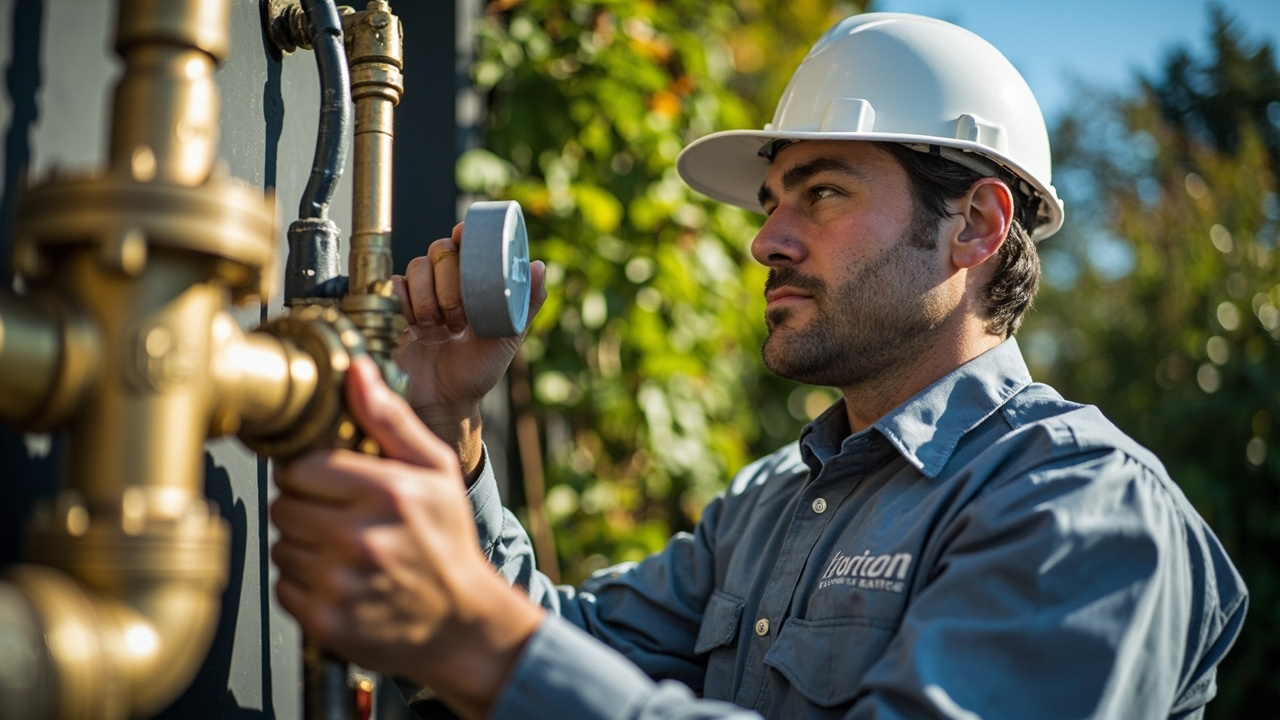
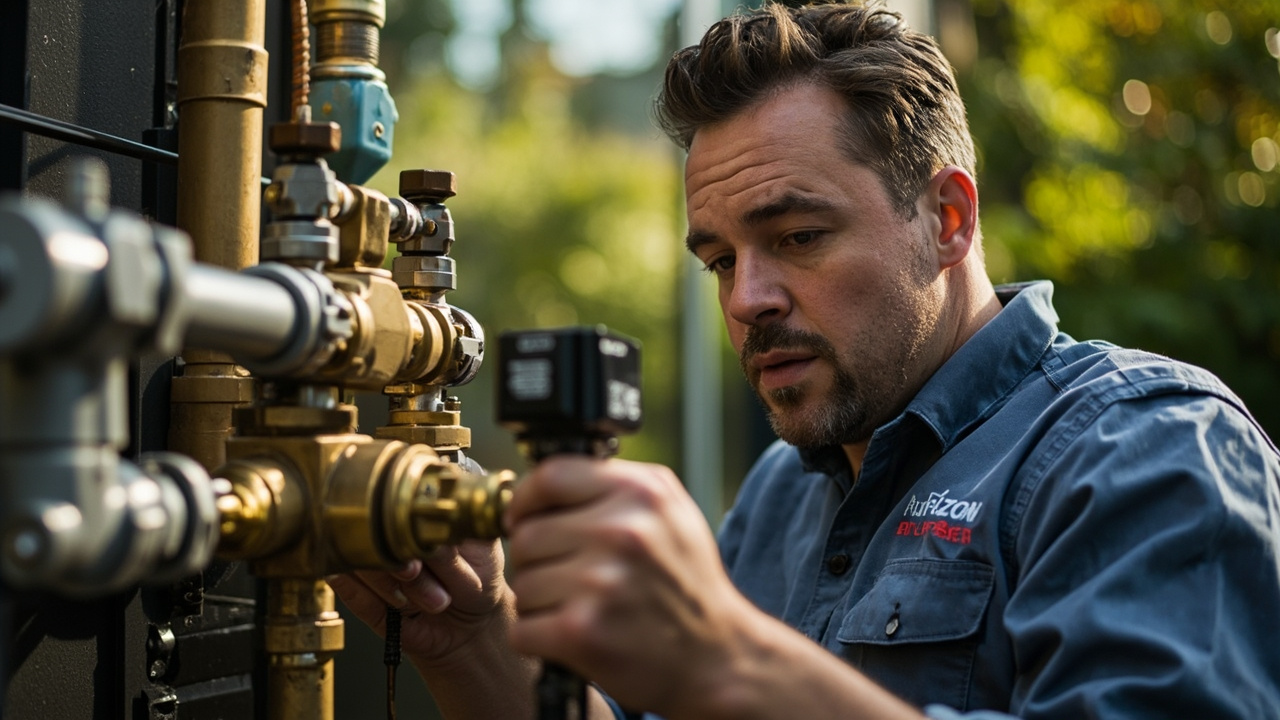
Backflow prevention testing requires specialized equipment and state certification that most property owners do not possess. The process involves isolating the backflow assembly, testing differential pressure across check valves, verifying that springs maintain proper tension, and ensuring relief valves open at precise thresholds. A certified tester uses calibrated gauge kits to measure these pressure differentials down to 0.1 PSI accuracy.

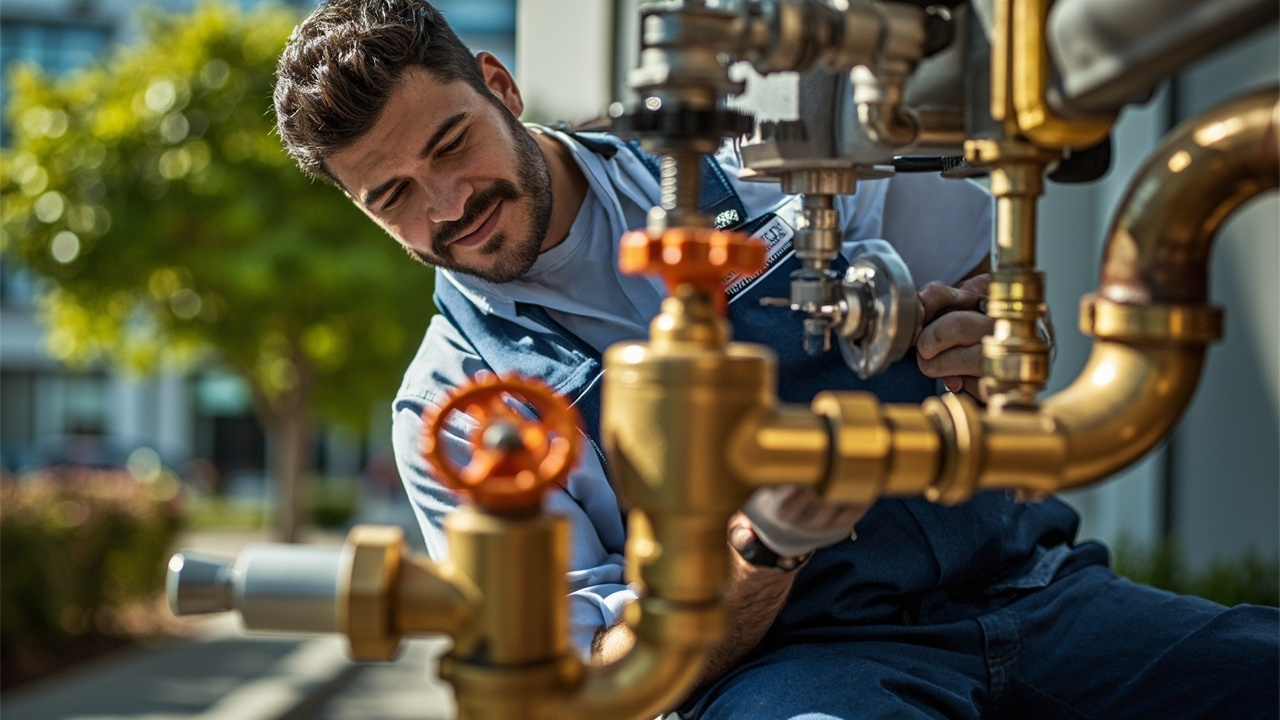
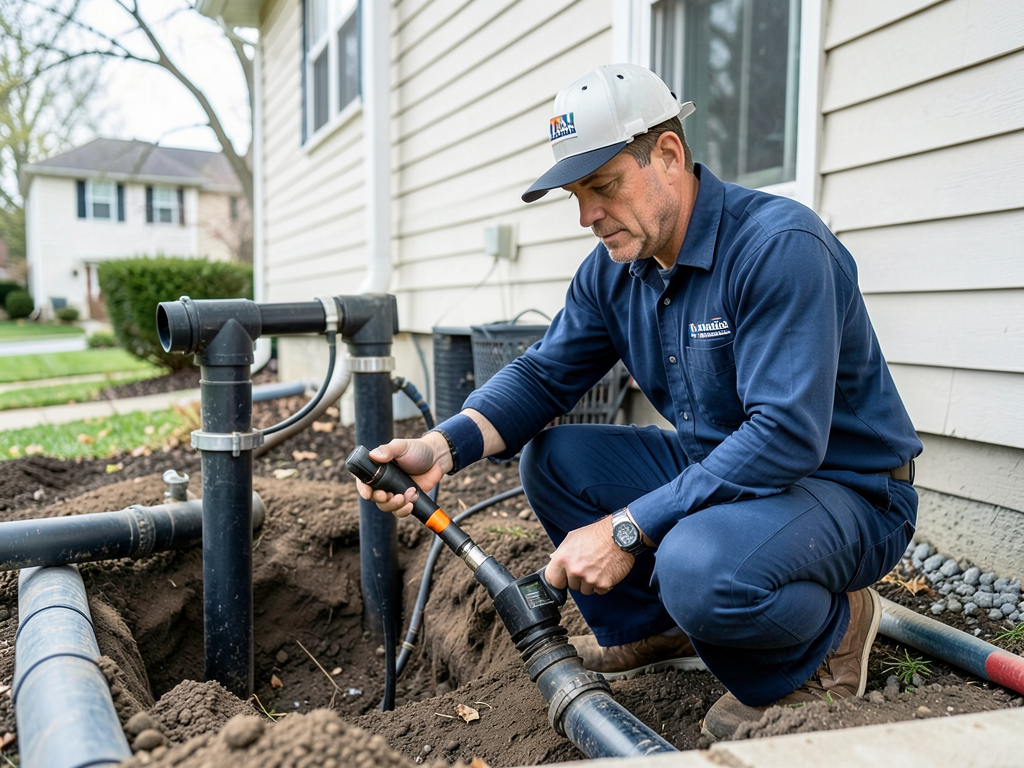
Horizon Plumbing Seattle performs comprehensive backflow preventer inspections that go beyond minimum compliance standards. We test reduced pressure zone devices, double check valve assemblies, pressure vacuum breakers, and atmospheric vacuum breakers using field-calibrated test kits that meet American Water Works Association specifications. Each component receives individual attention. Check valves get tested for tightness under varying pressure conditions. Air inlet valves on vacuum breakers get verified for proper opening and sealing.

The test sequence follows strict protocols. First, we verify the assembly tag matches the site plan and confirm correct installation orientation. We then attach test gauges at designated ports, slowly opening valves to avoid pressure spikes that could damage sensitive diaphragms. Each check valve undergoes forward and reverse pressure testing. Relief valves get exercised to confirm they open at designated set points and reseal completely.

When assemblies fail testing, we identify the exact component causing the failure. Worn check valve discs, corroded springs, or debris blocking the relief valve typically cause failures. We explain the specific issue, provide repair options, and can often complete repairs immediately using manufacturer-approved replacement parts. After repairs, we retest the entire assembly to verify it meets all performance standards before submitting your passing certification to Seattle Public Utilities.

What Happens During Your Backflow Certification

Backflow Prevention & Testing in Seattle – Protect Your Water Supply with Certified Annual Compliance Inspections
01

Device Location and Documentation

We locate all backflow assemblies on your property using site plans and physical inspection. Each device gets photographed and documented with make, model, serial number, and installation date. We verify that devices match Seattle Public Utilities records and that installation meets current spacing and clearance requirements. This documentation creates a baseline for future annual testing and helps identify devices approaching replacement age.
02

Precision Pressure Testing

Using calibrated differential pressure gauges, we test each component of your backflow assembly according to University of Southern California Foundation for Cross-Connection Control protocols. Check valves get tested for leakage rates under static and dynamic conditions. Relief valves get verified for proper opening pressure and complete reseating. We record all measurements on official test forms that become part of your compliance record with the city.
03

Certification and Reporting

After completing all tests, we attach a dated certification tag to your backflow assembly showing the test date and next due date. We submit passing test results directly to Seattle Public Utilities through their electronic reporting system within 10 days. You receive copies of all test documentation for your records. If repairs are needed, we provide detailed estimates and can schedule the work immediately to avoid compliance gaps.

Why Seattle Property Owners Choose Horizon Plumbing Seattle for Backflow Testing

Backflow testing requires more than technical skills. It demands understanding of Seattle's specific water system configuration and compliance requirements that vary by property type and water use. Horizon Plumbing Seattle maintains active certification through the Washington State Department of Health Cross-Connection Control program, which requires ongoing education and annual recertification.

Our technicians know Seattle's water distribution quirks. We understand how pressure zones shift across the city's elevation changes from Elliott Bay to Capitol Hill. We know which neighborhoods experience frequent pressure fluctuations that stress backflow devices. This local knowledge helps us anticipate problems before they cause compliance issues.

We maintain direct relationships with Seattle Public Utilities and understand their reporting requirements, deadlines, and acceptable documentation formats. When you work with us, your test results get submitted correctly the first time. No rejected forms, no compliance gaps, no follow-up hassles. We track your testing schedule and send advance reminders before your certification expires, preventing the last-minute scramble that causes missed deadlines.

Commercial property managers appreciate our ability to coordinate testing across multiple locations and buildings during single service visits. We schedule testing during off-peak hours to minimize business disruption. For properties with multiple backflow devices, we create comprehensive testing schedules that spread the work across the year, avoiding the compliance bottleneck that occurs when all devices come due simultaneously.

Our test equipment undergoes annual calibration verification through certified laboratories, ensuring measurement accuracy that exceeds state requirements. We carry extensive parts inventory for common backflow assemblies, allowing us to complete repairs immediately rather than scheduling return visits. This matters when you are racing against compliance deadlines.

What to Expect from Professional Backflow Testing

Testing Timeline and Scheduling

Most single-device backflow tests take 30 to 45 minutes, including setup, testing, documentation, and site cleanup. Properties with multiple assemblies require additional time based on device count and accessibility. We schedule testing appointments within one week of your call during normal compliance periods. During peak season from March through June, when most annual certifications come due, scheduling may extend to two weeks. We offer early morning and weekend appointments for commercial properties that need testing completed outside business hours. Emergency compliance testing for properties facing disconnection notices gets priority scheduling, often within 24 hours.

Comprehensive Device Assessment

Before testing begins, we inspect the physical condition of your backflow assembly and surrounding installation. We check for proper clearance above ground, adequate drainage, freeze protection, and correct orientation. We look for signs of previous leaks, corrosion, or physical damage that could indicate internal problems. This assessment often reveals issues that could cause future failures, allowing you to plan preventive maintenance. We verify that test cocks operate freely and that shutoff valves fully close, preventing false test results. This thorough inspection catches problems that simple testing misses, protecting you from unexpected failures between annual certifications.

Detailed Test Documentation

You receive complete documentation of all test results, including specific pressure measurements, component conditions, and any deficiencies noted. Passing tests include certification tags attached to the device and electronic submission to Seattle Public Utilities. Failed tests include detailed explanations of which components failed, specific measurements that fell outside acceptable ranges, and recommended repairs. We photograph assemblies before and after testing, providing visual records of device condition. This documentation proves valuable for property transactions, insurance claims, and long-term maintenance planning. All records integrate with your property maintenance history, creating a comprehensive service timeline.

Ongoing Compliance Support

After initial testing, we add your property to our annual certification reminder system. You receive notices 60 days and 30 days before your next test comes due, preventing compliance gaps. For properties with multiple devices or complex testing schedules, we create customized compliance calendars that track all certification dates. We maintain detailed service records that follow your property through ownership changes or management transitions. If Seattle Public Utilities questions test results or requests additional documentation, we handle all communication directly. Our ongoing support eliminates the administrative burden of tracking compliance requirements across multiple properties or device types.

Frequently Asked Questions

You Have Questions,
We Have Answers

What is backflow prevention testing? +

Backflow prevention testing checks whether your backflow device works correctly to stop contaminated water from reversing flow into Seattle's clean water supply. A certified tester inspects mechanical components like check valves, relief valves, and test cocks. They measure pressure differentials to confirm the device creates a proper barrier. Seattle Public Utilities requires annual testing for commercial properties and irrigation systems. The test takes 15 to 30 minutes. You receive a documented report filed with the city. Testing protects public health by preventing contaminants like chemicals, bacteria, or fertilizers from entering potable water lines during pressure drops or supply interruptions.

Is backflow testing really necessary? +

Yes. Backflow testing is legally required in Seattle for any property with an irrigation system, fire sprinkler, commercial kitchen, or industrial water use. Seattle Municipal Code mandates annual certification to protect the municipal water supply. Without testing, contaminated water can reverse direction during pressure changes and enter drinking water lines. This risk increases during water main breaks, which happen frequently in older Seattle neighborhoods. The city will issue violation notices and can disconnect your water service for non-compliance. Testing is not optional. It is a public health safeguard and legal requirement that protects your neighbors and community.

Can I test my own backflow preventer? +

No. Washington State law requires a certified backflow assembly tester to perform testing. You need specialized gauge equipment that measures precise pressure differentials and proper training to interpret results accurately. Certification requires passing a state exam and maintaining credentials through continuing education. DIY testing will not satisfy Seattle Public Utilities reporting requirements. The city only accepts test reports from approved testers with valid certification numbers on file. Improper testing puts the public water supply at risk and leaves you non-compliant. Hire a certified professional who can properly test, document, and file results with the city on your behalf.

Do all plumbers do backflow testing? +

No. Backflow testing requires specific state certification beyond a standard plumbing license. Many plumbers do not hold backflow assembly tester certification because it demands separate training, testing, and annual renewal. When hiring for backflow testing in Seattle, verify the technician holds current Washington State Department of Health certification. Ask for their certification number. General plumbers can install backflow devices, but testing and annual inspections require the specialized credential. Not all plumbing companies invest in this certification for their staff. Choose a plumber who specifically advertises backflow testing services and can provide proof of active state certification.

What happens if I don't do backflow testing? +

Seattle Public Utilities will issue violation notices and impose escalating fines for missed backflow tests. After repeated non-compliance, the city can physically disconnect your water service until you complete testing and submit documentation. You also face liability if contaminated water backflows from your property into the municipal supply and causes illness. Insurance may not cover damages from code violations. Properties with irrigation systems or fire sprinklers cannot legally operate without current testing. Non-compliance appears in public records and can complicate property sales. The financial and legal consequences far exceed the cost of annual testing. Schedule your test before the deadline.

Why is backflow testing so expensive? +

Backflow testing costs reflect specialized certification, calibrated equipment, liability insurance, and regulatory compliance. Testers must maintain expensive differential pressure gauges that require annual calibration. Washington State certification demands ongoing education and renewal fees. Testers carry liability insurance because they protect public water supplies. Filing paperwork with Seattle Public Utilities adds administrative time. Travel costs matter in Seattle's traffic. The service is not expensive compared to the risk. A contaminated water supply creates catastrophic liability. You pay for expertise, equipment, insurance, and documentation that satisfies legal requirements. Quality testing protects your property and the community's health.

Do all houses have a backflow valve? +

No. Backflow devices are not standard in all Seattle homes. Residential properties typically only need backflow prevention if they have irrigation systems, solar hot water heating, or boiler systems. Homes connected only to standard plumbing fixtures usually rely on air gaps for protection. However, Seattle requires backflow devices for any cross-connection risk where non-potable water could reverse into supply lines. Many older homes built before current codes lack devices even when needed. If you installed a sprinkler system after construction, you likely added a backflow preventer. Check your main water line outside near the meter for a brass device with test cocks.

How much does it cost to test a backflow device? +

Backflow testing in Seattle typically costs between 75 and 150 dollars per device. Price varies based on device type, accessibility, and whether repairs are needed. Reduced pressure zone assemblies take longer to test than simple check valves. Multiple devices at one location often receive discounted rates. Annual testing contracts can lower per-visit costs. Emergency or weekend testing costs more. The price includes testing, documentation, and filing reports with Seattle Public Utilities. If your device fails, repair costs are separate and depend on which components need replacement. Regular testing prevents expensive emergency failures and keeps you compliant with city requirements.

How long does a water backflow test take? +

A standard backflow test takes 15 to 30 minutes per device. Simple pressure vacuum breakers test faster than reduced pressure zone assemblies. Accessibility matters. Devices buried in landscaping or locked behind gates add time. The tester connects calibrated gauges to test cocks, opens and closes valves in sequence, and records pressure readings at specific intervals. Paperwork and filing with Seattle Public Utilities add a few minutes. If the device fails testing, diagnosis and repair extend the appointment. Most residential properties with one irrigation backflow preventer need 20 minutes total. Commercial properties with multiple devices require longer appointments.

Do all states require backflow testing? +

No. Backflow testing requirements vary by state and local jurisdiction. Washington State grants authority to local water utilities to set requirements. Seattle Public Utilities mandates annual testing for cross-connections, but some smaller Washington cities have different rules. States like California and Texas have strict statewide backflow programs. Other states leave decisions to individual water districts. Some rural areas have no testing requirements at all. In Seattle, you must follow Seattle Public Utilities regulations regardless of what other states require. Check with your local water provider to understand specific requirements. Testing protects water quality where mandated by local authorities.

How Seattle's Cross-Connection Control Program Affects Your Backflow Testing Requirements

Seattle Public Utilities enforces one of the strictest cross-connection control programs in Washington State, driven by the city's complex water distribution network and dense urban development. The city's water supply originates from protected watersheds in the Cascade Mountains, traveling through multiple pressure zones before reaching your property. This elevation-dependent system creates pressure variations that increase backflow risk. Properties in lower-elevation neighborhoods near the waterfront face different pressure dynamics than hillside locations in Queen Anne or Magnolia. Seattle requires annual backflow device testing for all properties with irrigation systems, fire suppression equipment, boiler systems, chemical injection equipment, or any connection that could potentially contaminate the water supply. The city maintains a comprehensive database of all registered backflow assemblies and actively pursues compliance enforcement, including water service disconnection for properties with expired certifications.

Horizon Plumbing Seattle has worked with Seattle's cross-connection control program since its expansion in the early 2000s. We understand the city's specific reporting requirements, acceptable device types for different hazard levels, and installation standards that exceed basic state regulations. Our technicians participate in ongoing education through Seattle Public Utilities and maintain relationships with city inspectors who review complex installation scenarios. This local expertise matters when dealing with older properties that need backflow assembly upgrades or new construction requiring initial device certification. We help property owners navigate the permitting process for backflow installation, coordinate required inspections with city staff, and ensure all documentation meets Seattle's specific formatting and submission requirements.

Plumbing Services in The Seattle Area

Horizon Plumbing Seattle proudly serves the entire Seattle metropolitan area and surrounding communities. We invite users to view our service area map to confirm that your home or business falls within our coverage zone, ensuring we can deliver fast, reliable service right to your doorstep. Our professional team is strategically located to offer prompt dispatch, whether you're in the heart of downtown or the outlying neighborhoods. Call us to confirm coverage and schedule your expert plumbing appointment today; we look forward to serving you with confidence and a warm welcome.

Address:
Horizon Plumbing Seattle, 1515 Dexter Ave N, Seattle, WA, 98109

Additional Services We Offer

Our news updates

Latest Articles & News from The Blogs

Is Your Garbage Disposal Safe for the Septic System at Your Rural King County Property? If you live in a…

Is Your Garbage Disposal Safe for the Septic System at Your Rural King County Property?

Is Your Garbage Disposal Safe for the Septic System at Your Rural King County Property? If you live in a…

Why You Should Consider a Pressure Reducing Valve for Your Phinney Ridge Home

Why You Should Consider a Pressure Reducing Valve for Your Phinney Ridge Home Living in Phinney Ridge means dealing with…

The Real Difference Between a Main Line Clog and a Simple Sink Drain Issue

The Real Difference Between a Main Line Clog and a Simple Sink Drain Issue \n\n Water backing up in your…

Contact Us

Don't risk water service disconnection or contamination. Call Horizon Plumbing Seattle at (564) 220-5552 to schedule your certified backflow testing. We handle all compliance documentation and submit results directly to Seattle Public Utilities. Same-week scheduling available.