How the Steep Hills in Briarcliff Can Affect Your Home Water Pressure
If your home sits at the bottom of a steep hill in Briarcliff you may be experiencing a hidden plumbing problem that could damage your pipes appliances and water heater. The steep terrain creates significant elevation changes that affect water pressure throughout Seattle’s water system and Briarcliff’s hillside location makes it particularly vulnerable to high-pressure issues. Seattle Public Utilities.
Water pressure increases by approximately 0.433 pounds per square inch for every foot of elevation change. This means a home at the bottom of a 100-foot elevation drop could experience an additional 43 PSI of pressure beyond what Seattle Public Utilities delivers through the main lines. Many Briarcliff homes sit in just this position receiving water pressure that exceeds safe operating levels for residential plumbing systems. Seattle Municipal Code Section 21.32.350.
Why Briarcliff’s Terrain Creates Unique Pressure Challenges
Briarcliff’s location along the steep bluffs overlooking Puget Sound creates dramatic elevation changes within short distances. The neighborhood’s winding roads follow the natural contours of the hillside with some properties sitting 50 to 150 feet below others along the same street. This vertical arrangement means water must travel downhill through your service line gaining pressure as it descends.. Read more about Why Your Renton Water Heater Needs a Thermal Expansion Tank to Prevent Constant Leaking.
Seattle Public Utilities typically maintains main line pressures between 40 and 80 PSI but homes at lower elevations can experience pressures exceeding 100 PSI due to the combined effect of municipal pressure and gravitational force. This excessive pressure stresses every component of your plumbing system from the main shut-off valve to individual fixtures. Plumbing Bothell.
The problem compounds during peak usage times when SPU increases pressure to maintain adequate flow throughout the system. During morning and evening hours when multiple households draw water simultaneously pressure can spike even higher creating a roller coaster effect that damages pressure-sensitive components.
Common Symptoms of High Water Pressure in Briarcliff Homes
High water pressure often reveals itself through subtle signs before causing major damage. You might notice water hammer sounds when you turn off faucets or when appliances like dishwashers and washing machines cycle. These banging noises occur when fast-moving water suddenly stops creating shock waves that travel through your pipes.
Leaking faucets particularly when handles are barely turned on indicate pressure has exceeded the design limits of your fixtures. Toilets that run intermittently or fail to shut off completely often suffer from pressure problems that prevent proper valve operation. You may also notice that showerheads deliver water with excessive force causing discomfort and wasting water.
Appliances show early warning signs through shortened lifespans. Dishwashers and washing machines may develop leaks at hose connections and water heaters can experience premature failure of pressure relief valves. The constant stress on seals and gaskets causes them to deteriorate faster than normal leading to costly repairs.
Visible pipe damage provides clear evidence of pressure problems. Look for signs of corrosion at pipe joints particularly where copper meets galvanized steel. High pressure accelerates galvanic corrosion creating weak points that eventually fail. You might also notice pipe movement or vibration when water runs indicating inadequate support for the increased pressure.
The Hidden Dangers of Ignoring Pressure Problems
High water pressure creates a cascade of problems that extend far beyond noisy pipes. The constant stress on your plumbing system dramatically reduces the lifespan of every component. Water heaters which typically last 8 to 12 years may fail in as little as 5 years when subjected to excessive pressure. The pressure relief valve designed as a safety feature works overtime and eventually fails itself. Plumbing Burien.
Appliance damage represents a significant financial risk. Modern dishwashers and washing machines contain delicate electronic controls that are particularly sensitive to pressure fluctuations. A single pressure spike can damage circuit boards requiring expensive repairs or complete replacement. Many manufacturers void warranties when pressure exceeds recommended levels leaving homeowners responsible for all repair costs.
Burst pipes pose the most serious threat to your home. When pressure exceeds the burst strength of your pipes failure can occur without warning. A burst pipe in a finished wall or ceiling can release hundreds of gallons of water before you can shut off the supply causing catastrophic damage to your home’s structure and contents. The damage from a single burst pipe often exceeds thousands of dollars in repairs.
Foundation and structural damage can result from chronic high pressure. The constant vibration and stress on pipes can cause them to shift within walls creating gaps that allow water infiltration. Over time this moisture can damage drywall insulation and even structural framing. In Briarcliff’s hillside homes where construction often involves cut-and-fill techniques pipe movement can be particularly problematic.
Testing Your Water Pressure: A Simple Diagnostic Step
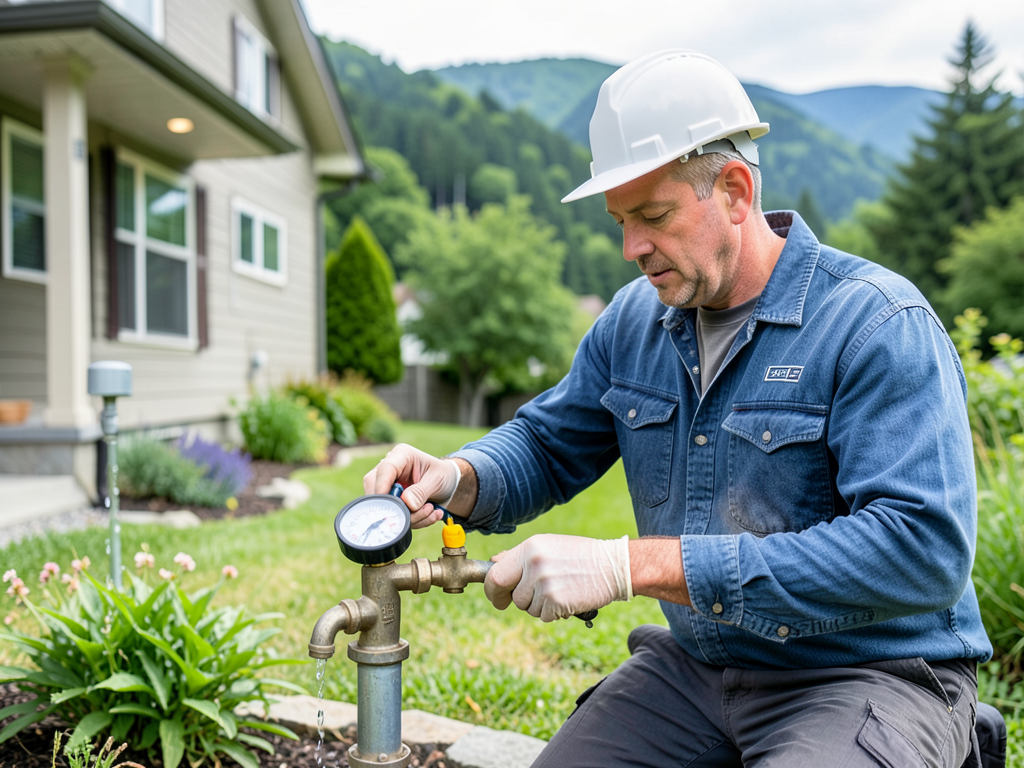
Before calling a professional you can test your water pressure using a simple gauge available at most hardware stores for under $20. The test takes less than five minutes and provides valuable information about your system’s condition.
- Locate an Outdoor Spigot
Find a hose bib near where your main water line enters the house. This location provides the most accurate reading of pressure throughout your system.
- Attach the Pressure Gauge
Remove any existing hose or attachment and screw the gauge directly onto the spigot threads. Ensure a tight seal to prevent air leaks that could affect accuracy.
- Open the Valve Fully
Turn the spigot handle to the fully open position. The gauge will register pressure immediately typically stabilizing within 30 seconds.
- Read and Record the Pressure
Ideal residential pressure ranges from 40 to 60 PSI. Pressures above 80 PSI indicate a problem requiring professional attention.
- Test at Different Times
Repeat the test during morning afternoon and evening hours. Pressure often varies throughout the day with highest readings typically occurring during peak usage times.
If your readings consistently exceed 80 PSI you have a high-pressure problem that requires professional evaluation. Remember that pressure can spike briefly when you first open a valve so watch the gauge for at least one minute to get an accurate reading.
Professional Solutions for Briarcliff’s Pressure Problems
The most effective solution for high water pressure is installing a Pressure Reducing Valve (PRV). This device typically installed on the main water line where it enters your home automatically reduces incoming pressure to a safe level. A properly sized PRV maintains consistent pressure regardless of fluctuations in the municipal supply.
PRV installation requires professional expertise to ensure proper sizing and adjustment. The valve must be selected based on your home’s water demand pipe size and the severity of your pressure problem. Incorrect sizing can lead to insufficient water flow or continued pressure issues. Most PRVs include an adjustment mechanism that allows fine-tuning of the output pressure.
Thermal expansion tanks provide additional protection for homes with water heaters. When water heats it expands potentially increasing pressure throughout your plumbing system. Modern water heaters often include check valves that prevent this expanded water from flowing back into the main supply creating a closed system that can experience dangerous pressure buildup. An expansion tank absorbs this excess pressure protecting your water heater and plumbing fixtures.
Pressure gauges with alarm systems offer monitoring solutions for homeowners who want to track pressure changes over time. These devices can alert you to pressure spikes that might indicate problems with the municipal supply or your PRV. Some advanced systems can even automatically shut off water supply when dangerous pressure levels are detected.
Briarcliff’s Specific Plumbing Considerations
Briarcliff’s hillside construction presents unique challenges for pressure management. Many homes in the area were built during the 1960s and 1970s when plumbing standards were less stringent than today. Original galvanized steel pipes common in this era are particularly susceptible to pressure-related problems due to internal corrosion that reduces pipe diameter and increases turbulence.
The neighborhood’s proximity to Puget Sound means many homes experience higher humidity levels which can accelerate corrosion of metal components. Salt air exposure can degrade brass fittings and copper pipes more quickly than in inland areas. This environmental factor makes pressure management even more critical as weakened pipes are more susceptible to failure under high pressure.
Seattle Public Utilities has specific requirements for pressure reducing valve installations in areas with known pressure problems. According to Seattle Municipal Code Section 21.32.350 all new residential construction in pressure zones must include properly sized PRVs. Existing homes undergoing major renovations may also be required to install pressure reducing equipment to comply with current code requirements.
The age of Briarcliff’s infrastructure adds another layer of complexity. Many homes have had multiple ownership changes and plumbing modifications over the decades. This patchwork of repairs and updates can create unexpected pressure points where different pipe materials meet or where valves have been added without proper consideration of system pressure.
Maintenance and Long-Term Pressure Management
Regular maintenance of your pressure reducing valve ensures continued protection for your plumbing system. Most PRVs require adjustment or replacement every 7 to 12 years depending on water quality and usage patterns. Signs that your PRV needs service include increasing water pressure readings water hammer sounds returning after previously being resolved or visible leaks at the valve body.
Annual pressure testing helps identify problems before they cause damage. Professional plumbers use calibrated gauges that provide more accurate readings than consumer-grade tools. They can also inspect your entire plumbing system for signs of pressure-related wear including checking water heater temperature and pressure relief valves which are critical safety components. How to Get an Emergency Plumber in West Seattle After Hours.
Water quality affects pressure management equipment longevity. Briarcliff’s water supply drawn from the Cedar River and Tolt River watersheds contains minerals that can accumulate in PRV screens and expansion tanks. Regular cleaning or replacement of these components prevents pressure problems caused by restricted flow rather than excessive supply pressure.
Emergency preparedness becomes crucial when dealing with high-pressure systems. Every household member should know the location of the main water shut-off valve and how to operate it. In the event of a burst pipe or major leak seconds matter in preventing extensive water damage. Consider installing an automatic shut-off valve that activates when it detects unusual water flow patterns.
When to Call a Professional Plumber
While pressure testing is a simple DIY task professional evaluation becomes necessary when you identify high pressure or experience related symptoms. A licensed plumber can assess your entire system identify all pressure-related issues and recommend comprehensive solutions that address both immediate problems and long-term protection.
Professional assessment includes checking for hidden leaks that may indicate pressure problems. Even small leaks can signal that pressure has exceeded the capacity of your plumbing components. Plumbers use specialized equipment to detect leaks behind walls and under floors preventing the extensive damage that can occur when high-pressure failures happen suddenly.
Code compliance represents another reason to call a professional. Seattle’s plumbing code requires specific pressure ratings for various applications and professional installation ensures your system meets all current requirements. This compliance becomes particularly important when selling your home or making insurance claims related to water damage.
Emergency situations demand immediate professional response. If you experience a burst pipe severe leak or pressure-related appliance failure shut off your main water supply and call a plumber immediately. Quick professional response can prevent thousands of dollars in water damage and get your home’s plumbing system operating safely again.
Protecting Your Briarcliff Home from Pressure Damage
Living in Briarcliff’s beautiful hillside setting comes with unique plumbing challenges that require proactive management. The steep terrain that provides stunning views of Puget Sound also creates water pressure conditions that can damage your home’s plumbing system if left unaddressed.
Understanding your home’s specific pressure situation starts with simple testing and awareness of the symptoms we’ve discussed. From there professional evaluation can identify the best combination of pressure reducing valves expansion tanks and monitoring systems to protect your investment.
The cost of professional pressure management pales in comparison to the potential damage from burst pipes failed appliances and water damage restoration. Most pressure-related plumbing failures occur suddenly and without warning making preventive measures the wisest investment for Briarcliff homeowners.
Your home’s plumbing system represents a significant investment that deserves protection through proper pressure management. The steep hills of Briarcliff may create unique challenges but with the right knowledge and professional support you can enjoy safe reliable water service while avoiding the costly damage that high pressure can cause. Reliable Commercial Plumbers for South Lake Union Businesses and Restaurants.
Frequently Asked Questions
What is the ideal water pressure for a home in Briarcliff?
Ideal residential water pressure ranges from 40 to 60 PSI. Pressures above 80 PSI can damage plumbing fixtures appliances and pipes. Homes in Briarcliff often experience pressures exceeding 100 PSI due to the neighborhood’s steep terrain and elevation changes.
How much does it cost to install a pressure reducing valve in Seattle?
Professional PRV installation typically costs between $350 and $800 depending on the complexity of your plumbing system and the size of valve required. This investment protects against much more expensive damage from high-pressure failures.
Can I install a pressure reducing valve myself?
While technically possible PRV installation requires professional expertise to ensure proper sizing adjustment and code compliance. Incorrect installation can lead to insufficient water flow continued pressure problems or even dangerous pressure buildup in your water heater.
How often should I test my home’s water pressure?
Test your water pressure annually as part of routine home maintenance. If you notice symptoms like water hammer leaking faucets or running toilets test immediately. Pressure can vary throughout the day so test at different times if you suspect problems.
Does Seattle Public Utilities offer any assistance for high-pressure problems?
Seattle Public Utilities maintains main line pressures but does not provide residential pressure reducing equipment or installation. Homeowners are responsible for managing pressure within their property lines. However SPU can provide information about pressure zones and may offer guidance for severe pressure problems affecting multiple properties.

Call (564) 220-5552 today to schedule your pressure evaluation. Our experienced technicians understand Briarcliff’s unique terrain challenges and can recommend the right solutions to protect your home. Don’t wait for a burst pipe or failed appliance to discover you have a pressure problem.
Pick up the phone and call (564) 220-5552 before the next pressure spike damages your plumbing system. We offer same-day service throughout Briarcliff and can often diagnose and resolve pressure issues in a single visit. For more information, visit International Plumbing Code.
{
“@context”: “https://schema.org”,
“@type”: “BlogPosting”,
“headline”: “How the Steep Hills in Briarcliff Can Affect Your Home Water Pressure”,
“description”: “Briarcliff’s steep terrain creates dangerous water pressure problems that can damage your plumbing. Learn how to test and protect your home from pressure-related failures.”,
“wordCount”: 2404,
“datePublished”: “2026-05-31T09:07:00.000Z”,
“dateModified”: “2026-05-31T09:07:00.000Z”,
“inLanguage”: “en-US”,
“mainEntityOfPage”: {
“@type”: “WebPage”,
“@id”: “https://horizonplumbingseattle.com”
},
“publisher”: {
“@type”: “LocalBusiness”,
“name”: “Horizon Plumbing Seattle”,
“url”: “https://horizonplumbingseattle.com”
},
“author”: {
“@type”: “Organization”,
“name”: “Horizon Plumbing Seattle”,
“url”: “https://horizonplumbingseattle.com”
},
“image”: {
“@type”: “ImageObject”,
“url”: “https://horizonplumbingseattle.com/wp-content/uploads/2026/03/how-the-steep-hills-in-briarcliff-can-affect-your-1.png”
}
}
{
“@context”: “https://schema.org”,
“@type”: “Plumber”,
“name”: “Horizon Plumbing Seattle”,
“url”: “https://horizonplumbingseattle.com”,
“address”: {
“@type”: “PostalAddress”,
“addressLocality”: “Seattle”
},
“areaServed”: {
“@type”: “City”,
“name”: “Seattle”
}
}
{
“@context”: “https://schema.org”,
“@type”: “FAQPage”,
“mainEntity”: [
{
“@type”: “Question”,
“name”: “What is the ideal water pressure for a home in Briarcliff?”,
“acceptedAnswer”: {
“@type”: “Answer”,
“text”: “Ideal residential water pressure ranges from 40 to 60 PSI. Pressures above 80 PSI can damage plumbing fixtures appliances and pipes. Homes in Briarcliff often experience pressures exceeding 100 PSI due to the neighborhood’s steep terrain and elevation changes.”
}
},
{
“@type”: “Question”,
“name”: “How much does it cost to install a pressure reducing valve in Seattle?”,
“acceptedAnswer”: {
“@type”: “Answer”,
“text”: “Professional PRV installation typically costs between $350 and $800 depending on the complexity of your plumbing system and the size of valve required. This investment protects against much more expensive damage from high-pressure failures.”
}
},
{
“@type”: “Question”,
“name”: “Can I install a pressure reducing valve myself?”,
“acceptedAnswer”: {
“@type”: “Answer”,
“text”: “While technically possible PRV installation requires professional expertise to ensure proper sizing adjustment and code compliance. Incorrect installation can lead to insufficient water flow continued pressure problems or even dangerous pressure buildup in your water heater.”
}
},
{
“@type”: “Question”,
“name”: “How often should I test my home’s water pressure?”,
“acceptedAnswer”: {
“@type”: “Answer”,
“text”: “Test your water pressure annually as part of routine home maintenance. If you notice symptoms like water hammer leaking faucets or running toilets test immediately. Pressure can vary throughout the day so test at different times if you suspect problems.”
}
},
{
“@type”: “Question”,
“name”: “Does Seattle Public Utilities offer any assistance for high-pressure problems?”,
“acceptedAnswer”: {
“@type”: “Answer”,
“text”: “Seattle Public Utilities maintains main line pressures but does not provide residential pressure reducing equipment or installation. Homeowners are responsible for managing pressure within their property lines. However SPU can provide information about pressure zones and may offer guidance for severe pressure problems affecting multiple properties.”
}
}
]
}
{
“@context”: “https://schema.org”,
“@type”: “HowTo”,
“name”: “How to Test Water Pressure”,
“step”: [
{
“@type”: “HowToStep”,
“position”: 1,
“name”: “Locate an Outdoor Spigot”,
“text”: “Find a hose bib near where your main water line enters the house. This location provides the most accurate reading of pressure throughout your system.”
},
{
“@type”: “HowToStep”,
“position”: 2,
“name”: “Attach the Pressure Gauge”,
“text”: “Remove any existing hose or attachment and screw the gauge directly onto the spigot threads. Ensure a tight seal to prevent air leaks that could affect accuracy.”
},
{
“@type”: “HowToStep”,
“position”: 3,
“name”: “Open the Valve Fully”,
“text”: “Turn the spigot handle to the fully open position. The gauge will register pressure immediately typically stabilizing within 30 seconds.”
},
{
“@type”: “HowToStep”,
“position”: 4,
“name”: “Read and Record the Pressure”,
“text”: “Ideal residential pressure ranges from 40 to 60 PSI. Pressures above 80 PSI indicate a problem requiring professional attention.”
},
{
“@type”: “HowToStep”,
“position”: 5,
“name”: “Test at Different Times”,
“text”: “Repeat the test during morning afternoon and evening hours. Pressure often varies throughout the day with highest readings typically occurring during peak usage times.”
}
],
“image”: “https://horizonplumbingseattle.com/wp-content/uploads/2026/03/how-the-steep-hills-in-briarcliff-can-affect-your-1.png”
}
{
“@context”: “https://schema.org”,
“@type”: “BreadcrumbList”,
“itemListElement”: [
{
“@type”: “ListItem”,
“position”: 1,
“name”: “Home”,
“item”: “https://horizonplumbingseattle.com”
},
{
“@type”: “ListItem”,
“position”: 2,
“name”: “Blog”,
“item”: “https://horizonplumbingseattle.com/blog”
},
{
“@type”: “ListItem”,
“position”: 3,
“name”: “How the Steep Hills in Briarcliff Can Affect Your Home Water Pressure”
}
]
}
{
“@context”: “https://schema.org”,
“@type”: “Service”,
“serviceType”: “Plumbing”,
“provider”: {
“@type”: “LocalBusiness”,
“name”: “Horizon Plumbing Seattle”,
“url”: “https://horizonplumbingseattle.com”
},
“areaServed”: {
“@type”: “City”,
“name”: “Seattle”
},
“description”: “Briarcliff’s steep terrain creates dangerous water pressure problems that can damage your plumbing. Learn how to test and protect your home from pressure-related failures.”
}