




menu

How to Prevent Frozen Pipes in Seattle – Protect Your Home Before Winter Damage Strikes

Seattle's freeze-thaw cycles and aging housing stock create high risks for burst pipes. Learn proven winterizing strategies, from insulating crawl spaces to keeping water pipes from freezing during cold snaps.

Slider Image 1
Slider Image 2
Slider Image 3
Slider Image 4
Slider Image 5
Slider Image 7
Slider Image 8
Slider Image 9
Slider Image 10
Slider Image 11

Why Seattle Homes Face Higher Frozen Pipe Risks Than You Think

Seattle sits in a unique weather zone. Most winters stay mild, but when Arctic air drops down from Canada, temperatures plunge fast. Your plumbing system was built for 40-degree winters, not 20-degree cold snaps.

The problem gets worse in older neighborhoods like Ballard, Wallingford, and Queen Anne. Homes built before 1980 often have minimal crawl space insulation and unheated basements. Pipes run along exterior walls or through uninsulated attics. When a polar vortex hits, these exposed lines freeze within hours.

You also face the freeze-thaw cycle problem. Daytime temps hover around 35 degrees, water starts flowing again, then nighttime drops to 22 degrees. This cycle creates pressure spikes inside your pipes. Ice expands, contracts, expands again. Eventually, the pipe wall fails. You wake up to a flood.

Stopping pipes from freezing starts with understanding your home's weak points. Exterior hose bibs, crawl space supply lines, and attic bathroom fixtures freeze first. If you have PEX or copper piping, both materials can burst. PEX handles expansion better, but it still fails under sustained freezing.

Protecting pipes from freezing is not optional in Seattle anymore. Climate patterns shifted. The National Weather Service now issues cold weather advisories three to four times per winter. Each event brings burst pipe claims. Your homeowner's insurance covers the damage, but you still pay the deductible and deal with weeks of repairs. Prevention costs less than recovery.

Winterizing plumbing pipes before the first freeze saves you from catastrophic water damage, mold growth, and structural repairs that run into thousands.

Why Seattle Homes Face Higher Frozen Pipe Risks Than You Think
The Engineering Behind Keeping Water Pipes from Freezing

The Engineering Behind Keeping Water Pipes from Freezing

Frozen pipe prevention tips start with thermal mass and airflow. Water freezes at 32 degrees, but your pipes can survive brief dips below that threshold if they retain residual heat. The goal is maintaining pipe wall temperature above 28 degrees, even when ambient air drops lower.

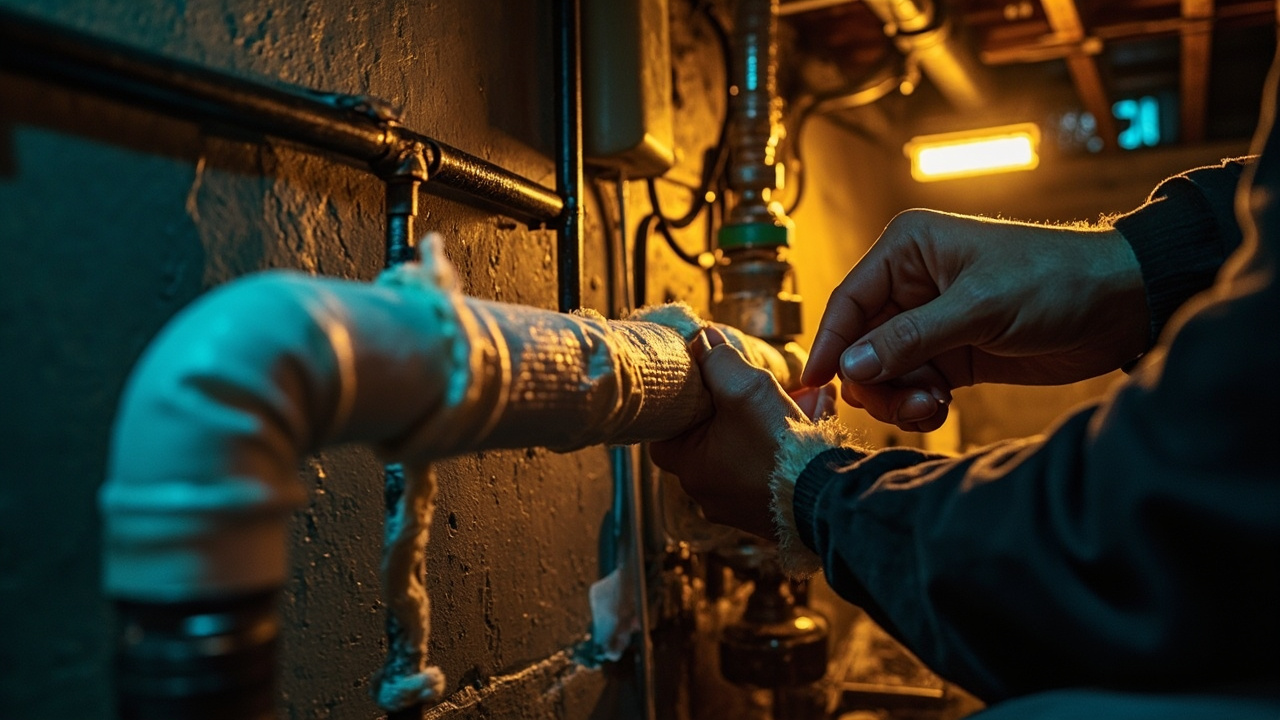
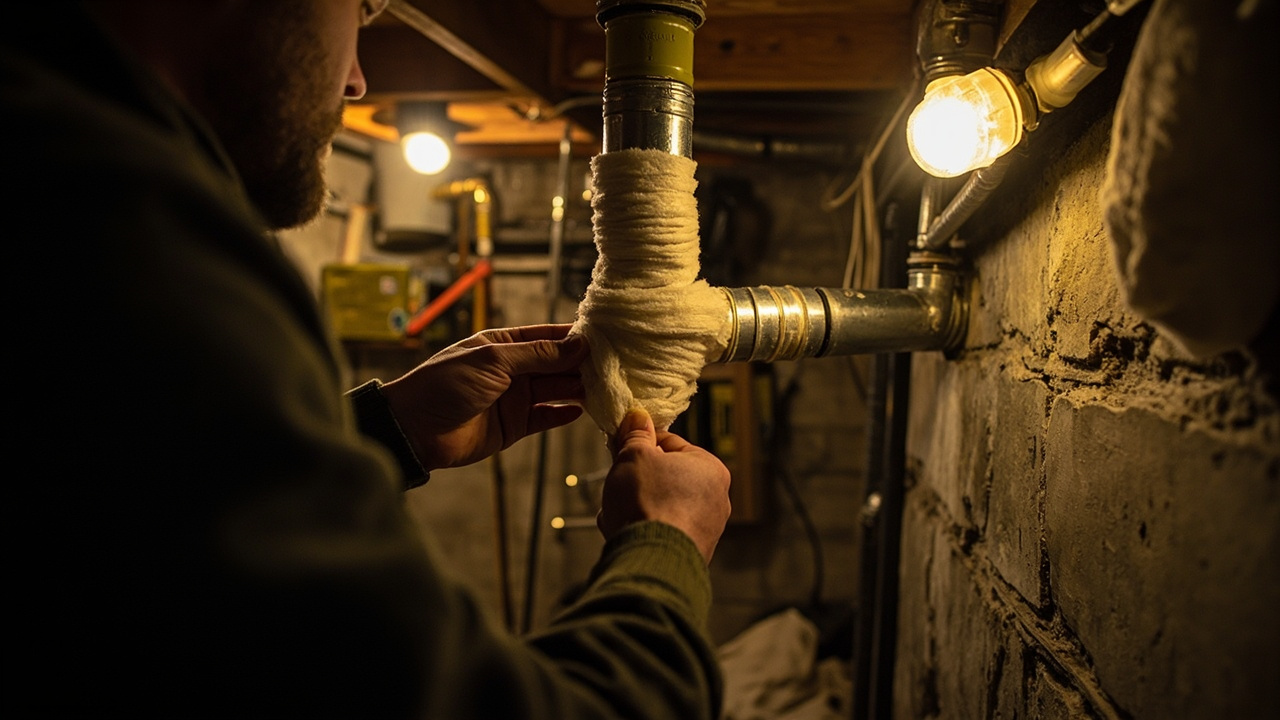
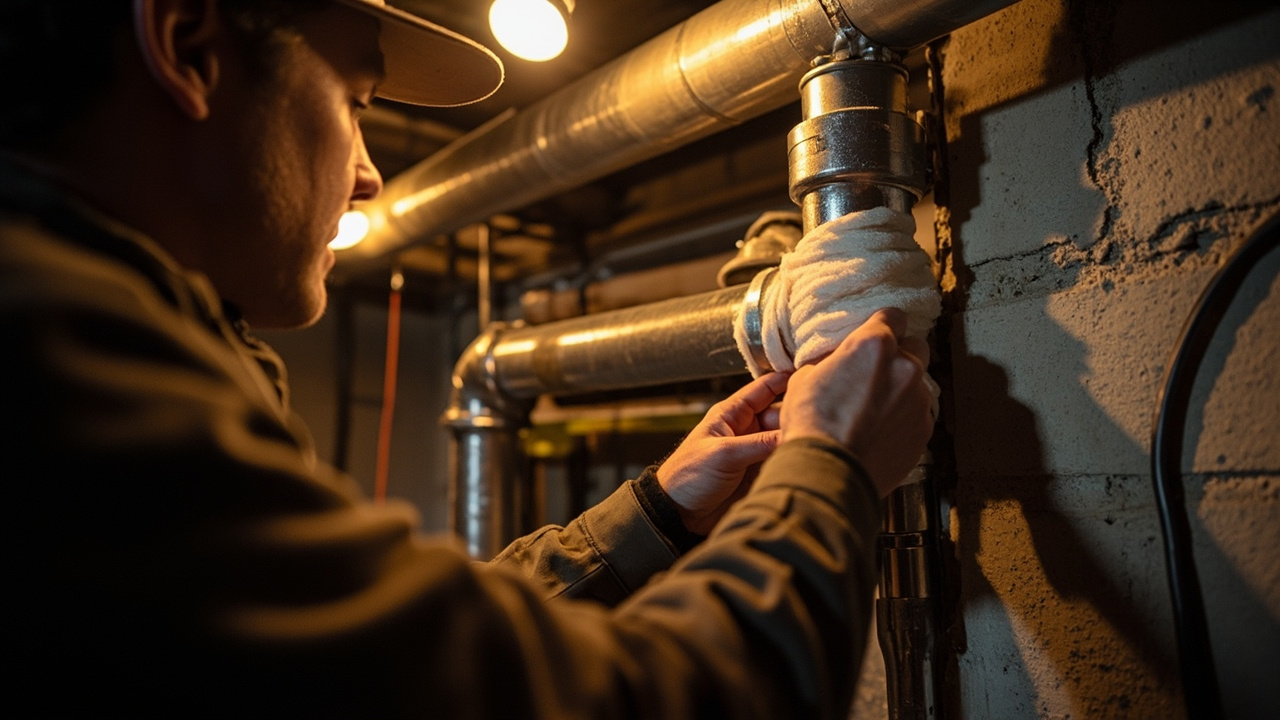
Insulation works by slowing heat loss, not generating warmth. Foam pipe sleeves provide an R-value between 3 and 5, which delays freezing by several hours. This buys you time during overnight cold snaps. You wrap every exposed pipe in crawl spaces, attics, and garages. Pay attention to joints and elbows where metal fittings conduct cold faster than pipe walls.

Heat tape offers active protection. You spiral it around vulnerable sections and plug it in when temperatures drop. Modern thermostatic heat tape activates automatically at 38 degrees and shuts off at 45 degrees. This prevents energy waste and overheating. You use it on hose bibs, crawl space lines, and any piping in unheated zones.

Airflow prevents dead zones where cold air settles. Cabinet doors under sinks should stay open during freezes. This allows warm room air to circulate around supply lines. Crawl space vents get closed in winter to trap ambient heat from the ground. If your crawl space stays above 40 degrees, your pipes stay safe.

Drip prevention is misunderstood. Letting faucets drip does not stop pipes from freezing. It relieves pressure so frozen pipes do not burst. Moving water resists freezing better than stagnant water, but a slow drip will not save an uninsulated pipe in 15-degree weather.

You also drain exterior fixtures completely. Shut off interior shutoff valves to hose bibs, then open the exterior faucet to clear residual water. Remove garden hoses. Drain sprinkler systems using compressed air. Any water left in these lines will freeze and crack fittings.

Your Step-by-Step Winter Pipe Protection Plan

How to Prevent Frozen Pipes in Seattle – Protect Your Home Before Winter Damage Strikes
01

Identify Vulnerable Zones

Walk through your crawl space, attic, and garage with a flashlight. Look for exposed copper or PEX lines along exterior walls. Check for pipes near foundation vents or uninsulated rim joists. Mark every section that lacks insulation. Prioritize north-facing walls and any piping within three feet of an exterior door or window. These freeze first during Arctic outbreaks.
02

Install Insulation and Heat Tape

Wrap foam sleeves around every exposed pipe. Secure them with zip ties or adhesive tape. For crawl space lines, use fiberglass pipe wrap rated for damp environments. Apply heat tape to hose bibs and any pipes you cannot insulate properly. Route the power cord to a GFCI outlet. Test the system before the first freeze to confirm activation.
03

Monitor and Maintain

Check your crawl space temperature weekly during winter. It should stay above 40 degrees. Open cabinet doors when overnight lows drop below 28 degrees. Set your thermostat to 55 degrees minimum if you leave town. Drain outdoor fixtures after the last use in fall. Inspect insulation each spring for damage from rodents or moisture, then replace as needed.

Why Seattle Homeowners Trust Local Plumbing Expertise

You cannot apply Denver strategies to Seattle plumbing. Our climate is different. We deal with damp crawl spaces, not dry basements. Our freeze events are sudden and short, not sustained cold. Generic advice fails because it ignores these regional factors.

Horizon Plumbing Seattle understands how your home was built. We know that most Seattle houses have vented crawl spaces, which were common until building codes changed in the 1990s. We know your supply lines probably run through these spaces, inches from freezing air. We also know that many homes have galvanized steel pipes in older sections, which corrode and fail faster than copper when subjected to freeze-thaw stress.

We see the aftermath of frozen pipes every winter. Burst supply lines flood crawl spaces. Water migrates through insulation and saturates floor joists. Mold starts growing within 48 hours. Repairs escalate from a simple pipe replacement to subfloor removal and mold remediation. The total cost jumps from hundreds to tens of thousands.

Our approach focuses on preventing that cascade. We insulate vulnerable sections using closed-cell foam for crawl spaces, which resists moisture better than fiberglass. We install freeze-proof hose bibs that drain automatically when you shut off the water. We relocate supply lines away from exterior walls when feasible, routing them through interior partition walls where temperatures stay stable.

We also help you balance energy efficiency with freeze protection. Sealing your crawl space improves heating efficiency, but it requires adding insulation to foundation walls and maintaining airflow. We evaluate your specific setup and recommend the right combination of insulation, ventilation, and heat trace to keep pipes safe without driving up utility bills.

You get advice tailored to your neighborhood, your home's age, and your plumbing configuration. That specificity matters when winter hits and temperatures drop fast.

What to Expect When You Winterize Your Plumbing

Timing and Scheduling

You should winterize before November. Cold snaps can hit as early as mid-October in Seattle. Schedule your inspection and insulation work during dry weather so technicians can access crawl spaces safely. Most winterization projects take four to six hours, depending on how much exposed piping you have. If you need heat tape installed, add electrical work time. Emergency winterization during a freeze event is possible, but you pay premium rates and risk pipe damage while waiting for service. Plan ahead.

Initial Assessment Process

A technician inspects your crawl space, attic, and garage for exposed pipes. They check insulation condition, measure ambient temperatures, and identify high-risk zones. They also evaluate your hose bibs and irrigation system for proper drainage. You receive a written report listing vulnerable areas and recommended upgrades. This assessment takes about 90 minutes. The goal is creating a prioritized action plan, so you protect the most critical sections first. You can implement fixes in stages if budget is a concern.

Installation and Results

Technicians install foam insulation, heat tape, and freeze-proof fixtures based on your assessment. They secure insulation with mechanical fasteners to prevent sagging over time. Heat tape gets tested for proper activation. Outdoor faucets get drained and shutoff valves get labeled for easy access. You receive instructions for operating heat tape and maintaining insulation. The result is a plumbing system that can handle Seattle's typical winter lows without damage. You also get peace of mind during cold snaps.

Ongoing Maintenance Needs

Pipe insulation lasts five to ten years before it degrades from moisture or pest activity. Inspect it each fall and replace damaged sections. Heat tape has a lifespan of three to five years. Test it before each winter by plugging it in and checking for warmth. Replace any sections that fail to heat. Check crawl space vents in November and close them to trap warmth. Open them again in March to prevent summer moisture buildup. These simple maintenance steps keep your system reliable year after year.

Frequently Asked Questions

You Have Questions,
We Have Answers

Do all faucets need to drip to prevent freezing? +

No. Focus on faucets served by pipes in vulnerable areas. In Seattle homes, prioritize faucets on exterior walls, in unheated crawl spaces, or in garages. You do not need every tap dripping. Target the cold water side of faucets in these exposed zones. A pencil-lead-thin stream is enough to keep water moving and prevent ice formation. Running all faucets wastes water and money. Identify your weak points first. Check under sinks for pipes against exterior walls, then drip those specific fixtures when temperatures drop near freezing.

How do I stop my pipes from freezing? +

Insulate exposed pipes in crawl spaces, attics, and garages with foam pipe sleeves. Seal gaps and cracks in exterior walls where pipes run. Disconnect and drain garden hoses. Shut off exterior hose bib valves and drain the lines. Keep cabinet doors open under sinks on exterior walls so warm air circulates. When Seattle temperatures approach 32 degrees, let vulnerable faucets drip slightly. Maintain heat above 55 degrees even when you are away. If you have a crawl space, consider installing encapsulation or insulation to protect plumbing year-round.

How often should I run water to keep pipes from freezing? +

Run water when outdoor temperatures fall to 32 degrees or below, and you have pipes in unheated or exterior spaces. A thin, constant drip is enough. You do not need to run water constantly all winter. Monitor Seattle weather forecasts. When a cold snap hits, start the drip before nightfall when temperatures drop fastest. Keep it running until daytime temperatures rise above freezing. If a freeze lasts multiple days, maintain the drip throughout. Stop once the threat passes to avoid wasting water and inflating your bill.

At what temperature do pipes freeze? +

Pipes begin freezing when temperatures drop to 20 degrees or below for extended periods. However, pipes in unheated areas like crawl spaces, attics, or against exterior walls can freeze at 32 degrees. Seattle rarely sees prolonged hard freezes, but when temperatures hover near freezing overnight, vulnerable pipes are at risk. Wind chill accelerates freezing. Pipes with poor insulation or minimal water flow freeze faster. The duration matters as much as the temperature. A brief dip to 28 degrees causes less risk than sustained cold at 32 degrees.

At what temperature should you start dripping faucets? +

Start dripping faucets when outdoor temperatures approach 32 degrees, especially if pipes run through unheated spaces. In Seattle, monitor forecasts for overnight lows near or below freezing. Begin the drip before sunset when temperatures drop. Focus on faucets connected to pipes in crawl spaces, attics, or exterior walls. A slow, steady drip keeps water moving and prevents ice blockage. If wind chill or a multi-day freeze is forecast, start earlier. You can stop once daytime temperatures rise and stay above freezing for several hours.

Is it better to put your outside faucets on a drip or to wrap them and cover them with a foam cover? +

Wrap and insulate exterior faucets rather than leaving them on a drip. Disconnect hoses first, then shut off the interior valve supplying the hose bib. Drain the exterior line completely. Install an insulated faucet cover or wrap the spigot with foam insulation and weatherproof tape. Dripping outdoor faucets wastes water and can create ice buildup on walkways or foundations. Seattle winters bring freeze-thaw cycles that make ice hazards worse. Proper insulation and shutoff protect the fixture and prevent water waste. Save dripping for interior faucets with vulnerable supply lines.

Do you run both hot and cold water to keep pipes from freezing? +

Run cold water only. The goal is to keep water moving in the supply line. Cold water pipes freeze first because they lack the residual heat from your water heater. Running hot water does not provide extra protection and wastes energy heating water that goes down the drain. In Seattle homes, focus your drip on cold water taps connected to pipes in crawl spaces or exterior walls. If your hot water line runs through the same vulnerable area, a slight drip from the hot side may help, but prioritize cold water.

Does adding rubbing alcohol to water keep it from freezing? +

Do not add rubbing alcohol to your plumbing system. While alcohol lowers the freezing point of water, introducing it into your home's pipes can damage seals, gaskets, and fixtures. It contaminates your water supply and creates health risks. The concentration needed to prevent freezing would require large amounts of alcohol, making it impractical and expensive. Instead, use proper insulation, heat tape, or maintain a drip during freezes. For winterizing vacant properties, use RV antifreeze specifically designed for plumbing systems. Never improvise with household chemicals in your water lines.

What pipes are most likely to freeze? +

Pipes in unheated crawl spaces freeze first in Seattle homes. Next are pipes in exterior walls, attics, and garages. Hose bibs and outdoor faucets are extremely vulnerable. Homes on concrete slab foundations with poor skirting allow cold air under the structure. Older homes in neighborhoods like Ballard or Queen Anne often have minimal crawl space insulation. Pipes near rim joists or in wall cavities against north-facing walls freeze quickly. Any pipe with minimal insulation and exposure to outside air is at risk during Seattle freeze events.

Is it better to turn water off or let it drip? +

Let it drip if you are home and can monitor it. Turn water off at the main if you are leaving for an extended period during a freeze. Dripping prevents pressure buildup and keeps water moving in vulnerable pipes. If you leave town, shut off the main supply, then open all faucets to drain the system. Leave cabinet doors open and set heat to 55 degrees minimum. For short absences during a Seattle cold snap, a drip is safer and easier. For multi-day trips in freezing weather, turn off and drain the system completely.

How Seattle's Microclimates and Housing Stock Create Unique Freeze Risks

Seattle's topography creates temperature variations across the city. Homes in valleys like Rainier Valley and Georgetown experience colder overnight lows than hillside neighborhoods like Capitol Hill or Magnolia. Cold air sinks and pools in low areas, dropping temperatures five to eight degrees below the official forecast. If you live in a valley, your pipes face higher freeze risk even when the airport reports 33 degrees. Older homes in these areas often have uninsulated crawl spaces and minimal foundation insulation, compounding the problem. Knowing your microclimate helps you prioritize winterizing efforts and adjust your thermostat settings during freeze warnings.

Seattle's housing stock includes thousands of homes built between 1900 and 1950, long before modern insulation standards. These properties have minimal crawl space protection and often feature galvanized steel supply lines that corrode faster under freeze-thaw stress. Local building codes now require R-19 insulation in crawl spaces and freeze-proof hose bibs for new construction, but older homes remain vulnerable. Choosing a plumber familiar with these legacy systems ensures you get solutions that work with your home's construction, not against it. Local expertise matters when your plumbing predates modern freeze protection standards.

Plumbing Services in The Seattle Area

Horizon Plumbing Seattle proudly serves the entire Seattle metropolitan area and surrounding communities. We invite users to view our service area map to confirm that your home or business falls within our coverage zone, ensuring we can deliver fast, reliable service right to your doorstep. Our professional team is strategically located to offer prompt dispatch, whether you're in the heart of downtown or the outlying neighborhoods. Call us to confirm coverage and schedule your expert plumbing appointment today; we look forward to serving you with confidence and a warm welcome.

Address:
Horizon Plumbing Seattle, 1515 Dexter Ave N, Seattle, WA, 98109

Additional Services We Offer

Our news updates

Latest Articles & News from The Blogs

Why Georgetown Homeowners Are Choosing Professional Bidet Installation Services Georgetown's historic industrial charm and vibrant community make it a unique…

Why Homeowners in Georgetown are Upgrading to Professional Bidet Installations

Why Georgetown Homeowners Are Choosing Professional Bidet Installation Services Georgetown's historic industrial charm and vibrant community make it a unique…

Is Your Garbage Disposal Safe for the Septic System at Your Rural King County Property?

Is Your Garbage Disposal Safe for the Septic System at Your Rural King County Property? If you live in a…

Why You Should Consider a Pressure Reducing Valve for Your Phinney Ridge Home

Why You Should Consider a Pressure Reducing Valve for Your Phinney Ridge Home Living in Phinney Ridge means dealing with…

Contact Us

Do not wait for a freeze warning to take action. Call Horizon Plumbing Seattle at (564) 220-5552 today to schedule your winterization assessment. We will identify your vulnerable pipes and install proven protection before temperatures drop.