




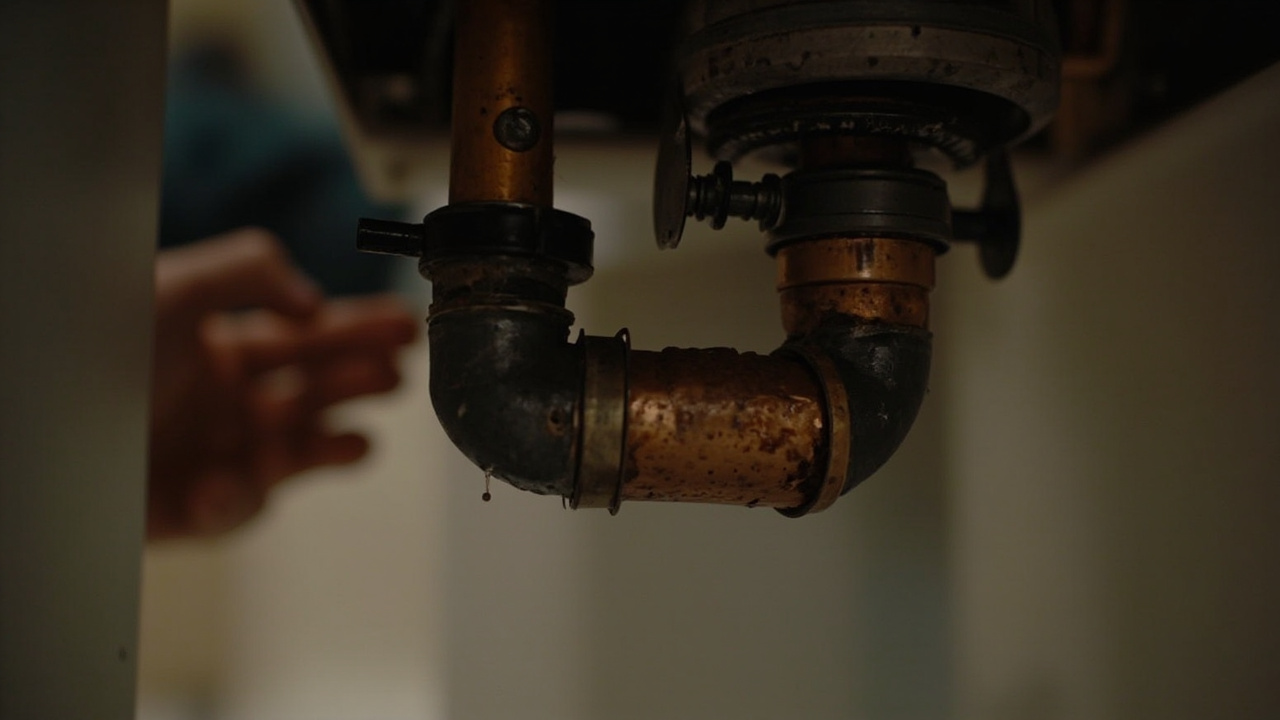
Seattle's topography creates challenging water pressure conditions. The city operates over 150 pressure zones to maintain consistent delivery across hills and valleys. Homes on hilltops receive lower pressure, while homes at the base of hills experience higher pressure from elevation head. This variation means some neighborhoods consistently deal with pressure-related noise. Queen Anne, Capitol Hill, and Magnolia homes face higher baseline pressure that intensifies water hammer when valves close. The city's infrastructure compounds this. Older pressure-reducing stations don't always respond quickly to demand changes, causing pressure spikes that stress residential plumbing. Understanding these zone-specific challenges allows us to properly size pressure regulators and arrestors for your location.
Seattle adopted modern plumbing code provisions for water hammer protection in the 1980s, but thousands of homes predate these requirements. If your house was built before 1990, it likely lacks proper arrestors. We see this constantly in Ballard, Fremont, and Wallingford. These neighborhoods have beautiful older homes with original plumbing that never included hydraulic shock protection. Local expertise matters because we know which housing eras and construction styles are vulnerable. We've worked throughout Seattle's neighborhoods and understand the specific challenges each area faces. This isn't generic plumbing knowledge. It's pattern recognition from thousands of local service calls. We know what to look for in your specific home based on age, location, and construction type.