



menu

Commercial Hydro Jetting Services in Seattle – Industrial-Grade Line Clearing That Keeps Your Business Running

High-pressure water jetting designed for commercial kitchens, multi-tenant properties, and industrial facilities across Seattle. We minimize downtime and prevent recurring blockages with equipment built for capacity.

Slider Image 1
Slider Image 2
Slider Image 3
Slider Image 4
Slider Image 5
Slider Image 7
Slider Image 8
Slider Image 9
Slider Image 10
Slider Image 11

Seattle's Aging Commercial Infrastructure Creates Predictable Drain Failures

Seattle's commercial district sits on aging cast iron and clay pipe systems, many installed in the 1960s and 70s. These lines now face grease buildup, root infiltration, and sediment accumulation that routine snaking cannot address. For restaurants in Pioneer Square or hotels near Pike Place Market, a blocked main line means immediate revenue loss and potential health code violations.

The Pacific Northwest's temperate climate keeps tree roots active year-round. Maples and alders common to Seattle grow aggressive lateral root systems that penetrate commercial sewer lines through microscopic cracks. Once inside, these roots form dense mats that catch grease, paper, and solid waste. Traditional cable snaking cuts through roots temporarily but leaves the root structure intact, guaranteeing another blockage within months.

Commercial kitchens discharge fats, oils, and grease that solidify as they cool in drain lines. Over time, these deposits reduce pipe diameter by 50 percent or more. High pressure water jetting removes these obstructions completely, restoring full flow capacity. Sewer jetting services use water pressure between 3,000 and 4,000 PSI to scour pipe walls clean, eliminating buildup that creates ongoing maintenance problems.

Multi-tenant buildings face compounding issues. When one tenant disposes of grease improperly, the entire building's drain system suffers. Hydro jet pipe cleaning addresses the entire line, not just the immediate blockage. For property managers overseeing buildings in Capitol Hill or South Lake Union, this prevents tenant disputes and maintains compliance with Seattle's strict grease trap regulations.

Seattle's Aging Commercial Infrastructure Creates Predictable Drain Failures
How Commercial Hydro Jetting Removes Blockages Mechanical Methods Cannot

How Commercial Hydro Jetting Removes Blockages Mechanical Methods Cannot

Commercial hydro jetting uses specialized nozzles that direct pressurized water in multiple angles simultaneously. A forward jet breaks apart blockages while rear-facing jets propel the hose through the line and scour pipe walls. This 360-degree cleaning action removes scale, grease, and debris that cable machines simply push aside.

Before jetting begins, we perform video camera inspection to identify pipe material, blockage location, and structural integrity. This prevents damage to compromised pipes and allows us to select the correct nozzle configuration. Older terra cotta pipes require different pressure settings than modern PVC or cast iron systems. For commercial facilities with mixed pipe materials, this diagnostic step is mandatory.

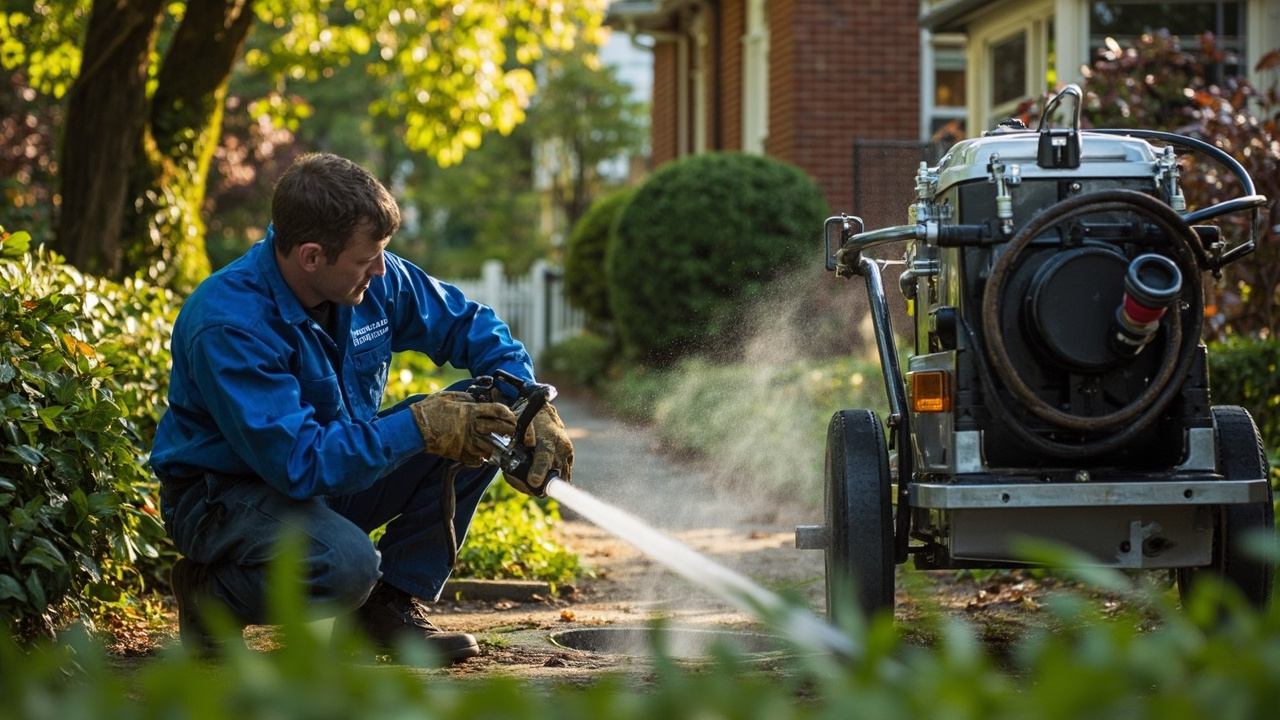
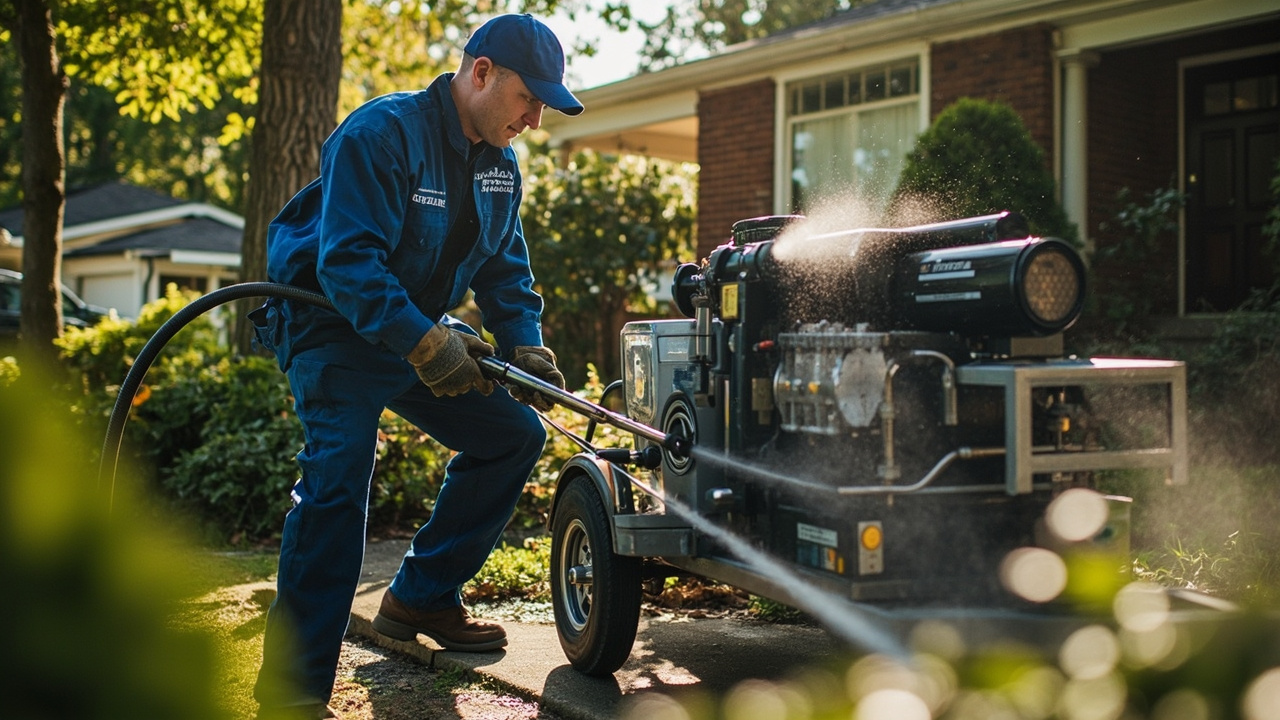
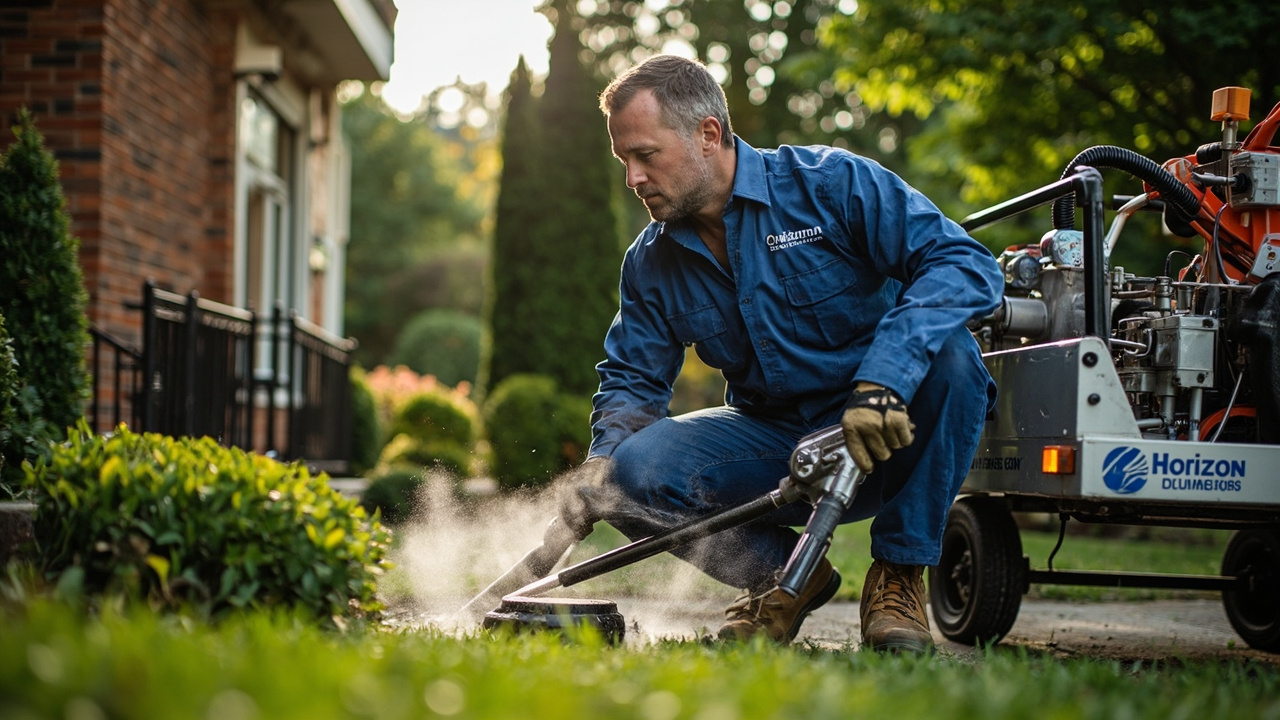
Line jetting services for commercial properties require trailer-mounted equipment capable of sustained high-pressure output. These units deliver consistent water volume at pressures sufficient to clear 8-inch to 12-inch main lines common in Seattle's commercial buildings. Portable units lack the power and water capacity needed for large-diameter pipes serving multiple businesses.

We use rotating nozzles for grease removal and penetrating nozzles for root masses. Grease requires sustained pressure and heat to emulsify and flush. Root masses need cutting force to break apart fibrous material. Chain flail nozzles handle mineral deposits and hardened scale. Each blockage type demands specific equipment and technique. Commercial hydro jetting is not a single-solution process.

After jetting, we perform a second camera inspection to verify complete clearance and document pre-existing pipe damage. This protects both parties and provides evidence of thoroughness for property owners who need documentation for insurance or municipal compliance.

What Happens During Commercial Line Jetting

Commercial Hydro Jetting Services in Seattle – Industrial-Grade Line Clearing That Keeps Your Business Running
01

Pre-Service Video Inspection

We run a sewer camera through your main line to identify blockage type, pipe condition, and access points. This reveals whether the line has structural damage that requires repair before jetting. The inspection takes 20 to 40 minutes depending on line length. You receive footage showing exactly what caused the blockage and what condition your pipes are in before we begin jetting work.
02

High-Pressure Water Jetting

We insert the jetting hose through a cleanout or roof vent and advance it to the blockage location. Pressurized water cuts through grease, roots, and scale while flushing debris toward the main sewer connection. For commercial kitchens, we focus on grease traps and horizontal runs where fats accumulate. The process clears lines completely rather than creating a temporary channel through the blockage like cable snaking does.
03

Post-Jetting Verification and Documentation

We run the camera through the cleaned line to confirm complete debris removal and document the final pipe condition. This post-service inspection proves the line is clear and identifies any structural issues requiring follow-up. You receive before and after footage for your maintenance records. If we discover damaged pipe sections during jetting, we provide repair recommendations with priority rankings based on failure risk.

Why Seattle Commercial Properties Choose Horizon Plumbing for Jetting Services

Seattle requires commercial properties to maintain grease interceptors and document regular maintenance under SMC 21.16.280. Non-compliance results in fines starting at $500 and potential permit revocation for food service establishments. We provide the documentation you need to prove compliance during health department inspections. Each service includes detailed reports showing blockage location, cause, and resolution.

Our jetting equipment handles the 6-inch to 12-inch main lines common in Seattle's older commercial buildings. We carry nozzles specifically designed for cast iron and clay pipe systems that cannot withstand aggressive mechanical cleaning. Many plumbing companies use residential-grade equipment inadequate for commercial drain systems. Underpowered jetters fail to clear large-diameter lines completely, resulting in recurring blockages within weeks.

We respond to commercial emergencies within two hours during business days. For restaurants, hotels, and medical facilities where drain backups create immediate health hazards, this response time prevents extended closures. We maintain relationships with Seattle Department of Construction and Inspections inspectors and understand local code requirements for commercial plumbing systems.

Property managers working with multiple tenants need accountability and transparency. We provide individual reports for each jetting service showing the specific line addressed, blockage cause, and preventive recommendations. This documentation protects property owners when tenants dispute maintenance charges or claim pre-existing conditions caused damage.

Our technicians hold Washington State journey-level plumber licenses and complete annual training on commercial jetting equipment. We carry general liability insurance with coverage limits appropriate for commercial properties. Many contractors lack adequate coverage for damage claims exceeding $1 million, common in commercial buildings housing multiple businesses.

What Commercial Clients Need to Know About Professional Jetting Services

Service Timeline and Business Disruption

Standard commercial line jetting takes two to four hours depending on line length and blockage severity. We schedule service during off-peak hours to minimize business disruption. Emergency blockages affecting multiple tenants or creating health hazards receive same-day response. For planned maintenance jetting, we provide two-week advance scheduling. Large-diameter main lines in high-rise buildings may require multiple service visits if blockages extend beyond 200 feet or involve multiple lateral connections.

Initial Assessment and Scope Definition

We start with camera inspection to identify blockage location and pipe condition. This prevents damage to compromised pipes and determines whether jetting is appropriate or if excavation is necessary. The assessment reveals root intrusion points, grease accumulation zones, and structural defects like bellied pipes or offset joints. You receive a written scope of work before jetting begins. For buildings with unknown pipe layouts, we locate and map cleanout access points before providing service estimates.

Long-Term Flow Restoration

Properly executed hydro jetting restores drain lines to near-original flow capacity. For grease-heavy commercial kitchens, quarterly jetting prevents buildup that causes recurring blockages. Properties with mature trees near sewer lines benefit from annual root removal jetting before roots form dense mats. Unlike cable snaking that creates temporary channels through blockages, jetting removes debris completely. You should notice faster drainage immediately after service. If flow problems persist, the issue involves structural pipe damage requiring repair rather than cleaning.

Preventive Maintenance Programs

We offer scheduled maintenance contracts for commercial properties requiring regular jetting. Restaurants and food service facilities benefit from quarterly service that prevents emergency blockages during peak business hours. Multi-tenant buildings with recurring drain issues receive priority scheduling and reduced rates for routine maintenance. Maintenance agreements include annual camera inspections to track pipe deterioration and identify repair needs before failures occur. Scheduled service costs less than emergency calls and prevents revenue loss from unplanned closures.

Frequently Asked Questions

You Have Questions,
We Have Answers

Is hydro jetting worth it? +

Yes. Hydro jetting delivers measurable ROI for commercial properties in Seattle. Unlike snaking, which pokes holes through blockages, hydro jetting scours pipe walls clean at pressures up to 4,000 PSI. This removes grease buildup, scale, and root intrusions completely. For restaurants, hotels, or multi-unit buildings, hydro jetting reduces recurring service calls and prevents emergency backups that halt operations. Seattle's aging infrastructure and tree-lined streets mean roots infiltrate sewer lines frequently. Hydro jetting addresses the root cause, extending intervals between cleanings. The upfront cost prevents costly downtime, tenant complaints, and potential code violations from recurring blockages.

How much do plumbers charge to hydrojet? +

Commercial hydro jetting rates in Seattle vary based on line diameter, blockage severity, and access points. Expect higher rates for larger diameter lines common in commercial buildings. Factors affecting cost include camera inspection requirements, depth of the cleanout, and distance from the obstruction. Seattle's terrain and older building stock often complicate access. Many commercial jobs require pre-inspection to assess pipe condition and identify the blockage location. Pricing typically covers equipment mobilization, technician time, and disposal fees. Request a detailed scope of work and flat-rate quote to avoid surprises. Regular maintenance contracts often reduce per-service costs.

How much to charge for drain jetting? +

Drain jetting pricing for commercial properties depends on pipe size, length of run, and blockage type. Larger diameter lines in commercial kitchens or industrial facilities require higher flow rates and specialized nozzles. Grease accumulation common in Seattle restaurants demands more passes and higher pressure. Access difficulty affects labor time. Basement cleanouts or lines beneath concrete slabs increase complexity. Commercial jobs often include video inspection to verify clearance and document pipe condition for property records. Establish a preventive maintenance schedule to spread costs and avoid emergency rates. Volume agreements for multi-location businesses can reduce per-service charges.

Does Roto Rooter do hydro jetting? +

Many national franchises, including Roto Rooter, offer hydro jetting services. However, equipment quality, technician training, and service focus vary significantly. Commercial properties in Seattle require plumbers who understand local code requirements and the specific challenges of older building infrastructure. Look for contractors with dedicated commercial divisions, high-capacity jetters for larger diameter lines, and experience with grease interceptor maintenance. Verify the plumber carries adequate liability coverage for commercial work. Franchise operations may prioritize residential volume over commercial expertise. Choose a provider with documented commercial references and familiarity with Seattle's municipal sewer system requirements.

Can hydro jetting damage old pipes? +

Hydro jetting can damage compromised pipes if not performed correctly. Pre-inspection with a sewer camera is critical for older buildings common in Seattle. Technicians must identify existing cracks, corrosion, or weakened sections before jetting. Terracotta, Orangeburg, or cast iron pipes deteriorated by age require adjusted pressure settings. Experienced commercial plumbers modify nozzle selection and PSI based on pipe material and condition. Damage typically occurs when contractors skip camera inspection or use residential-grade equipment on commercial lines. Proper hydro jetting removes buildup without harming sound pipes. If pipes are too degraded for jetting, camera footage documents the need for repair or replacement.

Why do plumbers say not to use drain cleaner? +

Chemical drain cleaners cause long-term damage to commercial plumbing systems. The caustic chemicals generate heat, which weakens pipe joints and accelerates corrosion in older metal pipes common throughout Seattle. Repeated use degrades PVC gaskets and fittings. Chemicals also create liability issues if employees or tenants suffer burns from splashback. In commercial kitchens, drain cleaners react unpredictably with grease, sometimes hardening blockages. Chemical residue contaminates grease traps and interferes with bacterial treatment systems. Seattle's environmental regulations restrict disposal of chemical-laden wastewater. Hydro jetting removes blockages mechanically without chemical risks, protecting your infrastructure investment and reducing environmental liability.

Can I do hydro jetting myself? +

No. Commercial hydro jetting requires specialized equipment, training, and licensing that property owners do not possess. Jetters operate at pressures that can cause serious injury or property damage if mishandled. Selecting the wrong nozzle or pressure setting can rupture pipes, especially in older Seattle buildings with mixed pipe materials. Technicians must interpret camera inspections to identify pipe condition and blockage type before jetting. Commercial work requires understanding of backflow prevention, cross-connection control, and Seattle plumbing code. Insurance and liability concerns make DIY hydro jetting a significant business risk. Professional plumbers carry equipment insurance and liability coverage that protects your property.

Will homeowners insurance cover sewer line repair? +

Standard commercial property insurance typically excludes gradual wear and maintenance issues like sewer line deterioration. Coverage depends on your specific policy language and the cause of failure. Sudden damage from tree root intrusion or third-party construction may qualify for claims. Seattle's aging infrastructure means many sewer line failures result from long-term neglect, which insurers deny. Review your policy's water damage and exterior line coverage sections. Some commercial policies offer optional sewer backup endorsements. Document all maintenance with video inspection records to demonstrate proper care. This strengthens claims for sudden, unforeseeable failures versus deferred maintenance. Consult your insurance agent and maintain detailed service records.

What are the signs I need hydro jetting? +

Multiple slow drains across your building indicate main line blockage requiring hydro jetting. Recurring backups despite recent snaking mean buildup remains on pipe walls. Foul odors from drains signal organic matter accumulation. Gurgling sounds when fixtures drain indicate venting issues caused by partial blockages. In commercial kitchens, grease traps filling faster than normal suggest downstream buildup. Seattle's mature trees cause root intrusion that creates persistent drainage issues. High-rise buildings experiencing backups on lower floors likely have main line obstructions. Standing water in floor drains or basement fixtures requires immediate attention. Schedule camera inspection to confirm blockage severity and location before hydro jetting.

How long does hydro jetting take? +

Commercial hydro jetting duration depends on line length, blockage severity, and access points. Simple mainline cleaning takes one to three hours including setup and inspection. Extensive grease buildup in restaurant lines may require four to six hours for multiple passes. Buildings with difficult access or multiple cleanout points extend service time. Pre-inspection with a sewer camera adds 30 to 60 minutes but prevents wasted effort. Seattle's hilly terrain and older building layouts sometimes complicate equipment positioning. Multi-story buildings require more time to access vertical stacks. Complex blockages like collapsed pipes discovered during jetting require stopping service and planning repairs. Discuss estimated timeframes during scheduling to minimize business disruption.

How Seattle's Active Root Growth and Aging Pipe Systems Demand Regular Jetting

Seattle's mild, wet climate keeps deciduous tree roots active throughout the year. Maples, alders, and willows common to commercial properties send aggressive roots toward sewer lines seeking moisture and nutrients. These roots penetrate cast iron and clay pipes through joints and microscopic cracks. Once inside, root masses expand rapidly in the nutrient-rich environment, forming blockages that routine maintenance cannot address. Commercial properties near Green Lake, the Washington Park Arboretum, or along tree-lined streets in Ballard face predictable root intrusion every 18 to 24 months without preventive jetting.

Many Seattle commercial buildings operate on sewer infrastructure installed between 1950 and 1980, before modern pipe materials and installation standards. These older systems use clay tile or cast iron that deteriorates over decades of use. Seattle Public Utilities documents hundreds of sewer line failures annually in commercial districts. Property owners who demonstrate proactive maintenance through documented jetting services receive favorable consideration during permit reviews and code compliance issues. Regular professional jetting with video documentation protects commercial property owners from liability claims related to tenant drain problems or municipal violations.

Plumbing Services in The Seattle Area

Horizon Plumbing Seattle proudly serves the entire Seattle metropolitan area and surrounding communities. We invite users to view our service area map to confirm that your home or business falls within our coverage zone, ensuring we can deliver fast, reliable service right to your doorstep. Our professional team is strategically located to offer prompt dispatch, whether you're in the heart of downtown or the outlying neighborhoods. Call us to confirm coverage and schedule your expert plumbing appointment today; we look forward to serving you with confidence and a warm welcome.

Address:
Horizon Plumbing Seattle, 1515 Dexter Ave N, Seattle, WA, 98109

Additional Services We Offer

Our news updates

Latest Articles & News from The Blogs

Is Your Garbage Disposal Safe for the Septic System at Your Rural King County Property? If you live in a…

Is Your Garbage Disposal Safe for the Septic System at Your Rural King County Property?

Is Your Garbage Disposal Safe for the Septic System at Your Rural King County Property? If you live in a…

Why You Should Consider a Pressure Reducing Valve for Your Phinney Ridge Home

Why You Should Consider a Pressure Reducing Valve for Your Phinney Ridge Home Living in Phinney Ridge means dealing with…

The Real Difference Between a Main Line Clog and a Simple Sink Drain Issue

The Real Difference Between a Main Line Clog and a Simple Sink Drain Issue \n\n Water backing up in your…

Contact Us

Drain emergencies cost your business money every hour they persist. Call Horizon Plumbing Seattle at (564) 220-5552 to schedule camera inspection and professional line jetting. We provide same-day emergency response and off-hours scheduling for commercial properties.