Sewer Line Spot Repair vs Full Replacement (How to Choose for Your Wallingford Property)
Your sewer line is one of those things you never think about until there’s a problem. In Wallingford’s older homes built between the 1920s and 1960s, many sewer lines are reaching the end of their lifespan. When you discover a sewer issue, you’re suddenly faced with a major decision: do you repair just the damaged section or replace the entire line? Trenchless Sewer Repair Options for Historic Capitol Hill Homes.
The answer depends on several factors specific to your property and the nature of the damage. A spot repair might cost you $2,000 to $5,000, while a full replacement could run $10,000 to $25,000 or more. Making the wrong choice could mean paying for a temporary fix when you needed a permanent solution, or overspending on unnecessary work.
This guide breaks down exactly how to evaluate your situation, what factors matter most for Wallingford properties, and when each option makes financial sense. We’ll cover the diagnostic process, cost considerations, and local regulations that affect your decision.
Understanding Your Wallingford Sewer System
Wallingford’s sewer infrastructure tells a story of Seattle’s growth. Many homes in the 98105 and 98103 zip codes were built during Seattle’s early expansion, using materials that have since proven problematic. Clay pipes, common in homes built before 1970, become brittle over time. Cast iron pipes corrode from the inside out. Even modern PVC can fail when installed improperly or exposed to aggressive tree roots. Seattle Public Utilities Side Sewer Permits.
The soil conditions in Wallingford add another layer of complexity. The area sits on glacial till – a dense, compacted mixture of clay, sand, and gravel left behind by retreating ice sheets. This soil type puts unique pressure on underground pipes and can cause shifting that leads to cracks or separations at pipe joints.
Before deciding on repair versus replacement, you need to understand what you’re dealing with. A professional sewer camera inspection is the first step. This diagnostic tool sends a high-resolution camera through your sewer line, revealing cracks, blockages, root intrusion, and the overall condition of the pipe. Without this information, you’re making decisions in the dark.
When Spot Repair Makes Sense
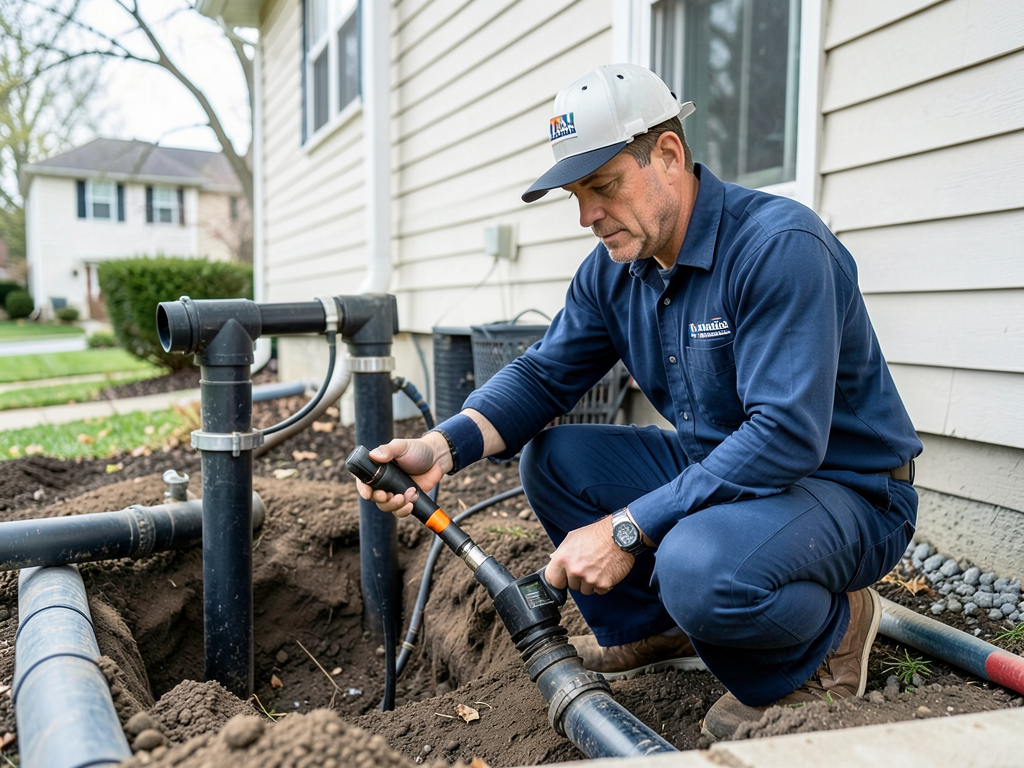
Spot repair becomes the right choice when the damage is isolated and the rest of the line is in good condition. Here are the scenarios where spot repair typically works best:
Single Point of Failure. If your camera inspection shows one crack, one offset joint, or one small section of pipe with tree root intrusion, and the remaining 80% of the line looks solid, a spot repair addresses the immediate problem without unnecessary work.
Recent Installation. If your sewer line was replaced within the last 20-30 years using modern materials like PVC or HDPE, and you’re dealing with a specific issue like a vehicle driving over the line or a particularly aggressive tree root, the rest of the system likely has decades of life remaining.
Cost Constraints. When budget is the primary concern and you need to address an immediate problem, spot repair gets your system functioning again. This buys you time to plan for a full replacement if needed later.
Property Sale Timeline. If you’re preparing to sell your Wallingford home and discover a sewer issue during inspection, a spot repair might satisfy buyer concerns while avoiding the larger expense of full replacement.
The diagnostic process involves more than just looking at the camera footage. A qualified technician will measure the depth of the damage, assess soil conditions around the affected area, and evaluate whether the repair can be done without compromising the structural integrity of the remaining pipe.
When Full Replacement Becomes Necessary
Full replacement isn’t just about fixing what’s broken – it’s about preventing future failures. Here’s when replacement becomes the smarter long-term investment:
Multiple Failure Points. If your camera inspection reveals several damaged sections scattered throughout the line, or if you see widespread deterioration like scaling, corrosion, or multiple offset joints, you’re looking at a system that’s failing systemically rather than having isolated issues.
Material Degradation. Clay pipes in Wallingford homes often fail due to their age and material properties. If your line is 50+ years old and made of clay or Orangeburg (a fiber conduit material used in some older Seattle homes), replacement prevents the inevitable cascade of failures that comes with aging infrastructure.
Tree Root Problems. Douglas fir and maple trees common in Wallingford neighborhoods send roots searching for water. If roots have infiltrated multiple sections of your line or created a network of small cracks, replacement with root-resistant materials becomes more cost-effective than repeatedly repairing the same line.
Code Compliance Issues. Seattle’s current plumbing code (Seattle Municipal Code 21.16) requires specific materials and installation methods that may not match what’s in your existing line. Full replacement ensures your system meets current standards for safety and environmental protection.
Property Modifications. If you’re planning major landscaping, adding a basement, or doing foundation work, replacing the sewer line during these projects can save significant money compared to digging up finished work later.
Cost Comparison: Spot Repair vs Full Replacement
Understanding the cost structure helps you make an informed decision. Here’s how the expenses typically break down:
| Repair Type | Typical Cost Range | Key Cost Factors |
|---|---|---|
| Spot Repair | $2,000 – $5,000 | Depth, accessibility, material type |
| Full Replacement (Trench) | $10,000 – $20,000 | Linear feet, depth, restoration work |
| Trenchless Replacement | $12,000 – $25,000 | Access points, pipe diameter, soil conditions |
Spot repair costs vary based on the depth of the damaged section. A repair at 4-5 feet deep might cost $2,500, while the same repair at 10-12 feet could exceed $4,000 due to excavation requirements and safety measures.
Full replacement costs depend heavily on linear footage. The average Seattle home needs 50-100 feet of sewer line replaced. At $150-$250 per foot for trench excavation, plus $100-$150 per foot for the pipe material and installation, costs add up quickly. Seattle Department of Transportation Right-of-Way Permits.
Trenchless methods like pipe bursting or cured-in-place pipe (CIPP) lining can reduce landscape damage but often cost more per foot than traditional excavation. However, they eliminate restoration costs for driveways, sidewalks, or mature landscaping.
Hidden Costs That Affect Your Decision
Beyond the basic repair or replacement costs, several factors can significantly impact your total investment:
Permit Requirements. Seattle requires side sewer permits for any work on your sewer line. The base permit fee starts around $400, but additional inspections and plan reviews can add $200-$300. If your repair affects public right-of-way, you’ll need additional permits from Seattle Department of Transportation, adding $500-$1,000.
Restoration Work. Traditional excavation often damages landscaping, driveways, or sidewalks. Concrete cutting and replacement costs $8-$12 per square foot. New sod installation runs $2-$4 per square foot. Mature shrub replacement can cost $100-$300 per plant.
Emergency Premiums. Weekend or after-hours service calls typically add 25-50% to base costs. During Seattle’s rainy season, emergency calls increase as saturated soil puts extra pressure on aging sewer lines.
Utility Locating. Before any excavation, underground utilities must be located and marked. This service costs $100-$200 but is mandatory under Washington State law. Missing this step can result in costly damage to gas lines or electrical conduits.
Inspection Requirements. King County requires final inspection of all sewer work. Missing inspections can result in failed compliance and the need to uncover completed work, potentially doubling your costs.
Diagnostic Process: What to Expect
The diagnostic process determines whether you need a spot repair or full replacement. Here’s what happens during a professional evaluation:
- Initial Assessment
Technician evaluates symptoms like slow drains, gurgling sounds, or sewage odors. They check cleanout access and measure the distance to the main sewer connection.
- Camera Inspection
A waterproof camera is fed through the sewer line. The technician records footage showing pipe condition, damage locations, and any blockages. They measure pipe diameter and note material type.
- Locating Service
Using electronic locating equipment, the technician marks the path of your sewer line above ground. This shows depth variations and helps plan the most efficient repair approach.
- Soil Evaluation
If excavation is needed, the technician assesses soil conditions at the surface. Wallingford’s glacial till often requires different equipment than sandy or loamy soils.
- Cost Estimate
Based on findings, the technician provides a detailed estimate showing both spot repair and full replacement options, including all permit and restoration costs.
The camera inspection typically costs $300-$500, but many companies waive this fee if you proceed with their recommended work. This inspection reveals critical information like pipe material, joint conditions, and whether roots have created a network of small cracks throughout the line.
Making the Right Choice for Your Property
Several factors specific to Wallingford properties influence whether spot repair or full replacement makes more sense:
Age of Your Home. Homes built before 1970 in Wallingford often have clay or cast iron sewer lines. If your home is 50+ years old and the sewer line original, replacement might prevent multiple future repairs.
Tree Coverage. Mature trees in Wallingford neighborhoods like along Woodland Park Avenue or near Gas Works Park send roots toward sewer lines. If you have large trees within 20 feet of your line, replacement with root-resistant materials might be worth the premium.
Future Plans. If you’re planning to stay in your home for 10+ years, investing in full replacement often provides better long-term value. If you might sell within 2-3 years, a spot repair might be sufficient.
Insurance Considerations. Some insurance policies cover sudden sewer line failures but not gradual deterioration. A spot repair might be covered if it addresses a specific break, while full replacement for aging pipes might not qualify.
Environmental Factors. Seattle’s wet climate puts extra stress on sewer lines. Water-saturated soil increases pressure on pipes, and freeze-thaw cycles common in winter can worsen existing cracks. These factors might make replacement more urgent if your line shows any signs of weakness.
Local Regulations and Requirements
Seattle’s sewer regulations affect both repair and replacement decisions. Understanding these requirements prevents costly surprises:
Side Sewer Permits. All sewer work requires a side sewer permit from Seattle Public Utilities. This permit ensures work meets current code requirements for materials, slope, and connection methods. The permit process includes plan review and final inspection.
Material Requirements. Current Seattle code requires PVC Schedule 40 or SDR-35 for residential sewer lines. If your existing line uses older materials, replacement ensures code compliance. Some properties near Lake Union or other water bodies have additional requirements for pipe strength and joint integrity.
Right-of-Way Work. If your sewer line crosses under sidewalks or streets, additional permits and insurance requirements apply. Seattle Department of Transportation permits add $500-$1,000 to project costs and require specific bonding to protect the city from damage claims.
Inspection Protocols. King County requires video inspection of all sewer lines during real estate transactions. If you’re selling your Wallingford home, having documentation of recent sewer work can prevent sale delays and price negotiations.
Environmental Compliance. Seattle’s environmental regulations require proper handling of excavated soil and disposal of old pipe materials. Contaminated soil from areas near older industrial sites might require special handling, adding $500-$2,000 to project costs.
Financing Your Sewer Repair or Replacement
Sewer work represents a significant investment, but several financing options can make it more manageable:
Payment Plans. Many plumbing companies offer 6-12 month payment plans with little or no interest. These plans typically require good credit but can spread a $10,000 project over manageable monthly payments.
Home Equity Options. Home equity loans or lines of credit often provide the best interest rates for home improvement projects. Rates in 2026 typically range from 6-9% for qualified borrowers.
Government Programs. Seattle Public Utilities occasionally offers rebate programs for sewer line repairs that prevent basement flooding or improve system reliability. These programs change annually, so check current availability before proceeding.
Insurance Claims. If your sewer failure was caused by a covered peril like a tree falling or sudden ground movement, your homeowner’s insurance might cover part of the repair. Document the damage thoroughly and contact your insurance company before beginning work.
Real Estate Transactions. If you’re selling, you might negotiate with the buyer to share repair costs or adjust the sale price accordingly. Some buyers prefer to handle sewer work themselves after purchase.
Prevention and Maintenance
Whether you choose spot repair or full replacement, preventing future problems saves money long-term:
Regular Camera Inspections. Annual camera inspections can catch problems when they’re small and inexpensive to fix. This proactive approach costs $300-$500 per year but can prevent $5,000-$15,000 emergency repairs.
Root Treatment. If trees are near your sewer line, annual root treatment with foaming herbicides can prevent root intrusion for 12-24 months. This service costs $200-$300 annually and can extend the life of your sewer system significantly.
Proper Disposal Habits. Avoid flushing wipes, paper towels, or grease that can create blockages. Even “flushable” wipes don’t break down like toilet paper and can catch on pipe joints or roots.
Water Usage Monitoring. Unexplained increases in water usage might indicate a sewer leak. Monitor your water bill monthly and investigate any unexpected increases.
Cleanout Access. Ensure your sewer cleanout is accessible and clearly marked. This simple step can save $200-$300 on emergency service calls by allowing quick access for diagnosis and repair.
Finding the Right Contractor
The contractor you choose significantly impacts your project’s success. Here’s what to look for:
Experience with Local Conditions. Choose a contractor familiar with Wallingford’s specific soil conditions, building styles, and permit requirements. Local experience prevents costly mistakes and ensures compliance with Seattle regulations.
Proper Licensing. Washington State requires plumbing contractors to hold a valid license. Verify the license through the Department of Labor and Industries and check for any complaints or disciplinary actions.
Insurance Coverage. Ensure your contractor carries both general liability and worker’s compensation insurance. This protects you from liability if someone is injured on your property during the work.
Detailed Estimates. A professional contractor provides written estimates that break down all costs including permits, materials, labor, and restoration. Avoid contractors who give verbal quotes or refuse to put details in writing.
Warranty Terms. Ask about warranties on both materials and workmanship. Quality contractors typically offer 5-10 year warranties on sewer replacements and 1-2 year warranties on spot repairs.
References and Reviews. Check recent reviews and ask for references from similar projects in your area. A contractor who has successfully completed sewer work in Wallingford will understand the specific challenges your property presents.
Frequently Asked Questions
How long does a sewer line spot repair take?
Most spot repairs can be completed in 4-8 hours once excavation begins. However, the entire process including camera inspection, permit acquisition, and restoration typically takes 3-5 days.
Can I do a sewer repair myself?
Washington State law requires licensed plumbers to perform sewer line work. DIY repairs can result in code violations, failed inspections, and potential liability if the work causes damage to neighboring properties. How to Get an Emergency Plumber in West Seattle After Hours.
How long will a spot repair last?
When done properly, a spot repair can last 10-20 years. However, if the rest of your line is in poor condition, you might face additional repairs within 5 years.
What’s the best time of year for sewer work in Seattle?
Late spring through early fall offers the most reliable weather for excavation. However, emergency repairs happen year-round, and experienced contractors can work in winter conditions when necessary. Reliable Commercial Plumbers for South Lake Union Businesses and Restaurants.
Does homeowners insurance cover sewer line repairs?
Standard policies typically don’t cover sewer line repairs due to age or normal wear. However, damage from specific events like tree falls or ground movement might be covered. Check your policy details.
Ready to Make Your Decision?
Deciding between spot repair and full replacement doesn’t have to be overwhelming. The key is getting accurate diagnostic information about your specific situation. A professional camera inspection reveals exactly what you’re dealing with and provides the data you need to make an informed choice.
Don’t wait until a small problem becomes a major emergency. Seattle’s wet climate and Wallingford’s aging infrastructure mean sewer issues often worsen quickly once they start. A small crack today could become a complete line failure tomorrow.
Call (564) 220-5552 today to schedule your comprehensive sewer line inspection. Our experienced technicians use state-of-the-art camera equipment to evaluate your entire system and provide clear recommendations for your specific situation. We’ll explain all your options, including detailed cost comparisons for spot repair versus full replacement, so you can make the choice that’s right for your home and budget.
Don’t let sewer problems disrupt your life. Pick up the phone and call (564) 220-5552 before the next rainstorm hits. Your Wallingford home deserves a reliable sewer system that will serve you for decades to come.
This article is for informational purposes only. Always consult with a licensed plumbing professional for specific advice about your property’s needs.
{
“@context”: “https://schema.org”,
“@type”: “BlogPosting”,
“headline”: “Sewer Line Spot Repair vs Full Replacement (How to Choose for Your Wallingford Property)”,
“description”: “Deciding between spot repair and full sewer line replacement in Wallingford? Learn the cost factors, signs to watch for, and when each option makes sense for Seattle homes.”,
“wordCount”: 2858,
“datePublished”: “2026-06-11T08:26:00.000Z”,
“dateModified”: “2026-06-11T08:26:00.000Z”,
“inLanguage”: “en-US”,
“mainEntityOfPage”: {
“@type”: “WebPage”,
“@id”: “https://horizonplumbingseattle.com”
},
“publisher”: {
“@type”: “LocalBusiness”,
“name”: “Horizon Plumbing Seattle”,
“url”: “https://horizonplumbingseattle.com”
},
“author”: {
“@type”: “Organization”,
“name”: “Horizon Plumbing Seattle”,
“url”: “https://horizonplumbingseattle.com”
},
“image”: {
“@type”: “ImageObject”,
“url”: “https://horizonplumbingseattle.com/wp-content/uploads/2026/03/sewer-line-spot-repair-vs-full-replacement-how-to-1.png”
}
}
{
“@context”: “https://schema.org”,
“@type”: “Plumber”,
“name”: “Horizon Plumbing Seattle”,
“url”: “https://horizonplumbingseattle.com”,
“address”: {
“@type”: “PostalAddress”,
“addressLocality”: “Seattle”
},
“areaServed”: {
“@type”: “City”,
“name”: “Seattle”
}
}
{
“@context”: “https://schema.org”,
“@type”: “FAQPage”,
“mainEntity”: [
{
“@type”: “Question”,
“name”: “How long does a sewer line spot repair take?”,
“acceptedAnswer”: {
“@type”: “Answer”,
“text”: “Most spot repairs can be completed in 4-8 hours once excavation begins. However, the entire process including camera inspection, permit acquisition, and restoration typically takes 3-5 days.”
}
},
{
“@type”: “Question”,
“name”: “Can I do a sewer repair myself?”,
“acceptedAnswer”: {
“@type”: “Answer”,
“text”: “Washington State law requires licensed plumbers to perform sewer line work. DIY repairs can result in code violations, failed inspections, and potential liability if the work causes damage to neighboring properties. How to Get an Emergency Plumber in West Seattle After Hours.”
}
},
{
“@type”: “Question”,
“name”: “How long will a spot repair last?”,
“acceptedAnswer”: {
“@type”: “Answer”,
“text”: “When done properly, a spot repair can last 10-20 years. However, if the rest of your line is in poor condition, you might face additional repairs within 5 years.”
}
},
{
“@type”: “Question”,
“name”: “Does homeowners insurance cover sewer line repairs?”,
“acceptedAnswer”: {
“@type”: “Answer”,
“text”: “Standard policies typically don’t cover sewer line repairs due to age or normal wear. However, damage from specific events like tree falls or ground movement might be covered. Check your policy details.”
}
},
{
“@type”: “Question”,
“name”: “Ready to Make Your Decision?”,
“acceptedAnswer”: {
“@type”: “Answer”,
“text”: “Deciding between spot repair and full replacement doesn’t have to be overwhelming. The key is getting accurate diagnostic information about your specific situation. A professional camera inspection reveals exactly what you’re dealing with and provides the data you need to make an informed choice.”
}
}
]
}
{
“@context”: “https://schema.org”,
“@type”: “HowTo”,
“name”: “Sewer Line Diagnostic Process”,
“step”: [
{
“@type”: “HowToStep”,
“position”: 1,
“name”: “Initial Assessment”,
“text”: “Technician evaluates symptoms like slow drains, gurgling sounds, or sewage odors. They check cleanout access and measure the distance to the main sewer connection.”
},
{
“@type”: “HowToStep”,
“position”: 2,
“name”: “Camera Inspection”,
“text”: “A waterproof camera is fed through the sewer line. The technician records footage showing pipe condition, damage locations, and any blockages. They measure pipe diameter and note material type.”
},
{
“@type”: “HowToStep”,
“position”: 3,
“name”: “Locating Service”,
“text”: “Using electronic locating equipment, the technician marks the path of your sewer line above ground. This shows depth variations and helps plan the most efficient repair approach.”
},
{
“@type”: “HowToStep”,
“position”: 4,
“name”: “Soil Evaluation”,
“text”: “If excavation is needed, the technician assesses soil conditions at the surface. Wallingford’s glacial till often requires different equipment than sandy or loamy soils.”
},
{
“@type”: “HowToStep”,
“position”: 5,
“name”: “Cost Estimate”,
“text”: “Based on findings, the technician provides a detailed estimate showing both spot repair and full replacement options, including all permit and restoration costs.”
}
],
“image”: “https://horizonplumbingseattle.com/wp-content/uploads/2026/03/sewer-line-spot-repair-vs-full-replacement-how-to-1.png”
}
{
“@context”: “https://schema.org”,
“@type”: “BreadcrumbList”,
“itemListElement”: [
{
“@type”: “ListItem”,
“position”: 1,
“name”: “Home”,
“item”: “https://horizonplumbingseattle.com”
},
{
“@type”: “ListItem”,
“position”: 2,
“name”: “Blog”,
“item”: “https://horizonplumbingseattle.com/blog”
},
{
“@type”: “ListItem”,
“position”: 3,
“name”: “Sewer Line Spot Repair vs Full Replacement (How to Choose for Your Wallingford Property)”
}
]
}
{
“@context”: “https://schema.org”,
“@type”: “Service”,
“serviceType”: “Plumbing”,
“provider”: {
“@type”: “LocalBusiness”,
“name”: “Horizon Plumbing Seattle”,
“url”: “https://horizonplumbingseattle.com”
},
“areaServed”: {
“@type”: “City”,
“name”: “Seattle”
},
“description”: “Deciding between spot repair and full sewer line replacement in Wallingford? Learn the cost factors, signs to watch for, and when each option makes sense for Seattle homes.”
}