





menu

Sump Pump Services in Seattle – Protecting Homes From Basement Flooding and Foundation Damage

Expert sump pump installation, repair, and emergency service protecting Seattle homes from water intrusion caused by heavy rainfall, high water tables, and seasonal flooding risks throughout King County.

Slider Image 1
Slider Image 2
Slider Image 3
Slider Image 4
Slider Image 5
Slider Image 7
Slider Image 8
Slider Image 9
Slider Image 10
Slider Image 11

Why Seattle Homes Need Reliable Sump Pump Protection

Seattle receives an average of 38 inches of rainfall annually, with concentrated downpours between October and March creating significant hydrostatic pressure against basement walls and foundations. The region's marine clay soils drain poorly, causing water to pool around foundation perimeters in neighborhoods from Queen Anne to Beacon Hill. Homes built on sloped terrain or near Lake Washington, Green Lake, and Puget Sound face elevated groundwater tables that push moisture through basement floors and cracks.

Without functioning sump pump systems, this water accumulates in crawl spaces and basements, leading to structural damage, mold growth, and ruined belongings. A failing sump pump during Seattle's wettest months can result in thousands of dollars in water damage within hours.

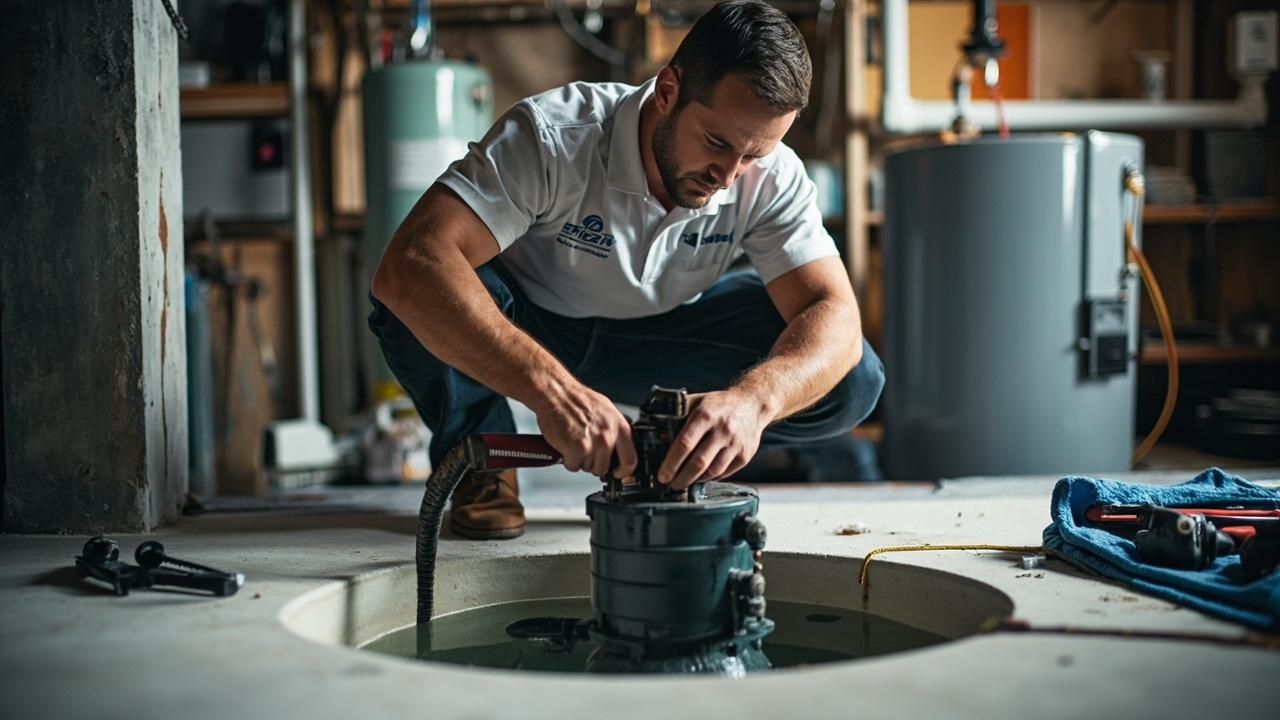
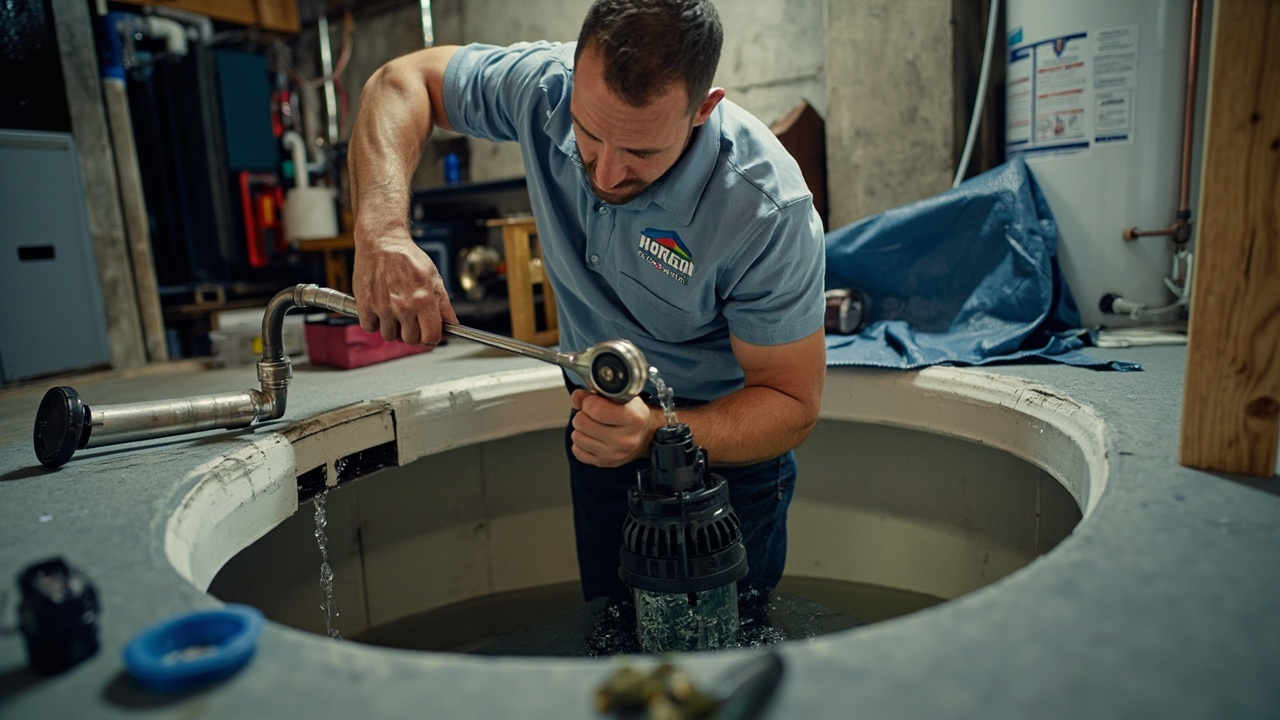
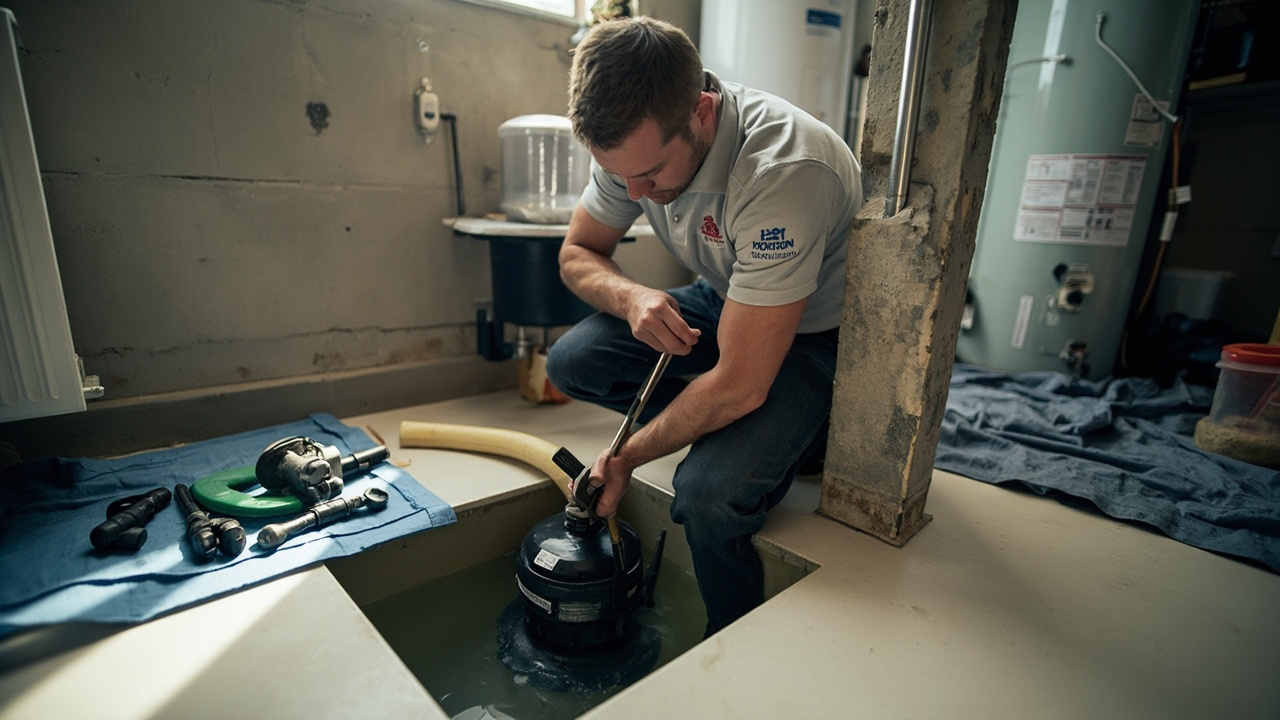
Horizon Plumbing Seattle provides comprehensive sump pump installation for new systems, sump pump repair for malfunctioning units, and emergency sump pump service when flooding threatens your home. We also offer sump pump replacement for outdated systems and preventive sump pump maintenance to ensure your equipment operates reliably when you need it most.

Many Seattle homeowners discover their sump pump has failed only when water begins pooling in their basement. Regular testing and maintenance prevent these emergencies. Understanding your pump's capacity, discharge line routing, and battery backup functionality protects your investment in your home. The clay-heavy soil throughout King County creates unique drainage challenges that require properly sized pumps with adequate horsepower and float switch reliability.

Why Seattle Homes Need Reliable Sump Pump Protection
How We Diagnose and Solve Sump Pump Problems

How We Diagnose and Solve Sump Pump Problems

When you contact us about sump pump concerns, we start with a complete system evaluation. Our technicians inspect the pump motor, float switch assembly, check valve operation, and discharge piping to identify failure points. We test the pump under load conditions to measure flow rate and verify it matches your basement's square footage and water infiltration rate.

Float switches often stick due to sediment buildup in sump pits, preventing the pump from activating. We clean debris from the basin, examine the impeller for damage, and verify proper float movement through its full range. Discharge lines require inspection for freeze damage, especially where pipes exit through rim joists to daylight terminations. Seattle's occasional freezing temperatures can create ice blockages that cause pumps to run continuously without moving water.

We measure the vertical lift distance from your sump pit to the discharge point, calculating total dynamic head to ensure your pump has adequate horsepower. Undersized pumps burn out prematurely when forced to work beyond their capacity. Oversized pumps short cycle, reducing motor lifespan.

Battery backup systems require separate evaluation. We test battery charge capacity, verify the backup pump activates when primary power fails, and confirm the alarm system functions correctly. Many Seattle homes lost primary power during recent windstorms, making backup systems critical.

Our approach addresses the root cause rather than temporary fixes. If your pump runs constantly, we identify whether the problem stems from an overwhelmed system, failed check valve allowing water backflow, or a malfunctioning float switch. We provide solutions matched to Seattle's specific soil conditions and rainfall patterns.

What Happens During Your Sump Pump Service

Sump Pump Services in Seattle – Protecting Homes From Basement Flooding and Foundation Damage
01

System Assessment and Testing

We arrive with diagnostic equipment to evaluate your entire sump pump system. Our technician inspects the basin for sediment accumulation, tests the float switch mechanism, measures pump discharge capacity, and examines all electrical connections. We verify the check valve prevents backflow and assess whether your discharge line routes water far enough from your foundation to prevent recirculation.
02

Repair or Replacement Recommendation

Based on our findings, we explain whether your system needs component repair, full replacement, or capacity upgrades. You receive a detailed explanation of the problem, why it occurred, and the most cost-effective solution. We discuss pump sizing requirements based on your basement dimensions, local water table depth, and typical Seattle rainfall intensity. For older systems, we often recommend upgrading to more efficient submersible pumps with battery backup.
03

Installation and Performance Verification

We complete repairs or installations efficiently, ensuring all components meet manufacturer specifications and local plumbing codes. After installation, we run multiple test cycles, simulating heavy water inflow to verify proper operation. You see the system activate, move water through the discharge line, and shut off correctly. We explain maintenance schedules and warning signs that indicate future service needs before problems escalate into emergencies.

Why Seattle Homeowners Trust Our Sump Pump Expertise

Seattle's unique combination of marine clay soils, high annual rainfall, and homes built on varied topography creates specific challenges for sump pump systems. We understand how water moves through Capitol Hill's steep slopes differently than it does in the flatter Rainier Valley neighborhoods. Homes near Lake Union and Lake Washington face higher groundwater tables requiring more robust pumping solutions.

Our familiarity with Seattle's building codes and typical home construction methods helps us identify the best solutions for your property. Many older homes in neighborhoods like Fremont and Wallingford have basement sump pits added during later renovations, sometimes with inadequate sizing or poor discharge routing. We correct these installations to provide reliable protection.

We stock pumps rated for Seattle's climate, including models with sealed motors that resist moisture damage in humid crawl spaces. Our technicians recognize the signs of foundation settling common in homes built on Seattle's clay soils, which can affect sump basin positioning and drainage patterns over time.

Emergency response matters when your basement floods at 2 AM during a January rainstorm. We maintain service availability throughout Seattle's wettest months when sump pump failures spike. Our trucks carry replacement pumps, check valves, float switches, and battery backup systems to resolve most problems in a single visit.

Preventive maintenance keeps systems operational. We recommend annual inspections before fall rains arrive, testing pump capacity, cleaning sump basins, and verifying discharge lines remain clear. This proactive approach prevents the majority of emergency failures. Seattle homeowners who schedule regular maintenance avoid the stress and expense of water damage restoration.

What to Expect From Our Sump Pump Services

Response Times and Availability

Emergency sump pump failures require immediate attention. We prioritize active flooding situations, dispatching technicians quickly to prevent ongoing water damage. For non-emergency service calls, we schedule appointments within 24 to 48 hours based on current demand. During Seattle's peak rainfall months from November through February, we staff additional technicians to handle increased service requests. You receive arrival time estimates and technician contact information once your service is scheduled. Our goal is resolving problems before water damage becomes extensive.

Complete System Evaluation

Every service call includes thorough diagnostics. We do not simply replace obvious failed components without understanding why the failure occurred. Our technicians examine sump pit construction, measure water infiltration rates during wet weather, test electrical circuits for proper voltage and amperage, and verify your current pump matches your home's requirements. You receive a written assessment explaining what we found, what needs repair or replacement, and what preventive measures will extend system life. This transparency helps you make informed decisions about repairs versus replacement.

Quality Installation and Repairs

We install pumps level and secure in basins with proper gravel bedding for stability. Discharge lines receive adequate slope to prevent standing water that freezes in cold weather. Check valves install at the correct height to prevent water hammer while ensuring reliable backflow prevention. All electrical connections follow National Electrical Code requirements with GFCI protection. We test systems under actual operating conditions, not just quick bench tests. You see your pump activate, move water efficiently through the discharge system, and shut off properly when the basin empties.

Maintenance and Ongoing Support

Sump pumps require periodic maintenance to operate reliably. We recommend annual inspections before Seattle's rainy season begins, typically in September or October. During maintenance visits, we clean sump basins, test float switches, verify pump capacity, inspect discharge lines for obstructions, and test battery backup systems. You receive reminders when maintenance is due. We keep service records for your property, tracking pump age and maintenance history. This documentation helps predict when replacement becomes more cost-effective than continued repairs. Our maintenance customers experience fewer emergency failures and longer equipment life.

Frequently Asked Questions

You Have Questions,
We Have Answers

How much does it cost to have a sump pump serviced? +

Sump pump service costs in Seattle typically range from basic inspections to more involved maintenance depending on what the pump needs. A standard annual checkup runs less than a full repair. If your pump needs cleaning, float switch adjustment, or check valve inspection, expect mid-range pricing. Replacement parts like backup batteries or new discharge lines add to the total. Seattle's heavy rainfall from October through May puts extra strain on pumps, so regular service prevents expensive emergency repairs during winter storms. Get a clear estimate upfront that breaks down labor and parts.

How often does a sump pump need to be serviced? +

Service your sump pump once a year, ideally before Seattle's rainy season starts in October. Homes in high water table areas like Rainier Valley or Delridge may need twice-yearly checks. Test your pump every three months by pouring water into the pit to confirm it activates. Seattle's prolonged wet periods from fall through spring mean your pump works harder than units in drier climates. Annual service catches worn bearings, clogged intake screens, and failing float switches before they cause basement flooding during heavy downpours.

How do I service a sump pump? +

Unplug the pump and remove it from the pit. Clean debris from the intake screen and impeller using a stiff brush. Check the float switch moves freely without obstruction. Inspect the discharge pipe for clogs or freezing damage, common in Seattle winters. Pour water into the pit to test pump activation. Check the check valve prevents backflow. Inspect the power cord for damage. While homeowners can handle basic cleaning, Seattle's clay soil and sediment buildup often require professional equipment to fully clear pump components and verify proper operation.

Who is best to fix a sump pump? +

A licensed plumber with specific sump pump experience handles repairs best. Sump pumps involve both plumbing and electrical components that require proper diagnosis. Handymen may lack the expertise to identify failing impellers, bad capacitors, or improper basin sizing. In Seattle, where pumps run frequently due to high groundwater and rain, you need someone who understands local soil conditions and drainage patterns. Look for plumbers who stock common replacement parts, offer emergency service during storms, and can assess whether your current pump size matches your basement's water intrusion rate.

Does homeowners insurance cover sump pump repair? +

Standard homeowners insurance typically excludes sump pump failure and resulting water damage. You need a separate water backup coverage endorsement, which costs extra on your policy. This rider covers damage when your pump fails or overwhelms during heavy rain. Seattle homeowners should strongly consider this coverage given our prolonged wet season and aging housing stock in neighborhoods near Lake Washington and Puget Sound. Even with coverage, insurance will not pay for pump replacement itself, only resulting property damage. Review your policy specifics with your agent before storm season.

What is the typical lifespan of a sump pump? +

Sump pumps last seven to ten years with proper maintenance. Seattle pumps often fall on the shorter end due to frequent operation during our eight-month wet season. Pumps in crawl spaces with high sediment loads or homes with constant seepage wear out faster. Cheaper models may fail within five years. Quality pumps with stainless steel or cast iron components last longer than plastic units. Battery backup systems need replacement every three to five years. If your pump runs constantly rather than cycling, it signals undersizing or failure, meaning replacement comes sooner.

What is the most common problem with sump pumps? +

Stuck or faulty float switches cause most sump pump failures. The float gets tangled on the discharge pipe or debris prevents it from rising properly. The pump will not activate even when water fills the pit. Seattle's fine sediment from clay soil clogs intake screens, forcing the motor to work harder and overheat. Frozen or clogged discharge lines prevent water from exiting, causing the pump to run continuously without lowering the water level. Check valves that fail allow water to flow back into the pit, making the pump cycle repeatedly and burn out prematurely.

Is a sump pump a red flag when buying a house? +

A sump pump signals high groundwater or past water intrusion, not necessarily a problem. In Seattle, pumps are common in basements near lakes, below-grade crawl spaces, and low-lying neighborhoods. The pump itself is not a red flag. What matters is whether it functions properly and whether past water damage was addressed. Ask when the pump was installed, if it has a battery backup, and how often it runs. Check for water stains, mold, or musty odors. Request maintenance records. A well-maintained pump in a high water table area protects your investment.

How to unclog a sump pump without removing it? +

Pour hot water mixed with vinegar into the sump pit to break down minor clogs in the pump intake or discharge line. Let it sit for 20 minutes, then manually activate the pump by lifting the float switch. The flush may clear soft debris. Use a wet-dry vacuum to remove standing water and visible debris from the pit without touching the pump. For tougher clogs in the discharge line, disconnect the pipe at the check valve and flush with a garden hose from outside. If the clog persists or the impeller is jammed, you need professional service to avoid motor damage.

What are the signs of a failing sump pump? +

Strange noises like grinding or rattling indicate worn bearings or debris in the impeller. The pump runs constantly without lowering water level, signaling a failed impeller or clogged discharge. It will not turn on when water enters the pit, pointing to electrical failure or a stuck float switch. Visible rust or corrosion on the pump housing means internal components are degrading. The motor cycles on and off rapidly, which indicates a faulty check valve allowing backflow. In Seattle's wet climate, catch these signs early to prevent basement flooding during November through March storms.

How Seattle's Clay Soil and Rainfall Patterns Affect Sump Pump Requirements

Seattle sits on glacially deposited marine clay that drains poorly compared to sandy or gravelly soils. When heavy rains saturate this clay, water accumulates around foundations rather than percolating deeper into the ground. This creates sustained hydrostatic pressure that forces water through basement walls, floor cracks, and cove joints. Homes in neighborhoods like Magnolia and West Seattle experience this clay-related drainage problem more severely than areas with better soil composition. Your sump pump must handle not just occasional water intrusion but sustained inflow during multi-day rain events common between October and March.

Seattle's building codes and typical home construction methods influence sump pump installation requirements. Many homes built before 1990 lack proper foundation drainage systems, making sump pumps the primary defense against basement flooding. Horizon Plumbing Seattle understands these older construction methods and how to retrofit effective pumping systems into existing homes. We work throughout King County, familiar with local inspection requirements and best practices for routing discharge water away from foundations without creating drainage problems for neighboring properties. Our local expertise means installations that work reliably in Seattle's specific conditions.

Plumbing Services in The Seattle Area

Horizon Plumbing Seattle proudly serves the entire Seattle metropolitan area and surrounding communities. We invite users to view our service area map to confirm that your home or business falls within our coverage zone, ensuring we can deliver fast, reliable service right to your doorstep. Our professional team is strategically located to offer prompt dispatch, whether you're in the heart of downtown or the outlying neighborhoods. Call us to confirm coverage and schedule your expert plumbing appointment today; we look forward to serving you with confidence and a warm welcome.

Address:
Horizon Plumbing Seattle, 1515 Dexter Ave N, Seattle, WA, 98109

Additional Services We Offer

Our news updates

Latest Articles & News from The Blogs

Is Your Garbage Disposal Safe for the Septic System at Your Rural King County Property? If you live in a…

Is Your Garbage Disposal Safe for the Septic System at Your Rural King County Property?

Is Your Garbage Disposal Safe for the Septic System at Your Rural King County Property? If you live in a…

Why You Should Consider a Pressure Reducing Valve for Your Phinney Ridge Home

Why You Should Consider a Pressure Reducing Valve for Your Phinney Ridge Home Living in Phinney Ridge means dealing with…

The Real Difference Between a Main Line Clog and a Simple Sink Drain Issue

The Real Difference Between a Main Line Clog and a Simple Sink Drain Issue \n\n Water backing up in your…

Contact Us

Do not wait until water floods your basement to discover your sump pump has failed. Call Horizon Plumbing Seattle at (564) 220-5552 for expert sump pump installation, repair, and maintenance. We respond quickly to emergencies and provide preventive service that keeps your home dry.