




menu

Hydro Jetting vs. Snaking in Seattle – Expert Guidance to Choose the Right Drain Cleaning Method

Horizon Plumbing Seattle breaks down the pros and cons of hydro jetting vs snaking so you can make an informed decision about clearing your clogged drains with the most effective, long-lasting solution for Seattle's unique plumbing challenges.

Slider Image 1
Slider Image 2
Slider Image 3
Slider Image 4
Slider Image 5
Slider Image 7
Slider Image 8
Slider Image 9
Slider Image 10
Slider Image 11

Why Seattle Homeowners Need to Understand the Difference Between Hydro Jetting and Snaking

Seattle's aging underground infrastructure and mature tree root systems create persistent drain line problems that generic solutions cannot fix. When you call a plumber about a slow drain or backup, you deserve to know exactly what method will solve your problem and why.

The difference between hydro jetting and snaking comes down to one core factor: temporary clearance versus complete restoration. A plumbing snake, also called a rooter or auger, physically punches a hole through the blockage. Think of it like drilling through a snowbank. Water can flow again, but the obstruction still coats your pipe walls. In Seattle's Capitol Hill, Queen Anne, and Ballard neighborhoods, where clay pipe and cast iron dominate older homes, this leftover residue accelerates the next clog.

Hydro jetting uses pressurized water at 3,000 to 4,000 PSI to scour the entire interior diameter of your drain line. The hydro jet vs drain snake comparison is not about which tool costs less. It is about which method removes grease buildup, mineral scale, and invading tree roots down to bare pipe.

Seattle's frequent rain saturates soil around sewer laterals, making root intrusion a year-round issue. Roots seek moisture and nutrients inside your pipes. A drain snake cuts through roots but leaves the root structure intact. Within months, regrowth blocks the line again. Water jetting strips roots from pipe walls and flushes debris completely out of the system.

When you search for hydro jetting vs rooter or plumbing snake vs water jetting, you are really asking which solution prevents you from calling a plumber every six months. Understanding the pros and cons of hydro jetting vs snaking saves you money and frustration in the long run.

Why Seattle Homeowners Need to Understand the Difference Between Hydro Jetting and Snaking
How Each Method Works and When to Use It

How Each Method Works and When to Use It

A drain snake is a flexible metal cable with a cutting head. The technician feeds it through your cleanout or drain opening, rotating the cable to break apart clogs. Snaking works well for simple blockages like wadded toilet paper, hair clogs in bathroom drains, or isolated grease buildup in a single fixture trap. The tool is portable, fast, and effective for soft obstructions in accessible lines.

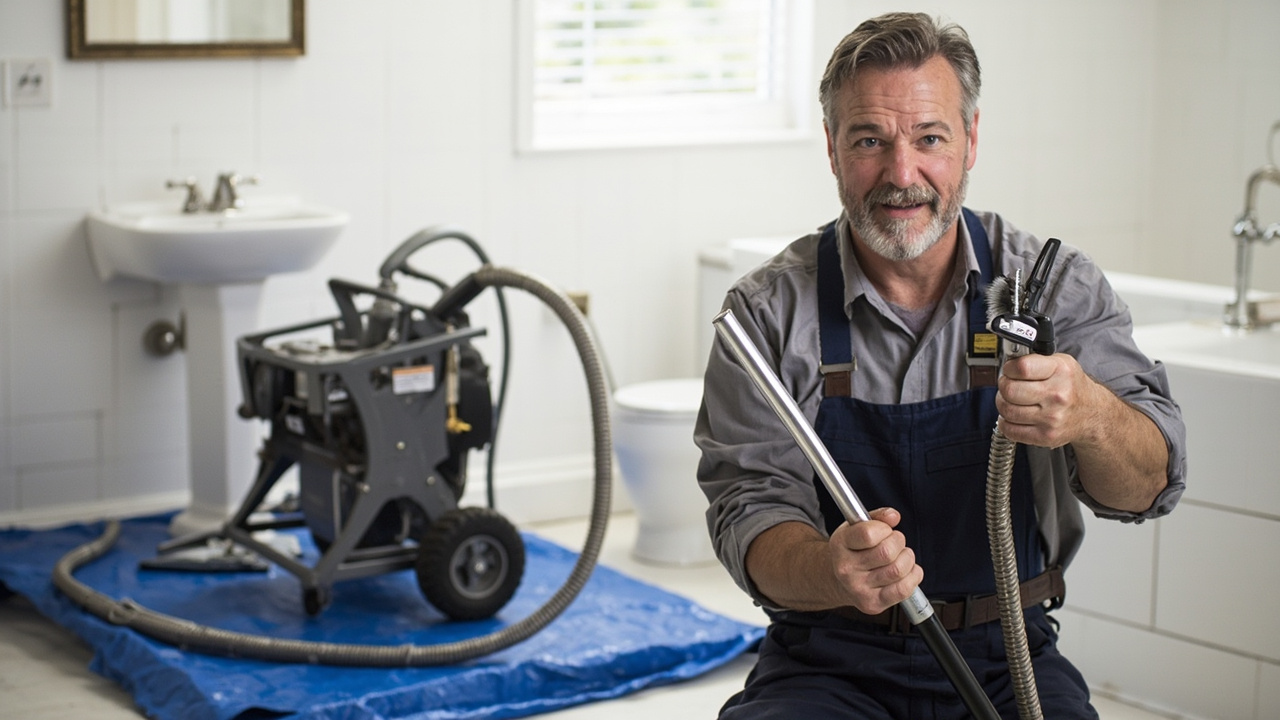
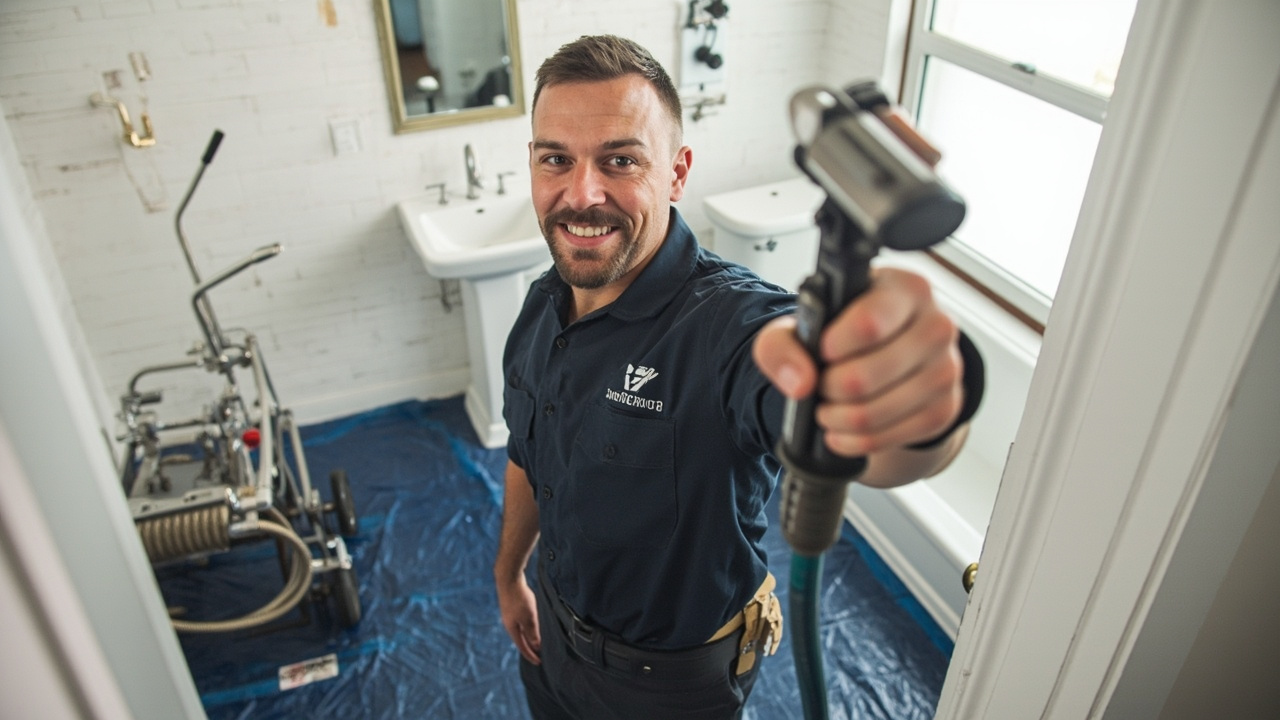
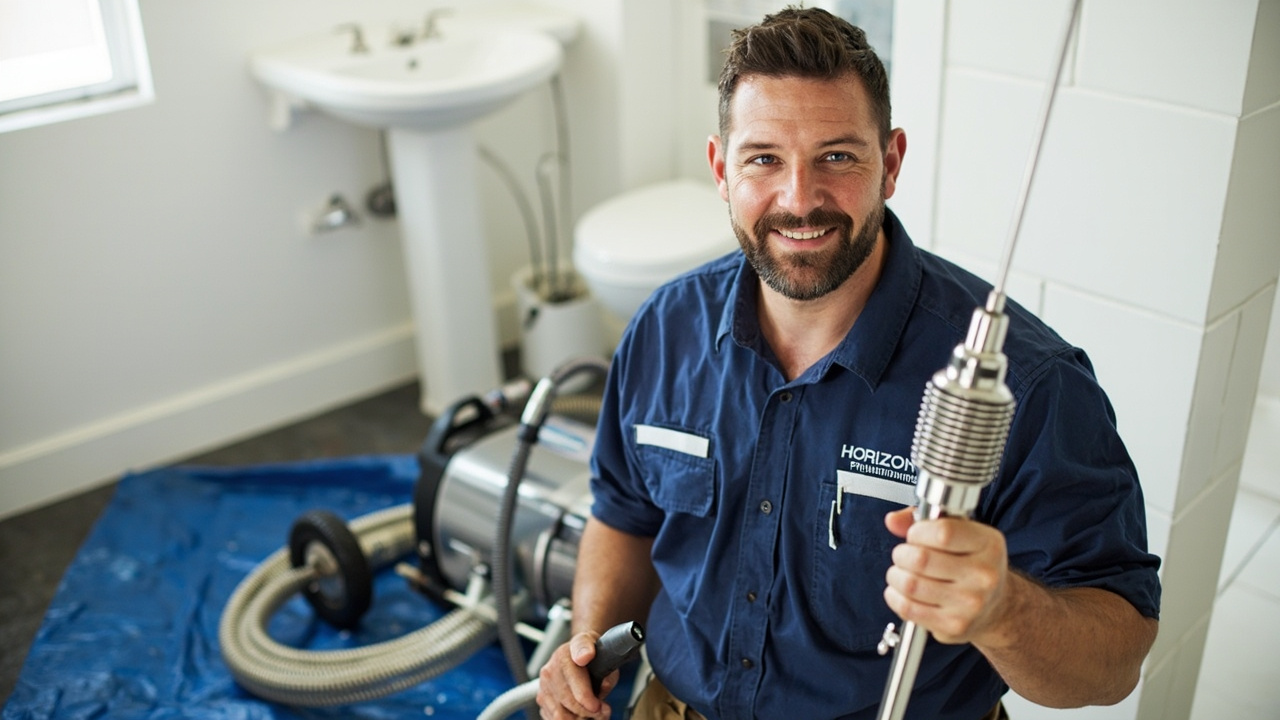
Hydro jetting requires a specialized machine that pumps water through a high-pressure hose with a forward-facing jet nozzle and rear-facing jets. The rear jets propel the nozzle through the pipe while scouring 360 degrees of pipe surface. The forward jet breaks apart dense blockages ahead of the nozzle. Hydro jetting removes hardened scale, sludge, grease, and infiltrating roots that a cable cannot touch.

The decision between hydro jetting and snaking depends on your pipe condition, blockage type, and how often the problem recurs. If you experience repeat backups in the same drain line, snaking only delays the inevitable. Seattle's older homes in Fremont, Wallingford, and Green Lake often have decades of accumulated grease and soap scum coating their pipes. A drain snake cannot remove this coating.

Before hydro jetting, a camera inspection confirms your pipe can handle the pressure. Severely corroded cast iron, broken terra cotta, or collapsed sections require repair before jetting. The inspection also identifies root intrusion points, bellied pipe sections, and offset joints that contribute to chronic blockages.

Hydro jetting costs more upfront but extends the time between service calls by years instead of months. For main sewer lines, commercial kitchen drains, and homes with recurring backups, water jetting is the professional-grade solution. For isolated, infrequent clogs in newer piping, a snake may suffice.

What Happens When You Request Drain Cleaning in Seattle

Hydro Jetting vs. Snaking in Seattle – Expert Guidance to Choose the Right Drain Cleaning Method
01

Initial Diagnosis and Access

The technician locates your main cleanout or access point and discusses your symptoms. Frequency of backups, multiple affected fixtures, and gurgling sounds all signal main line involvement. A camera inspection through the cleanout provides a real-time view of blockage type, pipe material, and structural condition. This diagnostic step determines whether snaking or hydro jetting is appropriate and prevents damage to compromised pipes.
02

Method Selection and Execution

Based on camera findings, the technician selects the correct tool. For snaking, the cable diameter and cutting head match your pipe size and blockage type. For hydro jetting, water pressure and nozzle type adjust according to pipe material and obstruction severity. The technician advances the tool through the line, monitors progress, and ensures complete clearance. Debris flushes to the city main or is extracted at the cleanout.
03

Verification and Prevention Planning

A follow-up camera pass confirms the line is clear and reveals any underlying issues like root entry points or pipe bellies. The technician explains what caused the blockage and recommends a maintenance schedule. For homes with root intrusion, annual hydro jetting prevents emergency backups. For grease-prone kitchen lines, routine jetting every two to three years maintains flow capacity and eliminates odor-causing biofilm buildup.

Why Horizon Plumbing Seattle Is Your Trusted Resource for Drain Cleaning Decisions

Seattle's plumbing systems span a century of construction methods. Homes built before 1950 often have clay tile or cast iron sewer laterals vulnerable to root intrusion and corrosion. Post-war homes in neighborhoods like Ravenna and Laurelhurst may have Orangeburg pipe, a tar-paper product that degrades over time. Modern PVC installations in newer developments require different handling during cleaning.

Horizon Plumbing Seattle understands these variables because we work in Seattle's diverse housing stock every day. We do not upsell hydro jetting when a $150 snaking job will solve your problem. We also do not snake a line repeatedly when the camera footage shows you need jetting to prevent future backups.

Our camera inspection technology eliminates guesswork. You see exactly what we see: root masses, grease layers, scale buildup, pipe offsets, and cracks. This transparency allows you to make an informed decision about immediate needs versus long-term solutions. We explain the difference between hydro jetting and snaking in plain terms, show you the condition of your pipes, and provide options with realistic cost expectations.

Seattle's clay-heavy soil causes seasonal ground movement that stresses rigid pipe connections. Our technicians recognize settling-related backups versus blockage-related backups. Hydro jetting a bellied section will not fix the underlying structural issue, and we tell you that upfront.

We also understand Seattle's combined sewer system in older neighborhoods. During heavy rain, surcharging from the city main can push debris back into your lateral. Knowing this helps us diagnose whether your backup stems from your private lateral or public infrastructure. This local knowledge prevents unnecessary service calls and helps you address the root cause, whether it is your responsibility or the city's.

What You Can Expect When Comparing Your Drain Cleaning Options

Service Timeline and Availability

Drain snaking typically takes 30 minutes to an hour for accessible lines with straightforward blockages. Hydro jetting requires more setup time and takes one to two hours, depending on line length and obstruction severity. Both services are available on short notice, but hydro jetting may require scheduling if the truck is already committed to another job. For emergencies like sewage backups into your home, we prioritize immediate dispatch and start with snaking to restore function, then schedule hydro jetting to prevent recurrence once the crisis is resolved.

Diagnostic Process Before Work Begins

A camera inspection is standard practice before hydro jetting and strongly recommended before snaking recurring blockages. The camera identifies blockage composition, pipe material, and structural integrity. This diagnostic step takes 20 to 30 minutes but prevents guesswork and ensures the chosen method will not damage your pipes. You receive a digital recording of the inspection for your records. This documentation is useful if you need to file an insurance claim or if future plumbers need to understand your system's history.

Results You Will Notice Immediately

After snaking, drains flow freely again, but residual buildup remains on pipe walls. You may notice slower drainage returns within months if grease or roots were involved. After hydro jetting, water drains at the speed of a new installation because the pipe interior is restored to near-original diameter. Odors from biofilm and stagnant grease disappear. Fixtures drain faster, and you hear no gurgling or slow vortex action. The difference is immediately apparent during the first few uses after service.

Maintenance Recommendations Going Forward

Snaking provides temporary relief but does not prevent future clogs from the same cause. If tree roots were the issue, expect regrowth within six months to a year. Hydro jetting resets your pipes to clean condition, and with proper use, main lines stay clear for two to five years depending on factors like root proximity and household habits. We provide specific maintenance schedules based on your camera inspection findings. Homes with aggressive root intrusion benefit from annual jetting, while homes with minimal buildup may only need service every three years.

Frequently Asked Questions

You Have Questions,
We Have Answers

What are the disadvantages of hydro jetting? +

Hydro jetting can damage older or fragile pipes. If your Seattle home has aging cast iron or clay sewer lines common in Capitol Hill or Queen Anne, high-pressure water can crack weakened sections. The process costs more upfront than snaking. It requires a camera inspection first to assess pipe condition, adding to the bill. Hydro jetting also needs access points and sufficient water pressure. Homes on steep hillsides in West Seattle or Magnolia may face logistical challenges. If you have a simple clog without buildup, hydro jetting is overkill. A professional plumber will inspect before recommending this method.

Is snaking and jetting the same thing? +

No. Snaking and jetting are different drain-cleaning methods. Snaking uses a flexible metal cable with a cutting head to break through clogs. It punches a hole in the blockage but leaves residue on pipe walls. Jetting uses high-pressure water streams to scour pipes clean, removing grease, roots, and scale buildup. Snaking works for isolated clogs like hair or small obstructions. Jetting tackles systemic issues like root intrusion in older Seattle neighborhoods with mature trees. Snaking is faster and cheaper. Jetting is thorough and preventive. Your plumber will choose based on the blockage type and pipe condition.

Is hydro jetting worth it? +

Yes, if you have recurring clogs or heavy buildup. Seattle's frequent rain and old sewer infrastructure in neighborhoods like Ballard and Fremont make hydro jetting a smart investment. It clears grease, soap scum, and tree roots that snaking cannot remove. This prevents future blockages and extends pipe life. Restaurants and commercial properties benefit most due to grease accumulation. For homes with frequent backups, hydro jetting saves money long-term by reducing emergency calls. If you have a one-time clog, snaking is enough. But for persistent problems, hydro jetting delivers lasting results and cleaner pipes.

Is it better to use a snake or drain cleaner? +

Use a snake for simple, isolated clogs. Never use chemical drain cleaners. They corrode pipes, harm Seattle's waterways, and rarely solve the problem. Liquid cleaners sit in standing water without reaching the blockage. They create toxic fumes and damage fixtures. Snaking mechanically breaks through hair, paper, or small obstructions without chemicals. For stubborn or recurring clogs, call a plumber for hydro jetting or camera inspection. Chemical cleaners are a temporary fix that worsens pipe damage over time. Seattle's older homes with galvanized or cast iron pipes are especially vulnerable to corrosion from harsh chemicals.

How Seattle's Mature Urban Forest and Aging Infrastructure Affect Your Drain Cleaning Options

Seattle's lush tree canopy, especially in neighborhoods like Maple Leaf, Broadview, and Mount Baker, creates beautiful streetscapes and persistent plumbing challenges. Mature maples, alders, and willows send roots 50 feet or more in search of water. Clay sewer pipes installed before 1960 have joints every four feet, and each joint is a potential root entry point. Once roots penetrate, they expand inside the pipe, trapping toilet paper and grease until a full blockage forms. Hydro jetting vs rooter is not an abstract choice here. It is the difference between annual root management and quarterly emergency calls.

Horizon Plumbing Seattle works daily with the quirks of Seattle's plumbing history. We know which neighborhoods have clay laterals, which have cast iron, and which have been updated to PVC. We understand how Seattle's building codes evolved and what that means for your home's drain system. When you call us to discuss the pros and cons of hydro jetting vs snaking, you are not talking to a generic call center. You are speaking with technicians who have cleared thousands of Seattle drain lines and can predict how your specific system will respond to each method.

Plumbing Services in The Seattle Area

Horizon Plumbing Seattle proudly serves the entire Seattle metropolitan area and surrounding communities. We invite users to view our service area map to confirm that your home or business falls within our coverage zone, ensuring we can deliver fast, reliable service right to your doorstep. Our professional team is strategically located to offer prompt dispatch, whether you're in the heart of downtown or the outlying neighborhoods. Call us to confirm coverage and schedule your expert plumbing appointment today; we look forward to serving you with confidence and a warm welcome.

Address:
Horizon Plumbing Seattle, 1515 Dexter Ave N, Seattle, WA, 98109

Additional Services We Offer

Our news updates

Latest Articles & News from The Blogs

Is Your Garbage Disposal Safe for the Septic System at Your Rural King County Property? If you live in a…

Is Your Garbage Disposal Safe for the Septic System at Your Rural King County Property?

Is Your Garbage Disposal Safe for the Septic System at Your Rural King County Property? If you live in a…

Why You Should Consider a Pressure Reducing Valve for Your Phinney Ridge Home

Why You Should Consider a Pressure Reducing Valve for Your Phinney Ridge Home Living in Phinney Ridge means dealing with…

The Real Difference Between a Main Line Clog and a Simple Sink Drain Issue

The Real Difference Between a Main Line Clog and a Simple Sink Drain Issue \n\n Water backing up in your…

Contact Us

Call Horizon Plumbing Seattle at (564) 220-5552 for a camera inspection and straightforward advice on whether snaking or hydro jetting is right for your situation. We explain your options clearly and help you avoid repeat service calls.