Why You Should Consider a Pressure Reducing Valve for Your Phinney Ridge Home
Living in Phinney Ridge means dealing with Seattle’s unique water pressure challenges. Many homes in this hilly neighborhood experience water pressure that exceeds safe levels, causing damage to pipes, fixtures, and appliances. A pressure reducing valve (PRV) can protect your home’s plumbing system and prevent costly repairs down the road. Seattle Public Utilities water pressure standards.
Seattle Public Utilities delivers water at pressures ranging from 40 to 120 PSI across different neighborhoods. In Phinney Ridge, homes often sit at elevations where street pressure naturally runs higher. Without a PRV, this excessive pressure can cause banging pipes, leaking fixtures, and premature appliance failure. King County Plumbing Code requirements.
Most experts recommend maintaining home water pressure between 50 and 60 PSI. When pressure exceeds 80 PSI, you risk damaging water heaters, dishwashers, washing machines, and your home’s plumbing infrastructure. The constant stress on pipes and connections leads to leaks, bursts, and expensive water damage. Plumbing Bothell.
Installing a PRV is not just about comfort—it’s about protecting your investment. Homes in Phinney Ridge built before 2000 often lack these protective devices, leaving them vulnerable to Seattle’s sometimes aggressive water delivery system.. Read more about Full Water Service Line Replacement for Pinehurst Properties with Recurring Leaks.
Signs Your Phinney Ridge Home Needs a Pressure Reducing Valve
High water pressure problems often develop gradually, making them easy to miss until serious damage occurs. Here are the warning signs that indicate your home might benefit from a PRV installation:. Read more about Commercial Water Pressure Solutions for Hotels and Motels near SeaTac.
Banging pipes when you turn faucets on or off is one of the most obvious indicators. This phenomenon, called water hammer, occurs when high-pressure water suddenly stops or changes direction. The resulting shock waves create loud knocking sounds throughout your plumbing system.
Leaking faucets and fixtures that drip constantly, even after replacing washers, often signal excessive pressure. The constant force wears out seals and gaskets faster than normal use would.
Toilets that run intermittently without being flushed suggest your fill valves are struggling with high pressure. You might hear your toilet mysteriously refill itself during the night.
Vibrating or rattling pipes inside walls indicate pressure-related stress on your plumbing connections. These vibrations can loosen fittings over time, leading to hidden leaks.
Premature appliance failure is another red flag. If your water heater, dishwasher, or washing machine seems to need replacement more frequently than expected, high water pressure could be the culprit.
High water bills without increased usage often result from pressure-related leaks. Even small, constant leaks waste significant water over time.
Seattle Public Utilities Water Pressure Standards and Your Phinney Ridge Home
Seattle Public Utilities operates under specific pressure standards to ensure adequate water delivery across the city’s varied topography. Understanding these standards helps explain why certain neighborhoods experience higher pressures than others.
According to Seattle Public Utilities, the target pressure range for residential service is 40 to 80 PSI at the water meter. However, actual delivery pressures vary based on elevation and distance from pumping stations.
Phinney Ridge sits at elevations ranging from approximately 200 to 400 feet above sea level. Homes at higher elevations often receive water from lower-pressure zones, while those at lower elevations may experience significantly higher pressures due to gravity feed from elevated storage tanks.
The city’s Green Lake Reservoir, located just north of Phinney Ridge, maintains water pressure for much of northwest Seattle. Homes in lower areas of Phinney Ridge may receive water directly from this elevated source, resulting in pressures that exceed the recommended 80 PSI threshold.
Seattle Municipal Code Section 21.04.040 requires property owners to maintain their own pressure reducing valves when street pressure exceeds 80 PSI. This regulation places the responsibility for pressure management squarely on homeowners in high-pressure zones.
King County Plumbing Code, which adopts the Uniform Plumbing Code with local amendments, mandates that residential water pressure not exceed 80 PSI at any fixture. Homes without PRVs risk failing inspection during remodeling or when selling. Plumbing Burien.
How a Pressure Reducing Valve Protects Your Phinney Ridge Home
A pressure reducing valve is a mechanical device that automatically adjusts incoming water pressure to a safe, predetermined level. Understanding how it works helps explain why it’s essential for Seattle homes.
The PRV contains a spring-loaded diaphragm that responds to downstream pressure. As water flows through the valve, the diaphragm constricts or expands to maintain consistent output pressure regardless of fluctuations in street pressure.
When properly installed, a PRV provides several critical protections for your home:
Appliance longevity: Dishwashers, washing machines, and water heaters operate within their designed pressure ranges, extending their useful life by years.
Leak prevention: Reduced pressure minimizes stress on pipe joints, fittings, and fixture connections, preventing both sudden bursts and slow leaks.
Water conservation: Lower pressure means less water wasted through drips, sprays, and unnecessary flow, reducing your utility bills.
Improved comfort: While it might seem counterintuitive, properly regulated pressure often feels better than excessively high pressure. Water flows consistently without the harshness of over-pressurization.
Emergency protection: In the event of a plumbing failure, lower system pressure means less water damage if a pipe bursts or a connection fails.
The Installation Process for Your Phinney Ridge Home
Installing a pressure reducing valve requires careful planning and execution to ensure proper function and code compliance. Here’s what to expect during a professional PRV installation in your Phinney Ridge home.
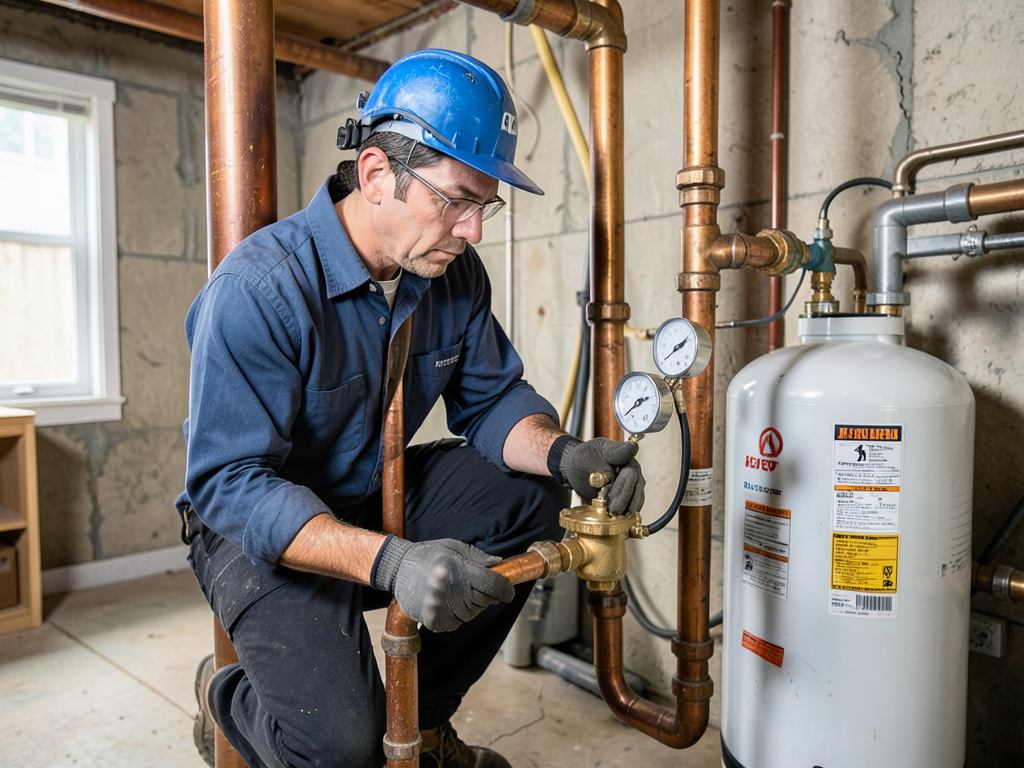
Initial assessment: A licensed plumber will measure your current water pressure using a pressure gauge attached to an outdoor hose bib. Readings above 80 PSI indicate the need for a PRV.
Location selection: The ideal installation point is immediately after your main water shut-off valve and before any branch lines. This protects your entire home’s plumbing system.
Permit requirements: King County requires permits for PRV installations that involve cutting into the main water line. Your plumber will handle permit acquisition and inspection scheduling.
Water shut-off: The installation requires shutting off water to your home for several hours. Most installations can be completed in 2-4 hours, depending on accessibility.
Valve selection: The plumber will choose a PRV sized appropriately for your home’s water demand. Factors include the number of bathrooms, simultaneous fixture usage, and pipe diameter.
Thermal expansion considerations: When installing a PRV, you must also install a thermal expansion tank on your water heater. The PRV creates a closed system, and without an expansion tank, pressure can build dangerously when water heats and expands.
Testing and adjustment: After installation, the plumber will test the system at multiple fixtures to ensure proper pressure regulation. Most PRVs are factory-set to 50 PSI but can be adjusted between 40 and 80 PSI.
Final inspection: King County requires inspection of permitted plumbing work. Your plumber will coordinate this final step to ensure code compliance.
Cost Factors for PRV Installation in Phinney Ridge
Several factors influence the cost of pressure reducing valve installation in Phinney Ridge homes. Understanding these variables helps you budget appropriately for this important home improvement.
Accessibility: If your main water line is easily accessible in a basement or crawl space, installation costs are lower. Difficult access through finished walls or concrete slabs increases labor time and expense.
Pipe material: Homes with copper piping typically have simpler installations than those with galvanized steel or older materials that may require additional work to ensure proper connections.
Valve quality: Commercial-grade PRVs from reputable manufacturers cost more upfront but provide better reliability and longer service life than economy models.
Thermal expansion tank: The required expansion tank adds to the overall cost but is essential for system safety and code compliance.
Permit fees: King County permit fees vary based on the scope of work but typically range from $50 to $200 for PRV installations.
Emergency service: If you’re experiencing plumbing emergencies related to high pressure, after-hours service calls will cost more than scheduled installations.
Additional repairs: If high pressure has already damaged your plumbing, you may need to budget for repairs to fixtures, connections, or pipes discovered during installation.
While specific pricing varies, most Phinney Ridge homeowners can expect to invest between $800 and $1,500 for a complete PRV installation with thermal expansion tank, including permits and inspection.
Service Areas Near Phinney Ridge
Horizon Plumbing serves homeowners throughout northwest Seattle and surrounding communities. Our service area includes:
- Green Lake
- Fremont
- Ballsard
- Greenwood
- Broadview
- Blue Ridge
We understand the unique plumbing challenges that come with Seattle’s varied topography and aging housing stock. Whether you live in a historic Craftsman in Phinney Ridge or a modern townhome in Fremont, we have the expertise to protect your home’s plumbing system.
Frequently Asked Questions
How long does a pressure reducing valve last?
Most quality PRVs last 10 to 15 years with proper maintenance. However, in areas with hard water or high mineral content, you might need replacement every 7 to 10 years. Annual testing helps identify when your valve needs service or replacement.
Can I install a pressure reducing valve myself?
While DIY installation is possible, we strongly recommend professional installation. PRV installation involves cutting into your main water line, requires permits and inspections, and must be integrated with a thermal expansion tank. Mistakes can lead to code violations, water damage, or system failure.
What is the ideal PSI for a Seattle home?
The ideal residential water pressure is 50 to 60 PSI. This range provides adequate flow for all fixtures while protecting your plumbing system. Pressures between 60 and 80 PSI are acceptable but may reduce appliance lifespan. Anything above 80 PSI requires a pressure reducing valve.
How do I know if my PRV is failing?
Signs of PRV failure include increasing water pressure at fixtures, recurring water hammer, inconsistent pressure between hot and cold water, and visible leaks around the valve. If you notice these symptoms, have your system tested immediately to prevent damage.
Will a pressure reducing valve affect my water pressure noticeably?
When properly sized and adjusted, a PRV should maintain adequate pressure for all your needs while reducing the maximum pressure. You might notice slightly lower flow rates at some fixtures, but the trade-off is better protection for your plumbing system and appliances.
Take Action to Protect Your Phinney Ridge Home
High water pressure is a silent threat to your home’s plumbing system. The damage it causes develops gradually, often becoming apparent only after expensive repairs are needed. Don’t wait for a plumbing emergency to discover your home’s pressure is too high. How to Get an Emergency Plumber in West Seattle After Hours.
A pressure reducing valve is a relatively small investment that provides significant protection for your home’s most important systems. By maintaining safe, consistent water pressure, you’ll extend the life of your appliances, prevent costly leaks, and avoid the stress of unexpected plumbing failures.
Phinney Ridge homeowners face unique pressure challenges due to Seattle’s varied topography and water delivery system. If you’re experiencing any of the warning signs mentioned in this article, or if you simply want peace of mind about your home’s plumbing system, it’s time to take action.
Call (564) 220-5552 today to schedule your pressure assessment. Our licensed plumbers will test your home’s water pressure, inspect your current plumbing setup, and recommend the best solution for your specific situation. We serve Phinney Ridge and all northwest Seattle neighborhoods with prompt, professional service.
Don’t let high water pressure damage your home. Pick up the phone and call (564) 220-5552 before the next storm hits or another appliance fails. Your home deserves the protection of properly regulated water pressure.
Horizon Plumbing – Serving Phinney Ridge and Northwest Seattle Since 2015
You may also find this helpful. Fireclay vs Stainless Steel Kitchen Sinks (What Works Best for a Phinney Ridge Kitchen Renovation).
{
“@context”: “https://schema.org”,
“@type”: “BlogPosting”,
“headline”: “Why You Should Consider a Pressure Reducing Valve for Your Phinney Ridge Home”,
“description”: “High water pressure in Phinney Ridge can damage your pipes and appliances. Learn why a PRV is essential and how Seattle Public Utilities’ standards affect your home.”,
“wordCount”: 1934,
“datePublished”: “2026-04-14T15:16:00.000Z”,
“dateModified”: “2026-04-14T15:16:00.000Z”,
“inLanguage”: “en-US”,
“mainEntityOfPage”: {
“@type”: “WebPage”,
“@id”: “https://horizonplumbingseattle.com”
},
“publisher”: {
“@type”: “LocalBusiness”,
“name”: “Horizon Plumbing Seattle”,
“url”: “https://horizonplumbingseattle.com”
},
“author”: {
“@type”: “Organization”,
“name”: “Horizon Plumbing Seattle”,
“url”: “https://horizonplumbingseattle.com”
},
“image”: {
“@type”: “ImageObject”,
“url”: “https://horizonplumbingseattle.com/wp-content/uploads/2026/03/why-you-should-consider-a-pressure-reducing-valve-1.png”
}
}
{
“@context”: “https://schema.org”,
“@type”: “Plumber”,
“name”: “Horizon Plumbing Seattle”,
“url”: “https://horizonplumbingseattle.com”,
“address”: {
“@type”: “PostalAddress”,
“addressLocality”: “Seattle”
},
“areaServed”: {
“@type”: “City”,
“name”: “Seattle”
}
}
{
“@context”: “https://schema.org”,
“@type”: “FAQPage”,
“mainEntity”: [
{
“@type”: “Question”,
“name”: “How long does a pressure reducing valve last?”,
“acceptedAnswer”: {
“@type”: “Answer”,
“text”: “Most quality PRVs last 10 to 15 years with proper maintenance. However, in areas with hard water or high mineral content, you might need replacement every 7 to 10 years. Annual testing helps identify when your valve needs service or replacement.”
}
},
{
“@type”: “Question”,
“name”: “Can I install a pressure reducing valve myself?”,
“acceptedAnswer”: {
“@type”: “Answer”,
“text”: “While DIY installation is possible, we strongly recommend professional installation. PRV installation involves cutting into your main water line, requires permits and inspections, and must be integrated with a thermal expansion tank. Mistakes can lead to code violations, water damage, or system failure.”
}
},
{
“@type”: “Question”,
“name”: “What is the ideal PSI for a Seattle home?”,
“acceptedAnswer”: {
“@type”: “Answer”,
“text”: “The ideal residential water pressure is 50 to 60 PSI. This range provides adequate flow for all fixtures while protecting your plumbing system. Pressures between 60 and 80 PSI are acceptable but may reduce appliance lifespan. Anything above 80 PSI requires a pressure reducing valve.”
}
},
{
“@type”: “Question”,
“name”: “How do I know if my PRV is failing?”,
“acceptedAnswer”: {
“@type”: “Answer”,
“text”: “Signs of PRV failure include increasing water pressure at fixtures, recurring water hammer, inconsistent pressure between hot and cold water, and visible leaks around the valve. If you notice these symptoms, have your system tested immediately to prevent damage.”
}
},
{
“@type”: “Question”,
“name”: “Will a pressure reducing valve affect my water pressure noticeably?”,
“acceptedAnswer”: {
“@type”: “Answer”,
“text”: “When properly sized and adjusted, a PRV should maintain adequate pressure for all your needs while reducing the maximum pressure. You might notice slightly lower flow rates at some fixtures, but the trade-off is better protection for your plumbing system and appliances.”
}
}
]
}
{
“@context”: “https://schema.org”,
“@type”: “BreadcrumbList”,
“itemListElement”: [
{
“@type”: “ListItem”,
“position”: 1,
“name”: “Home”,
“item”: “https://horizonplumbingseattle.com”
},
{
“@type”: “ListItem”,
“position”: 2,
“name”: “Blog”,
“item”: “https://horizonplumbingseattle.com/blog”
},
{
“@type”: “ListItem”,
“position”: 3,
“name”: “Why You Should Consider a Pressure Reducing Valve for Your Phinney Ridge Home”
}
]
}
{
“@context”: “https://schema.org”,
“@type”: “Service”,
“serviceType”: “Plumbing”,
“provider”: {
“@type”: “LocalBusiness”,
“name”: “Horizon Plumbing Seattle”,
“url”: “https://horizonplumbingseattle.com”
},
“areaServed”: {
“@type”: “City”,
“name”: “Seattle”
},
“description”: “High water pressure in Phinney Ridge can damage your pipes and appliances. Learn why a PRV is essential and how Seattle Public Utilities’ standards affect your home.”
}