







menu

High Water Bills in Seattle – Expert Leak Detection and Hidden Waste Diagnosis

Horizon Plumbing Seattle uses thermal imaging and acoustic leak detection to locate hidden water waste fast, stopping high water bills before they drain your wallet or damage your property.

Slider Image 1
Slider Image 2
Slider Image 3
Slider Image 4
Slider Image 5
Slider Image 7
Slider Image 8
Slider Image 9
Slider Image 10
Slider Image 11

Why Your Seattle Water Bill Just Doubled

You open the bill and freeze. Your water usage just spiked from 5 CCF to 18 CCF in a single month. Nothing changed in your routine, no extra guests, no new appliances. Yet you are staring at a sudden spike in your water bill that makes no sense.

This is not random. Seattle homes built before 1990 often have galvanized steel supply lines that corrode from the inside out. The city's soft water, combined with naturally acidic pH levels from Cascade snowmelt runoff, accelerates pinhole leaks in copper pipes. You will not see water pooling. The leak is buried in a crawlspace, behind drywall, or under a concrete slab.

An unexplained high water bill means water is escaping somewhere in your system. A toilet flapper stuck open can waste 200 gallons per day. A slab leak under your foundation can dump 3,000 gallons before you notice a warm spot on the floor. Outdoor irrigation zones that fail to shut off completely will burn through water overnight, every night, until you catch it.

Seattle Public Utilities bills in CCF units. One CCF equals 748 gallons. If your bill jumped by 10 CCF, you just lost 7,480 gallons. That is not a rounding error. That is a mechanical failure you need to locate and repair before the next billing cycle compounds the problem. Excessive water usage always has a physical cause, and waiting only makes it worse.

Why Your Seattle Water Bill Just Doubled
How We Track Down Hidden Water Loss

How We Track Down Hidden Water Loss

We do not guess. We measure. The first step is isolating the problem zone. We shut off every fixture and appliance in your home, then read your meter. If the flow indicator is still spinning, you have an active leak. If the meter is static, the problem is episodic, like a toilet that runs after flushing or a pressure relief valve that weeps during thermal expansion cycles.

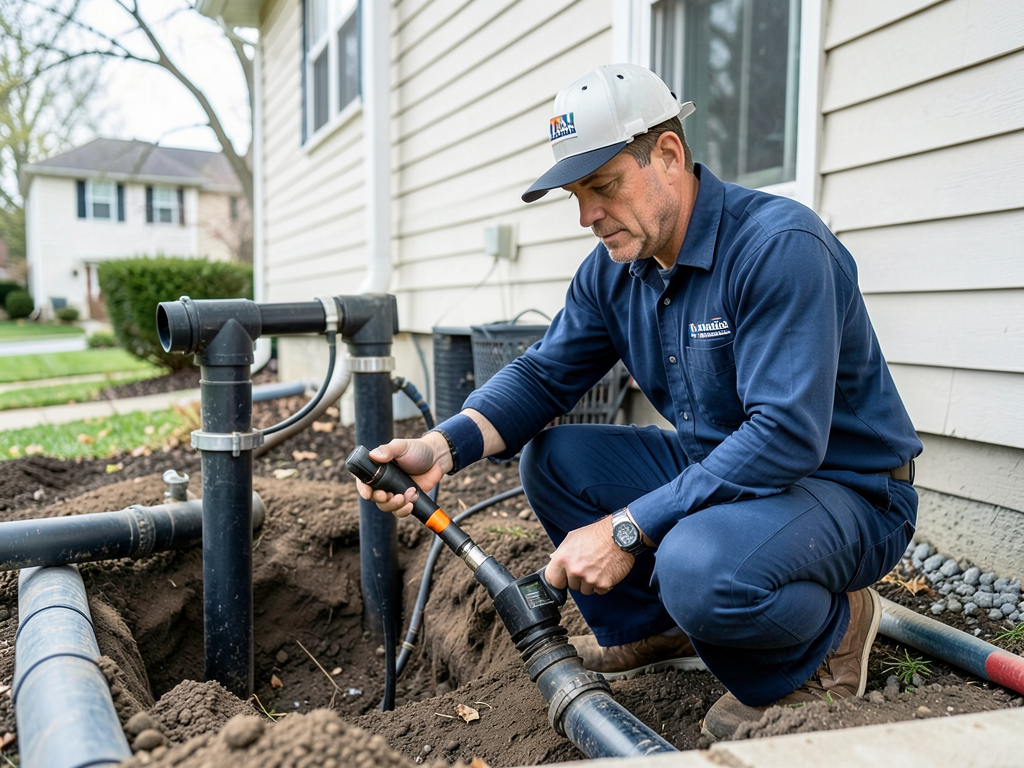
Next, we use acoustic leak detection equipment to listen through walls, floors, and soil. Water under pressure makes a distinct high-frequency sound as it escapes through a crack or corroded pinhole. We can pinpoint a leak within a three-foot radius without tearing out drywall or digging up your yard.

For slab leaks, we deploy thermal imaging cameras. Water migrating under a concrete slab creates temperature differentials. Cold spots indicate a supply line leak. Warm spots indicate a hot water line breach. We map the thermal signature, then use a concrete scanner to verify pipe location and depth before we cut.

If the problem is not structural, we test every fixture for flow rate and shutoff integrity. Toilets get dye tests. Faucet aerators get flow rate checks. Irrigation controllers get zone-by-zone runtime audits. Pressure-reducing valves get tested for downstream creep. We check backflow preventers for internal leakage and examine your water heater's temperature and pressure relief valve for seepage.

Once we identify the failure point, we explain the repair scope, the cost drivers, and the timeline. You get a written diagnostic summary and a flat-rate repair estimate before we start work.

What Happens During a Water Bill Diagnostic

High Water Bills in Seattle – Expert Leak Detection and Hidden Waste Diagnosis
01

Meter Analysis and Isolation

We start at your water meter. With all fixtures off, we monitor the flow indicator for movement. If the dial spins, you have an active leak. If it stays still, we move to episodic testing. We check your meter reading against your utility bill to confirm usage accuracy and calculate the gallons lost per day since your last billing cycle.
02

Acoustic and Thermal Scanning

We use acoustic leak detection to listen through walls, floors, and foundation. High-frequency sound waves pinpoint pressurized leaks. Thermal imaging cameras map temperature anomalies under slabs or behind drywall. We cross-reference acoustic and thermal data to locate the exact failure point without invasive exploratory demolition, saving you time and money.
03

Fixture Testing and Reporting

Every toilet, faucet, valve, and irrigation zone gets tested. We measure flow rates, check for phantom flushes, and inspect PRVs for pressure creep. You receive a written diagnostic report that identifies the failure, quantifies the water loss, and provides a flat-rate repair quote. You know exactly what failed and what it takes to fix it.

Why Seattle Homeowners Choose Horizon Plumbing for Leak Detection

Seattle's plumbing systems are not uniform. Homes in Ballard and Fremont have different supply line materials than homes in Capitol Hill or West Seattle. Pre-1980 homes often have galvanized steel pipes that corrode from acidic water. Post-1990 construction uses copper or PEX, but installation quality varies by builder and era.

We have traced leaks in century-old Craftsman homes with cast iron drains and modern townhomes with manifold PEX systems. We know which pipe materials fail first in Seattle's soft water. We know how to navigate crawlspaces with minimal clearance and how to work around radiant heating loops in slab foundations.

Seattle building codes require backflow prevention on irrigation systems. We inspect those assemblies for internal check valve failure, a common cause of skyrocketing water bills that most plumbers miss. We also test pressure-reducing valves, which are required in Seattle due to the hilly terrain and variable street pressure. A failing PRV can spike pressure to 120 psi, causing toilet flappers to leak and faucet seats to erode.

Horizon Plumbing Seattle does not sell you a repair until we confirm the diagnosis. If your high water bill is caused by a city-side meter malfunction or a utility billing error, we tell you. If it is a slab leak, we give you options: reroute the line through the attic, or excavate and replace the failed section. We explain the cost difference and let you decide.

We also educate you on Seattle Public Utilities' leak adjustment program. If you can prove the leak has been repaired, the city may credit a portion of your excess water and sewer charges. We provide the documentation you need to file that claim.

What You Can Expect from Our Water Bill Diagnostic Service

Fast Scheduling and Same-Day Diagnostics

We know an unexpected water bill increase creates financial stress. We offer same-day diagnostic appointments for most Seattle neighborhoods. You call in the morning, we arrive that afternoon. Our trucks carry acoustic leak detection gear, thermal cameras, and pipe locators, so we can complete the full diagnostic in one visit. You do not wait days for answers while the meter keeps running.

Comprehensive System Evaluation

We test every potential failure point. Toilets get flapper dye tests and fill valve flow checks. Faucets get aerator inspections. Water heaters get TPR valve and anode rod inspections. Irrigation systems get zone-by-zone runtime audits. We inspect your pressure-reducing valve, backflow preventer, and main shutoff valve. If your high water bill has a plumbing cause, we will find it and document it.

Written Diagnostic Report with Repair Options

You receive a written summary that explains what failed, why it failed, and how much water you are losing per day. We provide flat-rate repair quotes for every option. If you have a slab leak, we explain rerouting versus excavation. If you have a failing fixture, we quote repair versus replacement. You choose the solution that fits your budget and timeline, with no pressure.

Leak Adjustment Documentation and Follow-Up

After the repair, we provide documentation for Seattle Public Utilities' leak adjustment program. You need proof the leak has been fixed and the date of repair. We supply that paperwork so you can file for a sewer charge credit. We also offer post-repair meter monitoring. We check your meter reading one week after the fix to confirm water usage has returned to normal and your bill will stabilize.

Frequently Asked Questions

You Have Questions,
We Have Answers

Why did my water bill go so high? +

A sudden spike in your water bill signals a leak somewhere in your system. The most common culprits in Seattle homes are running toilets, outdoor irrigation leaks, and slab leaks caused by shifting soil. Older homes in neighborhoods like Queen Anne or Capitol Hill face corroded galvanized pipes that leak silently. Seasonal spikes during summer watering or winter freeze events are normal, but persistent high bills point to hidden leaks. Check your meter before and after a two-hour period when no water is used. If the reading changes, you have a leak that needs professional diagnosis.

What runs your water bill up the most? +

Running toilets waste the most water and drive bills up fast. A single faulty flapper can waste 200 gallons daily. Outdoor irrigation systems rank second, particularly in Seattle's dry summers when sprinkler zones malfunction or run too long. Older fixtures like pre-1994 toilets and showerheads consume excess water compared to modern low-flow models. Slab leaks and main line breaks silently drain thousands of gallons. Dishwashers and washing machines contribute if you run partial loads frequently. Focus on toilets and irrigation first when investigating high bills, as these two sources account for most residential overuse.

How to tell if you have a water leak on the meter? +

Turn off all water inside and outside your home, including ice makers and irrigation systems. Locate your water meter, usually in the basement or outside near the street. Check the leak indicator dial, a small triangle or circle that spins when water flows. If it moves while everything is off, you have a leak between the meter and your home. Alternatively, record the meter reading, wait two hours without using water, then check again. Any change confirms a leak. Seattle's clay soil can shift and crack service lines, making meter checks critical for older properties.

How much should a normal water bill be per month? +

Seattle Public Utilities bills based on consumption, averaging 3 to 5 CCF per month for a typical household. One CCF equals 748 gallons. A single person might use 2 to 3 CCF monthly, while a family of four averages 8 to 10 CCF. Bills vary by season, spiking in summer with irrigation use. Calculate your cost by multiplying CCF usage by the current rate, around 5 to 7 dollars per CCF depending on tier. Bills exceeding 15 CCF monthly for a standard household suggest leaks or inefficient fixtures requiring investigation.

How do I check for hidden leaks? +

Start by checking toilet flappers. Drop food coloring in the tank and wait 15 minutes without flushing. If color appears in the bowl, the flapper leaks. Inspect under sinks, around water heaters, and near washing machine connections for moisture or staining. Listen for running water when the house is quiet. Check outdoor hose bibs and irrigation valves for drips. In Seattle's older homes, slab leaks hide under concrete foundations. Monitor your water meter for movement when no fixtures are running. Persistent wet spots in your yard or foundation cracks signal underground leaks requiring professional leak detection equipment.

Can water meters give false high readings? +

Water meters rarely malfunction, but it happens. Debris like sediment or mineral buildup can cause inaccurate readings. Meters nearing the end of their 15 to 20-year lifespan may register higher usage. Seattle's hard water contributes to internal component wear. However, before blaming the meter, rule out leaks first. Contact Seattle Public Utilities to request a meter test if you suspect malfunction. They will verify accuracy and replace faulty units. Most high bill complaints trace back to hidden leaks, not meter errors. Document your usage patterns and compare them against previous billing cycles before requesting testing.

How can I check for water leaks? +

Perform a meter test first. Shut off all water, check the meter for movement, and record readings over two hours. Inspect toilets by adding dye to tanks and watching for color in bowls. Examine visible pipes under sinks, around water heaters, and in crawl spaces for moisture or corrosion. Check outdoor faucets and irrigation zones for drips or wet zones. Listen for running water in walls or floors. Seattle's freeze-thaw cycles can crack pipes in unheated crawl spaces. If you cannot locate the source, call a licensed plumber who uses acoustic listening devices and infrared cameras to pinpoint hidden leaks.

What wastes the most water in a house? +

Toilets waste the most water in homes, using 27 percent of total consumption. Older models use 3.5 to 7 gallons per flush compared to modern 1.6-gallon models. Showers and baths rank second at 17 percent, followed by washing machines and outdoor irrigation. Leaky faucets and running toilets amplify waste dramatically. In Seattle, irrigation systems drive summer spikes, particularly in single-family homes with large lawns. Upgrading to WaterSense-labeled fixtures and fixing leaks immediately cuts consumption. Focus on toilet efficiency and outdoor water use first to reduce your monthly bill and conserve resources.

Can a leaky faucet make your water bill go up? +

Yes, a leaky faucet raises your water bill over time. A faucet dripping once per second wastes over 3,000 gallons annually. That equals roughly 4 CCF, adding 20 to 30 dollars to your Seattle water bill each year per faucet. Multiple drips compound the problem. The issue worsens if the leak is hot water, as you also pay to heat wasted water. Worn washers, O-rings, or corroded valve seats cause most faucet leaks. Repair costs are minimal compared to ongoing waste. Fix drips immediately to stop the financial drain and conserve water in our region.

How do plumbers detect a water leak? +

Professional plumbers use acoustic listening devices to detect water moving through pipes when fixtures are off. These tools amplify the sound of leaks behind walls or under slabs. Infrared cameras identify temperature changes caused by water escaping pipes. Pressure testing isolates leaks by monitoring system pressure drops over time. For slab leaks common in Seattle's older construction, plumbers use electronic leak detection that traces water flow through concrete. Video pipe inspection cameras examine interior pipe conditions to locate cracks or corrosion. These methods pinpoint exact leak locations without destructive exploratory work, saving time and repair costs for homeowners.

How Seattle's Soft Water and Hilly Terrain Drive Hidden Leaks

Seattle's water supply comes from the Cedar River and South Fork Tolt River watersheds. Both sources produce soft, slightly acidic water with low mineral content. This water is aggressive on copper pipes, dissolving metal through galvanic corrosion. Homes built between 1970 and 1995 are especially vulnerable. The city's steep topography also creates high street pressure in downhill neighborhoods like Queen Anne and Magnolia, which stresses pipe joints and causes pressure-relief valves to weep. These factors combine to make sudden spikes in water bills more common in Seattle than in cities with hard water or flat terrain.

Seattle's plumbing code requires pressure-reducing valves in homes where street pressure exceeds 80 psi. When those valves fail, downstream pressure can hit 120 psi, causing toilet fill valves to overfill and faucet washers to blow out. Horizon Plumbing Seattle understands these local pressure dynamics. We test your PRV as part of every high water bill diagnostic, and we know which brands and models fail most often in Seattle's pressure zones. Choosing a plumber who understands Seattle's unique water chemistry and topography means faster diagnosis and fewer repeat service calls.

Plumbing Services in The Seattle Area

Horizon Plumbing Seattle proudly serves the entire Seattle metropolitan area and surrounding communities. We invite users to view our service area map to confirm that your home or business falls within our coverage zone, ensuring we can deliver fast, reliable service right to your doorstep. Our professional team is strategically located to offer prompt dispatch, whether you're in the heart of downtown or the outlying neighborhoods. Call us to confirm coverage and schedule your expert plumbing appointment today; we look forward to serving you with confidence and a warm welcome.

Address:
Horizon Plumbing Seattle, 1515 Dexter Ave N, Seattle, WA, 98109

Additional Services We Offer

Our news updates

Latest Articles & News from The Blogs

Is Your Garbage Disposal Safe for the Septic System at Your Rural King County Property? If you live in a…

Is Your Garbage Disposal Safe for the Septic System at Your Rural King County Property?

Is Your Garbage Disposal Safe for the Septic System at Your Rural King County Property? If you live in a…

Why You Should Consider a Pressure Reducing Valve for Your Phinney Ridge Home

Why You Should Consider a Pressure Reducing Valve for Your Phinney Ridge Home Living in Phinney Ridge means dealing with…

The Real Difference Between a Main Line Clog and a Simple Sink Drain Issue

The Real Difference Between a Main Line Clog and a Simple Sink Drain Issue \n\n Water backing up in your…

Contact Us

Every day you wait, water pours out and costs pile up. Call Horizon Plumbing Seattle at (564) 220-5552 to schedule your water bill diagnostic. We will locate the leak, explain the fix, and get your usage back to normal.