




menu

Safe Drain Cleaning Products in Seattle | Your Complete Guide to Non-Toxic Solutions That Protect Your Pipes and Puget Sound

Discover which eco-friendly drain cleaners, enzymatic formulas, and septic-safe clog removers work in Seattle's unique plumbing systems without corroding older pipes or polluting local waterways.

Slider Image 1
Slider Image 2
Slider Image 3
Slider Image 4
Slider Image 5
Slider Image 7
Slider Image 8
Slider Image 9
Slider Image 10
Slider Image 11

Why Seattle Homeowners Need to Rethink Traditional Drain Cleaners

You stand in the plumbing aisle staring at bottles promising to dissolve clogs in minutes. The bright warning labels should make you pause. Most conventional drain cleaners contain sodium hydroxide or sulfuric acid. These chemicals generate heat exceeding 200 degrees Fahrenheit inside your pipes.

Seattle's housing stock presents a problem. Approximately 40 percent of homes in neighborhoods like Queen Anne, Capitol Hill, and Ballard were built before 1960. Many still have original galvanized steel or cast iron drain lines. When you pour caustic chemicals down these aging pipes, the corrosive reaction accelerates deterioration. The short-term fix becomes a long-term nightmare.

The environmental stakes are higher here. Our city's combined sewer system means that what goes down your drain during heavy rain events can overflow directly into the Ship Canal, Lake Washington, or Puget Sound. The Washington Department of Ecology has documented elevated chemical oxygen demand in urban waterways, partly from household chemical use.

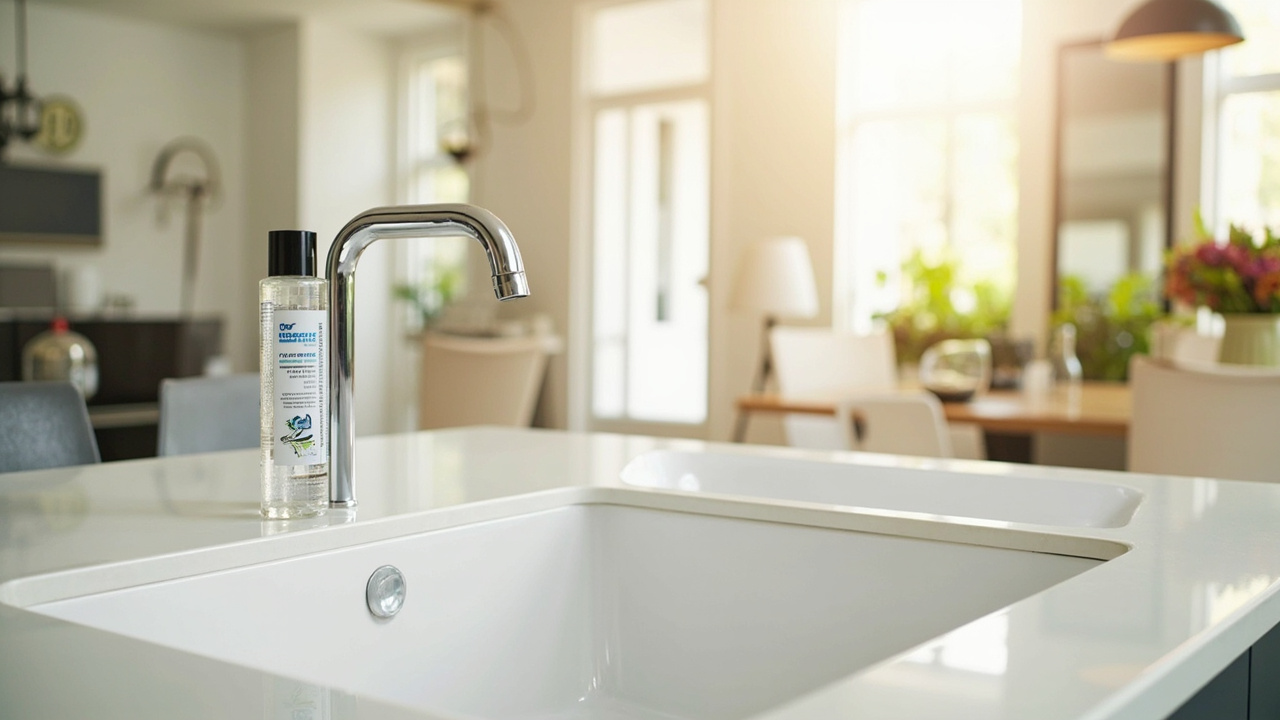
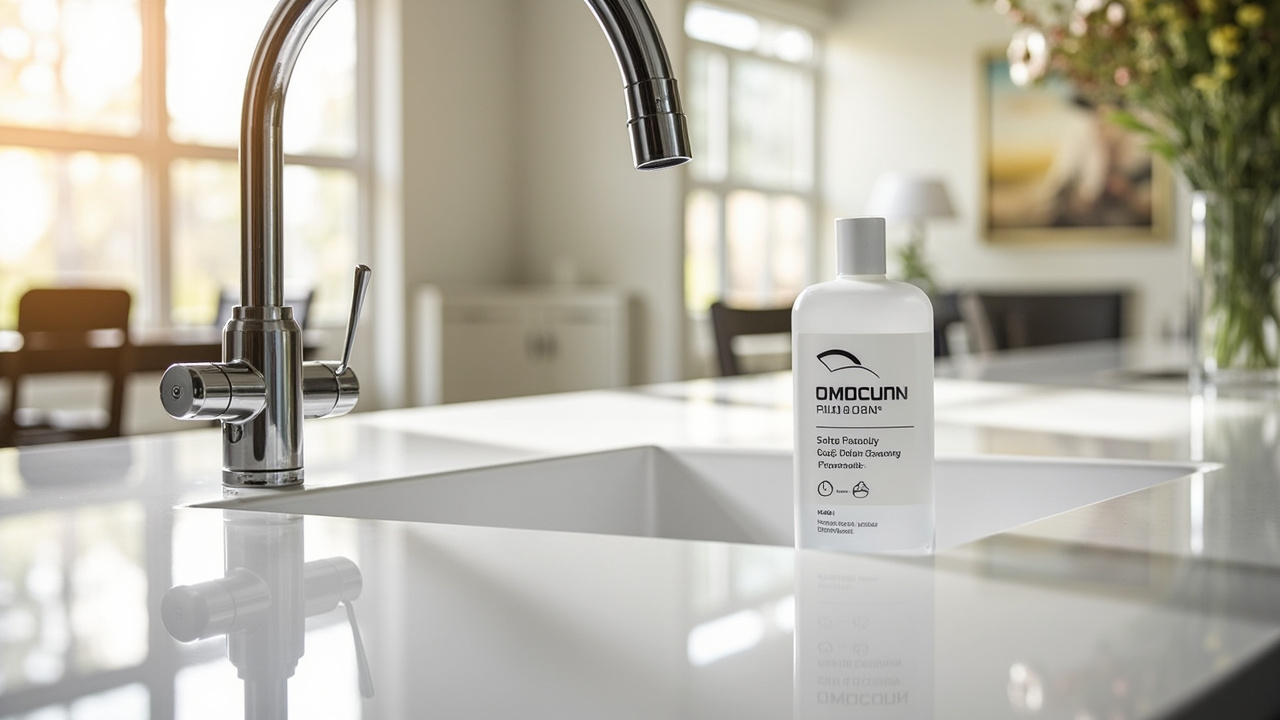
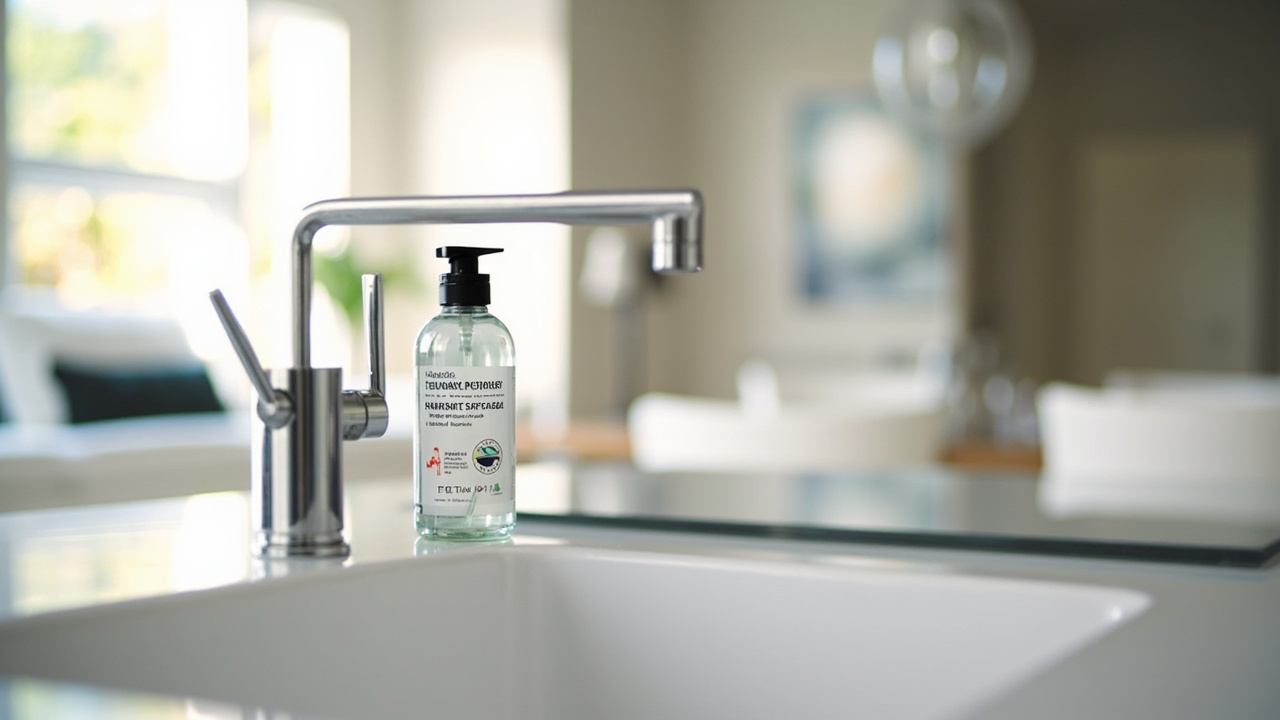
Non-toxic drain openers and enzymatic drain cleaners offer a different approach. These bio-based formulas use bacterial cultures or natural enzymes to break down organic matter. They work slower than acid-based products, but they protect your pipes and Seattle's water quality simultaneously.

The question is not whether to use drain cleaners. The question is which products actually work without creating secondary problems. Some eco-friendly options perform well. Others amount to expensive placebos. Understanding the chemistry helps you make informed decisions that protect your plumbing investment and our shared ecosystem.

Why Seattle Homeowners Need to Rethink Traditional Drain Cleaners
How Different Drain Cleaning Products Actually Work

How Different Drain Cleaning Products Actually Work

The chemistry matters more than the marketing. Natural drain unblockers fall into three categories, each with distinct mechanisms and appropriate applications.

Enzymatic drain cleaners use protein-based catalysts. Protease enzymes break down hair and skin cells. Lipase enzymes target grease and soap scum. These products work best as maintenance tools, not emergency solutions. Pour them down slow-draining fixtures weekly. The enzymes need 6 to 8 hours of contact time to metabolize organic buildup. They perform poorly on complete blockages because the standing water dilutes their effectiveness.

Bacterial drain treatments contain live microorganisms, typically Bacillus strains. These bacteria colonize your drain lines and consume organic material continuously. They excel at preventing buildup in kitchen sinks where grease accumulates. The bacteria remain active in your pipes for weeks after application. Temperature affects performance. They work best between 50 and 90 degrees Fahrenheit, which aligns well with Seattle's moderate climate.

Septic safe clog removers often combine mechanical and chemical action. Products containing sodium carbonate create alkaline conditions that emulsify fats. Others use oxygen-release compounds like sodium percarbonate. These generate bubbling action that physically disrupts clogs while remaining less corrosive than traditional lye-based cleaners.

The limitation all these products share is simple physics. They cannot clear mechanical obstructions. A toy lodged in a toilet trap or tree roots infiltrating a sewer line will not respond to any liquid treatment. They also struggle with mineral deposits. Seattle's relatively soft water (40 to 80 ppm) reduces this concern compared to harder water regions, but scale buildup still occurs around fixtures.

Knowing which product matches which problem saves you money and frustration. More importantly, it helps you recognize when professional assessment becomes necessary.

Choosing and Using Safe Drain Products Effectively

Safe Drain Cleaning Products in Seattle | Your Complete Guide to Non-Toxic Solutions That Protect Your Pipes and Puget Sound
01

Identify the Clog Type

Before selecting any product, determine what you are dealing with. Slow drainage in bathroom sinks typically indicates hair and soap accumulation. Kitchen sink backups usually involve grease and food particles. Multiple fixtures draining slowly suggest a main line issue that no bottle will fix. Check if water eventually drains or stands completely. This distinction determines whether you need maintenance products or professional intervention.
02

Match Product to Problem

Use enzymatic cleaners for hair clogs in bathroom drains. Apply bacterial treatments to kitchen lines where grease builds up. Reserve oxygen-based formulas for occasional tough clogs in toilet drains. Read application instructions completely. Most eco-friendly products require overnight contact time and work best in warm water. Running hot water before application helps activate biological agents. Never mix different products, as chemical interactions can create hazardous fumes or reduce effectiveness.
03

Implement Preventive Maintenance

Prevention beats intervention. Use mesh strainers in all drains to catch hair and debris. Pour a kettle of boiling water down kitchen drains weekly to melt grease before it solidifies. Apply enzymatic treatments monthly to bathroom drains. Run cold water during garbage disposal use to solidify fats for grinding rather than letting them coat pipes. These habits reduce the need for any drain cleaning products while extending the lifespan of your plumbing system.

Why Horizon Plumbing Seattle Recommends Specific Products for Local Systems

We work inside Seattle homes every day. This experience teaches us which products actually perform and which create problems.

Many homes in neighborhoods like Wallingford, Fremont, and Ravenna have clay sewer laterals connecting to the city main. These pipes develop offset joints and root intrusion points over time. When homeowners repeatedly use caustic drain cleaners, the chemicals accelerate joint deterioration. We have scoped thousands of drain lines. The correlation between aggressive chemical use and pipe damage is clear.

Seattle's plumbing code requires specific materials and installation methods. We understand how these systems respond to different treatments. Older homes often have drum traps instead of modern P-traps under bathroom sinks. These configurations trap debris differently and respond better to biological treatments than chemical ones.

The city's commitment to environmental protection also shapes our recommendations. Seattle Public Utilities operates combined sewer overflows at 38 locations. During heavy rain, untreated wastewater enters local waterways when the system exceeds capacity. Reducing household chemical loading helps minimize the environmental impact of these overflow events.

We stock and recommend products we have tested extensively. Our technicians use the same enzymatic cleaners and bacterial treatments in their own homes. This is not about selling products. We make more money clearing drains mechanically than recommending a bottle. But we would rather help you maintain your system effectively than see you repeatedly for the same preventable issues.

Local expertise means understanding how Seattle's water chemistry, housing stock, and environmental regulations intersect with your daily plumbing needs. We translate that knowledge into practical guidance that protects your investment and our shared water resources.

What You Should Know Before Buying Drain Cleaning Products

Product Performance Timeline

Eco-friendly drain cleaners work on a different timeline than caustic chemicals. Enzymatic products need 6 to 12 hours of contact time for full effectiveness. Bacterial treatments show results over days, not minutes. If you need immediate results, these products will disappoint you. They excel at prevention and gradual clearing of partial clogs, not emergency intervention. Plan to apply them before bed and assess results the next morning. Repeated applications often work better than single treatments for stubborn clogs. Set realistic expectations based on the chemistry involved, not the marketing promises.

Reading Labels and Ingredients

Not all products labeled eco-friendly meet that description. Check ingredient lists for sodium hydroxide, sulfuric acid, or hydrochloric acid. These are caustic chemicals regardless of green packaging. Look for specific enzyme types like protease, lipase, or amylase. Bacterial products should list genus and species, typically Bacillus subtilis or similar strains. Vague terms like proprietary blend or natural ingredients often hide conventional chemicals. Products certified by third parties like EPA Safer Choice or Green Seal meet verified environmental standards. The best products clearly state their active ingredients and provide technical data sheets explaining their mechanism of action.

Realistic Effectiveness Boundaries

Safe drain products have limitations you need to understand. They cannot remove mechanical obstructions like jewelry, toys, or hygiene products. They perform poorly on mineral deposits and scale buildup. They will not clear tree roots from sewer lines or repair broken pipes. If water stands completely and does not drain at all, biological products lack the physical access needed to work. If multiple fixtures back up simultaneously, you have a main line problem requiring mechanical clearing. Recognize these boundaries early. Pouring bottle after bottle down a drain that needs professional attention wastes money and delays proper repair. Use these products for what they do well, maintenance and prevention, not as substitutes for mechanical drain cleaning when actually needed.

Safe Storage and Handling

Even non-toxic products require proper handling. Enzymatic cleaners lose effectiveness when exposed to temperature extremes. Store them in moderate temperatures between 50 and 80 degrees Fahrenheit. Avoid garages or sheds where freezing occurs. Bacterial products have expiration dates because the microorganisms lose viability over time. Buy fresh products and use them within the recommended timeframe. Keep all drain products away from children and pets, regardless of toxicity claims. Never mix different products in the same drain. Chemical reactions between incompatible ingredients can produce hazardous fumes or reduce effectiveness. Dispose of old products according to local hazardous waste guidelines, not down your drain.

Frequently Asked Questions

You Have Questions,
We Have Answers

What is the safest drain cleaner? +

Enzyme-based drain cleaners are the safest option for most household drains. These biological cleaners use natural bacteria to break down organic matter like hair, grease, and soap scum without damaging pipes. They work slowly but pose zero risk to Seattle's older pipe systems common in Capitol Hill and Ballard homes. For immediate clogs, a manual drain snake is safer than any chemical product. Avoid caustic chemicals like lye or sulfuric acid, which can corrode galvanized pipes and create hazardous fumes in poorly ventilated Seattle bathrooms during our damp winter months.

What do plumbers recommend to keep drains clean? +

Plumbers recommend regular hot water flushing and monthly enzyme treatments to maintain clean drains. Run hot water for 30 seconds after each sink use to keep grease moving through pipes. Install drain strainers to catch hair and food particles before they enter the system. For Seattle homes with hard water from the Cedar River watershed, quarterly professional hydro-jetting prevents mineral buildup that narrows pipes over time. Avoid pouring fats, oils, and coffee grounds down drains. These preventive steps cost less than emergency service calls during holiday weekends.

Why do plumbers say not to use drain cleaner? +

Plumbers warn against chemical drain cleaners because they create more problems than they solve. The caustic chemicals generate heat that can melt PVC joints, corrode cast iron pipes, and damage older plumbing common in Seattle's pre-1950s homes. These products often push clogs deeper into the system rather than clearing them. When chemicals fail and you call a plumber, the standing toxic water creates dangerous working conditions and delays repairs. Chemical residue also damages septic systems in rural King County areas and harms Puget Sound waterways when flushed into municipal systems.

How to clean drains without chemicals? +

Clean drains without chemicals by using a drain snake or plunger for clogs. Pour a kettle of boiling water down the drain weekly to dissolve soap scum and grease buildup. Remove and clean P-traps under sinks every few months to clear accumulated debris. Use a zip-it tool to pull hair from bathroom drains. For maintenance, flush drains with hot water for one minute after each use. Seattle's soft water helps prevent mineral deposits, but regular mechanical cleaning prevents organic buildup from our high-humidity climate that encourages bacterial growth in pipes.

What do plumbers recommend instead of Drano? +

Plumbers recommend a manual drain snake or auger instead of Drano. These tools physically break up and remove clogs without chemical damage to pipes. For slow drains, try pouring boiling water followed by a half cup of dish soap. Enzyme-based cleaners work for maintenance but take 8-12 hours to break down organic matter. For stubborn clogs in Seattle homes, professional hydro-jetting clears the entire pipe without harsh chemicals. A $150 service call prevents thousands in pipe replacement costs from chemical corrosion, especially in older neighborhoods like Queen Anne and Fremont.

Does Dawn dish soap unclog drains? +

Dawn dish soap can help with minor grease clogs but is not a complete solution. Squirt a quarter cup of dish soap down the drain, wait 15 minutes, then flush with a gallon of boiling water. The soap breaks surface tension and helps grease slide through pipes. This method works best as prevention rather than cure. For Seattle's hard-to-reach kitchen drain clogs caused by cooking oils during rainy months when we cook indoors more, you need mechanical removal. Soap alone cannot clear hair, food particles, or solid obstructions that cause most drain blockages.

Why shouldn't you use baking soda and vinegar to unclog a drain? +

The baking soda and vinegar reaction creates impressive fizzing but provides minimal cleaning power for clogged drains. The chemical reaction produces carbon dioxide gas and water, both harmless but ineffective against solid clogs. The fizzing action occurs mostly at the drain opening, not deep where clogs form. This method can push loose debris deeper into pipes, worsening blockages. For Seattle homes with older cast iron or galvanized pipes, repeated use wastes time while clogs worsen. Save your baking soda for cleaning countertops and use proper tools or enzyme cleaners for drain maintenance.

Why pour salt down the drain every night? +

Pouring salt down drains is an old myth with limited benefit. Salt can help inhibit bacterial growth that causes odors and may provide mild scouring action when combined with hot water. Some Seattle residents use this method to combat drain flies during warm summer months. However, salt does not dissolve grease, break down hair, or clear clogs. Excessive salt can corrode metal pipes over time and harms septic systems in rural areas. For odor control, use enzyme cleaners monthly. For actual blockages, mechanical removal works better than any home remedy using pantry ingredients.

How to get rid of brown gunk in sink drain? +

Brown gunk in sink drains is biofilm, a combination of bacteria, soap scum, hair, and decomposing organic matter. Remove the P-trap under the sink and scrub it clean with a bottle brush and hot soapy water. Use a bent wire or drain brush to scrub the visible drainpipe opening. Flush with boiling water, then treat with enzyme cleaner to break down remaining residue. Seattle's hard water from the Tolt pipeline can accelerate buildup in bathroom sinks. Clean P-traps quarterly to prevent odors and slow drainage before the biofilm hardens into stubborn clogs.

What are two things you should never flush down a toilet? +

Never flush wipes or feminine hygiene products down toilets. Wipes labeled flushable do not break down like toilet paper and cause expensive sewer backups throughout Seattle neighborhoods, especially in older sewer systems near the waterfront. They tangle with grease in pipes and create massive clogs. Feminine products absorb water and expand, blocking drain lines and damaging septic systems. These items contribute to fatbergs in Seattle's municipal sewer system that costs taxpayers millions annually. Use trash cans for these products. Only human waste and toilet paper belong in toilets.

How Seattle's Older Pipe Infrastructure Requires Different Drain Care Approaches

Seattle's rapid growth periods in the 1900s, 1920s, and post-World War II era left us with diverse plumbing systems aging at different rates. Homes in established neighborhoods often have galvanized steel drain lines that develop internal corrosion and reduced diameter over decades. Capitol Hill, Queen Anne, and Fremont have particularly high concentrations of pre-1940 housing. These older pipes cannot tolerate aggressive chemical cleaners that newer PVC systems handle easily. The City of Seattle has documented over 400 miles of combined sewers where residential wastewater mixes with stormwater. What you pour down your drain during our wet season directly affects water quality in Lake Union, the Duwamish River, and Elliott Bay. Choosing non-toxic drain openers is not just about protecting your pipes. It is about protecting our shared urban watershed.

Horizon Plumbing Seattle has worked on plumbing systems throughout the greater Seattle metro area for years. We have seen how different products affect various pipe materials and ages. Our technicians receive ongoing training on identifying pipe types, assessing their condition, and recommending appropriate maintenance products. We participate in local trade organizations and stay current with Seattle Department of Construction and Inspections code updates. This local knowledge matters when you need advice about which enzymatic drain cleaners work best in older cast iron systems or which septic safe clog removers protect the concrete septic tanks common in areas beyond city sewer service. National brands do not account for regional housing characteristics or local environmental concerns. We do, because we live and work here too.

Plumbing Services in The Seattle Area

Horizon Plumbing Seattle proudly serves the entire Seattle metropolitan area and surrounding communities. We invite users to view our service area map to confirm that your home or business falls within our coverage zone, ensuring we can deliver fast, reliable service right to your doorstep. Our professional team is strategically located to offer prompt dispatch, whether you're in the heart of downtown or the outlying neighborhoods. Call us to confirm coverage and schedule your expert plumbing appointment today; we look forward to serving you with confidence and a warm welcome.

Address:
Horizon Plumbing Seattle, 1515 Dexter Ave N, Seattle, WA, 98109

Additional Services We Offer

Our news updates

Latest Articles & News from The Blogs

The Long Term Benefits of a PEX Manifold System for New Construction in Newcastle Home builders and homeowners in Newcastle…

The Long Term Benefits of a PEX Manifold System for New Construction in Newcastle

The Long Term Benefits of a PEX Manifold System for New Construction in Newcastle Home builders and homeowners in Newcastle…

Converting Your Olympic Manor Crawl Space into a Functional Basement with an Ejector Pump

Converting Your Olympic Manor Crawl Space into a Functional Basement with an Ejector Pump Converting a crawl space in Olympic…

Why Your Clyde Hill Kitchen Needs a Professional Touchless Faucet Upgrade

Why Your Clyde Hill Kitchen Needs a Professional Touchless Faucet Upgrade Your Clyde Hill kitchen deserves more than a generic…

Contact Us

Stop guessing which products actually work. Call Horizon Plumbing Seattle at (564) 220-5552 for personalized recommendations based on your specific plumbing system and needs. We can assess your drain health and suggest effective, environmentally responsible solutions that protect your pipes and Seattle's waterways.