




menu

Cold Water Sandwich Effect in Seattle – Expert Diagnosis and Permanent Fixes for Tankless Water Heaters

We pinpoint the exact cause of your cold water sandwich effect and apply targeted solutions that eliminate tankless temperature fluctuations for good, restoring consistent hot water throughout your Seattle home.

Slider Image 1
Slider Image 2
Slider Image 3
Slider Image 4
Slider Image 5
Slider Image 7
Slider Image 8
Slider Image 9
Slider Image 10
Slider Image 11

Why Seattle Homes Experience the Cold Water Sandwich Problem More Than You Think

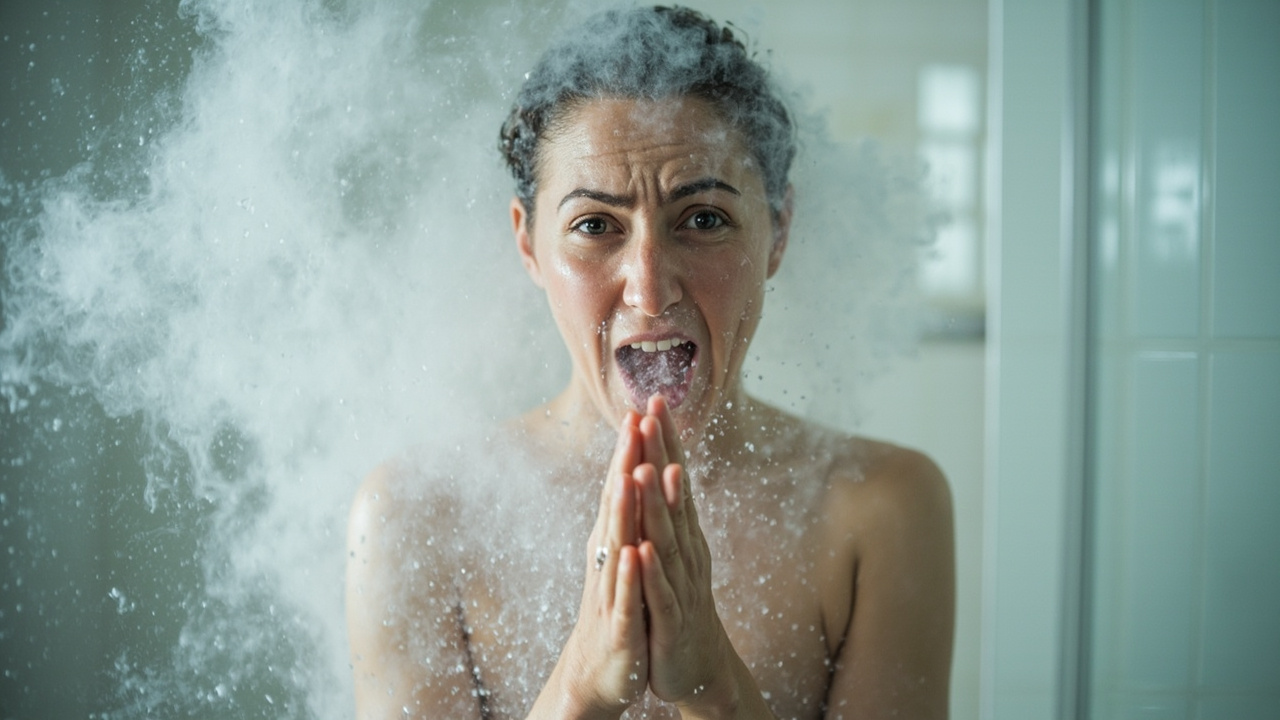
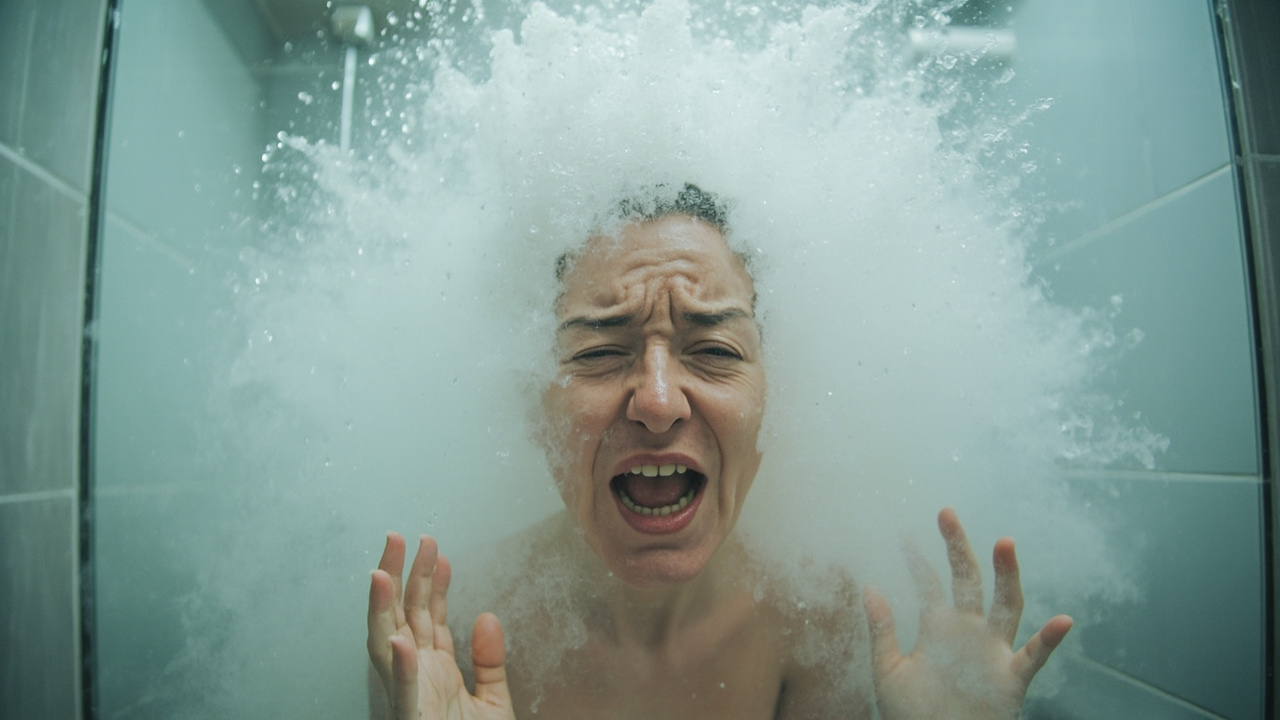
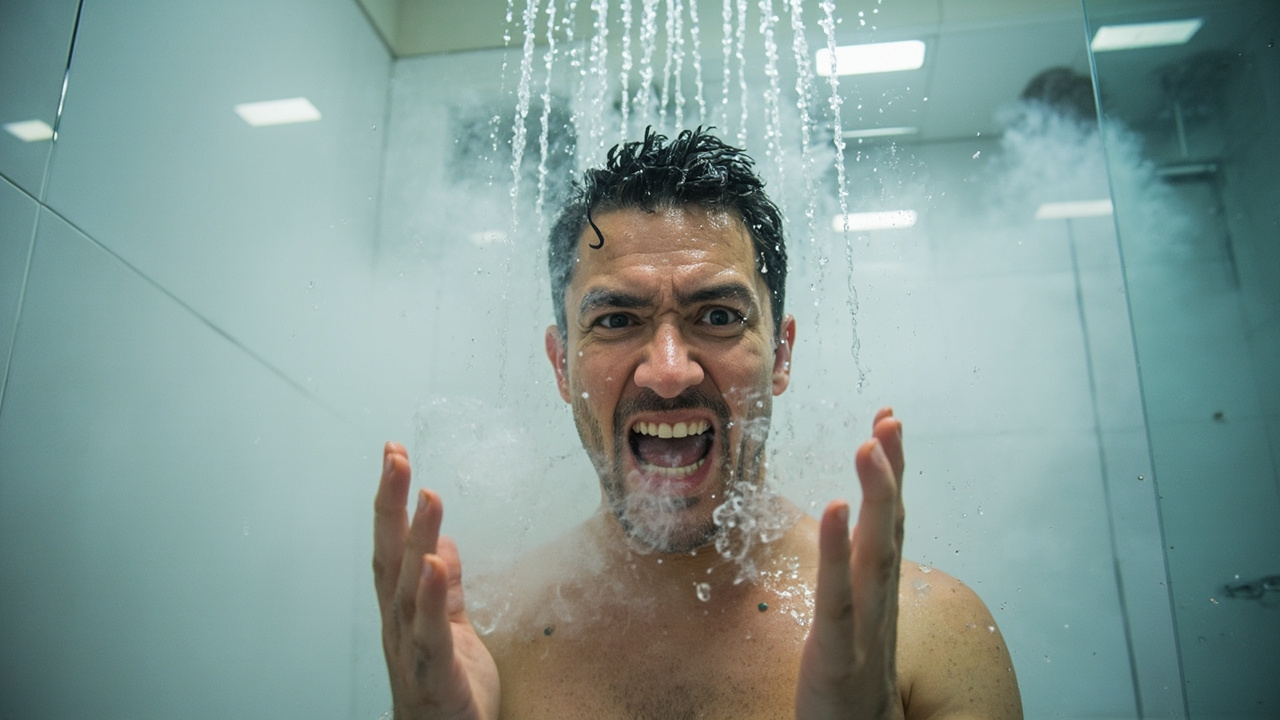
You step into the shower, adjust the temperature, and settle in. Two minutes later, a burst of ice-cold water hits you. Then it's hot again. This is the cold water sandwich effect, and it's not your imagination.

The cold water sandwich happens when you use hot water in short bursts. Someone washes their hands. You rinse a dish. The tankless unit fires up, heats water, then shuts down. But hot water still sits in the pipes between the heater and your fixture. When you turn the tap back on, you get hot water first (the leftover sitting in the pipes), then cold water (the unheated water that rushes in before the unit reactivates), then hot again once the burner reignites. That cold water slug in the middle is the sandwich.

Seattle's mild climate means we use hot water intermittently. We're not running taps constantly in freezing weather. We take quick showers, wash hands between tasks, rinse vegetables. This usage pattern is perfect for triggering intermittent cold water tankless issues. The unit cycles on and off dozens of times per day.

Older tankless models and undersized units make this worse. If your flow rate drops below the minimum activation threshold, the burner won't fire at all. You get a full blast of cold water. If the unit's heat exchanger has mineral buildup from Seattle's moderately hard water, the response time slows. The cold water burst lasts longer. If your recirculation system isn't configured correctly, you're guaranteed to experience tankless temperature fluctuation every single time you open a faucet.

This isn't a quirk you live with. It's a solvable problem.

Why Seattle Homes Experience the Cold Water Sandwich Problem More Than You Think
How We Eliminate the Cold Water Sandwich Effect Permanently

How We Eliminate the Cold Water Sandwich Effect Permanently

We don't guess. We test your system under real-world conditions to identify the exact cause of your tankless water heater cold water sandwich problem.

First, we measure your flow rates at every fixture. If your tankless unit requires 0.5 gallons per minute to activate and your bathroom sink only delivers 0.4 GPM, the burner won't ignite. You'll get cold water every time. We verify activation thresholds and compare them to your actual usage patterns.

Next, we inspect the heat exchanger for scale buildup. Even a thin layer of calcium deposits slows heat transfer and delays burner response. We pull the exchanger, measure the buildup, and flush it with descaling solution if needed. In Seattle, where water hardness averages 85-100 mg/L, this matters.

We also evaluate your recirculation system setup. Many homes have a recirc pump installed incorrectly. The pump should maintain a small loop of hot water near your most-used fixtures, so the tankless unit stays primed. If the loop is too long, or the pump cycles incorrectly, you'll get a cold water slug every time. We reconfigure the loop, adjust the pump timer, and verify the crossover valve placement.

For chronic issues, we assess whether your unit is undersized. A tankless heater rated for two simultaneous fixtures will struggle if you have three bathrooms and a kitchen running at once. The unit will short-cycle, and you'll experience constant temperature fluctuation. We calculate your peak demand and recommend a properly sized replacement if needed.

Finally, we install a small buffer tank if the problem persists. A 2-gallon electric mini-tank between the tankless unit and your fixtures eliminates the cold water sandwich entirely. The buffer absorbs the temperature swings and delivers consistent hot water. This is the permanent fix when reconfiguration alone isn't enough.

What Happens When You Call Us About Cold Water Sandwich Issues

Cold Water Sandwich Effect in Seattle – Expert Diagnosis and Permanent Fixes for Tankless Water Heaters
01

System Performance Testing

We arrive at your home and run hot water at multiple fixtures simultaneously. We measure flow rates, activation delays, and temperature drops using calibrated thermometers and flow meters. This tells us whether the issue is mechanical, hydraulic, or configuration-based. We document baseline performance before making any changes so you can see the improvement after our work is complete.
02

Heat Exchanger Inspection

We open the tankless unit and inspect the heat exchanger for scale, corrosion, or fouling. We measure the thickness of mineral deposits and check burner performance. If the exchanger is clogged, we flush it with a commercial-grade descaling pump and vinegar solution. This restores heat transfer efficiency and eliminates the delayed ignition that causes cold water slugs in many Seattle homes.
03

Configuration and Calibration

We adjust the unit's temperature setpoint, reconfigure the recirculation loop if present, and verify that all flow sensors are reading correctly. We test the system again under normal usage conditions to confirm the cold water sandwich is gone. If needed, we install a buffer tank or upgrade to a larger unit. You get consistent hot water, every time you turn on a tap.

Why Seattle Homeowners Trust Horizon Plumbing Seattle for Tankless Water Heater Problems

You need someone who understands how tankless systems behave in real Seattle homes, not a technician who follows a generic troubleshooting checklist.

We've diagnosed and fixed hundreds of cold water sandwich cases across Queen Anne, Capitol Hill, Ballard, and West Seattle. We know how different home layouts, pipe materials, and usage patterns affect tankless performance. We know that older homes in Wallingford with galvanized pipes behave differently than new construction in South Lake Union with PEX plumbing. We account for these variables.

We also understand Seattle's water quality. The city's water averages 22 grains per gallon of hardness in some neighborhoods. That's enough to cause scale buildup in a tankless heat exchanger within two years if you don't flush it regularly. We check for this during every service call, and we explain how often you should schedule maintenance based on your actual water hardness and usage.

When we recommend a solution, it's based on your specific situation. If your unit is undersized, we tell you. If your recirculation loop is configured wrong, we fix it. If a simple descaling will solve the problem, we don't upsell you on a new heater. We give you the truth and the most cost-effective fix.

We also know Seattle's plumbing codes inside and out. If we install a buffer tank or replace your tankless unit, the work is permitted and inspected. You won't have problems when you sell your home or file an insurance claim.

Horizon Plumbing Seattle has been solving complex plumbing problems in this city for years. We're not a national franchise following a script. We're local technicians who live here, work here, and understand the specific challenges Seattle's water systems present.

What You Can Expect When We Fix Your Cold Water Sandwich Problem

Same-Day or Next-Day Service

We schedule service calls quickly. Most cold water sandwich diagnostics happen within 24 to 48 hours of your call. If we need to order a part or schedule a buffer tank installation, we give you a firm timeline upfront. We don't leave you guessing when the problem will be fixed. Our trucks carry common tankless parts, descaling equipment, and flow testing tools, so many repairs happen the same day. If your issue requires a unit replacement or major reconfiguration, we schedule a follow-up visit and complete the work within a week.

Thorough Diagnostic Process

We don't assume the problem. We test everything. Flow rates, activation thresholds, heat exchanger condition, recirculation loop function, and burner performance. We walk you through what we find and explain the options in plain language. You'll understand why the cold water sandwich is happening and what needs to change to fix it. We show you the mineral buildup, the flow meter readings, and the temperature data. You see the evidence, not just a recommendation. This transparency helps you make an informed decision about the repair.

Reliable, Consistent Hot Water

After we finish the work, your tankless system delivers hot water without temperature spikes or cold slugs. You can take a shower, wash dishes, or run the washing machine without worrying about sudden temperature changes. If we install a buffer tank, the hot water feels identical to a traditional tank system. If we reconfigure your recirculation loop, the unit stays primed and ready. If we descale the heat exchanger, the burner ignites instantly. The result is predictable, comfortable hot water every time you open a tap.

Maintenance Recommendations and Follow-Up

We explain how to prevent the cold water sandwich from returning. For most Seattle homes, this means annual descaling to remove mineral buildup, checking the recirculation pump settings twice a year, and replacing the inlet filter every 12 months. We offer maintenance plans if you want us to handle it automatically. If you prefer to do it yourself, we walk you through the process and provide a written schedule. We also offer a callback period. If the problem reappears within 30 days, we return and re-evaluate the system at no charge.

Frequently Asked Questions

You Have Questions,
We Have Answers

How to get rid of cold water sandwich? +

Install a small recirculation buffer tank between your tankless unit and fixtures. This stores a small volume of hot water and eliminates the cold slug. You can also add a recirculation pump with a timer to keep hot water moving through the lines during peak use times. In Seattle homes with longer pipe runs, insulating your hot water lines reduces heat loss and shortens the cold gap. Adjust your tankless flow rate settings if possible. Some units let you increase minimum flow activation, which reduces the temperature swing. A qualified plumber can evaluate your system and recommend the best fix for your setup.

What is the 1 10 1 rule in cold water? +

The 1-10-1 rule describes cold water immersion survival. You have one minute to control your breathing after sudden cold water shock. You have 10 minutes of meaningful movement before cold incapacitation sets in. You have one hour before you lose consciousness from hypothermia. This rule applies to Puget Sound waters, which hover between 46 and 54 degrees year-round. Seattle boaters and kayakers should know this timeline. Wear a life jacket, stay calm, and focus on floating rather than swimming. Call for help immediately. The rule reminds you that time matters, but panic kills faster than cold.

What is the downside to tankless water? +

Tankless water heaters create the cold water sandwich effect. When you turn off a tap briefly and turn it back on, cold water sitting in the heat exchanger rushes out before hot water resumes. You get a cold burst mid-shower. Tankless units also require higher upfront costs and dedicated gas lines or electrical upgrades. In Seattle's hard water areas, mineral buildup clogs the heat exchanger faster, requiring annual descaling. Flow rate limits mean you cannot run multiple high-demand fixtures simultaneously without temperature drops. They also struggle in winter when incoming groundwater temperatures drop below 50 degrees, reducing output capacity.

Why do people eat water sandwiches? +

This question confuses the plumbing term with an internet trend. The cold water sandwich in plumbing refers to a burst of cold water from a tankless heater, not food. Some people online joke about eating ice between bread as a minimalist snack or diet hack, but it has no nutritional value. If you are asking about the plumbing issue, it happens when residual cold water in the heat exchanger flows out between heating cycles. You experience it as an unexpected cold shock during a shower. It frustrates Seattle homeowners with tankless systems, especially in homes with long pipe runs from the unit to the bathroom.

How to recover from cold water shock? +

Get out of the cold water immediately if possible. Remove wet clothing and dry off. Warm your core first with blankets, dry clothes, or skin-to-skin contact. Do not rub the skin or use direct heat like heating pads, which can cause burns or dangerous heart rhythms. Drink warm, non-alcoholic fluids if you are alert. In Seattle's cold waters, hypothermia sets in fast. If you cannot get out, assume the HELP position: pull your knees to your chest and keep your head above water. Call 911 if shivering is violent, speech is slurred, or confusion starts. Rewarming must happen gradually and carefully.

Why does Chinese medicine say not to drink cold water? +

Traditional Chinese medicine teaches that cold water disrupts your body's internal balance and slows digestion. The theory says your stomach needs warmth to process food, and cold water forces your body to expend energy reheating it, weakening digestive fire. Cold intake is thought to constrict blood vessels and reduce circulation. While Western medicine does not support these claims with clinical evidence, some people feel bloated or uncomfortable drinking ice water with meals. Seattle's damp, cool climate might make warm beverages feel better during fall and winter. This belief is cultural and philosophical, not based on modern physiology or peer-reviewed science.

How Seattle's Water Chemistry and Home Design Contribute to Tankless Temperature Swings

Seattle's water supply comes primarily from the Cedar River and Tolt River watersheds. The water is relatively soft compared to other cities, but it still contains enough dissolved minerals to cause scale buildup in tankless heat exchangers over time. Homes built before 1990 often have longer pipe runs and more complex plumbing layouts, which increases the distance between the tankless unit and your fixtures. This longer distance exaggerates the cold water sandwich effect because more cold water sits in the pipes waiting to rush through when you open a tap. Newer homes in neighborhoods like Fremont and Green Lake often have recirculation systems, but many are configured incorrectly during construction. The result is the same intermittent cold water burst that frustrates homeowners across the city.

Horizon Plumbing Seattle has worked on tankless systems in every type of Seattle home, from 1920s Craftsman bungalows in Ravenna to modern townhouses in Capitol Hill. We understand how the city's unique mix of old and new construction affects hot water delivery. We also know the local permitting process, which matters if you're installing a buffer tank or replacing an undersized unit. Choosing a plumber who understands Seattle's water, building codes, and home layouts means you get a solution that works long-term, not a temporary patch that fails in six months.
Plumbing Services in The Seattle Area

Horizon Plumbing Seattle proudly serves the entire Seattle metropolitan area and surrounding communities. We invite users to view our service area map to confirm that your home or business falls within our coverage zone, ensuring we can deliver fast, reliable service right to your doorstep. Our professional team is strategically located to offer prompt dispatch, whether you're in the heart of downtown or the outlying neighborhoods. Call us to confirm coverage and schedule your expert plumbing appointment today; we look forward to serving you with confidence and a warm welcome.

Address:
Horizon Plumbing Seattle, 1515 Dexter Ave N, Seattle, WA, 98109

Additional Services We Offer

Our news updates

Latest Articles & News from The Blogs

Converting Your Old Wedgwood Bathtub into a Modern Walk-In Shower Converting your old Wedgwood bathtub to a modern walk-in shower…

Converting Your Old Wedgwood Bathtub into a Modern Walk-In Shower

Converting Your Old Wedgwood Bathtub into a Modern Walk-In Shower Converting your old Wedgwood bathtub to a modern walk-in shower…

Replacing Corroded Cast Iron Drain Lines in Your Crown Hill Bungalow

Replacing Corroded Cast Iron Drain Lines in Your Crown Hill Bungalow\n\nCast iron drain pipes in Crown Hill's classic 1940s and…

Why Homeowners in Georgetown are Upgrading to Professional Bidet Installations

Why Georgetown Homeowners Are Choosing Professional Bidet Installation Services Georgetown's historic industrial charm and vibrant community make it a unique…

Contact Us

Call Horizon Plumbing Seattle at (564) 220-5552 to schedule your diagnostic appointment. We'll identify the cause of your tankless temperature fluctuation and fix it right. No more ice-cold surprises in the shower.