




menu

How to Shut Off Main Water Valve in Seattle – Step-by-Step Guide to Stop Water Flow Fast

Learn exactly where to find your main water shut off valve, how to turn it safely, and what to do when freezing pipes or burst lines threaten your Seattle home with flooding.

Slider Image 1
Slider Image 2
Slider Image 3
Slider Image 4
Slider Image 5
Slider Image 7
Slider Image 8
Slider Image 9
Slider Image 10
Slider Image 11

Why Every Seattle Homeowner Needs to Know How to Turn Off the Main Water Supply

When a pipe bursts at 2 AM or your water heater starts leaking across the floor, you have minutes to act before water damage escalates. Knowing how to shut off water supply to home systems can save thousands in repair costs and prevent catastrophic flooding.

Seattle's freeze-thaw cycles create unique risks. When temperatures drop below freezing in December and January, exposed pipes in crawl spaces and unheated garages can crack. The moment temperatures rise, those hairline fractures turn into full breaks. Water flows at 2 to 5 gallons per minute from a standard household line. That adds up to 300 gallons in an hour if you cannot stop it.

Many Seattle homes built before 1980 have main shut off valves in unusual locations. Older houses in neighborhoods like Queen Anne and Capitol Hill often hide valves in exterior meter boxes or buried under landscaping. Newer construction in areas like Ballard and West Seattle typically place valves inside the home near the water heater or in the basement utility room.

Turning off house water main access becomes critical during plumbing emergencies, before major repairs, or when leaving town for extended periods. Every adult in your household should know this location and how to operate the valve. In a true emergency, fumbling in the dark or searching online wastes precious time.

The main water shut off valve controls every fixture, appliance, and faucet in your home. Close main water shut off valve access, and you stop all flow. This single action prevents minor leaks from becoming insurance claims and gives you control during any plumbing crisis.

Why Every Seattle Homeowner Needs to Know How to Turn Off the Main Water Supply
Locating and Operating Your Main Water Shut Off Valve

Locating and Operating Your Main Water Shut Off Valve

Your main shut off valve sits between the water meter and your home's internal plumbing. In Seattle, you will find it in one of three locations depending on your home's age and construction type.

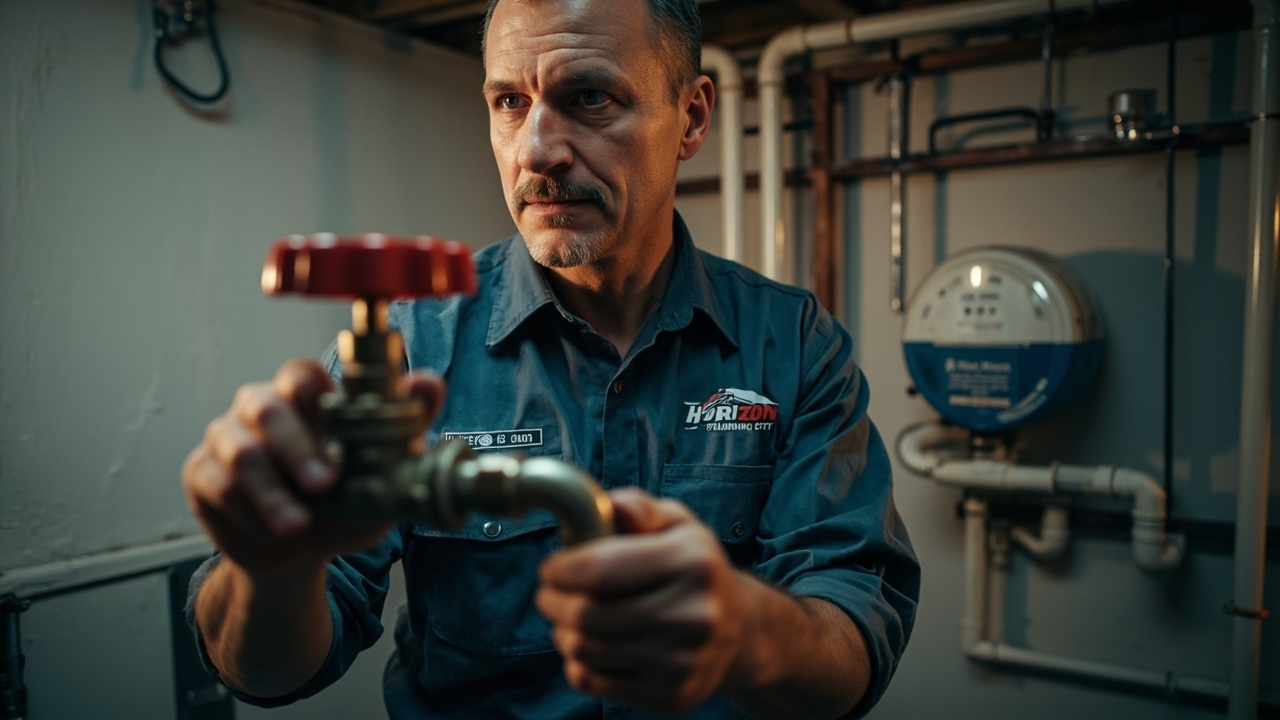
For homes built after 1990, check inside near where the main water line enters the structure. Look in the basement, crawl space, or utility room. The valve typically appears within 3 to 5 feet of the water heater. You will see a pipe coming through the foundation wall with a valve attached. This is usually a ball valve with a lever handle or a gate valve with a round wheel handle.

Older Seattle homes often place the main valve outside in a concrete meter box at the property line. Lift the metal or plastic cover in your front yard near the street. You will see the water meter and two valves. The valve closest to your house is yours to operate. The valve on the street side belongs to Seattle Public Utilities.

Some homes have both an interior and exterior shut off. The interior valve provides easier access during emergencies. The exterior valve at the meter box offers a secondary shutoff point.

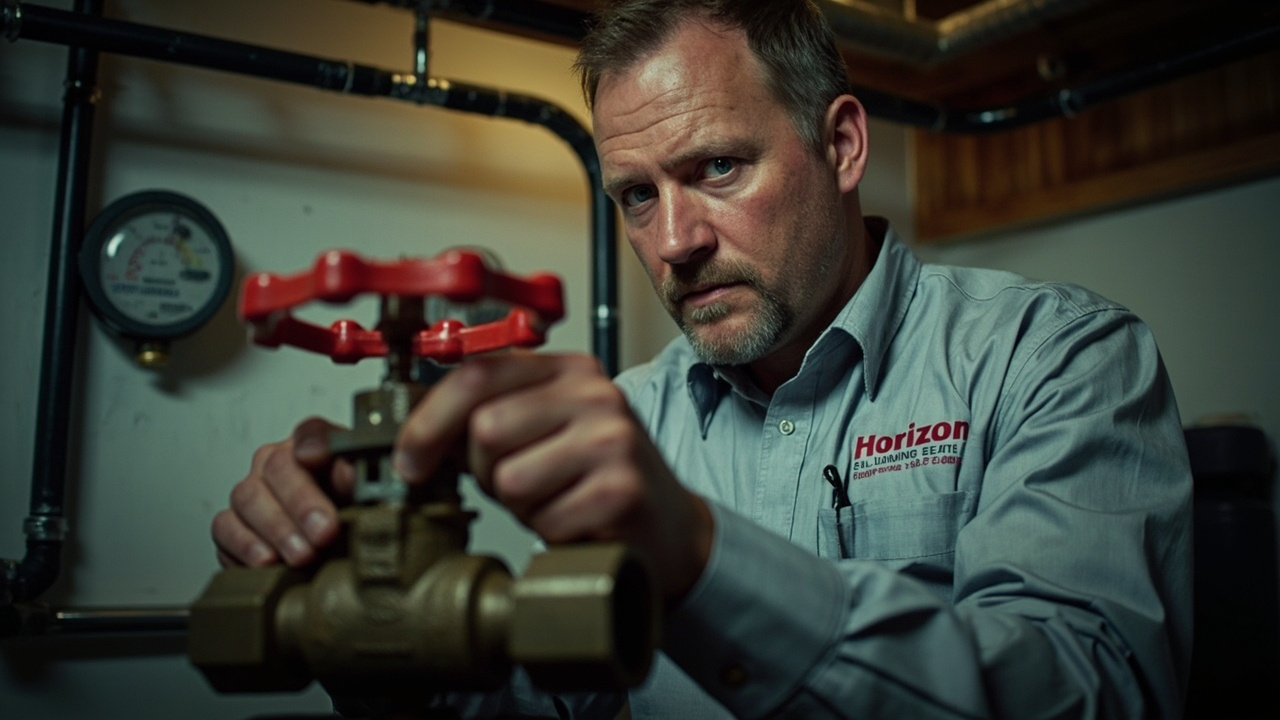
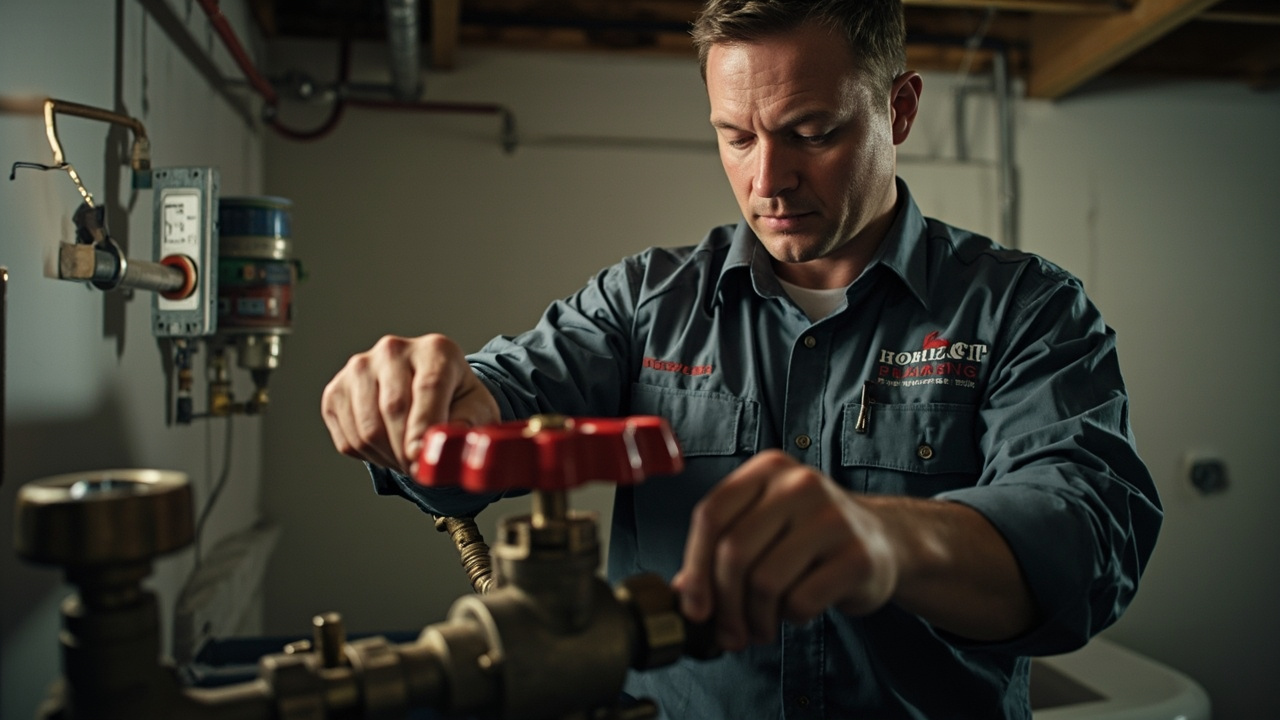
Ball valves turn 90 degrees. When the lever aligns parallel with the pipe, water flows. Rotate the lever perpendicular to the pipe to stop flow. Gate valves require multiple full rotations clockwise to close completely. Turn until the handle stops moving and feels snug, but do not force it.

Test your valve once a year. Turn it off and on to prevent mineral buildup that can freeze the mechanism. If the valve leaks, drips, or will not turn smoothly, replacement becomes necessary before you face an actual emergency.

How to Shut Off Water to the Whole House in Three Steps

How to Shut Off Main Water Valve in Seattle – Step-by-Step Guide to Stop Water Flow Fast
01

Find the Valve

Locate your main water shut off valve before an emergency happens. Check the basement or crawl space first, looking along the foundation wall where the main line enters. If you cannot find it inside, go to your front yard and look for a rectangular concrete meter box near the curb. Use a flashlight to identify the valve closest to your house. Mark the location with tape or take a photo so family members know where to look.
02

Turn the Valve

For ball valves with a lever, rotate the handle 90 degrees clockwise until it sits perpendicular to the pipe. For gate valves with a wheel, turn the handle clockwise as many rotations as needed until it stops. Do not force the valve past its stopping point or you risk breaking the stem. If the valve resists, spray penetrating oil on the threads and wait 10 minutes before trying again.
03

Verify Water Stopped

Open a faucet on the lowest floor of your home. Water should slow to a trickle then stop completely within 30 seconds. If water continues flowing, the valve may not be fully closed or you turned the wrong valve. Try closing it further or check the meter box for an additional shut off. Once verified, you have successfully isolated your home's water supply and can address the leak or emergency safely.

Why Seattle Homes Require Special Valve Knowledge

Seattle's plumbing infrastructure reflects over 120 years of building codes and construction methods. Homes in historic districts like Fremont and Wallingford often have original galvanized steel pipes and valves from the 1920s and 1930s. These older valves corrode from the inside, making them difficult or impossible to turn during emergencies.

The city's high mineral content in the water supply accelerates calcium buildup on valve seats and threads. Hard water leaves deposits that can fuse gate valves in the open position after years of disuse. When you finally need to close main water shut off valve access, the handle strips or breaks instead of turning.

Seattle Public Utilities requires specific valve types and placements for new construction and major remodels. Current code mandates full-port ball valves for main shutoffs because they provide faster closure and longer service life than gate valves. However, thousands of homes still rely on outdated gate valves that need replacement.

Horizon Plumbing Seattle works on properties throughout King County. We know which neighborhoods have meter boxes buried under overgrown landscaping and which developments used non-standard valve placements. Our technicians can locate hidden shutoffs, test valve operation, and recommend upgrades when old hardware poses a liability.

Local expertise matters when dealing with Seattle's unique plumbing challenges. We understand how foundation settling in areas with expansive clay soil can stress water lines and valve connections. We recognize the signs of freeze damage common to north-facing crawl spaces in Capitol Hill and Beacon Hill.

Trying to operate a seized valve during a flooding emergency often causes the valve stem to snap. Professional valve replacement before a crisis gives you reliable shutoff capability when seconds count.

What to Expect When You Need Emergency Shutoff Help

Emergency Response Time

Plumbing emergencies do not wait for business hours. When you call Horizon Plumbing Seattle at (564) 220-5552, our dispatch team answers 24 hours a day, 7 days a week. We maintain service vehicles throughout the greater Seattle metro to minimize response time. For active flooding situations, we prioritize your call and aim to have a technician at your property within 60 to 90 minutes. Our trucks carry valve replacement parts, repair tools, and water extraction equipment so we can stop the damage immediately and begin repairs on the first visit.

Valve Inspection and Testing

We do not just locate your shut off valve. Our technicians test its operation, check for leaks around the packing nut, and assess the valve's remaining service life. We look for corrosion, mineral buildup, and signs of stress at the connection points. If your valve shows wear, we explain the risks and provide a clear recommendation for repair or replacement. For homes without an easily accessible interior shutoff, we can install a new ball valve in a convenient location so you never struggle to reach the main line during emergencies.

Reliable Water Control

After service, you get a main water shut off valve you can trust. We install commercial-grade brass ball valves with lever handles designed for 25-plus years of service life. These valves turn smoothly even after months or years of sitting idle. We position new installations in accessible locations and mark them clearly with tags. You receive documentation showing the valve location, type, and operation instructions. We show you exactly how to turn it off and verify that water stops completely when closed.

Preventive Maintenance Education

Knowing how to operate your shutoff valve only helps if the valve works when you need it. We teach you a simple annual maintenance routine to keep your valve functional. Turn it off and back on once a year to prevent mineral deposits from locking the mechanism. Check for drips after each test. If you spot issues, schedule service before the valve fails completely. We offer maintenance plans that include annual plumbing inspections covering your main shutoff, supply lines, and critical fixtures throughout your Seattle home.

Frequently Asked Questions

You Have Questions,
We Have Answers

How do I turn off my house main water valve? +

Locate your main water valve, typically found near the water meter or where the supply line enters your home. In Seattle homes, check the basement, crawl space, or utility room. Turn the valve clockwise to shut off the water. Gate valves require several full rotations, while ball valves need only a quarter turn. If the valve is stiff or corroded due to Seattle's damp climate, apply gentle pressure. Avoid forcing a stubborn valve, as this can cause breakage. Once closed, open a faucet on the lowest floor to relieve pressure and verify the shutoff worked.

Can I shut off my own water main? +

Yes, you can shut off your own water main. Homeowners have legal access to their interior main shutoff valve. This valve controls water flow into your property and should be accessible for emergency situations like burst pipes or major leaks. In Seattle, where freezing temperatures occasionally threaten exposed pipes, knowing how to shut off your water quickly prevents costly damage. However, the curb stop valve located at the property line, typically in the parking strip, belongs to Seattle Public Utilities. Only authorized personnel should operate that valve. Stick to your interior shutoff for routine closures or emergencies.

Where is my main water shut off valve? +

Your main water shutoff valve sits where the municipal supply line enters your home. In Seattle residences, common locations include the basement near the front foundation wall, crawl spaces, utility closets, or garages. Look for a valve on a three-quarter-inch or one-inch pipe, often within two to five feet of the water meter. Older Seattle homes, particularly in neighborhoods like Queen Anne or Capitol Hill, may have the valve in unusual spots due to renovations. If you cannot locate it, trace the main supply line from your water heater backwards toward the foundation.

How do I shut off my main water system? +

Shutting off your main water system requires locating the main shutoff valve and turning it to the closed position. Rotate gate valves clockwise until they stop, usually several full turns. Ball valves close with a quarter turn until the lever sits perpendicular to the pipe. After closing the valve, open the lowest faucet in your Seattle home to drain residual pressure and confirm the shutoff worked. For planned maintenance, consider draining water heaters and opening all faucets to clear the lines. This prevents airlocks and pressure issues when you restore service.

Is it safe to shut off the main water valve? +

Yes, shutting off the main water valve is safe when done correctly. The valve exists specifically for this purpose during emergencies or maintenance. Turn it slowly to avoid water hammer, which creates pressure spikes that can damage pipes. In Seattle homes with older galvanized plumbing, sudden closure can dislodge sediment buildup. After shutting off water, open a faucet to relieve pressure. If the valve has not been operated in years, it may stick or break. Test your valve annually by partially closing and reopening it to ensure functionality when you need it most.

What does a main water valve shut off look like? +

A main water shutoff valve appears as either a gate valve or ball valve on the main supply line. Gate valves feature a round handle that screws down clockwise to close, requiring multiple rotations. Ball valves have a lever handle that turns 90 degrees, sitting parallel to the pipe when open and perpendicular when closed. The valve sits on a pipe typically three-quarters to one inch in diameter. In Seattle homes, you may find brass, bronze, or plastic valves. Older homes often have gate valves, while newer construction uses ball valves for reliability and ease of operation.

What tools do I need to shut off the water main? +

Most main water valves require no tools. Ball valves close by hand with a simple lever turn. Gate valves also turn by hand using the round wheel handle. However, corroded or stiff valves in older Seattle homes may need help. Keep an adjustable wrench or channel locks nearby to grip stubborn handles. For gate valves with a square nut instead of a wheel, you need a shutoff key or wrench. Applying penetrating oil to frozen valves helps, but let it soak before forcing movement. Never use excessive force, as you risk breaking the valve stem.

Should I call a plumber to shut off water? +

You do not need a plumber to shut off water in most situations. Homeowners can and should know how to operate their main shutoff valve for emergencies. However, call a plumber if the valve is broken, leaking, seized from corrosion, or inaccessible. In Seattle's older neighborhoods like Ballard or Fremont, decades of moisture can freeze valves in place. A plumber has the tools and experience to safely operate or replace problematic valves without causing pipe damage. Also call a professional if you need the curb stop valve operated, as Seattle Public Utilities restricts access to that valve.

Do all houses have a main water shutoff? +

Yes, all houses have a main water shutoff valve. Building codes require an accessible shutoff where the municipal supply enters your property. However, the valve location varies. Seattle homes built before modern code enforcement may have shutoffs in odd locations or buried behind finished walls. Some older properties have only the curb stop valve at the property line, though this violates current standards. If you cannot find your interior shutoff, hire a plumber to locate it or install one. Every homeowner should know this location before an emergency forces a frantic search during a pipe burst.

Where can I find the main water shutoff valve? +

Find your main water shutoff valve where the supply line enters your home. In Seattle houses, check the basement near the front wall, crawl spaces, utility rooms, or attached garages. The valve sits on the main supply pipe, typically within five feet of the water meter. Older Seattle homes in areas like Wallingford or Greenwood may hide the valve behind access panels or in exterior meter pits. Look for a three-quarter-inch to one-inch pipe entering through the foundation. If you still cannot locate it, contact a local plumber for help identifying and accessing your shutoff valve.

How Seattle's Freeze-Thaw Cycles Make Main Valve Knowledge Essential

Seattle experiences an average of 6 to 10 days per year when temperatures drop below 25 degrees. These cold snaps hit hardest in January and February. Water expands when it freezes, creating pressure that can crack copper pipes, split PEX connections, and rupture supply lines. Pipes in unheated crawl spaces, attached garages, and exterior walls face the highest risk. When temperatures rise again, those damaged sections begin leaking. Homeowners who know how to turn off main water supply lines immediately can prevent gallons of water from flooding finished spaces. Those who do not face extensive drywall damage, ruined flooring, and mold remediation costs.

Horizon Plumbing Seattle has served King County residents through decades of winter storms, summer droughts, and everything between. We understand the specific challenges facing homes in different Seattle neighborhoods. Queen Anne's older housing stock needs valve upgrades. New construction in South Lake Union benefits from accessible interior shutoffs. Our technicians carry detailed knowledge of local building codes, Seattle Public Utilities requirements, and the plumbing configurations common to each era of construction. When you call us, you get someone who knows your home's plumbing anatomy and can solve problems other contractors might miss.
Plumbing Services in The Seattle Area

Horizon Plumbing Seattle proudly serves the entire Seattle metropolitan area and surrounding communities. We invite users to view our service area map to confirm that your home or business falls within our coverage zone, ensuring we can deliver fast, reliable service right to your doorstep. Our professional team is strategically located to offer prompt dispatch, whether you're in the heart of downtown or the outlying neighborhoods. Call us to confirm coverage and schedule your expert plumbing appointment today; we look forward to serving you with confidence and a warm welcome.

Address:
Horizon Plumbing Seattle, 1515 Dexter Ave N, Seattle, WA, 98109

Additional Services We Offer

Our news updates

Latest Articles & News from The Blogs

Converting Your Old Wedgwood Bathtub into a Modern Walk-In Shower Converting your old Wedgwood bathtub to a modern walk-in shower…

Converting Your Old Wedgwood Bathtub into a Modern Walk-In Shower

Converting Your Old Wedgwood Bathtub into a Modern Walk-In Shower Converting your old Wedgwood bathtub to a modern walk-in shower…

Replacing Corroded Cast Iron Drain Lines in Your Crown Hill Bungalow

Replacing Corroded Cast Iron Drain Lines in Your Crown Hill Bungalow\n\nCast iron drain pipes in Crown Hill's classic 1940s and…

Why Homeowners in Georgetown are Upgrading to Professional Bidet Installations

Why Georgetown Homeowners Are Choosing Professional Bidet Installation Services Georgetown's historic industrial charm and vibrant community make it a unique…

Contact Us

Do not wait for a burst pipe to discover your main valve does not work. Call Horizon Plumbing Seattle at (564) 220-5552 right now to schedule a shutoff valve inspection and testing service. We will locate your valve, verify operation, and make sure you can stop water flow when it matters most.