Protecting Your Property with Seismic Shut-Off Valves (What Every Seattle Homeowner Needs to Know)
Seattle sits on one of the most active seismic zones in North America. The Cascadia Subduction Zone and Seattle Fault create real risks for homeowners. A major earthquake could rupture gas lines and cause fires that destroy homes and lives. Installing a seismic shut-off valve protects your property by automatically cutting off natural gas when shaking starts. This guide explains what every Seattle homeowner needs to know about these life-saving devices. Seattle Department of Construction and Inspections.
Every year, Washington experiences dozens of earthquakes. Most are small, but scientists predict a major Cascadia event within the next 50 years. When that happens, gas lines become the primary fire hazard. The 1906 San Francisco earthquake proved this when gas-fed fires burned for days. In Seattle, we face similar risks with our aging infrastructure and soft soils that amplify shaking. A seismic shut-off valve acts as your first line of defense.
How a Seismic Gas Shut-Off Valve Works
A seismic shut-off valve contains a metal ball that rests on a platform inside the device. During normal conditions, gas flows freely through the valve. When an earthquake hits and creates horizontal acceleration of 5.0 magnitude or greater, the ball rolls off its platform and blocks the gas passage. This cuts off the flow instantly. The valve stays closed until a certified technician manually resets it.
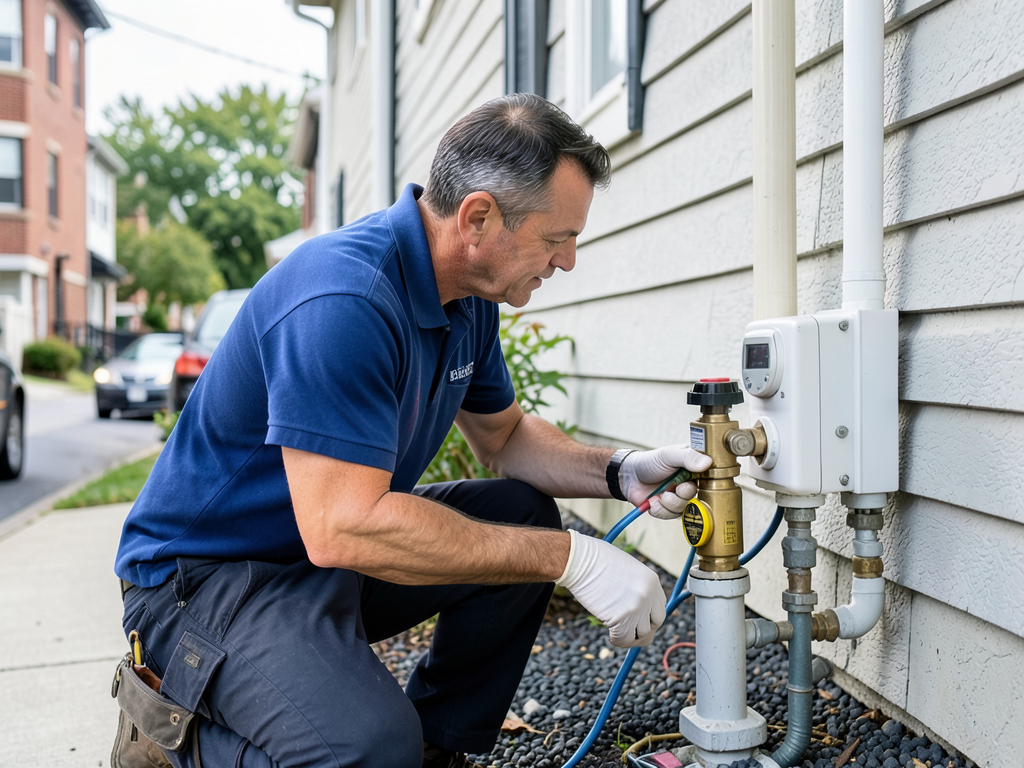
The mechanism is simple but effective. The valve mounts between your gas meter and the house. When it trips, you cannot smell gas or see flames start. The valve activates in less than two seconds after shaking begins. This speed prevents gas from escaping into your home or yard where a spark could ignite it. After the earthquake, you need professional service to restore gas service safely.
Types of Seismic Valves for Seattle Homes
Two main types protect Seattle homes. The Little Giant valve mounts horizontally and works well for standard installations. The Koso Evolution valve mounts vertically and fits tight spaces. Both meet ASCE 25-06 standards for earthquake-actuated fuel gas shutoff devices. ASCE 25-06 seismic valve standards.
Little Giant valves have been protecting Pacific Northwest homes since the 1980s. They feature a stainless steel ball bearing and brass body that resist corrosion. The Koso Evolution uses a different design with a spring-loaded mechanism that some installers prefer for certain configurations. Your plumber will recommend the best option based on your gas meter location and pipe layout. How to Get an Emergency Plumber in West Seattle After Hours.
Seattle Building Codes and Permit Requirements
Seattle Department of Construction and Inspections (SDCI) requires permits for seismic valve installations. The Seattle Fuel Gas Code follows International Fuel Gas Code standards with local amendments. ASCE 25-06 compliance is mandatory for all earthquake-actuated gas shutoff devices installed in Seattle.
Installation must maintain proper clearance from the gas meter per Puget Sound Energy requirements. Typically, valves install within 3 feet of the meter on the house side. The permit process includes gas line inspection, pressure testing, and final approval from the city inspector. This ensures your valve meets all safety standards and works correctly when needed.
The Installation Process Step by Step
Professional installation takes 2-4 hours for most Seattle homes. First, the technician shuts off your gas supply at the meter. They then inspect existing gas lines for corrosion or damage. Next, they mount the valve using proper brackets and fittings.
After mounting, they connect the valve to your gas line using approved materials. The technician pressure tests the entire system to check for leaks. They then coordinate with SDCI for the required inspection. Once approved, they restore your gas service and test all appliances. Finally, they provide you with documentation showing the valve meets all codes.
Cost Factors and Insurance Benefits
Installation costs in King County range from $800 to $1,500 depending on your home’s configuration. Factors affecting price include valve type, gas line accessibility, and permit fees. Older homes with galvanized pipes may need additional work to meet current codes.
Many Seattle-area insurance companies offer premium discounts of 5-15% for homes with seismic shut-off valves. Some policies also waive deductibles for earthquake damage if you have proper safety equipment installed. Check with your insurance provider about specific discounts available in Washington state.
Emergency Preparedness and Maintenance
Seismic valves require minimal maintenance but need annual visual inspections. Check for corrosion, loose fittings, or signs of tampering. Test the manual reset function yearly by turning the valve off and back on. Keep the valve accessible and clear of debris.
After an earthquake, do not attempt to reset the valve yourself. Gas leaks can be deadly. Call a licensed plumber to inspect your system and restore service. They will check for damage, pressure test the lines, and relight appliances safely. This service typically costs $150-300.
Frequently Asked Questions
Will the valve trip if I drop something heavy near it?
No. Seismic valves only activate during earthquake-level shaking of 5.0 magnitude or greater. Normal household vibrations or impacts will not trigger them.
How long does installation take?
Most installations complete in 2-4 hours. This includes gas shutoff, installation, testing, and inspection scheduling.
Do I need to maintain the valve?
Yes, but maintenance is simple. Annual visual inspections and testing the manual reset function keep your valve ready for emergencies.
Can I install this myself?
No. Washington state law requires licensed plumbers to install gas line equipment. DIY installation is illegal and dangerous.
Will my gas company pay for this?
Generally no. The property owner bears installation costs. However, some utility rebates or insurance discounts may offset expenses.
Protecting Your Seattle Home Starts Today
Seattle’s seismic risks are real and growing. The Cascadia Subduction Zone builds pressure every year. When the next major earthquake hits, will your home be protected? A seismic shut-off valve costs less than most home repairs and could save your property from fire damage.
Don’t wait for the ground to shake. Call (564) 220-5552 today to schedule your seismic valve installation. Our licensed Seattle plumbers understand local codes and have installed hundreds of these life-saving devices throughout King County. We handle everything from permits to final inspection, giving you peace of mind when the earth moves.
You may also find this helpful. Upgrading Your Ravenna Home with a Smart Leak Detection System.
Pick up the phone and call (564) 220-5552 before the next storm hits. Your family’s safety and your home’s protection are worth a simple phone call. Let us help you prepare for Seattle’s seismic future with professional seismic shut-off valve installation that meets all local requirements.
{
“@context”: “https://schema.org”,
“@type”: “BlogPosting”,
“headline”: “Protecting Your Property with Seismic Shut-Off Valves (What Every Seattle Homeowner Needs to Know)”,
“description”: “Learn how seismic shut-off valves protect Seattle homes from gas leaks during earthquakes. Find out installation costs, codes, and insurance benefits for Cascadia Zone safety.”,
“wordCount”: 1088,
“datePublished”: “2026-03-28T08:38:00.000Z”,
“dateModified”: “2026-03-28T08:38:00.000Z”,
“inLanguage”: “en-US”,
“mainEntityOfPage”: {
“@type”: “WebPage”,
“@id”: “https://horizonplumbingseattle.com”
},
“publisher”: {
“@type”: “LocalBusiness”,
“name”: “Horizon Plumbing Seattle”,
“url”: “https://horizonplumbingseattle.com”
},
“author”: {
“@type”: “Organization”,
“name”: “Horizon Plumbing Seattle”,
“url”: “https://horizonplumbingseattle.com”
},
“image”: {
“@type”: “ImageObject”,
“url”: “https://horizonplumbingseattle.com/wp-content/uploads/2026/03/protecting-your-property-with-seismic-shut-off-val-1.png”
}
}
{
“@context”: “https://schema.org”,
“@type”: “Plumber”,
“name”: “Horizon Plumbing Seattle”,
“url”: “https://horizonplumbingseattle.com”,
“address”: {
“@type”: “PostalAddress”,
“addressLocality”: “Seattle”
},
“areaServed”: {
“@type”: “City”,
“name”: “Seattle”
}
}
{
“@context”: “https://schema.org”,
“@type”: “FAQPage”,
“mainEntity”: [
{
“@type”: “Question”,
“name”: “Will the valve trip if I drop something heavy near it?”,
“acceptedAnswer”: {
“@type”: “Answer”,
“text”: “No. Seismic valves only activate during earthquake-level shaking of 5.0 magnitude or greater. Normal household vibrations or impacts will not trigger them.”
}
},
{
“@type”: “Question”,
“name”: “How long does installation take?”,
“acceptedAnswer”: {
“@type”: “Answer”,
“text”: “Most installations complete in 2-4 hours. This includes gas shutoff, installation, testing, and inspection scheduling.”
}
},
{
“@type”: “Question”,
“name”: “Do I need to maintain the valve?”,
“acceptedAnswer”: {
“@type”: “Answer”,
“text”: “Yes, but maintenance is simple. Annual visual inspections and testing the manual reset function keep your valve ready for emergencies.”
}
},
{
“@type”: “Question”,
“name”: “Can I install this myself?”,
“acceptedAnswer”: {
“@type”: “Answer”,
“text”: “No. Washington state law requires licensed plumbers to install gas line equipment. DIY installation is illegal and dangerous.”
}
},
{
“@type”: “Question”,
“name”: “Will my gas company pay for this?”,
“acceptedAnswer”: {
“@type”: “Answer”,
“text”: “Generally no. The property owner bears installation costs. However, some utility rebates or insurance discounts may offset expenses.”
}
}
]
}
{
“@context”: “https://schema.org”,
“@type”: “BreadcrumbList”,
“itemListElement”: [
{
“@type”: “ListItem”,
“position”: 1,
“name”: “Home”,
“item”: “https://horizonplumbingseattle.com”
},
{
“@type”: “ListItem”,
“position”: 2,
“name”: “Blog”,
“item”: “https://horizonplumbingseattle.com/blog”
},
{
“@type”: “ListItem”,
“position”: 3,
“name”: “Protecting Your Property with Seismic Shut-Off Valves (What Every Seattle Homeowner Needs to Know)”
}
]
}
{
“@context”: “https://schema.org”,
“@type”: “Service”,
“serviceType”: “Plumbing”,
“provider”: {
“@type”: “LocalBusiness”,
“name”: “Horizon Plumbing Seattle”,
“url”: “https://horizonplumbingseattle.com”
},
“areaServed”: {
“@type”: “City”,
“name”: “Seattle”
},
“description”: “Learn how seismic shut-off valves protect Seattle homes from gas leaks during earthquakes. Find out installation costs, codes, and insurance benefits for Cascadia Zone safety.”
}