
Planning for a Sustainable Rainwater Collection System for Your West Seattle Garden
Installing a rainwater collection system in West Seattle makes perfect sense given our 37 inches of annual rainfall and growing interest in sustainable living. The Pacific Northwest’s climate creates ideal conditions for harvesting rainwater to irrigate gardens, reduce stormwater runoff, and lower municipal water bills. However, successful implementation requires understanding local regulations, proper system design, and professional installation to ensure compliance with Seattle Public Utilities and King County codes. King County RainWise Rebate Program.
Why Rainwater Harvesting is Essential for Seattle Homeowners
Seattle’s clay-heavy soil and hilly terrain create unique drainage challenges that rainwater harvesting can help solve. The glacial till beneath much of West Seattle causes poor absorption, leading to runoff that overwhelms storm drains during heavy rains. By capturing water from your roof before it hits saturated ground, you reduce erosion on your property and help prevent combined sewer overflows that affect local waterways like Puget Sound. Trenchless Sewer Repair Options for Historic Capitol Hill Homes.
Beyond environmental benefits, harvested rainwater provides chemical-free irrigation for vegetable gardens and ornamental plants. Unlike treated municipal water, rainwater lacks chlorine and fluoride that can harm beneficial soil microbes. The soft water also prevents mineral buildup in drip irrigation systems, extending their lifespan and reducing maintenance needs.
Legal Requirements and Permitting in King County
Washington State Department of Ecology clarified in 2009 that homeowners have the right to collect rainwater from rooftops without a water right permit, making Seattle one of the most progressive cities for residential harvesting. However, systems must comply with King County Public Health plumbing codes and Seattle Department of Construction and Inspections (SDCI) regulations. Washington State Department of Ecology Rainwater Policy.
For systems under 5,000 gallons used solely for irrigation, you need a plumbing permit but not a building permit. Larger systems or those connected to indoor plumbing require both permits. The Uniform Plumbing Code (UPC) adopted by Washington State mandates specific backflow prevention devices to prevent contamination of municipal water supplies when systems include automatic crossover to city water during dry periods. Plumbing Bothell.
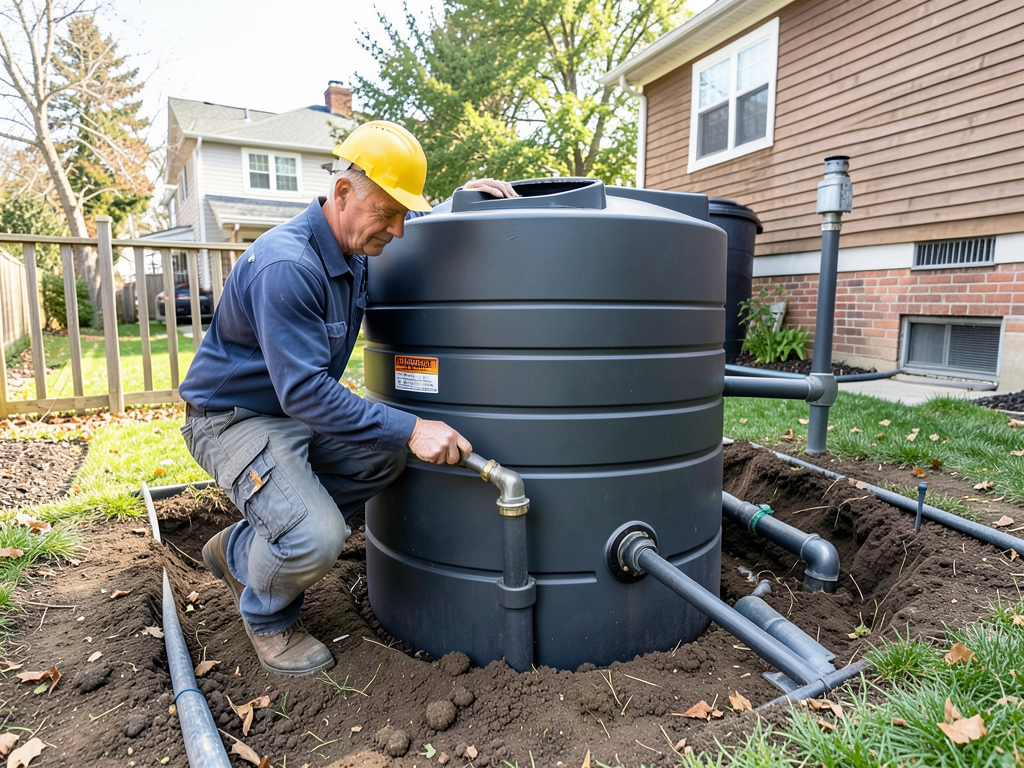
A licensed plumber must install an atmospheric vacuum breaker or reduced pressure principle backflow preventer on all potable rainwater systems. These devices prevent contaminated water from flowing backward into your home’s drinking water supply during pressure drops or system failures. How to Get an Emergency Plumber in West Seattle After Hours.
Components of a Professional Seattle Rainwater System
Cisterns and Storage Tanks
Choosing the right storage capacity depends on your roof size, garden water needs, and available space. A typical Seattle home with a 2,000 square foot roof can collect approximately 23,000 gallons annually. For a medium-sized vegetable garden requiring 1,500 gallons during peak summer months, a 1,000 to 1,500 gallon tank provides adequate buffer while fitting in most side yards.
Above-ground polyethylene tanks cost $0.50 to $1.50 per gallon installed, while underground concrete cisterns run $2 to $4 per gallon but offer better freeze protection and aesthetic benefits. The King County RainWise program offers rebates up to $4,500 for eligible homeowners in targeted basins who install cisterns that manage roof runoff.
Filtration and UV Sterilization
Professional rainwater systems require multiple filtration stages to remove debris and ensure water quality. First-flush diverters automatically discard the initial roof runoff containing dust, pollen, and bird droppings. This simple device improves water quality significantly without ongoing maintenance costs.
For potable systems, UV sterilization provides chemical-free disinfection that kills bacteria, viruses, and protozoa. The system requires annual UV lamp replacement and quartz sleeve cleaning. Sediment filters with 5-micron rating protect the UV system and extend lamp life by removing particles that could shield microorganisms from UV exposure.
Integrated Plumbing and Backup Connections
Connecting rainwater to your existing irrigation system requires a pump capable of matching municipal water pressure. A 1/2 HP submersible pump handles most residential garden needs, delivering 10-15 gallons per minute at 30-40 PSI. The pump should include a pressure switch that activates automatically when irrigation valves open.
Systems that feed toilets or washing machines need a larger pressure tank to maintain consistent flow and reduce pump cycling. A 20-gallon diaphragm tank provides adequate storage for most household applications. The plumbing connection must include a three-way valve that switches between rainwater and municipal supply when the cistern runs dry. Plumbing Burien.
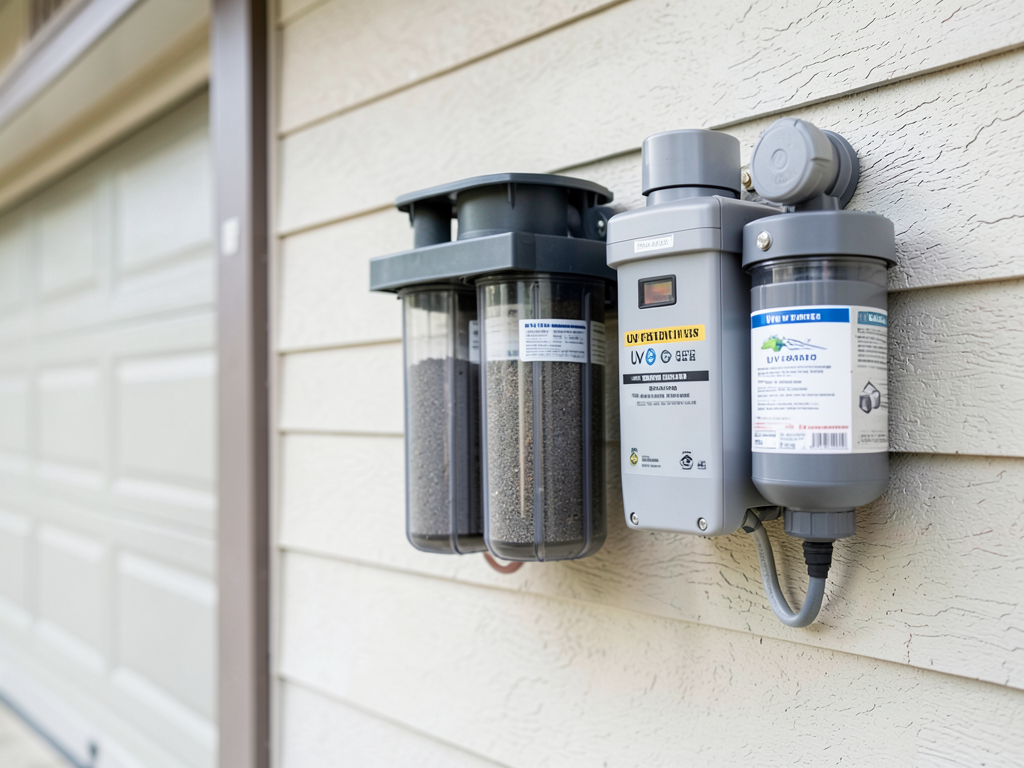
Professional installation includes proper pipe sizing using type K copper or schedule 40 PVC for outdoor applications. All buried piping must be protected from UV degradation and physical damage, with cleanouts installed at direction changes for maintenance access.
Rainwater Harvesting for Irrigation vs. Indoor Use
Outdoor irrigation represents the simplest and most cost-effective application for rainwater harvesting. Drip irrigation systems work perfectly with harvested water, delivering precise amounts directly to plant roots while minimizing evaporation. The lack of chlorine and fluoride actually benefits many plants, particularly acid-loving varieties common in Northwest gardens.
Indoor non-potable uses like toilet flushing and clothes washing require additional treatment and more complex plumbing. These applications need complete separation from potable water lines using air gaps or reduced pressure principle assemblies. The Washington State Department of Health mandates specific labeling requirements for all non-potable pipes using purple color coding and “CAUTION: RECLAIMED WATER DO NOT DRINK” markings.
Potable rainwater systems represent the highest complexity and cost, requiring advanced filtration, UV sterilization, and regular water quality testing. While technically feasible in Seattle, most homeowners find the expense and maintenance requirements outweigh the benefits compared to municipal water quality and reliability.
Estimated Costs and ROI for Seattle Residents
A basic irrigation-only system with 500-gallon tank, pump, and filtration costs $3,000 to $5,000 installed. This setup typically saves $100 to $200 annually on water bills while providing environmental benefits. The payback period extends to 15-25 years without rebates.
Medium systems with 1,000 to 2,000 gallon capacity and basic filtration range from $5,000 to $8,000. These systems serve most residential garden needs and qualify for RainWise rebates in eligible areas. With rebates applied, the net cost drops to $2,000 to $4,000, improving the ROI significantly.
Comprehensive systems with potable capabilities cost $10,000 to $20,000 and require ongoing maintenance including filter replacements ($100 to $300 annually) and UV lamp changes ($80 to $120 annually). These systems make economic sense primarily for off-grid properties or areas with extremely high water costs.
The true value often lies in stormwater management rather than direct cost savings. Properties in combined sewer overflow basins may see indirect benefits through reduced flood risk and potential insurance premium reductions.
Maintenance Requirements for the PNW Climate
Seattle’s wet winters and dry summers create specific maintenance needs for rainwater systems. Fall maintenance requires cleaning gutters and downspouts to remove accumulated conifer needles and deciduous leaves that can clog first-flush diverters. This seasonal cleaning prevents organic matter from decomposing in the cistern and affecting water quality.
Winter preparation includes checking for proper tank overflow function and ensuring drainage paths remain clear. While freezing rarely affects above-ground tanks in Seattle’s mild climate, exposed pipes should be insulated or drained if temperatures drop below 25°F for extended periods.
Summer maintenance focuses on pump and filter inspection. Sediment filters may need more frequent replacement during heavy use periods, and UV systems require regular cleaning to maintain effectiveness. Professional inspection every two years ensures all components function properly and identifies potential issues before system failure.
Choosing a Licensed Seattle Rainwater Specialist
Selecting the right contractor makes the difference between a system that works flawlessly for decades and one that requires constant repairs. Look for plumbers with specific rainwater harvesting experience, ARCSA (American Rainwater Catchment Systems Association) certification, and familiarity with Seattle’s permitting process.
Ask potential contractors about their experience with local soil conditions, specifically how they handle the clay content common in West Seattle that affects drainage and foundation considerations. Request references from recent installations in neighborhoods with similar architectural styles to your home.
Professional installers should provide detailed system designs showing pipe routing, backflow prevention device locations, and electrical requirements. They must pull all necessary permits and coordinate inspections with Seattle Public Utilities and King County Health Department. The best contractors offer maintenance agreements to ensure long-term system performance.
Call (564) 220-5552 today to schedule your inspection. Our licensed plumbers have installed dozens of rainwater systems throughout West Seattle and understand the unique challenges of our local climate and soil conditions. We handle everything from design through final inspection, ensuring your system meets all code requirements while maximizing your water harvesting potential.
Frequently Asked Questions
Is rainwater harvesting legal in Seattle?
Yes, Washington State Department of Ecology confirmed homeowners’ rights to collect rainwater from rooftops in 2009. Seattle and King County allow residential systems with proper permits, though potable systems require additional treatment and more stringent permitting.
How much rainwater can I collect from my roof?
A 1,000 square foot roof collects approximately 600 gallons from one inch of rainfall. With Seattle’s average 37 inches annually, that same roof could theoretically collect 22,200 gallons, though practical collection rates are lower due to evaporation and system inefficiencies.
What size tank do I need for my garden?
Calculate your peak summer irrigation needs in gallons, then add 25% buffer. Most Seattle vegetable gardens require 1,000 to 2,000 gallons during July and August. A 1,500 gallon tank typically provides adequate storage while fitting in standard side yards.
Do I need a permit for a rainwater system?
Systems under 5,000 gallons used only for irrigation require a plumbing permit. Larger systems or those connected to indoor plumbing need both plumbing and building permits. All systems must comply with UPC backflow prevention requirements.
How much does professional installation cost?
Irrigation-only systems cost $3,000 to $5,000, medium systems with 1,000+ gallons run $5,000 to $8,000, and comprehensive potable systems cost $10,000 to $20,000. RainWise rebates can reduce costs by up to $4,500 in eligible areas.
Pick up the phone and call (564) 220-5552 before the next storm hits. Our team can assess your property’s rainwater potential and design a system that meets your needs while complying with all local codes. Don’t wait until summer water restrictions begin to start planning your sustainable irrigation solution.
You may also find this helpful. How to Prepare Your Admiral District Home for a Winter Sprinkler Blowout.
You may also find this helpful. Upgrading Your Fauntleroy Home with Frost-Proof Outdoor Spigots.
{
“@context”: “https://schema.org”,
“@type”: “BlogPosting”,
“headline”: “Planning for a Sustainable Rainwater Collection System for Your West Seattle Garden”,
“description”: “Learn how to design and install a professional rainwater harvesting system for your West Seattle garden. Discover local codes, costs, and expert installation from Horizon Plumbing.”,
“wordCount”: 1688,
“datePublished”: “2026-04-05T11:36:00.000Z”,
“dateModified”: “2026-04-05T11:36:00.000Z”,
“inLanguage”: “en-US”,
“mainEntityOfPage”: {
“@type”: “WebPage”,
“@id”: “https://horizonplumbingseattle.com”
},
“publisher”: {
“@type”: “LocalBusiness”,
“name”: “Horizon Plumbing Seattle”,
“url”: “https://horizonplumbingseattle.com”
},
“author”: {
“@type”: “Organization”,
“name”: “Horizon Plumbing Seattle”,
“url”: “https://horizonplumbingseattle.com”
},
“image”: {
“@type”: “ImageObject”,
“url”: “https://horizonplumbingseattle.com/wp-content/uploads/2026/03/planning-for-a-sustainable-rainwater-collection-sy-1.png”
}
}
{
“@context”: “https://schema.org”,
“@type”: “Plumber”,
“name”: “Horizon Plumbing Seattle”,
“url”: “https://horizonplumbingseattle.com”,
“address”: {
“@type”: “PostalAddress”,
“addressLocality”: “Seattle”
},
“areaServed”: {
“@type”: “City”,
“name”: “Seattle”
}
}
{
“@context”: “https://schema.org”,
“@type”: “FAQPage”,
“mainEntity”: [
{
“@type”: “Question”,
“name”: “Is rainwater harvesting legal in Seattle?”,
“acceptedAnswer”: {
“@type”: “Answer”,
“text”: “Yes, Washington State Department of Ecology confirmed homeowners’ rights to collect rainwater from rooftops in 2009. Seattle and King County allow residential systems with proper permits, though potable systems require additional treatment and more stringent permitting.”
}
},
{
“@type”: “Question”,
“name”: “How much rainwater can I collect from my roof?”,
“acceptedAnswer”: {
“@type”: “Answer”,
“text”: “A 1,000 square foot roof collects approximately 600 gallons from one inch of rainfall. With Seattle’s average 37 inches annually, that same roof could theoretically collect 22,200 gallons, though practical collection rates are lower due to evaporation and system inefficiencies.”
}
},
{
“@type”: “Question”,
“name”: “What size tank do I need for my garden?”,
“acceptedAnswer”: {
“@type”: “Answer”,
“text”: “Calculate your peak summer irrigation needs in gallons, then add 25% buffer. Most Seattle vegetable gardens require 1,000 to 2,000 gallons during July and August. A 1,500 gallon tank typically provides adequate storage while fitting in standard side yards.”
}
},
{
“@type”: “Question”,
“name”: “Do I need a permit for a rainwater system?”,
“acceptedAnswer”: {
“@type”: “Answer”,
“text”: “Systems under 5,000 gallons used only for irrigation require a plumbing permit. Larger systems or those connected to indoor plumbing need both plumbing and building permits. All systems must comply with UPC backflow prevention requirements.”
}
},
{
“@type”: “Question”,
“name”: “How much does professional installation cost?”,
“acceptedAnswer”: {
“@type”: “Answer”,
“text”: “Irrigation-only systems cost $3,000 to $5,000, medium systems with 1,000+ gallons run $5,000 to $8,000, and comprehensive potable systems cost $10,000 to $20,000. RainWise rebates can reduce costs by up to $4,500 in eligible areas.”
}
}
]
}
{
“@context”: “https://schema.org”,
“@type”: “BreadcrumbList”,
“itemListElement”: [
{
“@type”: “ListItem”,
“position”: 1,
“name”: “Home”,
“item”: “https://horizonplumbingseattle.com”
},
{
“@type”: “ListItem”,
“position”: 2,
“name”: “Blog”,
“item”: “https://horizonplumbingseattle.com/blog”
},
{
“@type”: “ListItem”,
“position”: 3,
“name”: “Planning for a Sustainable Rainwater Collection System for Your West Seattle Garden”
}
]
}
{
“@context”: “https://schema.org”,
“@type”: “Service”,
“serviceType”: “Plumbing”,
“provider”: {
“@type”: “LocalBusiness”,
“name”: “Horizon Plumbing Seattle”,
“url”: “https://horizonplumbingseattle.com”
},
“areaServed”: {
“@type”: “City”,
“name”: “Seattle”
},
“description”: “Learn how to design and install a professional rainwater harvesting system for your West Seattle garden. Discover local codes, costs, and expert installation from Horizon Plumbing.”
}