Is Your Garbage Disposal Safe for the Septic System at Your Rural King County Property?
If you live in a rural area of King County outside Seattle’s sewer system, you might be wondering whether using a garbage disposal with your septic tank is safe. The short answer: it can be, but only if you choose the right equipment and follow proper maintenance. Many homeowners unknowingly overload their septic systems with food waste, leading to costly pump-outs and even leach field failures. King County Public Health septic system requirements.
Seattle’s King County Department of Public Health reports that improper waste disposal is a leading cause of premature septic system failure in rural properties. The good news is that modern septic-safe disposals and enzyme treatments can help your system handle food waste without disrupting the delicate bacterial balance in your tank.
Before you grind that next plate of leftovers, you need to understand how your septic system works and what makes a disposal truly “septic-safe.” Let’s break down everything you need to know to protect your investment and avoid expensive repairs.
How Septic Systems Handle Food Waste
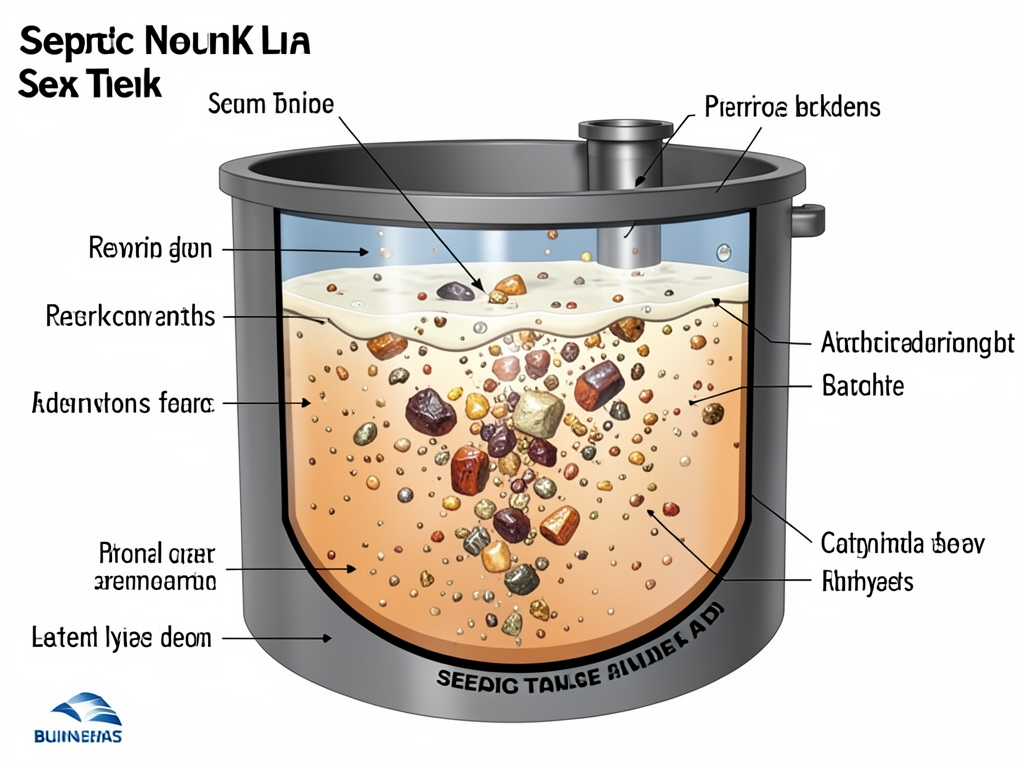
Traditional septic tanks rely on anaerobic bacteria to break down solid waste. When you add a standard garbage disposal, you’re introducing ground food particles that can overwhelm these bacteria. Unlike human waste, food scraps often contain fats, oils, and fibrous materials that bacteria struggle to digest.
The Washington State Department of Health estimates that a typical household with a garbage disposal generates 50% more solid waste in their septic tank compared to one without. This extra load means more frequent pumping—often every 1-2 years instead of the standard 3-5 years. Washington State Department of Health septic guidelines.
Food waste also affects the tank’s scum layer. When fats and oils accumulate faster than bacteria can break them down, they form a thick layer that reduces tank capacity and can eventually clog your leach field. This is especially problematic in King County’s clay-heavy soils, which already drain more slowly than sandy soils.
What Makes a Disposal “Septic-Safe”?
Septic-safe garbage disposals aren’t just marketing gimmicks. They incorporate specific technologies designed to protect your septic system. The most important feature is multi-stage grinding, which breaks food waste into particles smaller than 2mm. These tiny particles settle more easily and are more accessible to bacteria.
Another critical feature is integrated enzyme injection. Models like the InSinkErator Evolution Septic Assist include a cartridge that automatically releases enzymes each time you use the disposal. These enzymes help break down food particles before they reach your septic tank, giving bacteria a head start on digestion.
Motor power matters too. A 3/4 horsepower motor provides enough torque to grind tough items without jamming, while a 1/2 horsepower motor might struggle and leave larger particles. However, more power isn’t always better—you want efficient grinding, not brute force that creates larger chunks.
Top Septic-Safe Disposal Models for King County Homes
When selecting a disposal for your rural King County property, consider these factors: your household size, typical food waste volume, and local soil conditions. Here’s a comparison of top models:
| Model | Horsepower | Grinding Stages | Noise Level (dB) | Enzyme System |
|---|---|---|---|---|
| InSinkErator Evolution Septic Assist | 3/4 HP | 2-stage | 52 | Yes |
| Moen GXS75C GX Series | 3/4 HP | 3-stage | 50 | No |
| Waste King L-2600 | 1/2 HP | 1-stage | 58 | No |
| InSinkErator Evolution Excel | 1 HP | 3-stage | 45 | No |
The Evolution Septic Assist stands out for King County properties because it combines powerful grinding with enzyme treatment. The enzymes are specifically formulated to work in the Pacific Northwest’s cooler groundwater temperatures, which can slow bacterial activity in standard systems.
For smaller households generating less food waste, the Moen GX Series offers excellent grinding performance without the enzyme system. However, you’ll need to be more diligent about septic maintenance and enzyme additives.
King County Septic Regulations You Need to Know
King County Public Health requires all septic systems to be inspected every three years for conventional gravity systems, or annually for other system types. Adding a garbage disposal doesn’t change these requirements, but it does affect your system’s health.
According to King County Code Section 13.10.040, homeowners must maintain their septic systems to prevent contamination of groundwater and surface water. This means your disposal use must not create conditions that could lead to system failure or environmental contamination.
The county also recommends specific maintenance schedules based on household size and water usage. A family of four using a garbage disposal might need pumping every 18-24 months, while a similar household without a disposal might extend that to 36-48 months.
Foods That Harm Your Septic System
Even with a septic-safe disposal, certain foods should never go down your drain. Coffee grounds, for example, don’t break down in septic tanks and can create a sludgy layer that reduces tank capacity. Egg shells can also accumulate and create similar problems.
Fats, oils, and grease (FOG) are particularly dangerous. When these cool in your pipes or tank, they solidify and create blockages. FOG can also coat the beneficial bacteria in your tank, reducing their effectiveness at breaking down waste.
Fibrous vegetables like celery, corn husks, and onion skins can wrap around disposal blades and create jams. In a septic system, these fibers can also mat together in the tank, creating areas where bacteria can’t reach the waste.
Professional Installation Benefits
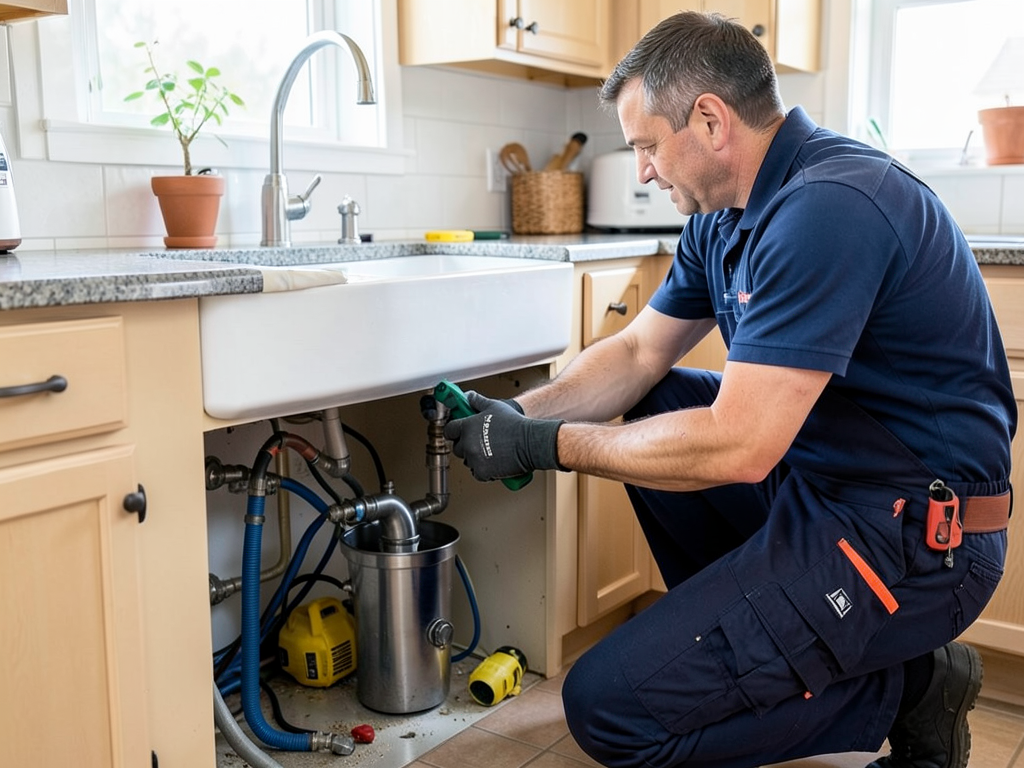
Installing a garbage disposal in a home with a septic system isn’t as simple as swapping out the old unit. A professional plumber will assess your current system’s capacity, check for proper venting, and ensure the disposal is correctly sized for your household. How to Get an Emergency Plumber in West Seattle After Hours.
Professional installation also includes proper electrical connections and plumbing modifications. DIY installations often miss critical details like anti-siphon devices or proper trap configurations, which can lead to sewer gases entering your home. Trenchless Sewer Repair Options for Historic Capitol Hill Homes.
According to the Washington State Department of Health, improper installation of food waste systems is a common violation found during septic inspections. These violations can result in fines and mandatory corrections, making professional installation a smart investment.
Maintenance Schedule for Septic-Safe Disposal Users
If you use a garbage disposal with your septic system, you’ll need to adjust your maintenance routine. Start by adding septic-safe enzyme treatments monthly, even if your disposal has an automatic system. These treatments help maintain bacterial populations that might be stressed by increased food waste.
Monitor your drain field for signs of trouble. If you notice wet spots, sewage odors, or unusually green grass over the drain field, these could indicate your system is struggling to process the additional waste load.
Consider installing a septic tank filter if you don’t already have one. These filters catch solids before they reach the drain field, providing an extra layer of protection for your system.
Cost-Benefit Analysis: Disposal vs. Traditional Waste
Using a garbage disposal with a septic system does increase maintenance costs, but many homeowners find the convenience worth it. The average cost of pumping a septic tank in King County ranges from $300 to $500, and with a disposal, you might need this service 1-2 times more frequently.
However, compare this to the cost of managing food waste without a disposal. You’ll need to handle more kitchen scraps, deal with potential fruit fly issues, and manage the odor from compost bins or trash cans.
The real cost savings come from preventing major system failures. A failed leach field can cost $5,000 to $20,000 to replace, while proper maintenance with a septic-safe disposal might add only $200 to $400 annually to your septic care costs.
Environmental Impact Considerations
King County’s environmental regulations emphasize protecting local waterways from contamination. When your septic system works properly, it treats wastewater before it reaches groundwater. However, an overloaded system can release untreated waste into the environment.
Food waste in septic systems can increase nitrogen levels in effluent, which can harm aquatic ecosystems if it reaches nearby streams or lakes. This is particularly concerning in King County, where many rural properties are near sensitive watersheds.
Using a septic-safe disposal with proper enzyme treatment actually reduces environmental impact compared to traditional disposals. The pre-treatment of food waste means your septic system can process it more effectively, resulting in cleaner effluent.
Emergency Signs Your System Needs Help
Even with a septic-safe disposal, you need to watch for warning signs that your system is struggling. Slow drains throughout your home often indicate a full tank or clogged drain field. Gurgling sounds from your plumbing can signal trapped air from partial blockages. Plumbing Bothell.
Unpleasant odors around your drain field or inside your home are red flags that shouldn’t be ignored. These smells often indicate that your system isn’t properly processing waste and may be releasing gases.
If you notice sewage backing up into your home, you have an emergency situation that requires immediate professional attention. This typically means your tank is completely full or your drain field has failed.
Making the Right Choice for Your Home
The decision to use a garbage disposal with a septic system ultimately depends on your household’s needs and your willingness to maintain the system properly. If you generate a lot of food waste and value the convenience of a disposal, investing in a septic-safe model with proper maintenance is worthwhile.
However, if your household is small and you don’t mind composting or traditional waste disposal, you might avoid the additional maintenance costs and complexity of a septic-safe system.
Remember that King County’s rural properties have varying soil conditions, water tables, and system designs. What works for your neighbor might not be ideal for your specific situation. A professional assessment can help you make the best choice.
Professional Services in King County
Whether you need installation, maintenance, or emergency repairs, working with a local professional who understands King County’s specific requirements is crucial. They can ensure your system meets all local codes and operates efficiently with your chosen disposal setup.
Professional plumbers in King County stay current with local regulations and environmental requirements. They can also provide valuable advice on optimizing your system’s performance based on your specific property characteristics.
Don’t wait until you have a problem to seek professional help. Regular inspections and maintenance can prevent costly emergencies and extend the life of your septic system.
Frequently Asked Questions
Can I use any garbage disposal with my septic system?
No, standard disposals can overwhelm septic systems with food waste that bacteria can’t process efficiently. You need a septic-safe model with features like multi-stage grinding and enzyme treatment to protect your system.
How often should I pump my septic tank if I use a disposal?
With a septic-safe disposal, you’ll likely need pumping every 18-24 months instead of the standard 36-48 months. However, this varies based on household size, water usage, and the specific disposal model you choose.
Are septic-safe disposals more expensive to operate?
While the initial cost is higher (typically $300-$500 vs. $100-$200 for standard models), the annual operating costs are similar. The main difference is maintenance frequency, which may increase by $100-$200 per year for pumping.
What foods should I never put down a septic-safe disposal?
Avoid coffee grounds, egg shells, fibrous vegetables (celery, corn husks), fats, oils, and grease. These items can create problems in your septic tank regardless of the disposal type you use.
Can I install a garbage disposal myself if I have a septic system?
While DIY installation is possible, professional installation ensures proper sizing, electrical connections, and compliance with King County regulations. Improper installation can lead to system failures and code violations.
How do I know if my septic system is struggling from disposal use?
Watch for slow drains, gurgling sounds, sewage odors, or wet spots in your drain field. These symptoms indicate your system may be overwhelmed and needs professional attention.
Does King County offer any incentives for septic system upgrades?
King County occasionally offers cost-sharing programs for septic system repairs and upgrades that protect water quality. Check with King County Public Health for current programs and eligibility requirements.
What’s the difference between aerobic and anaerobic septic systems?
Aerobic systems use oxygen-loving bacteria that process waste more quickly but require electricity and more maintenance. Anaerobic systems are simpler and more common in rural King County, relying on bacteria that work without oxygen.
Can I use a garbage disposal with an aerobic septic system?
Yes, but you’ll need a disposal compatible with aerobic systems. These typically have different enzyme formulations since aerobic bacteria process waste differently than anaerobic bacteria.
How long do septic-safe disposals typically last?
With proper maintenance, septic-safe disposals typically last 8-12 years. The enzyme cartridges need replacement every 4-6 months, and the grinding components may need servicing every few years depending on usage.
Call (564) 220-5552 today to schedule your inspection and ensure your garbage disposal is safe for your septic system.
You may also find this helpful. How to Stop Sewer Gas from Bubbling Up in Your Lower Queen Anne Basement.
{
“@context”: “https://schema.org”,
“@type”: “BlogPosting”,
“headline”: “Is Your Garbage Disposal Safe for the Septic System at Your Rural King County Property?”,
“description”: “Wondering if your garbage disposal works with your septic system? Learn King County septic guidelines, safe disposal models, and maintenance tips from a Seattle plumber.”,
“wordCount”: 2145,
“datePublished”: “2026-04-15T09:22:00.000Z”,
“dateModified”: “2026-04-15T09:22:00.000Z”,
“inLanguage”: “en-US”,
“mainEntityOfPage”: {
“@type”: “WebPage”,
“@id”: “https://horizonplumbingseattle.com”
},
“publisher”: {
“@type”: “LocalBusiness”,
“name”: “Horizon Plumbing Seattle”,
“url”: “https://horizonplumbingseattle.com”
},
“author”: {
“@type”: “Organization”,
“name”: “Horizon Plumbing Seattle”,
“url”: “https://horizonplumbingseattle.com”
},
“image”: {
“@type”: “ImageObject”,
“url”: “https://horizonplumbingseattle.com/wp-content/uploads/2026/03/is-your-garbage-disposal-safe-for-the-septic-syste-1.png”
}
}
{
“@context”: “https://schema.org”,
“@type”: “Plumber”,
“name”: “Horizon Plumbing Seattle”,
“url”: “https://horizonplumbingseattle.com”,
“address”: {
“@type”: “PostalAddress”,
“addressLocality”: “Seattle”
},
“areaServed”: {
“@type”: “City”,
“name”: “Seattle”
}
}
{
“@context”: “https://schema.org”,
“@type”: “FAQPage”,
“mainEntity”: [
{
“@type”: “Question”,
“name”: “What Makes a Disposal \”Septic-Safe\”?”,
“acceptedAnswer”: {
“@type”: “Answer”,
“text”: “Septic-safe garbage disposals aren’t just marketing gimmicks. They incorporate specific technologies designed to protect your septic system. The most important feature is multi-stage grinding, which breaks food waste into particles smaller than 2mm. These tiny particles settle more easily and are more accessible to bacteria.”
}
},
{
“@type”: “Question”,
“name”: “Can I use any garbage disposal with my septic system?”,
“acceptedAnswer”: {
“@type”: “Answer”,
“text”: “No, standard disposals can overwhelm septic systems with food waste that bacteria can’t process efficiently. You need a septic-safe model with features like multi-stage grinding and enzyme treatment to protect your system.”
}
},
{
“@type”: “Question”,
“name”: “How often should I pump my septic tank if I use a disposal?”,
“acceptedAnswer”: {
“@type”: “Answer”,
“text”: “With a septic-safe disposal, you’ll likely need pumping every 18-24 months instead of the standard 36-48 months. However, this varies based on household size, water usage, and the specific disposal model you choose.”
}
},
{
“@type”: “Question”,
“name”: “Are septic-safe disposals more expensive to operate?”,
“acceptedAnswer”: {
“@type”: “Answer”,
“text”: “While the initial cost is higher (typically $300-$500 vs. $100-$200 for standard models), the annual operating costs are similar. The main difference is maintenance frequency, which may increase by $100-$200 per year for pumping.”
}
},
{
“@type”: “Question”,
“name”: “What foods should I never put down a septic-safe disposal?”,
“acceptedAnswer”: {
“@type”: “Answer”,
“text”: “Avoid coffee grounds, egg shells, fibrous vegetables (celery, corn husks), fats, oils, and grease. These items can create problems in your septic tank regardless of the disposal type you use.”
}
},
{
“@type”: “Question”,
“name”: “Can I install a garbage disposal myself if I have a septic system?”,
“acceptedAnswer”: {
“@type”: “Answer”,
“text”: “While DIY installation is possible, professional installation ensures proper sizing, electrical connections, and compliance with King County regulations. Improper installation can lead to system failures and code violations.”
}
},
{
“@type”: “Question”,
“name”: “How do I know if my septic system is struggling from disposal use?”,
“acceptedAnswer”: {
“@type”: “Answer”,
“text”: “Watch for slow drains, gurgling sounds, sewage odors, or wet spots in your drain field. These symptoms indicate your system may be overwhelmed and needs professional attention.”
}
},
{
“@type”: “Question”,
“name”: “Does King County offer any incentives for septic system upgrades?”,
“acceptedAnswer”: {
“@type”: “Answer”,
“text”: “King County occasionally offers cost-sharing programs for septic system repairs and upgrades that protect water quality. Check with King County Public Health for current programs and eligibility requirements.”
}
},
{
“@type”: “Question”,
“name”: “What’s the difference between aerobic and anaerobic septic systems?”,
“acceptedAnswer”: {
“@type”: “Answer”,
“text”: “Aerobic systems use oxygen-loving bacteria that process waste more quickly but require electricity and more maintenance. Anaerobic systems are simpler and more common in rural King County, relying on bacteria that work without oxygen.”
}
},
{
“@type”: “Question”,
“name”: “Can I use a garbage disposal with an aerobic septic system?”,
“acceptedAnswer”: {
“@type”: “Answer”,
“text”: “Yes, but you’ll need a disposal compatible with aerobic systems. These typically have different enzyme formulations since aerobic bacteria process waste differently than anaerobic bacteria.”
}
},
{
“@type”: “Question”,
“name”: “How long do septic-safe disposals typically last?”,
“acceptedAnswer”: {
“@type”: “Answer”,
“text”: “With proper maintenance, septic-safe disposals typically last 8-12 years. The enzyme cartridges need replacement every 4-6 months, and the grinding components may need servicing every few years depending on usage.”
}
}
]
}
{
“@context”: “https://schema.org”,
“@type”: “BreadcrumbList”,
“itemListElement”: [
{
“@type”: “ListItem”,
“position”: 1,
“name”: “Home”,
“item”: “https://horizonplumbingseattle.com”
},
{
“@type”: “ListItem”,
“position”: 2,
“name”: “Blog”,
“item”: “https://horizonplumbingseattle.com/blog”
},
{
“@type”: “ListItem”,
“position”: 3,
“name”: “Is Your Garbage Disposal Safe for the Septic System at Your Rural King County Property?”
}
]
}
{
“@context”: “https://schema.org”,
“@type”: “Service”,
“serviceType”: “Plumbing”,
“provider”: {
“@type”: “LocalBusiness”,
“name”: “Horizon Plumbing Seattle”,
“url”: “https://horizonplumbingseattle.com”
},
“areaServed”: {
“@type”: “City”,
“name”: “Seattle”
},
“description”: “Wondering if your garbage disposal works with your septic system? Learn King County septic guidelines, safe disposal models, and maintenance tips from a Seattle plumber.”
}