How to Properly Maintain Your Tankless Water Heater in the Pacific Northwest
Your tankless water heater needs regular maintenance to deliver reliable hot water and prevent costly breakdowns. In Seattle’s climate with our specific water chemistry from the Cedar and Tolt River watersheds, proper care can extend your unit’s life by 5-8 years and maintain its energy efficiency. Seattle Public Utilities water quality.
Hard water minerals and Seattle’s moderate water hardness create scale buildup that reduces heat transfer efficiency by up to 30% within two years if left unchecked. This guide walks you through essential maintenance steps that keep your system running at peak performance while protecting your investment.
Why Tankless Water Heater Maintenance Matters in Seattle
Seattle’s water quality affects how quickly mineral deposits form inside your heat exchanger. While our water is considered moderately hard at 12-15 grains per gallon, the constant high-temperature cycling in tankless units accelerates scale formation compared to traditional tank heaters.
Scale buildup acts like insulation inside your heat exchanger, forcing the burner to work harder and longer. This increases gas consumption by 15-25% and can lead to premature heat exchanger failure. Regular maintenance prevents these issues while keeping your warranty valid since most manufacturers require annual professional service.
Neglected units often show reduced flow rates, inconsistent water temperatures, and strange noises during operation. These symptoms indicate mineral buildup that restricts water flow and creates hot spots on internal components.
Seattle Water Quality and Its Impact on Tankless Systems
Seattle Public Utilities draws water from the Cedar River and Tolt River watersheds, both protected mountain sources. While this water is naturally soft compared to groundwater systems, it still contains dissolved calcium and magnesium that concentrate during the heating process.
The moderate mineral content means Seattle homeowners should flush their systems every 12-18 months depending on usage. High-demand households using over 80 gallons daily may need more frequent maintenance, while vacation homes can extend to 24-month intervals.
Seasonal factors also play a role. During wet winter months, increased groundwater infiltration can affect water chemistry slightly, while summer months with higher usage patterns accelerate mineral deposition rates.
DIY Maintenance Tasks vs. Professional Service
Homeowners can handle basic maintenance tasks that improve system performance and extend service intervals between professional visits. However, certain procedures require specialized tools, technical knowledge, and proper safety protocols.. Read more about Choosing Between a Gas or Electric Water Heater for Your Maple Leaf Bungalow.
DIY tasks include cleaning the air intake filter, checking for error codes, and inspecting visible venting for obstructions. These simple steps take 15-20 minutes and help you identify when professional service is needed.
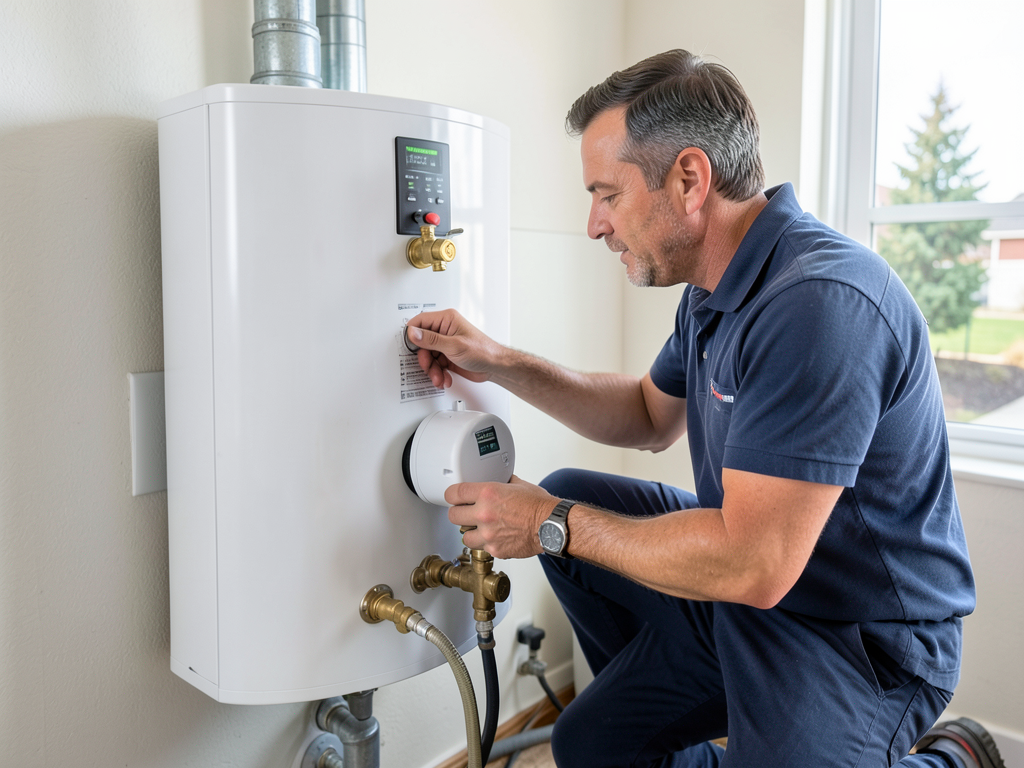
Professional maintenance involves descaling the heat exchanger, checking gas pressure, testing safety sensors, and inspecting electrical connections. These tasks require isolation valves, pump systems, and food-grade descaling solutions that most homeowners don’t own.
Essential DIY Maintenance Steps
Performing these simple tasks every three months keeps your system running efficiently between professional service visits.
- Clean the Air Intake Filter
Turn off power and gas supply. Remove the front cover and locate the air filter. Rinse under warm water until clean, then dry completely before reinstalling. A clogged filter reduces combustion efficiency by 10-15%.
- Check Venting for Obstructions
Inspect exterior vent caps for debris, bird nests, or snow buildup. Clear any obstructions that could restrict airflow. Blocked vents can cause dangerous carbon monoxide buildup.
- Monitor Error Codes
Check the digital display for any error codes. Common issues include flame failure, overheat, or flow sensor errors. Document codes before resetting to help diagnose problems.
- Test Water Temperature
Run hot water through multiple fixtures simultaneously. Note any temperature fluctuations or reduced flow rates that indicate scale buildup.
Professional Maintenance Procedures
Professional service every 12-18 months includes specialized procedures that protect your investment and ensure safe operation.
Technicians use isolation valves to create a closed loop system for descaling. They pump food-grade white vinegar or commercial descaler through the heat exchanger for 45-90 minutes, dissolving mineral deposits that restrict water flow. Reliable Commercial Plumbers for South Lake Union Businesses and Restaurants.
Gas pressure testing ensures the burner receives proper fuel delivery. Low pressure causes incomplete combustion while high pressure wastes fuel and creates safety hazards. Technicians adjust pressure to manufacturer specifications.
Sensors require calibration to maintain accurate temperature control and safety shutoffs. Flow sensors, temperature sensors, and flame sensors all need testing to prevent erratic operation or dangerous conditions.
Step-by-Step Professional Flushing Guide
This process requires specific tools and knowledge of your unit’s internal components. Always hire a licensed plumber for this service. How to Get an Emergency Plumber in West Seattle After Hours.
The technician starts by turning off power and gas, then connects isolation valves to the hot and cold water lines. These valves allow creating a closed loop without draining your entire plumbing system. Plumbing Bothell.
Next, they connect a submersible pump to the isolation valves and place it in a bucket with descaling solution. The pump circulates the solution through the heat exchanger for the recommended time based on scale severity.
After circulation, the system gets flushed with clean water to remove all descaler residue. Technicians then test operation, check for leaks, and verify proper burner function before completing service.
Common Seattle Tankless Water Heater Issues
Seattle’s specific conditions create unique challenges for tankless systems. Hard water scale remains the primary issue, but other factors affect system performance.
Condensate drainage problems occur when Seattle’s wet climate overwhelms drain lines. Proper slope and trap installation prevent backups that can damage internal components or create freezing hazards in winter.
Venting issues arise from Seattle’s high rainfall and occasional snow. Improper vent termination allows water intrusion that corrodes heat exchangers or creates dangerous combustion conditions.
Electrical connections face challenges from Seattle’s humidity levels. Moisture can cause corrosion on terminals and connections, leading to intermittent operation or complete system failure.
Cost Considerations for Seattle Homeowners
Professional maintenance typically costs $200-350 in the Seattle area, depending on your unit’s brand and accessibility. This investment prevents $800-1,500 heat exchanger replacements and extends system life by 5-8 years.
DIY maintenance kits cost $50-100 but require technical knowledge to use safely. Improper descaling can damage seals, sensors, or heat exchangers, potentially voiding your warranty.
Many Seattle homeowners find that annual service plans from local plumbers provide better value through discounted rates, priority scheduling, and comprehensive inspections that catch small problems before they become expensive repairs. EPA water heater efficiency guidelines.
Maintenance Frequency Guidelines
Usage patterns determine optimal maintenance intervals. High-demand households with multiple bathrooms and frequent hot water use need more frequent service than single-person homes.
Units serving primary residences typically need professional service every 12-18 months. Vacation homes can extend to 24 months if water is properly drained between uses to prevent stagnation.
Commercial applications like restaurants or salons often require quarterly maintenance due to continuous high-volume usage that accelerates scale formation and component wear.
Winter Preparation for Seattle Homes
While Seattle rarely experiences extreme cold, occasional deep freezes can affect outdoor tankless units. Proper winterization prevents freeze damage to heat exchangers and internal components.
Outdoor units need freeze protection kits that include electric heating elements and insulated covers. These accessories prevent ice formation in the heat exchanger during unexpected cold snaps.
Indoor units benefit from checking condensate drain lines for proper slope and insulation. Seattle’s wet winters can cause condensate to freeze in poorly installed drain lines, backing up into the unit.
Power outage preparation includes installing battery backup systems that maintain freeze protection and allow proper shutdown during extended outages.
Safety Considerations for DIY Maintenance
Working on gas appliances carries serious risks if proper procedures aren’t followed. Always turn off gas and power before attempting any maintenance tasks.
Carbon monoxide detectors should be installed near all gas appliances, including tankless water heaters. These units produce exhaust that must vent properly to prevent dangerous gas buildup.
Gas leaks can occur from loose connections or damaged lines. If you smell gas, evacuate immediately and call your gas utility from a safe location.
Water damage from improper maintenance can be extensive. Always use proper fittings and follow manufacturer torque specifications when working on water connections.
Choosing the Right Professional Service
Not all plumbers have experience with tankless water heater maintenance. Look for technicians certified by major manufacturers like Rinnai, Navien, or Noritz.
Ask about specific experience with your brand and model. Different manufacturers use varying internal designs that require brand-specific knowledge and tools.
Verify proper licensing and insurance coverage. Gas appliance work requires special certifications beyond basic plumbing licenses in Washington State. Plumbing Burien.
Request detailed service reports that document findings, recommendations, and any parts replaced. This documentation helps track system health and supports warranty claims.
Extending Your System’s Lifespan
Beyond regular maintenance, several practices help maximize your tankless water heater’s service life in Seattle’s climate.
Install a whole-house water softener if your water tests above 15 grains per gallon hardness. This reduces scale formation throughout your plumbing system, not just in the water heater.
Maintain proper water pressure between 40-80 PSI. High pressure stresses internal components while low pressure causes erratic operation and potential damage to flow sensors.
Keep the area around your unit clean and accessible. Dust and debris can clog air intake filters while restricted access makes professional service more difficult and time-consuming.
Monitor your energy bills for unexplained increases that might indicate declining efficiency. A sudden 15-20% increase often signals scale buildup or component failure.
Frequently Asked Questions
How long does a tankless water heater last in Seattle?
With proper maintenance, tankless water heaters typically last 15-20 years in Seattle’s climate. Units in areas with harder water may need replacement at 12-15 years due to accelerated scale buildup.
Can I use vinegar instead of commercial descaler?
Food-grade white vinegar works effectively for descaling and costs less than commercial products. However, it requires longer circulation times (90-120 minutes vs 45-60 minutes) and may not dissolve severe scale as effectively.
What are signs my tankless water heater needs maintenance?
Common signs include reduced hot water flow, fluctuating water temperatures, longer wait times for hot water, unusual noises during operation, and increased gas or electric bills without usage changes.
Is tankless water heater maintenance really necessary?
Yes. Without maintenance, scale buildup reduces efficiency by 30% within two years and can cause complete heat exchanger failure. Most manufacturers require annual professional service to maintain warranty coverage.
How much does professional maintenance cost in Seattle?
Professional maintenance in Seattle typically costs $200-350, depending on your unit’s brand, age, and accessibility. Some companies offer annual service plans that reduce per-visit costs.
Protect Your Investment with Professional Maintenance
Regular maintenance keeps your tankless water heater running efficiently and prevents costly emergency repairs. While DIY tasks help between professional visits, nothing replaces the comprehensive service from a licensed technician.
Seattle’s specific water chemistry and climate conditions make professional maintenance even more critical for these systems. Don’t wait until you experience problems to schedule service.
Call (564) 220-5552 today to schedule your tankless water heater maintenance with Seattle’s trusted plumbing experts. Our certified technicians have the tools and knowledge to keep your system running at peak performance year-round.
Pick up the phone and call (564) 220-5552 before the next cold snap hits. Don’t let a preventable breakdown leave you without hot water when you need it most.
{
“@context”: “https://schema.org”,
“@type”: “BlogPosting”,
“headline”: “How to Properly Maintain Your Tankless Water Heater in the Pacific Northwest”,
“description”: “Learn essential maintenance tips for tankless water heaters in Seattle’s unique climate. Keep your system efficient with expert advice from Horizon Plumbing.”,
“wordCount”: 1868,
“datePublished”: “2026-04-12T07:49:00.000Z”,
“dateModified”: “2026-04-12T07:49:00.000Z”,
“inLanguage”: “en-US”,
“mainEntityOfPage”: {
“@type”: “WebPage”,
“@id”: “https://horizonplumbingseattle.com”
},
“publisher”: {
“@type”: “LocalBusiness”,
“name”: “Horizon Plumbing Seattle”,
“url”: “https://horizonplumbingseattle.com”
},
“author”: {
“@type”: “Organization”,
“name”: “Horizon Plumbing Seattle”,
“url”: “https://horizonplumbingseattle.com”
},
“image”: {
“@type”: “ImageObject”,
“url”: “https://horizonplumbingseattle.com/wp-content/uploads/2026/03/how-to-properly-maintain-your-tankless-water-heate-1.png”
}
}
{
“@context”: “https://schema.org”,
“@type”: “Plumber”,
“name”: “Horizon Plumbing Seattle”,
“url”: “https://horizonplumbingseattle.com”,
“address”: {
“@type”: “PostalAddress”,
“addressLocality”: “Seattle”
},
“areaServed”: {
“@type”: “City”,
“name”: “Seattle”
}
}
{
“@context”: “https://schema.org”,
“@type”: “FAQPage”,
“mainEntity”: [
{
“@type”: “Question”,
“name”: “How long does a tankless water heater last in Seattle?”,
“acceptedAnswer”: {
“@type”: “Answer”,
“text”: “With proper maintenance, tankless water heaters typically last 15-20 years in Seattle’s climate. Units in areas with harder water may need replacement at 12-15 years due to accelerated scale buildup.”
}
},
{
“@type”: “Question”,
“name”: “Can I use vinegar instead of commercial descaler?”,
“acceptedAnswer”: {
“@type”: “Answer”,
“text”: “Food-grade white vinegar works effectively for descaling and costs less than commercial products. However, it requires longer circulation times (90-120 minutes vs 45-60 minutes) and may not dissolve severe scale as effectively.”
}
},
{
“@type”: “Question”,
“name”: “What are signs my tankless water heater needs maintenance?”,
“acceptedAnswer”: {
“@type”: “Answer”,
“text”: “Common signs include reduced hot water flow, fluctuating water temperatures, longer wait times for hot water, unusual noises during operation, and increased gas or electric bills without usage changes.”
}
},
{
“@type”: “Question”,
“name”: “Is tankless water heater maintenance really necessary?”,
“acceptedAnswer”: {
“@type”: “Answer”,
“text”: “Yes. Without maintenance, scale buildup reduces efficiency by 30% within two years and can cause complete heat exchanger failure. Most manufacturers require annual professional service to maintain warranty coverage.”
}
},
{
“@type”: “Question”,
“name”: “How much does professional maintenance cost in Seattle?”,
“acceptedAnswer”: {
“@type”: “Answer”,
“text”: “Professional maintenance in Seattle typically costs $200-350, depending on your unit’s brand, age, and accessibility. Some companies offer annual service plans that reduce per-visit costs.”
}
}
]
}
{
“@context”: “https://schema.org”,
“@type”: “HowTo”,
“name”: “Basic Tankless Water Heater Maintenance”,
“step”: [
{
“@type”: “HowToStep”,
“position”: 1,
“name”: “Clean the Air Intake Filter”,
“text”: “Turn off power and gas supply. Remove the front cover and locate the air filter. Rinse under warm water until clean, then dry completely before reinstalling. A clogged filter reduces combustion efficiency by 10-15%.”
},
{
“@type”: “HowToStep”,
“position”: 2,
“name”: “Check Venting for Obstructions”,
“text”: “Inspect exterior vent caps for debris, bird nests, or snow buildup. Clear any obstructions that could restrict airflow. Blocked vents can cause dangerous carbon monoxide buildup.”
},
{
“@type”: “HowToStep”,
“position”: 3,
“name”: “Monitor Error Codes”,
“text”: “Check the digital display for any error codes. Common issues include flame failure, overheat, or flow sensor errors. Document codes before resetting to help diagnose problems.”
},
{
“@type”: “HowToStep”,
“position”: 4,
“name”: “Test Water Temperature”,
“text”: “Run hot water through multiple fixtures simultaneously. Note any temperature fluctuations or reduced flow rates that indicate scale buildup.”
}
],
“image”: “https://horizonplumbingseattle.com/wp-content/uploads/2026/03/how-to-properly-maintain-your-tankless-water-heate-1.png”
}
{
“@context”: “https://schema.org”,
“@type”: “BreadcrumbList”,
“itemListElement”: [
{
“@type”: “ListItem”,
“position”: 1,
“name”: “Home”,
“item”: “https://horizonplumbingseattle.com”
},
{
“@type”: “ListItem”,
“position”: 2,
“name”: “Blog”,
“item”: “https://horizonplumbingseattle.com/blog”
},
{
“@type”: “ListItem”,
“position”: 3,
“name”: “How to Properly Maintain Your Tankless Water Heater in the Pacific Northwest”
}
]
}
{
“@context”: “https://schema.org”,
“@type”: “Service”,
“serviceType”: “Plumbing”,
“provider”: {
“@type”: “LocalBusiness”,
“name”: “Horizon Plumbing Seattle”,
“url”: “https://horizonplumbingseattle.com”
},
“areaServed”: {
“@type”: “City”,
“name”: “Seattle”
},
“description”: “Learn essential maintenance tips for tankless water heaters in Seattle’s unique climate. Keep your system efficient with expert advice from Horizon Plumbing.”
}