
How to Flush Sediment Out of Your First Hill Water Heater (and Why It’s Making That Clicking Sound)
If your water heater in First Hill is making a clicking or popping noise, sediment buildup is likely the culprit. The clicking sound happens when steam bubbles burst through hardened mineral deposits at the bottom of your tank. This sediment not only creates annoying noises but also reduces your heater’s efficiency by up to 50% and can shorten its lifespan significantly. The good news is that flushing your water heater is a straightforward maintenance task that can restore quiet operation and save you money on energy bills.
Seattle’s water, sourced primarily from the Cedar River and Tolt River watersheds, contains minerals that settle in your tank over time. In First Hill’s older condominiums and historic homes, sediment accumulation happens faster due to higher water usage and aging plumbing infrastructure. Regular flushing prevents the popping sounds, improves heating efficiency, and extends your water heater’s life by several years. Seattle Public Utilities.
5 Signs Your First Hill Water Heater Needs a Sediment Flush
Before grabbing your tools, confirm you’re dealing with sediment buildup. Here are the telltale signs:
- Clicking or popping noises – Steam bubbles bursting through sediment create distinct clicking sounds, especially noticeable during heating cycles.
- Lukewarm water – Sediment acts as insulation between the burner and water, reducing heat transfer efficiency.
- Cloudy or rusty water – Sediment can discolor your hot water supply, making it appear dirty or rusty.
- Longer recovery times – Your water heater takes longer to reheat water between uses due to reduced efficiency.
- Higher energy bills – Sediment forces your heater to work harder, increasing gas or electric consumption.
Tools and Safety Equipment You’ll Need
Before starting your sediment flush, gather these essential items:
- Garden hose (15-25 feet long)
- Adjustable wrench
- Flathead and Phillips screwdrivers
- Bucket or large container
- Safety gloves and eye protection
- Old towels for cleanup
- Voltage tester (for electric heaters)
Safety first: Always turn off the power or gas supply before working on your water heater. For electric units, flip the breaker at your electrical panel. For gas units, turn the gas valve to the “pilot” position.
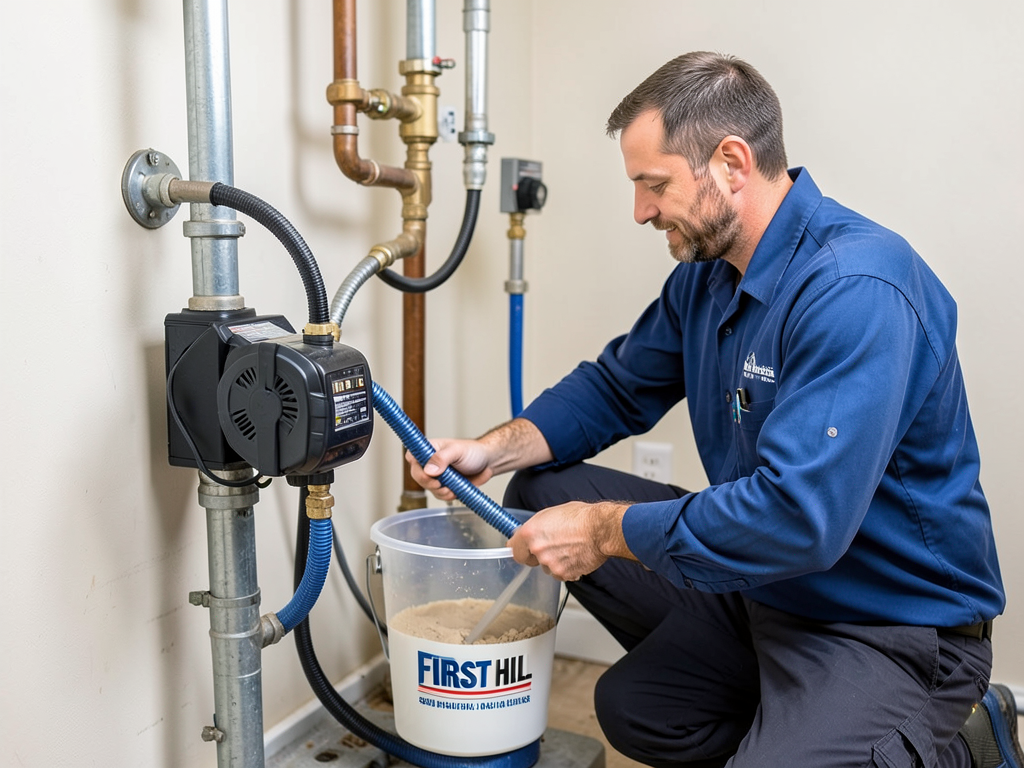
Step-by-Step: How to Flush Your First Hill Water Heater
Follow these steps carefully to remove sediment from your water heater tank:
- Turn Off Power or Gas Supply
Locate your water heater’s power source. For electric units, flip the correct breaker at your electrical panel. For gas units, turn the gas control valve to “pilot” or “off.” This prevents accidents during the flushing process.
- Shut Off Cold Water Supply
Find the cold water shut-off valve at the top of your water heater and turn it clockwise to stop water flow. This valve is typically located on the right side of the cold water inlet pipe.
- Connect Garden Hose to Drain Valve
Attach one end of your garden hose to the drain valve at the bottom of the tank. Place the other end in a floor drain, bathtub, or outside where hot water can safely drain.
- Open Hot Water Faucets
Turn on a hot water faucet in your home to allow air into the system. This prevents vacuum formation and helps water drain more quickly from the tank.
- Drain the Tank
Open the drain valve slowly and let water flow through the hose. The water may appear cloudy or dirty at first – this is the sediment coming out. Let the tank drain completely, which typically takes 20-30 minutes.
- Flush with Cold Water
Once drained, briefly turn the cold water supply back on for 30-60 seconds. This stirs up remaining sediment at the bottom of the tank. Let this water drain out completely.
- Close Drain Valve and Refill
Close the drain valve tightly. Remove the hose and turn the cold water supply back on. Watch the open hot water faucet – when you see a steady stream of water without air bubbles, the tank is full.
- Restore Power or Gas
Turn the power back on at the breaker or set the gas valve to “on.” You’ll hear the burner or heating element activate as the tank begins reheating.
Common First Hill Water Heater Challenges
First Hill’s historic homes and high-rise condominiums present unique challenges for water heater maintenance. Many units are tucked away in tight utility closets with limited access. Some older buildings have shared water heater systems that require coordination with building management before any maintenance work.
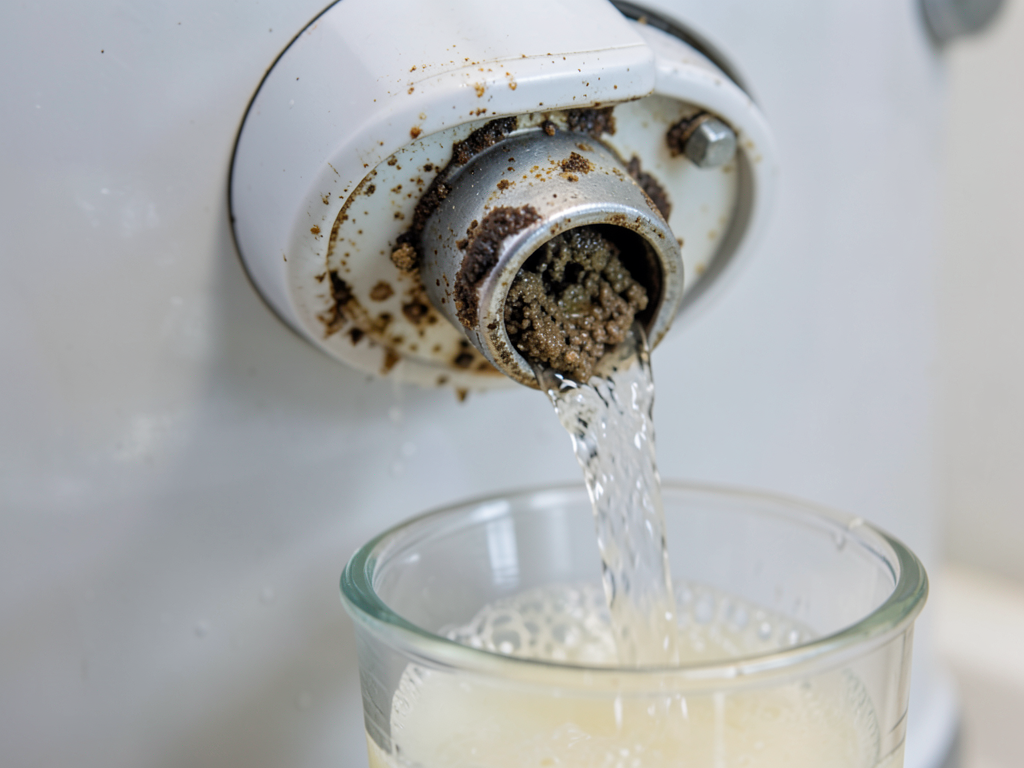
Another common issue in First Hill is sediment that’s too thick to drain properly. If your drain valve is clogged with hardened mineral deposits, you may need professional assistance. Attempting to force open a stuck valve can damage your water heater and cause leaks.
Seattle’s Building Code (Seattle Municipal Code 22.150) requires proper temperature and pressure relief valve installation on all water heaters. During your flush, check that this safety valve is functioning correctly – it’s crucial for preventing dangerous pressure buildup. Seattle Plumbing Code.
When to Call a Professional Plumber in First Hill
While DIY flushing works for many homeowners, certain situations require professional expertise:
- Stuck drain valve – If the valve won’t open or close properly, forcing it can cause leaks or damage.
- Old tank (10+ years) – Older units may fail during flushing, especially if sediment has bonded to the tank bottom.
- Gas line concerns – If you smell gas or suspect a leak, call a professional immediately.
- Limited access – Tight utility closets or shared building systems may require specialized tools and coordination.
- Recurring issues – If sediment returns quickly after flushing, there may be underlying water quality problems.
Professional plumbers in First Hill also check additional components during service calls, including the anode rod (which prevents tank corrosion), T&P valve operation, and thermal expansion tank functionality. How to Get an Emergency Plumber in West Seattle After Hours.
Water Heater Maintenance Schedule for First Hill Homes
Seattle’s water quality and First Hill’s building characteristics determine your maintenance frequency:
| Home Type | Water Hardness | Recommended Flush Frequency | Annual Cost Savings |
|---|---|---|---|
| Historic Craftsman (1900-1940) | Moderate | Every 6 months | $75-125 |
| Mid-century condo (1950-1980) | Moderate | Every 12 months | $50-100 |
| Modern high-rise (2000+) | Low | Every 18-24 months | $25-75 |
Harder water areas in First Hill may require more frequent flushing. You can test your water hardness with simple test strips available at hardware stores, or check with Seattle Public Utilities for local water quality reports.
Environmental Considerations for First Hill Residents
When flushing your water heater in First Hill, be mindful of Seattle’s environmental regulations. The city’s Combined Sewer Overflow (CSO) system means that improper disposal of sediment-laden water can contribute to pollution in local waterways. Trenchless Sewer Repair Options for Historic Capitol Hill Homes.
Best practices include draining water onto landscaped areas where sediment can filter naturally, or allowing water to cool completely before draining into the sewer system. Never discharge hot water directly into storm drains, as this can harm local aquatic life.
Seattle Public Utilities recommends using the cooled, mineral-rich water for irrigation when possible. The calcium and magnesium in the sediment can actually benefit plants, making your maintenance task environmentally friendly.
Cost of Professional Water Heater Flushing in First Hill
Professional sediment removal services in First Hill typically range from $150 to $300, depending on your water heater’s location and condition. This price includes inspection of safety components, anode rod check, and proper disposal of sediment-laden water.
While DIY flushing saves money upfront, professional service provides peace of mind and catches potential issues before they become expensive problems. Many First Hill plumbers offer annual maintenance plans that include sediment flushing, safety inspections, and priority service for emergencies.
Consider the long-term savings: a properly maintained water heater can last 12-15 years versus 6-8 years for neglected units. The energy savings from improved efficiency often pay for professional maintenance within the first year.
Frequently Asked Questions
How long does a water heater sediment flush take?
A complete sediment flush typically takes 1-2 hours for DIY, including preparation and refill time. Professional service usually completes in 30-45 minutes due to specialized equipment and experience.
Can I use vinegar to dissolve sediment?
While vinegar can help dissolve some mineral deposits, it’s not recommended for complete sediment removal. Vinegar doesn’t address the physical buildup and can leave residual odors. Stick to mechanical flushing for best results.
What if my water heater is still making noise after flushing?
If clicking or popping continues after flushing, the sediment may be too thick or bonded to the tank bottom. This often indicates an aging unit that needs professional evaluation or replacement.
Is sediment buildup covered by home warranty?
Most home warranties consider sediment buildup a maintenance issue rather than a mechanical failure. Regular flushing is typically required to maintain warranty coverage on your water heater.
Protect Your First Hill Home’s Hot Water Supply
Don’t let sediment buildup turn your water heater into a ticking time bomb. The clicking sounds you’re hearing are warning signs that efficiency is dropping and failure could be imminent. Whether you choose DIY maintenance or professional service, addressing sediment now prevents emergency replacements and saves money on energy bills.
First Hill’s unique mix of historic charm and modern living means your water heater faces specific challenges. The area’s older plumbing infrastructure, combined with Seattle’s mineral-rich water, creates perfect conditions for sediment accumulation. Regular maintenance keeps your system running quietly and efficiently. Plumbing Bothell.
Ready to stop the clicking and restore your water heater’s performance? Call (564) 220-5552 today to schedule your professional sediment flush. Our First Hill plumbing experts will inspect your entire system, check safety components, and ensure your water heater operates at peak efficiency. Don’t wait until that clicking turns into a costly breakdown – pick up the phone and call (564) 220-5552 before your next shower goes cold. Plumbing Burien.
Remember: a quiet water heater is a happy water heater. Take action today and enjoy reliable hot water tomorrow. Reliable Commercial Plumbers for South Lake Union Businesses and Restaurants.
{
“@context”: “https://schema.org”,
“@type”: “BlogPosting”,
“headline”: “How to Flush Sediment Out of Your First Hill Water Heater (and Why It’s Making That Clicking Sound)”,
“description”: “Stop the clicking noise from your First Hill water heater. Learn how to flush sediment buildup with this step-by-step DIY guide or call (564) 220-5552 for expert help.”,
“wordCount”: 1664,
“datePublished”: “2026-03-16T15:35:00.000Z”,
“dateModified”: “2026-03-16T15:35:00.000Z”,
“inLanguage”: “en-US”,
“mainEntityOfPage”: {
“@type”: “WebPage”,
“@id”: “https://horizonplumbingseattle.com”
},
“publisher”: {
“@type”: “LocalBusiness”,
“name”: “Horizon Plumbing Seattle”,
“url”: “https://horizonplumbingseattle.com”
},
“author”: {
“@type”: “Organization”,
“name”: “Horizon Plumbing Seattle”,
“url”: “https://horizonplumbingseattle.com”
},
“image”: {
“@type”: “ImageObject”,
“url”: “https://horizonplumbingseattle.com/wp-content/uploads/2026/03/how-to-flush-sediment-out-of-your-first-hill-water-1.png”
}
}
{
“@context”: “https://schema.org”,
“@type”: “Plumber”,
“name”: “Horizon Plumbing Seattle”,
“url”: “https://horizonplumbingseattle.com”,
“address”: {
“@type”: “PostalAddress”,
“addressLocality”: “Seattle”
},
“areaServed”: {
“@type”: “City”,
“name”: “Seattle”
}
}
{
“@context”: “https://schema.org”,
“@type”: “FAQPage”,
“mainEntity”: [
{
“@type”: “Question”,
“name”: “How long does a water heater sediment flush take?”,
“acceptedAnswer”: {
“@type”: “Answer”,
“text”: “A complete sediment flush typically takes 1-2 hours for DIY, including preparation and refill time. Professional service usually completes in 30-45 minutes due to specialized equipment and experience.”
}
},
{
“@type”: “Question”,
“name”: “Can I use vinegar to dissolve sediment?”,
“acceptedAnswer”: {
“@type”: “Answer”,
“text”: “While vinegar can help dissolve some mineral deposits, it’s not recommended for complete sediment removal. Vinegar doesn’t address the physical buildup and can leave residual odors. Stick to mechanical flushing for best results.”
}
},
{
“@type”: “Question”,
“name”: “What if my water heater is still making noise after flushing?”,
“acceptedAnswer”: {
“@type”: “Answer”,
“text”: “If clicking or popping continues after flushing, the sediment may be too thick or bonded to the tank bottom. This often indicates an aging unit that needs professional evaluation or replacement.”
}
},
{
“@type”: “Question”,
“name”: “Is sediment buildup covered by home warranty?”,
“acceptedAnswer”: {
“@type”: “Answer”,
“text”: “Most home warranties consider sediment buildup a maintenance issue rather than a mechanical failure. Regular flushing is typically required to maintain warranty coverage on your water heater.”
}
}
]
}
{
“@context”: “https://schema.org”,
“@type”: “HowTo”,
“name”: “How to Flush Water Heater Sediment”,
“step”: [
{
“@type”: “HowToStep”,
“position”: 1,
“name”: “Turn Off Power or Gas Supply”,
“text”: “Locate your water heater’s power source. For electric units, flip the correct breaker at your electrical panel. For gas units, turn the gas control valve to “pilot” or “off.” This prevents accidents during the flushing process.”
},
{
“@type”: “HowToStep”,
“position”: 2,
“name”: “Shut Off Cold Water Supply”,
“text”: “Find the cold water shut-off valve at the top of your water heater and turn it clockwise to stop water flow. This valve is typically located on the right side of the cold water inlet pipe.”
},
{
“@type”: “HowToStep”,
“position”: 3,
“name”: “Connect Garden Hose to Drain Valve”,
“text”: “Attach one end of your garden hose to the drain valve at the bottom of the tank. Place the other end in a floor drain, bathtub, or outside where hot water can safely drain.”
},
{
“@type”: “HowToStep”,
“position”: 4,
“name”: “Open Hot Water Faucets”,
“text”: “Turn on a hot water faucet in your home to allow air into the system. This prevents vacuum formation and helps water drain more quickly from the tank.”
},
{
“@type”: “HowToStep”,
“position”: 5,
“name”: “Drain the Tank”,
“text”: “Open the drain valve slowly and let water flow through the hose. The water may appear cloudy or dirty at first – this is the sediment coming out. Let the tank drain completely, which typically takes 20-30 minutes.”
},
{
“@type”: “HowToStep”,
“position”: 6,
“name”: “Flush with Cold Water”,
“text”: “Once drained, briefly turn the cold water supply back on for 30-60 seconds. This stirs up remaining sediment at the bottom of the tank. Let this water drain out completely.”
},
{
“@type”: “HowToStep”,
“position”: 7,
“name”: “Close Drain Valve and Refill”,
“text”: “Close the drain valve tightly. Remove the hose and turn the cold water supply back on. Watch the open hot water faucet – when you see a steady stream of water without air bubbles, the tank is full.”
},
{
“@type”: “HowToStep”,
“position”: 8,
“name”: “Restore Power or Gas”,
“text”: “Turn the power back on at the breaker or set the gas valve to “on.” You’ll hear the burner or heating element activate as the tank begins reheating.”
}
],
“image”: “https://horizonplumbingseattle.com/wp-content/uploads/2026/03/how-to-flush-sediment-out-of-your-first-hill-water-1.png”
}
{
“@context”: “https://schema.org”,
“@type”: “BreadcrumbList”,
“itemListElement”: [
{
“@type”: “ListItem”,
“position”: 1,
“name”: “Home”,
“item”: “https://horizonplumbingseattle.com”
},
{
“@type”: “ListItem”,
“position”: 2,
“name”: “Blog”,
“item”: “https://horizonplumbingseattle.com/blog”
},
{
“@type”: “ListItem”,
“position”: 3,
“name”: “How to Flush Sediment Out of Your First Hill Water Heater (and Why It’s Making That Clicking Sound)”
}
]
}
{
“@context”: “https://schema.org”,
“@type”: “Service”,
“serviceType”: “Plumbing”,
“provider”: {
“@type”: “LocalBusiness”,
“name”: “Horizon Plumbing Seattle”,
“url”: “https://horizonplumbingseattle.com”
},
“areaServed”: {
“@type”: “City”,
“name”: “Seattle”
},
“description”: “Stop the clicking noise from your First Hill water heater. Learn how to flush sediment buildup with this step-by-step DIY guide or call (564) 220-5552 for expert help.”
}