Quiet Your Noisy Condo Pipes with Cast Iron or Sound-Dampening Insulation in Capitol Hill
Living in a Capitol Hill condo means sharing walls with neighbors and dealing with plumbing systems that weren’t always designed for today’s high water pressure. That banging, rattling, and humming from your pipes isn’t just annoying—it’s a sign of underlying pressure issues that can damage your plumbing and drive up your water bills. The good news is that specific solutions like cast iron replacements or sound-dampening insulation can eliminate these noises while protecting your building’s infrastructure. Plumbing Bothell.
Why Capitol Hill Condos Have Noisy Plumbing
Capitol Hill’s dense network of mid-rise and high-rise wood-frame buildings creates unique plumbing challenges. Many of these structures were built between the 1960s and 1990s when Seattle Public Utilities maintained lower water pressure standards. Today, SPU’s pressure in Capitol Hill often exceeds 80 PSI in certain zones, creating hydraulic shock when valves close suddenly. Seattle Public Utilities.
Water hammer occurs when fast-moving water slams to a stop, sending pressure waves through your pipes. In condo buildings, this happens constantly—dishwashers cycling, toilets refilling, neighbors using their showers. The shared vertical risers amplify these sounds, turning what should be a subtle click into a wall-shaking bang. King County plumbing permits.
Beyond water hammer, Capitol Hill’s older buildings often have copper or PEX piping that vibrates against wood framing. Temperature changes cause expansion and contraction, creating ticking sounds that echo through shared walls. Add in loose pipe straps and aging valves, and you’ve got a symphony of plumbing noise. Plumbing Burien.
Diagnosing Your Condo Pipe Noise
Before choosing a solution, you need to identify what type of noise you’re dealing with. Here’s how to diagnose the problem:
- Listen for Timing
Water hammer creates a sharp bang that happens when a valve closes suddenly—like a washing machine stopping mid-cycle. It’s a single, loud impact sound.
- Check for Vibration Patterns
Vibrating pipes create a humming or rattling that continues while water flows. Touch exposed pipes—if they feel like they’re vibrating, you’ve got loose mounting issues.
- Identify Location
Is the noise coming from your unit only, or do you hear it throughout the building? Building-wide issues often point to shared risers or pressure problems affecting multiple units.
- Monitor Water Pressure
Attach a pressure gauge to an outdoor spigot. If readings exceed 80 PSI, your building likely has pressure reducing valve (PRV) issues that need professional attention.
Capitol Hill’s specific pressure zones vary by elevation and distance from water mains. Buildings near Volunteer Park often experience higher pressures than those closer to Broadway, creating neighborhood-specific noise patterns that require tailored solutions.
Cast Iron Pipe Solutions for Capitol Hill Condos
Cast iron piping offers superior sound dampening compared to copper or PEX. The dense material absorbs vibrations rather than transmitting them through walls. For Capitol Hill condos, this means replacing shared risers or vertical stacks with cast iron can dramatically reduce noise transfer between units.. Read more about Preventing Alki Beach Condo Floods with Automatic Washing Machine Shutoff Valves.
The installation process typically involves:
- Accessing shared walls through strategic openings
- Removing existing copper or galvanized piping section by section
- Installing cast iron with proper hangers and supports
- Sealing all penetrations to prevent sound flanking
Cast iron’s weight requires additional structural support in some Capitol Hill buildings, particularly those with wood-frame construction. This adds to installation costs but provides long-term benefits including better fire resistance and significantly reduced noise transmission.
According to King County plumbing code requirements, any pipe replacement in multi-unit buildings must meet specific fire rating and sound transmission standards. Cast iron naturally exceeds these requirements, making it an ideal choice for Capitol Hill’s older condo buildings.
Sound-Dampening Insulation Options
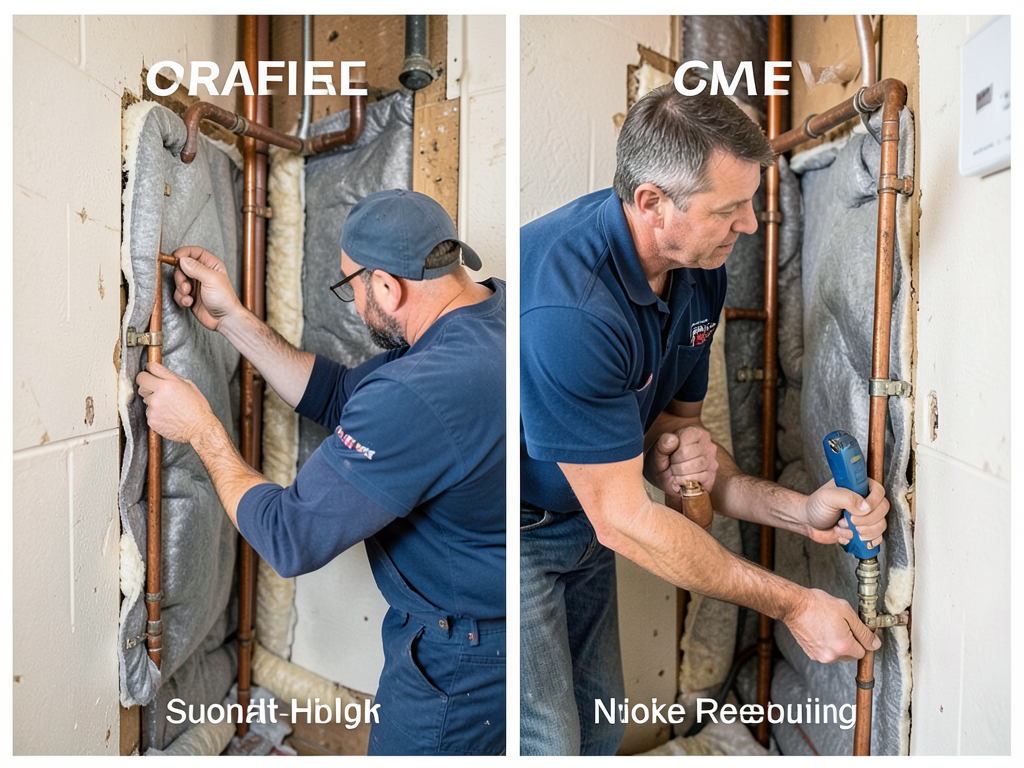
If full pipe replacement isn’t feasible due to budget or building restrictions, sound-dampening insulation provides an effective alternative. Modern acoustic pipe lagging materials can reduce noise transmission by 50% or more.. Read more about The Best Pipe Insulation to Prevent Freezing During a Bitter Lake Cold Snap.
Available options include:
| Material Type | Noise Reduction | Installation Method | Best For |
|---|---|---|---|
| Closed-cell foam | 15-25 dB | Self-adhesive wrap | DIY friendly, PEX pipes |
| Mass-loaded vinyl | 20-30 dB | Adhesive or mechanical | Copper pipes, shared walls |
| Composite barrier | 25-35 dB | Professional installation | High-end condos, severe noise |
Sound-dampening insulation works by creating a barrier between vibrating pipes and surrounding structures. The material absorbs vibrations before they can transfer to drywall, wood framing, or neighboring units.
For Capitol Hill’s older buildings, composite barrier systems offer the best performance. These combine mass-loaded vinyl with closed-cell foam, creating a multi-layer defense against both impact and airborne noise.
Water Hammer Arrestors: The Quick Fix
Water hammer arrestors provide immediate noise reduction by absorbing the shock wave when water flow stops suddenly. These devices contain a piston or air chamber that compresses when pressure spikes occur.
Installation locations depend on your specific noise pattern:
- Near washing machine valves for laundry-related banging
- At dishwasher connections for kitchen noise
- Close to toilet fill valves for bathroom sounds
- Along main supply lines for whole-building issues
Modern mechanical arrestors require no maintenance and last 10-15 years. They’re particularly effective in Capitol Hill condos where high water pressure makes water hammer more severe than in single-family homes.
According to Seattle Public Utilities guidelines, buildings with pressure exceeding 80 PSI should install pressure reducing valves before adding arrestors. This two-step approach addresses both the cause and symptom of pipe noise.
Pressure Reducing Valves for Capitol Hill Buildings
Many Capitol Hill condos operate at pressures far above what’s necessary for proper function. A pressure reducing valve (PRV) can bring your system down to 50-60 PSI, eliminating the root cause of most pipe noise.
PRV installation involves:
- Locating the main water supply line
- Shutting off building water supply
- Cutting into the main line
- Installing the PRV with proper bypass
- Adjusting pressure settings
- Testing for leaks and proper function
Building-wide PRV installation often requires approval from your HOA or property management company. The investment typically pays for itself through reduced water bills and extended plumbing fixture life.
Capitol Hill’s elevation changes create pressure variations between floors. Lower units may experience 70-80 PSI while upper units see 40-50 PSI. A properly sized PRV maintains consistent pressure throughout the building, eliminating these disparities.
Securing Loose Pipes: The Foundation Fix
Even with perfect water pressure and quality materials, loose pipes will create noise. Over time, pipe straps corrode, wood framing shifts, and vibrations loosen connections.
Common problem areas in Capitol Hill condos include:
- Pipes passing through floor joists without proper clearance
- Horizontal runs that sag over time
- Connections to fixtures that allow movement
- Pipes touching metal hangers that transmit vibrations
Securing pipes involves:
- Identifying all loose connections
- Replacing corroded straps with new stainless steel or plastic supports
- Adding rubber isolation pads where pipes contact framing
- Ensuring proper slope for drainage pipes
- Checking for adequate expansion gaps
This foundational fix often resolves 60-70% of pipe noise issues without requiring expensive material replacements or insulation upgrades.
HOA Considerations for Capitol Hill Condo Owners
Before starting any pipe noise reduction project in your Capitol Hill condo, understand your HOA’s authority and requirements. Many buildings have specific rules about plumbing modifications that affect shared walls or common elements.
Key considerations include:
- Determining whether pipes are your responsibility or the HOA’s
- Obtaining necessary permits from the City of Seattle
- Scheduling work during approved hours to minimize neighbor disruption
- Providing notice to adjacent units about potential water shutoffs
- Understanding insurance requirements for plumbing modifications
Most Capitol Hill HOAs require written approval for any work affecting shared plumbing infrastructure. Some buildings have pre-approved contractors or specific material requirements that must be followed.
Working with your HOA early in the process can prevent delays and ensure your noise reduction project complies with all building regulations. Many HOAs appreciate proactive noise reduction efforts that improve building quality of life.
Cost Considerations for Capitol Hill Condo Owners
Pipe noise reduction costs vary significantly based on the solution chosen and your building’s specific requirements. Here’s what to expect:
| Solution Type | Typical Cost Range | ROI Timeline | Best For |
|---|---|---|---|
| Sound insulation only | $500 – $2,000 | 1-2 years | Minor noise, DIY friendly |
| Water hammer arrestors | $300 – $800 each | 6-12 months | Specific appliance noise |
| PRV installation | $800 – $2,500 | 2-3 years | Building-wide pressure issues |
| Cast iron replacement | $15 – $25 per foot | 5-7 years | Severe noise, long-term value |
Many Capitol Hill condo owners find that combining solutions provides the best results. For example, installing a PRV while adding sound insulation addresses both the cause and symptom of pipe noise.
Some HOAs offer to share costs for building-wide noise reduction projects, particularly when they improve property values or reduce maintenance issues across multiple units.
DIY vs. Professional Installation
While some noise reduction steps are DIY-friendly, professional installation ensures code compliance and optimal results. Here’s what you can tackle yourself versus what requires a licensed plumber: How to Get an Emergency Plumber in West Seattle After Hours.
- DIY Safe Projects
Installing sound insulation wraps, adding pipe hangers, and replacing accessible water hammer arrestors are generally safe for homeowners with basic tools.
- Professional Required
PRV installation, cast iron replacement, and any work affecting shared risers or main supply lines require licensed plumbers and proper permits.
- Permit Considerations
Seattle requires permits for most plumbing modifications. Professional plumbers handle permit applications and inspections as part of their service.
- Building Code Compliance
Washington State plumbing code has specific requirements for multi-unit buildings that DIYers may not be aware of, potentially creating safety issues.
For Capitol Hill condos, the risk of damaging shared plumbing or violating building codes makes professional installation the safer choice for most noise reduction projects.
Maintaining Your Quiet Plumbing System
Once you’ve eliminated pipe noise, regular maintenance prevents it from returning. Simple steps include:
- Checking water pressure annually with a gauge
- Inspecting visible pipe supports for looseness
- Testing water hammer arrestors by quickly shutting off fixtures
- Monitoring for new noises that might indicate developing issues
- Scheduling professional inspections every 2-3 years
Capitol Hill’s hard water can accelerate corrosion of pipe supports and fixtures. Consider water softening if you notice mineral buildup on fixtures or reduced water flow.
Regular maintenance not only preserves your quiet plumbing but also extends the life of your entire plumbing system, preventing costly emergency repairs.
Why Choose a Seattle Condo Plumbing Specialist
Condo plumbing requires specialized knowledge that general plumbers may not possess. Seattle’s unique building codes, water pressure patterns, and architectural styles demand local expertise.
A qualified Capitol Hill condo plumber should have:
- Experience with Seattle Public Utilities pressure zones
- Knowledge of King County multi-unit building codes
- Understanding of HOA approval processes
- Access to proper tools for working in tight condo spaces
- Insurance coverage for multi-unit building work
Local specialists also understand Capitol Hill’s specific challenges, from the area’s elevation changes affecting water pressure to the common plumbing configurations in buildings from different eras.
Frequently Asked Questions
Will soundproofing my pipes affect water pressure?
Properly installed sound insulation doesn’t restrict water flow or affect pressure. It simply absorbs vibrations. However, adding insulation to pipes with existing flow restrictions could worsen those issues.
How long does pipe noise reduction typically take?
Simple solutions like adding insulation or arrestors can be completed in a few hours. More complex projects like PRV installation or cast iron replacement may take 1-3 days, depending on building access and permit requirements.
Can pipe noise reduction increase my condo’s value?
Yes. Quieter plumbing is a selling point for potential buyers, especially in multi-unit buildings where noise transfer between units is a common concern. Some noise reduction improvements can increase property values by 2-5%.
What if my HOA won’t approve plumbing modifications?
Start by documenting the noise issue and its impact on your quality of life. Some HOAs are more receptive when presented with professional assessments showing the benefits of noise reduction. If approval is denied, focus on solutions within your unit’s boundaries.
Is pipe noise covered by condo insurance?
Standard condo insurance typically covers sudden pipe failures but not gradual noise issues or preventive improvements. However, if pipe noise indicates an underlying problem that could cause damage, insurance might cover diagnostic inspections.
Get Your Capitol Hill Condo Quiet Today
Don’t let noisy pipes disrupt your Capitol Hill lifestyle. Whether you need simple sound insulation or comprehensive plumbing upgrades, professional help can eliminate those annoying sounds while protecting your building’s infrastructure.. Read more about How to Protect Your Rainier Beach Property from Copper Pipe Theft.
Call (564) 220-5552 today to schedule your inspection. Our Seattle condo plumbing specialists will diagnose your specific noise issues and recommend solutions that fit your budget and building requirements.
Pick up the phone and call (564) 220-5552 before the next storm hits—water hammer sounds even worse during heavy rain when pipes expand and contract with temperature changes.
Don’t wait until minor vibrations become major plumbing problems. Contact us now to restore peace and quiet to your Capitol Hill home.
You may also find this helpful. Comparing the Best Smart Toilets for Your Modern South Lake Union Tech Loft.
{
“@context”: “https://schema.org”,
“@type”: “BlogPosting”,
“headline”: “Quiet Your Noisy Condo Pipes with Cast Iron or Sound-Dampening Insulation in Capitol Hill”,
“description”: “Stop water hammer and vibrating pipes in your Capitol Hill condo. Learn how Seattle’s high water pressure affects wood-frame buildings and what fixes actually work.”,
“wordCount”: 2102,
“datePublished”: “2026-05-01T06:53:00.000Z”,
“dateModified”: “2026-05-01T06:53:00.000Z”,
“inLanguage”: “en-US”,
“mainEntityOfPage”: {
“@type”: “WebPage”,
“@id”: “https://horizonplumbingseattle.com”
},
“publisher”: {
“@type”: “LocalBusiness”,
“name”: “Horizon Plumbing Seattle”,
“url”: “https://horizonplumbingseattle.com”
},
“author”: {
“@type”: “Organization”,
“name”: “Horizon Plumbing Seattle”,
“url”: “https://horizonplumbingseattle.com”
},
“image”: {
“@type”: “ImageObject”,
“url”: “https://horizonplumbingseattle.com/wp-content/uploads/2026/03/quiet-your-noisy-condo-pipes-with-cast-iron-or-sou-1.png”
}
}
{
“@context”: “https://schema.org”,
“@type”: “Plumber”,
“name”: “Horizon Plumbing Seattle”,
“url”: “https://horizonplumbingseattle.com”,
“address”: {
“@type”: “PostalAddress”,
“addressLocality”: “Seattle”
},
“areaServed”: {
“@type”: “City”,
“name”: “Seattle”
}
}
{
“@context”: “https://schema.org”,
“@type”: “FAQPage”,
“mainEntity”: [
{
“@type”: “Question”,
“name”: “Will soundproofing my pipes affect water pressure?”,
“acceptedAnswer”: {
“@type”: “Answer”,
“text”: “Properly installed sound insulation doesn’t restrict water flow or affect pressure. It simply absorbs vibrations. However, adding insulation to pipes with existing flow restrictions could worsen those issues.”
}
},
{
“@type”: “Question”,
“name”: “How long does pipe noise reduction typically take?”,
“acceptedAnswer”: {
“@type”: “Answer”,
“text”: “Simple solutions like adding insulation or arrestors can be completed in a few hours. More complex projects like PRV installation or cast iron replacement may take 1-3 days, depending on building access and permit requirements.”
}
},
{
“@type”: “Question”,
“name”: “Can pipe noise reduction increase my condo’s value?”,
“acceptedAnswer”: {
“@type”: “Answer”,
“text”: “Yes. Quieter plumbing is a selling point for potential buyers, especially in multi-unit buildings where noise transfer between units is a common concern. Some noise reduction improvements can increase property values by 2-5%.”
}
},
{
“@type”: “Question”,
“name”: “What if my HOA won’t approve plumbing modifications?”,
“acceptedAnswer”: {
“@type”: “Answer”,
“text”: “Start by documenting the noise issue and its impact on your quality of life. Some HOAs are more receptive when presented with professional assessments showing the benefits of noise reduction. If approval is denied, focus on solutions within your unit’s boundaries.”
}
},
{
“@type”: “Question”,
“name”: “Is pipe noise covered by condo insurance?”,
“acceptedAnswer”: {
“@type”: “Answer”,
“text”: “Standard condo insurance typically covers sudden pipe failures but not gradual noise issues or preventive improvements. However, if pipe noise indicates an underlying problem that could cause damage, insurance might cover diagnostic inspections.”
}
}
]
}
{
“@context”: “https://schema.org”,
“@type”: “HowTo”,
“name”: “Diagnosing Condo Pipe Noise”,
“step”: [
{
“@type”: “HowToStep”,
“position”: 1,
“name”: “Listen for Timing”,
“text”: “Water hammer creates a sharp bang that happens when a valve closes suddenly—like a washing machine stopping mid-cycle. It’s a single, loud impact sound.”
},
{
“@type”: “HowToStep”,
“position”: 2,
“name”: “Check for Vibration Patterns”,
“text”: “Vibrating pipes create a humming or rattling that continues while water flows. Touch exposed pipes—if they feel like they’re vibrating, you’ve got loose mounting issues.”
},
{
“@type”: “HowToStep”,
“position”: 3,
“name”: “Identify Location”,
“text”: “Is the noise coming from your unit only, or do you hear it throughout the building? Building-wide issues often point to shared risers or pressure problems affecting multiple units.”
},
{
“@type”: “HowToStep”,
“position”: 4,
“name”: “Monitor Water Pressure”,
“text”: “Attach a pressure gauge to an outdoor spigot. If readings exceed 80 PSI, your building likely has pressure reducing valve (PRV) issues that need professional attention.”
}
],
“image”: “https://horizonplumbingseattle.com/wp-content/uploads/2026/03/quiet-your-noisy-condo-pipes-with-cast-iron-or-sou-1.png”
}
{
“@context”: “https://schema.org”,
“@type”: “BreadcrumbList”,
“itemListElement”: [
{
“@type”: “ListItem”,
“position”: 1,
“name”: “Home”,
“item”: “https://horizonplumbingseattle.com”
},
{
“@type”: “ListItem”,
“position”: 2,
“name”: “Blog”,
“item”: “https://horizonplumbingseattle.com/blog”
},
{
“@type”: “ListItem”,
“position”: 3,
“name”: “Quiet Your Noisy Condo Pipes with Cast Iron or Sound-Dampening Insulation in Capitol Hill”
}
]
}
{
“@context”: “https://schema.org”,
“@type”: “Service”,
“serviceType”: “Plumbing”,
“provider”: {
“@type”: “LocalBusiness”,
“name”: “Horizon Plumbing Seattle”,
“url”: “https://horizonplumbingseattle.com”
},
“areaServed”: {
“@type”: “City”,
“name”: “Seattle”
},
“description”: “Stop water hammer and vibrating pipes in your Capitol Hill condo. Learn how Seattle’s high water pressure affects wood-frame buildings and what fixes actually work.”
}