
Sump Pumps vs Interior Perimeter Drains (Solving Persistent Basement Dampness in Broadview)
Water seeping into your Broadview basement during Seattle’s rainy season creates a cycle of damage that worsens with each storm. The region’s glacial till soil and high water table push moisture against foundation walls creating hydrostatic pressure that forces water through even hairline cracks. Before investing in a drainage solution you need to understand how these two systems work and which one addresses your specific water intrusion pattern. Hydro Jetting vs. Snaking.
Sump pumps actively remove water that collects in a basin while interior perimeter drains passively intercept groundwater before it reaches your basement walls. Both systems protect Broadview homes from Seattle’s 37 inches of annual rainfall but they function differently and suit different foundation conditions. The right choice depends on whether water enters through floor cracks or foundation walls and how your property’s grading directs surface runoff.
How Water Enters Broadview Basements
Broadview’s location along Seattle’s western slope creates unique drainage challenges. Homes built on glacial till experience slow water absorption rates that cause surface water to pool against foundation walls during heavy storms. When water pressure builds against basement walls it exploits the path of least resistance entering through:
- Floor-wall joints where concrete meets
- Cold joints in older foundation walls
- Cracks from seismic settling common in Puget Sound
- Porous concrete that absorbs moisture like a sponge
During atmospheric rivers water saturates soil to depths of 8-10 feet overwhelming traditional footing drains installed decades ago. This explains why some Broadview basements flood for the first time after particularly wet winters even with existing drainage systems.
Sump Pump Systems: The Active Defense
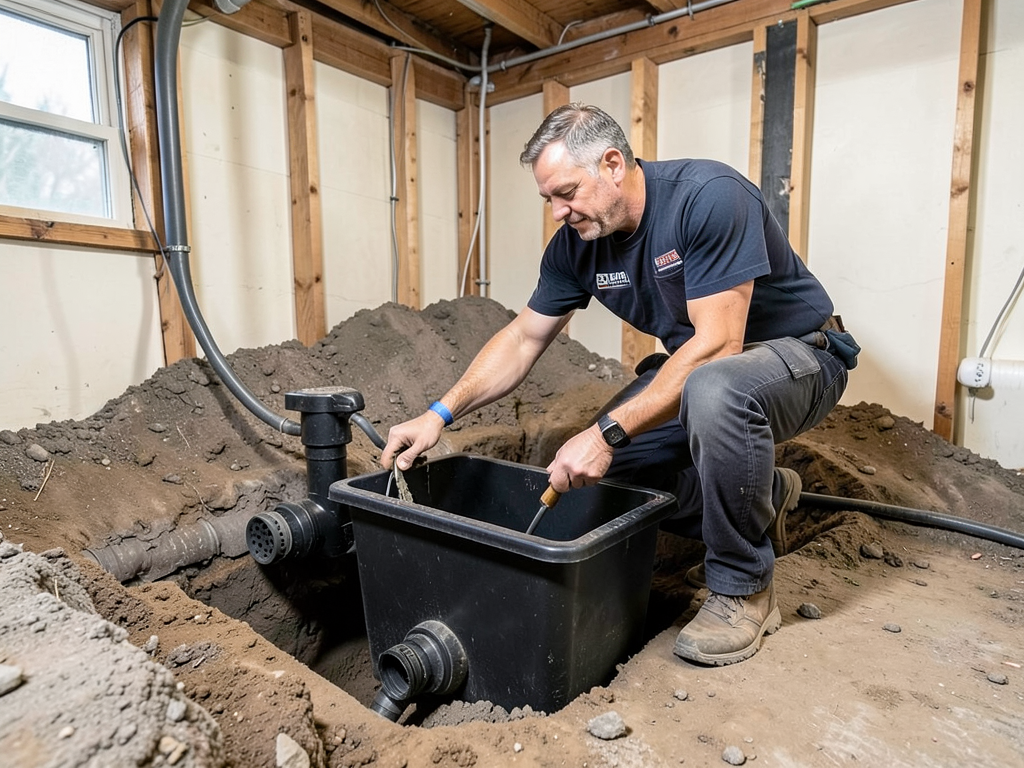
A sump pump system consists of a perforated basin installed below basement floor level connected to a pump that activates when water reaches a specific height. The pump forces water through a discharge pipe away from your foundation typically to a storm drain or dry well. This active system responds to water as it arrives rather than preventing entry.
Standard sump pumps in Broadview homes handle 2,400-3,600 gallons per hour sufficient for most storms. However atmospheric rivers dumping 2-3 inches in 24 hours can overwhelm single-pump systems. That’s why many Broadview homeowners install battery backup pumps that activate during power outages when storms peak.
The basin requires a gravel base and perforated sides allowing groundwater to flow freely while keeping out mud and silt. A check valve prevents discharged water from flowing back into the basin and a sealed cover blocks radon gas common in Puget Sound soils from entering living spaces.. Read more about Why a Backwater Valve is Essential for Low Lying Interbay Basements.
Interior Perimeter Drains: The Passive Interceptor
Interior perimeter drains consist of perforated pipe installed along basement footing inside the foundation wall connected to a discharge point. These systems intercept water before it reaches basement walls using gravity to direct flow. Unlike sump pumps they don’t require electricity or mechanical parts to function.
Installation involves breaking concrete along basement perimeter excavating to footing level placing perforated pipe surrounded by gravel filter fabric. Water enters through perforations flows to a collection point and exits through gravity or connects to a sump pump basin for final removal. King County Code Section 28.84.080.
This system excels when water enters through foundation walls rather than floor cracks. The continuous pipe along all basement walls captures moisture from multiple entry points creating a moisture barrier that prevents wall dampness entirely.
Side-by-Side Comparison: Cost Lifespan and Maintenance
| Feature | Sump Pump System | Interior Perimeter Drain |
|---|---|---|
| Initial Installation Cost | $1,800-$3,500 | $5,000-$12,000 |
| Lifespan | 5-10 years pump only | 30-50 years pipe only |
| Annual Maintenance | $150-$300 pump testing | $100-$200 pipe inspection |
| Power Requirements | 120V electrical outlet | None required |
| Failure Rate | 15-20% annually | 2-5% annually |
| Resale Impact | Neutral to slightly negative | Positive for buyers |
Maintenance differs significantly between systems. Sump pumps require quarterly testing checking float switches cleaning intake screens and verifying discharge pipe clarity. Battery backups need replacement every 3-5 years. Interior drains need annual inspection for sediment buildup and occasional flushing if flow slows.
When to Choose Each System
Select a sump pump when water enters through floor cracks or your property sits on a high water table. Homes near Bitter Lake or along the former Greenwood Creek channel experience groundwater upwelling that only active pumping can handle. Sump pumps also suit finished basements where excavation for perimeter drains would damage existing finishes.
Choose interior perimeter drains when water enters through foundation walls or you experience persistent wall dampness without floor flooding. Homes on hillside lots where surface water flows toward foundations benefit from intercepting water before wall contact. This system works best during construction or major renovation when excavation costs are already factored in.
Properties with both floor and wall water entry require hybrid systems combining perimeter drains leading to sump pump basins. This configuration handles water from all directions providing comprehensive protection during Seattle’s wettest months.
King County Regulations and Discharge Requirements
King County requires all basement drainage systems to discharge water away from foundations without creating neighbor drainage issues. Sump pump discharge pipes must extend at least 10 feet from foundation walls and cannot direct water toward sidewalks or public right-of-ways. The Seattle Department of Construction and Inspections mandates permits for all new drainage installations. EPA groundwater protection guidelines.
Discharge water cannot enter sanitary sewer systems under King County Code Section 28.84.080. Violations result in fines up to $500 per day. Instead water must flow to storm drains dry wells or approved infiltration systems designed to handle Seattle’s rainfall intensity. Trenchless Sewer Repair Options for Historic Capitol Hill Homes.
Homeowners in Broadview’s hillside areas need additional considerations. Steep slopes require erosion control measures preventing washouts that could damage neighboring properties. The city may require engineered drainage plans for properties affecting public infrastructure.
Installation Considerations for Broadview Homes
Broadview’s mix of 1950s ramblers and newer construction creates varying foundation conditions. Older homes often have unreinforced masonry or thin concrete walls that crack easily under hydrostatic pressure. Newer homes may have better waterproofing but still face drainage issues from glacial till soil.
Excavation depth affects installation costs significantly. Properties near Puget Sound experience high groundwater tables requiring deeper excavation to reach stable soil layers. This increases labor costs and may require shoring to prevent trench collapse during installation.
Access limitations in established neighborhoods add complexity. Narrow side yards between homes limit equipment access requiring manual excavation that doubles installation time. Properties with mature landscaping need plant removal and replacement adding $2,000-$5,000 to project costs.
Maintenance Schedule for Seattle’s Climate
Seattle’s rainy season runs October through May creating peak demand for drainage systems. Test sump pumps in September before rains begin checking float switch operation and battery backup functionality. Clean pump intake screens and verify discharge pipe flows freely.
Interior drains need September inspection clearing any sediment that accumulated during summer dry months. Flush systems with garden hose ensuring water flows to collection points. Check for root intrusion in older clay pipes common in Broadview’s established neighborhoods. Clearing Stubborn Main Line Clogs with Hydro Jetting in Queen Anne.
Winter maintenance involves monthly checks during heavy storm periods. Remove ice buildup around discharge pipes preventing freeze blockage. Verify battery backup systems maintain charge during extended power outages common during winter storms.
Cost Factors Specific to King County
Seattle’s labor market affects installation pricing significantly. Licensed plumbers charge $120-$180 per hour compared to national averages of $75-$125. This reflects Washington’s strict licensing requirements and high cost of living. How to Get an Emergency Plumber in West Seattle After Hours.
Material costs run 15-20% higher than national averages due to transportation to Puget Sound and local building code requirements. Schedule 40 PVC pipe and commercial-grade pumps meeting Washington State standards cost more but provide longer service life in Seattle’s climate. Reliable Commercial Plumbers for South Lake Union Businesses and Restaurants.
Permitting adds $300-$800 to projects depending on scope. Seattle DCI requires separate permits for electrical work battery backup installations and structural modifications common in drainage projects. Permit processing takes 2-4 weeks potentially delaying emergency installations.
Emergency Response During Storm Events
When Broadview basements flood during storms response time determines damage extent. Water removal within 24-48 hours prevents mold growth and structural damage. However emergency plumbing services charge 1.5-2x normal rates during storms when demand spikes.
Prevention through regular maintenance costs less than emergency response. Annual maintenance contracts averaging $200-$400 provide priority service during storms and catch failing components before emergencies occur. This investment typically saves $1,000-$3,000 compared to emergency repairs.
Insurance coverage varies significantly. Standard homeowner policies exclude groundwater flooding requiring separate flood insurance for comprehensive protection. Document maintenance records help with insurance claims showing systems received proper care.
Long-Term Value and Property Considerations
Well-designed drainage systems protect home value by preventing moisture damage that causes foundation settling and wood rot. Buyers view properties with documented drainage solutions more favorably especially in Broadview’s flood-prone areas near former stream channels.
However poorly installed systems create liability. Discharge water flowing onto neighbor properties causes disputes and potential legal action. Always verify discharge routing complies with King County codes and doesn’t create new problems.
Energy efficiency improves with proper drainage. Dry basements require less heating in winter and reduce humidity that makes cooling systems work harder in summer. This translates to $50-$150 annual utility savings in Seattle’s climate.
Making Your Decision
Start with a professional inspection identifying your specific water entry patterns. Look for water stains on walls indicating wall entry versus floor cracks suggesting high water table issues. Check your property’s slope using a level app on your phone determining if water flows toward or away from your foundation.
Consider your basement use. Unfinished basements with storage suit simpler sump pump systems while finished spaces with living areas need comprehensive perimeter drainage. Budget constraints matter but cheap solutions often fail during critical storms causing expensive damage.
Ask contractors about local experience specifically in Broadview and similar Seattle neighborhoods. Glacial till soil handling differs from sandy soils found in other regions. Local experience ensures proper installation depth and pipe sizing for Seattle’s rainfall patterns.
Frequently Asked Questions
Can I install a sump pump myself to save money?
DIY installation risks improper sizing and code violations. Seattle requires permits and licensed plumbers understand local soil conditions and discharge requirements. Improper installation often costs more to fix than professional installation.
How long does installation take?
Sump pump installation requires 4-8 hours for simple replacements but 2-3 days for new installations including permitting and concrete work. Perimeter drains need 3-7 days depending on basement size and access conditions.
What happens if my pump fails during a storm?
Battery backup systems activate automatically providing 24-48 hours of protection during power outages. However prolonged outages during major storms may overwhelm backup capacity requiring emergency water removal services.
Are there eco-friendly drainage options?
Rain gardens and dry wells provide environmentally friendly alternatives to direct discharge. These systems infiltrate water on-site reducing storm sewer burden but require more space and may not suit all properties.
How do I know if my current system works?
Test sump pumps by pouring water into the basin verifying automatic activation. Check perimeter drains by running water along foundation walls looking for drainage through cleanouts. Annual professional inspections identify developing issues before failures occur.
Take Action Before the Next Storm
Water damage in Broadview basements escalates quickly during Seattle’s rainy season. A single storm can cause thousands in damage while proper drainage systems prevent most water intrusion issues. Understanding whether your home needs active pumping or passive interception helps you make informed decisions about protecting your investment.
Don’t wait for water to appear in your basement. Schedule a professional inspection to identify your specific drainage needs and receive recommendations based on your home’s construction and Broadview’s unique soil conditions. Early intervention prevents emergency repairs and protects your property value.
Call (564) 220-5552 today to schedule your inspection. Our team understands Broadview’s specific drainage challenges and can recommend the right solution for your home’s needs. Whether you need a simple sump pump replacement or comprehensive perimeter drainage system we provide honest assessments and quality installation that protects your home for years to come.
Pick up the phone and call (564) 220-5552 before the next atmospheric river hits. Seattle’s rainy season is unpredictable and waiting until water appears in your basement means you’re already behind. Professional installation ensures your drainage system meets King County codes and protects your home effectively.
You may also find this helpful. Converting Your Olympic Manor Crawl Space into a Functional Basement with an Ejector Pump.
{
“@context”: “https://schema.org”,
“@type”: “BlogPosting”,
“headline”: “Sump Pumps vs Interior Perimeter Drains (Solving Persistent Basement Dampness in Broadview)”,
“description”: “Compare sump pumps and interior perimeter drains for Broadview basements. Learn which system stops water intrusion based on your home’s foundation and Seattle’s heavy rainfall.”,
“wordCount”: 2062,
“datePublished”: “2026-05-16T11:35:00.000Z”,
“dateModified”: “2026-05-16T11:35:00.000Z”,
“inLanguage”: “en-US”,
“mainEntityOfPage”: {
“@type”: “WebPage”,
“@id”: “https://horizonplumbingseattle.com”
},
“publisher”: {
“@type”: “LocalBusiness”,
“name”: “Horizon Plumbing Seattle”,
“url”: “https://horizonplumbingseattle.com”
},
“author”: {
“@type”: “Organization”,
“name”: “Horizon Plumbing Seattle”,
“url”: “https://horizonplumbingseattle.com”
},
“image”: {
“@type”: “ImageObject”,
“url”: “https://horizonplumbingseattle.com/wp-content/uploads/2026/03/sump-pumps-vs-interior-perimeter-drains-solving-pe-1.png”
}
}
{
“@context”: “https://schema.org”,
“@type”: “Plumber”,
“name”: “Horizon Plumbing Seattle”,
“url”: “https://horizonplumbingseattle.com”,
“address”: {
“@type”: “PostalAddress”,
“addressLocality”: “Seattle”
},
“areaServed”: {
“@type”: “City”,
“name”: “Seattle”
}
}
{
“@context”: “https://schema.org”,
“@type”: “FAQPage”,
“mainEntity”: [
{
“@type”: “Question”,
“name”: “Can I install a sump pump myself to save money?”,
“acceptedAnswer”: {
“@type”: “Answer”,
“text”: “DIY installation risks improper sizing and code violations. Seattle requires permits and licensed plumbers understand local soil conditions and discharge requirements. Improper installation often costs more to fix than professional installation.”
}
},
{
“@type”: “Question”,
“name”: “How long does installation take?”,
“acceptedAnswer”: {
“@type”: “Answer”,
“text”: “Sump pump installation requires 4-8 hours for simple replacements but 2-3 days for new installations including permitting and concrete work. Perimeter drains need 3-7 days depending on basement size and access conditions.”
}
},
{
“@type”: “Question”,
“name”: “What happens if my pump fails during a storm?”,
“acceptedAnswer”: {
“@type”: “Answer”,
“text”: “Battery backup systems activate automatically providing 24-48 hours of protection during power outages. However prolonged outages during major storms may overwhelm backup capacity requiring emergency water removal services.”
}
},
{
“@type”: “Question”,
“name”: “How do I know if my current system works?”,
“acceptedAnswer”: {
“@type”: “Answer”,
“text”: “Test sump pumps by pouring water into the basin verifying automatic activation. Check perimeter drains by running water along foundation walls looking for drainage through cleanouts. Annual professional inspections identify developing issues before failures occur.”
}
}
]
}
{
“@context”: “https://schema.org”,
“@type”: “BreadcrumbList”,
“itemListElement”: [
{
“@type”: “ListItem”,
“position”: 1,
“name”: “Home”,
“item”: “https://horizonplumbingseattle.com”
},
{
“@type”: “ListItem”,
“position”: 2,
“name”: “Blog”,
“item”: “https://horizonplumbingseattle.com/blog”
},
{
“@type”: “ListItem”,
“position”: 3,
“name”: “Sump Pumps vs Interior Perimeter Drains (Solving Persistent Basement Dampness in Broadview)”
}
]
}
{
“@context”: “https://schema.org”,
“@type”: “Service”,
“serviceType”: “Plumbing”,
“provider”: {
“@type”: “LocalBusiness”,
“name”: “Horizon Plumbing Seattle”,
“url”: “https://horizonplumbingseattle.com”
},
“areaServed”: {
“@type”: “City”,
“name”: “Seattle”
},
“description”: “Compare sump pumps and interior perimeter drains for Broadview basements. Learn which system stops water intrusion based on your home’s foundation and Seattle’s heavy rainfall.”
}