Is a Centralized Tankless System Right for Your Ballard Multi-Family Apartment Building?
Ballard’s booming multi-family housing market demands efficient hot water solutions that can handle peak demand without wasting energy. A centralized tankless system offers significant advantages for apartment buildings with 8+ units, delivering endless hot water while reducing utility costs by 30-50% compared to traditional tank systems. The key question isn’t whether tankless works—it’s whether your building’s gas service, venting capacity, and water demand patterns make it the right choice.
Seattle’s specific water chemistry from the Cedar River watershed affects heat exchanger longevity, while King County building codes require specific venting configurations for commercial gas appliances. Understanding these local factors helps determine if a centralized system will deliver reliable performance for your Ballard property. Seattle Department of Construction and Inspections.
How Centralized Tankless Systems Work in Multi-Family Buildings
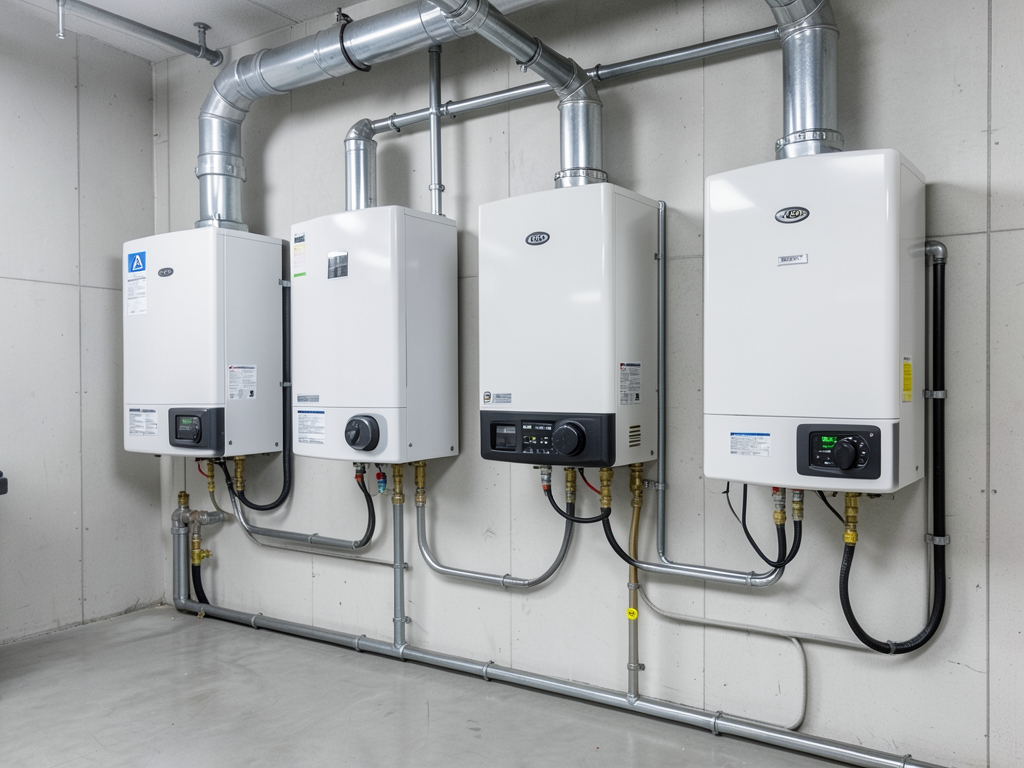
A centralized tankless system uses multiple high-capacity units mounted in a mechanical room to serve all units simultaneously. Unlike individual point-of-use heaters, these systems calculate total building demand and activate units in sequence or parallel to maintain consistent temperature.
The system monitors flow rates across all units and adjusts burner output accordingly. When demand spikes during morning routines, additional units activate automatically. This cascading approach ensures no single unit bears the entire load, extending equipment life and maintaining efficiency.
Ballard’s older apartment buildings often have undersized gas lines that cannot support multiple high-BTU tankless units. A typical 8-unit building requires 1.2-1.5 million BTUs total capacity, which may necessitate gas line upgrades from the street main. Seattle Public Utilities permits for gas line modifications take 2-3 weeks to process.
Key Benefits of Centralized Systems for Ballard Properties
Space savings represent the most immediate advantage. A centralized system occupies 60-70% less floor space than equivalent tank storage, freeing valuable mechanical room area for other equipment or storage. This matters in Ballard’s older buildings where mechanical rooms often double as utility closets.
Energy efficiency improves dramatically because tankless units only heat water when needed. Traditional tanks lose 20-30% of stored heat through standby losses. In Ballard’s climate, where average groundwater temperature is 48°F, this translates to substantial annual savings on utility bills.
Endless hot water capacity eliminates tenant complaints about running out during peak usage. For buildings with electric vehicle charging or high-efficiency laundry facilities, this reliability becomes crucial for tenant satisfaction and retention.
Ballard-Specific Considerations for Tankless Installation
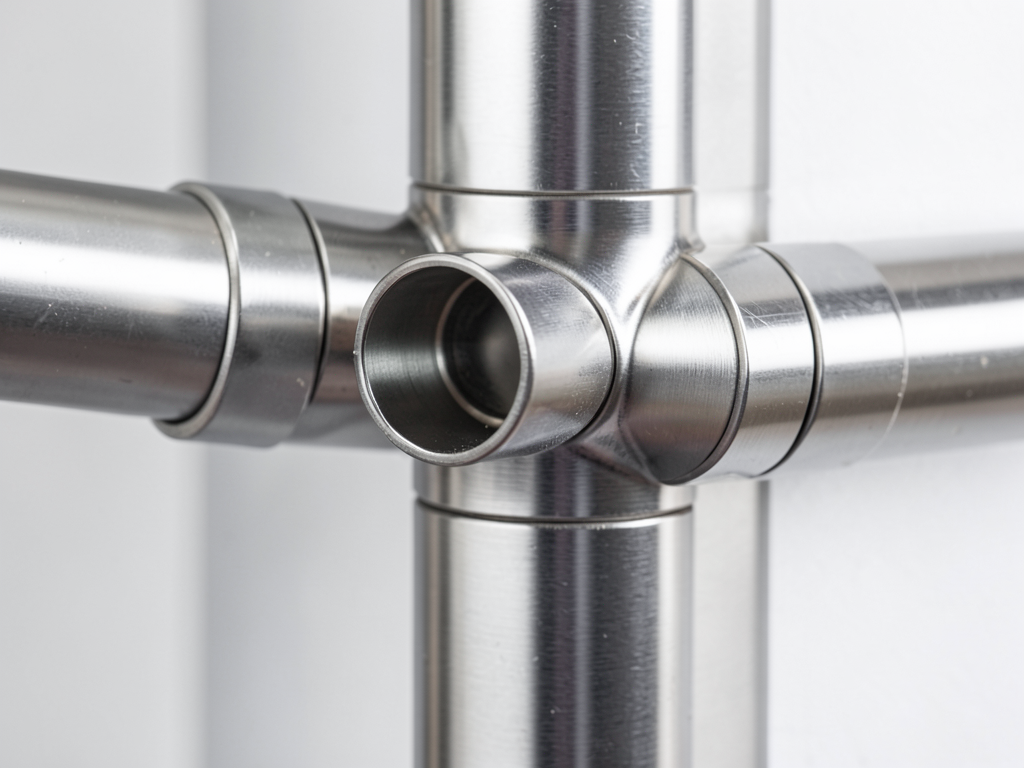
Seattle’s building code requires Category III stainless steel venting for condensing tankless units. This means sealed, corrosion-resistant venting that prevents exhaust gas leakage. In Ballard’s mixed-use buildings, this often requires routing through existing chase walls or installing dedicated vent stacks.
The Cedar River water supply contains moderate hardness levels around 80-100 ppm. This affects heat exchanger scaling rates and requires specific maintenance schedules. Without proper water treatment, scale buildup can reduce efficiency by 15-20% within 3-4 years.
Ballard’s seismic zone classification requires seismic strapping for all gas-fired equipment. This adds installation time but prevents equipment movement during earthquakes. The Seattle Department of Construction and Inspections enforces these requirements strictly.
Load Calculations and Sizing Requirements
Accurate load calculations prevent undersized systems that cannot meet demand. For a typical Ballard apartment building, calculate:
- Peak hour demand: Multiply units by 2.5 GPM (gallons per minute)
- Simultaneous usage factor: Apply 0.75 for overlapping showers
- Temperature rise: Seattle groundwater at 48°F requires 70°F rise for 120°F delivery
A 12-unit building might need 30-35 GPM total capacity, requiring 3-4 commercial tankless units in a cascading configuration. Each unit provides 8-10 GPM at 70°F rise, allowing modular expansion as demand grows. Reliable Commercial Plumbers for South Lake Union Businesses and Restaurants.
Gas meter sizing becomes critical. A 1.5 million BTU system requires a 2-inch gas line from the meter. Older Ballard buildings often have 1-inch lines that cannot support this load, requiring utility upgrades that cost $3,000-5,000.
Installation Requirements and Code Compliance
King County requires permits for all commercial water heater installations. The permit process includes:
- Mechanical plan review ($250-400 fee)
- Gas line inspection before wall closure
- Final inspection including venting verification
- Energy efficiency compliance documentation
Installation typically takes 3-5 days for a complete system swap. This includes removing old tanks, upgrading gas lines, installing new venting, and testing the complete system. Building management must arrange tenant notifications and temporary hot water solutions during the swap.
Venting configurations depend on building layout. Sidewall venting works for buildings with exterior walls within 10 feet of the mechanical room. Otherwise, vertical venting through the roof requires roof penetration sealing and weatherproofing to prevent leaks.
Cost Analysis and ROI Considerations
Initial installation costs range from $15,000-25,000 for a complete centralized system in a 8-12 unit building. This includes equipment, gas line upgrades, venting, and permits. While higher than tank replacement ($8,000-12,000), the energy savings typically provide 3-5 year payback.
Annual maintenance costs average $500-800 for commercial systems. This includes heat exchanger cleaning, gas line pressure testing, and venting inspection. Seattle’s water chemistry necessitates annual descaling to maintain efficiency.
Utility rebates from Puget Sound Energy and Seattle City Light can offset 15-25% of installation costs. These programs require specific efficiency ratings and proper documentation of old equipment removal. Puget Sound Energy.
Maintenance Requirements for Longevity
Commercial tankless systems require quarterly visual inspections and annual professional maintenance. Key maintenance tasks include:
- Heat exchanger descaling using food-grade acid solutions
- Gas burner inspection and cleaning
- Venting system integrity check
- Control board diagnostic testing
Ballard’s water chemistry requires more frequent descaling than systems in softer water areas. Without proper maintenance, efficiency drops 1-2% per year, eventually requiring complete heat exchanger replacement at $1,500-2,500 per unit.
Digital monitoring systems can alert property managers to efficiency drops or maintenance needs. These systems track flow rates, temperature differentials, and error codes, allowing proactive maintenance rather than emergency repairs. How to Get an Emergency Plumber in West Seattle After Hours.
Common Failure Points and Solutions
Undersized gas lines cause the most common failure. When multiple units try to fire simultaneously, gas pressure drops below minimum requirements, causing units to shut down. This creates a cascading failure where the entire system stops working during peak demand.
Improper venting installation leads to condensation damage and exhaust gas leaks. Category III venting requires specific slope angles and sealed connections. Seattle’s rainy climate makes proper installation critical for preventing water intrusion.
Hard water scaling affects heat exchanger efficiency. In Ballard’s moderate-hard water, scale forms a 1/8-inch layer within 3-4 years without treatment. This reduces heat transfer by 15-20%, increasing energy costs and shortening equipment life.
Comparing Top Commercial Tankless Brands
Commercial tankless units differ significantly in reliability, parts availability, and service support. The following comparison focuses on brands with strong Seattle-area distributor networks and proven track records in multi-family applications.
| Brand/Model | BTU Range | GPM Capacity | Warranty | Local Support |
|---|---|---|---|---|
| Rinnai CU199 | 199,000 BTU | 9.8 GPM @ 70°F rise | 12 years heat exchanger | Excellent |
| Navien NPE-2 | 199,000 BTU | 9.6 GPM @ 70°F rise | 15 years heat exchanger | Good |
| Noritz NCC199 | 199,000 BTU | 9.8 GPM @ 70°F rise | 12 years heat exchanger | Fair |
Parts availability matters more than brand reputation in Seattle’s market. Rinnai maintains the largest local parts inventory, with 95% of common parts available same-day. Navien’s parts availability has improved but still lags behind. Noritz has limited local support, requiring 2-3 day shipping for most replacement parts.
Making the Final Decision
A centralized tankless system makes sense for your Ballard apartment building if:
- You have 8+ units with consistent hot water demand
- Your gas service can support 1.5+ million BTUs
- You plan to own the building for 5+ years
- Space savings in the mechanical room are valuable
Consider traditional tanks if your building has:
- Fewer than 8 units
- Gas service limitations
- Short-term ownership plans
- Budget constraints under $12,000
Hybrid systems combining tank storage with tankless technology work well for buildings with moderate demand and gas service limitations. These systems use a small tank for baseline demand and tankless units for peak periods.
Frequently Asked Questions
How long does a centralized tankless system last?
With proper maintenance, commercial tankless units typically last 15-20 years. Heat exchangers may need replacement at 10-12 years depending on water quality and maintenance frequency.
Can I keep my existing gas meter?
Most existing meters cannot support the additional load of multiple tankless units. You’ll need a gas load calculation and possibly a meter upgrade from Puget Sound Energy.
What permits are required in Seattle?
You need mechanical, gas, and possibly electrical permits. The process takes 2-3 weeks and costs $500-800 in permit fees depending on system size.
How much can I save on utilities?
Most buildings see 30-50% reduction in water heating costs. Annual savings typically range from $800-2,500 depending on usage patterns and local utility rates.
Is maintenance really necessary?
Yes. Without annual maintenance, efficiency drops 15-20% within 3-4 years. Warranty requirements also mandate professional maintenance to remain valid.
Next Steps for Your Ballard Property
Before deciding on a centralized tankless system, schedule a professional site assessment. This evaluation examines your building’s gas service capacity, mechanical room layout, and hot water usage patterns. The assessment costs $250-400 but provides the data needed for accurate system sizing and cost estimates.
Call (564) 220-5552 today to schedule your assessment. We’ll evaluate your building’s specific requirements and provide a detailed proposal with equipment options, installation timeline, and projected energy savings. Don’t wait until your existing system fails during peak demand season.
Pick up the phone and call (564) 220-5552 before the next tenant complaint about cold showers. A properly sized centralized tankless system provides reliable hot water while reducing your utility costs and improving tenant satisfaction.
You may also find this helpful. Who is Responsible for Plumbing Repairs in a Central District Rental Unit.
{
“@context”: “https://schema.org”,
“@type”: “BlogPosting”,
“headline”: “Is a Centralized Tankless System Right for Your Ballard Multi-Family Apartment Building?”,
“description”: “Expert guide to centralized tankless water heaters for Ballard apartments. Learn energy savings, code compliance, and sizing for Seattle’s multi-family buildings.”,
“wordCount”: 1593,
“datePublished”: “2026-05-18T09:52:00.000Z”,
“dateModified”: “2026-05-18T09:52:00.000Z”,
“inLanguage”: “en-US”,
“mainEntityOfPage”: {
“@type”: “WebPage”,
“@id”: “https://horizonplumbingseattle.com”
},
“publisher”: {
“@type”: “LocalBusiness”,
“name”: “Horizon Plumbing Seattle”,
“url”: “https://horizonplumbingseattle.com”
},
“author”: {
“@type”: “Organization”,
“name”: “Horizon Plumbing Seattle”,
“url”: “https://horizonplumbingseattle.com”
},
“image”: {
“@type”: “ImageObject”,
“url”: “https://horizonplumbingseattle.com/wp-content/uploads/2026/03/is-a-centralized-tankless-system-right-for-your-ba-1.png”
}
}
{
“@context”: “https://schema.org”,
“@type”: “Plumber”,
“name”: “Horizon Plumbing Seattle”,
“url”: “https://horizonplumbingseattle.com”,
“address”: {
“@type”: “PostalAddress”,
“addressLocality”: “Seattle”
},
“areaServed”: {
“@type”: “City”,
“name”: “Seattle”
}
}
{
“@context”: “https://schema.org”,
“@type”: “FAQPage”,
“mainEntity”: [
{
“@type”: “Question”,
“name”: “How long does a centralized tankless system last?”,
“acceptedAnswer”: {
“@type”: “Answer”,
“text”: “With proper maintenance, commercial tankless units typically last 15-20 years. Heat exchangers may need replacement at 10-12 years depending on water quality and maintenance frequency.”
}
},
{
“@type”: “Question”,
“name”: “Can I keep my existing gas meter?”,
“acceptedAnswer”: {
“@type”: “Answer”,
“text”: “Most existing meters cannot support the additional load of multiple tankless units. You’ll need a gas load calculation and possibly a meter upgrade from Puget Sound Energy.”
}
},
{
“@type”: “Question”,
“name”: “What permits are required in Seattle?”,
“acceptedAnswer”: {
“@type”: “Answer”,
“text”: “You need mechanical, gas, and possibly electrical permits. The process takes 2-3 weeks and costs $500-800 in permit fees depending on system size.”
}
},
{
“@type”: “Question”,
“name”: “How much can I save on utilities?”,
“acceptedAnswer”: {
“@type”: “Answer”,
“text”: “Most buildings see 30-50% reduction in water heating costs. Annual savings typically range from $800-2,500 depending on usage patterns and local utility rates.”
}
},
{
“@type”: “Question”,
“name”: “Is maintenance really necessary?”,
“acceptedAnswer”: {
“@type”: “Answer”,
“text”: “Yes. Without annual maintenance, efficiency drops 15-20% within 3-4 years. Warranty requirements also mandate professional maintenance to remain valid.”
}
}
]
}
{
“@context”: “https://schema.org”,
“@type”: “BreadcrumbList”,
“itemListElement”: [
{
“@type”: “ListItem”,
“position”: 1,
“name”: “Home”,
“item”: “https://horizonplumbingseattle.com”
},
{
“@type”: “ListItem”,
“position”: 2,
“name”: “Blog”,
“item”: “https://horizonplumbingseattle.com/blog”
},
{
“@type”: “ListItem”,
“position”: 3,
“name”: “Is a Centralized Tankless System Right for Your Ballard Multi-Family Apartment Building?”
}
]
}
{
“@context”: “https://schema.org”,
“@type”: “Service”,
“serviceType”: “Plumbing”,
“provider”: {
“@type”: “LocalBusiness”,
“name”: “Horizon Plumbing Seattle”,
“url”: “https://horizonplumbingseattle.com”
},
“areaServed”: {
“@type”: “City”,
“name”: “Seattle”
},
“description”: “Expert guide to centralized tankless water heaters for Ballard apartments. Learn energy savings, code compliance, and sizing for Seattle’s multi-family buildings.”
}