The Process of Converting from Septic to City Sewer in Kenmore
Homeowners in Kenmore face unique challenges when converting from septic to city sewer. The process involves navigating King County regulations, obtaining specific permits, and coordinating with multiple agencies. This guide breaks down each step so you know exactly what to expect. King County Public Health septic systems information.
Understanding Your Property’s Current Setup
Before starting any conversion, you need to know your property’s existing septic system details. Most Kenmore homes built before 1980 use conventional gravity-fed septic systems. These systems typically have a concrete tank buried 6-8 feet underground with a drain field covering 400-800 square feet.. Read more about Choosing the Right Drain Snake for Your Clogged Ballard Sewer Line (DIY vs Rental vs Professional).

A technician uses ground-penetrating radar to locate septic tank and drain field boundaries before conversion planning begins.
Initial Assessment and Site Survey
The first step requires a licensed septic professional to conduct a thorough site assessment. This evaluation includes soil testing to determine percolation rates and identifying the location of your current septic components. Kenmore’s glacial till soil often creates drainage challenges that affect conversion planning.
During the site survey, technicians measure the distance from your home to the nearest city sewer main. In Kenmore, most sewer lines run along major roads like NE 195th Street and Juanita Drive. The typical distance ranges from 50 to 200 feet, but some properties require longer runs. Trenchless Sewer Repair Options for Historic Capitol Hill Homes.
Permit Requirements and Documentation
Converting from septic to city sewer in Kenmore requires multiple permits from King County and the City of Kenmore. The primary permit is the Side Sewer Permit, which costs approximately $450 and takes 2-3 weeks to process. King County Side Sewer Permit information.
You’ll also need a Septic Tank Abandonment Permit from King County Public Health. This permit ensures proper decommissioning of your existing system according to WAC 246-272A-0250 standards. The abandonment process involves pumping the tank, breaking its bottom, and filling it with clean soil.
Key Permits Required:
- Side Sewer Permit – King County
- Septic Tank Abandonment Permit – King County Public Health
- Right-of-Way Permit – City of Kenmore (if street work needed)
Cost Breakdown and Financial Considerations
The total cost for septic to sewer conversion in Kenmore typically ranges from $12,000 to $28,000 depending on property specifics. Several factors influence the final price.. Read more about Sewer Line Spot Repair vs Full Replacement (How to Choose for Your Wallingford Property).
| Cost Component | Typical Range | Notes |
|---|---|---|
| Permit Fees | $600 – $900 | Includes side sewer and abandonment permits |
| Excavation | $15 – $25 per linear foot | Based on trench depth and soil conditions |
| Sewer Line Installation | $3,000 – $8,000 | 4-inch PVC pipe with proper bedding |
| Decommissioning | $1,500 – $3,000 | Pumping, breaking, and backfilling tank |
| Total Project Cost | $12,000 – $28,000 | Average $20,000 for typical Kenmore home |
The Step-by-Step Conversion Process
The conversion follows a specific sequence to ensure compliance and minimize disruption. Here’s what happens during each phase.
- Site Evaluation
Technicians perform soil tests, locate existing septic components, and measure distances to city sewer main.
- Permit Acquisition
Submit applications to King County and City of Kenmore. Wait 2-3 weeks for approval.
- Utility Location
Call 811 to mark underground utilities before excavation begins.
- Excavation and Installation
Dig trench, install new sewer line, and connect to city main.
- Septic Abandonment
Pump and decommission existing septic tank according to regulations.
- Final Inspection
King County inspector verifies all work meets code requirements.
Technical Considerations for Kenmore Properties
Kenmore’s specific geography creates unique challenges for septic to sewer conversions. The area’s glacial till soil contains clay layers that affect drainage and require special trenching techniques.
Properties near Lake Washington face additional considerations. The high water table in these areas may require dewatering systems during excavation. Some homes in the Northshore School District area sit on slopes that necessitate pump systems instead of gravity flow.
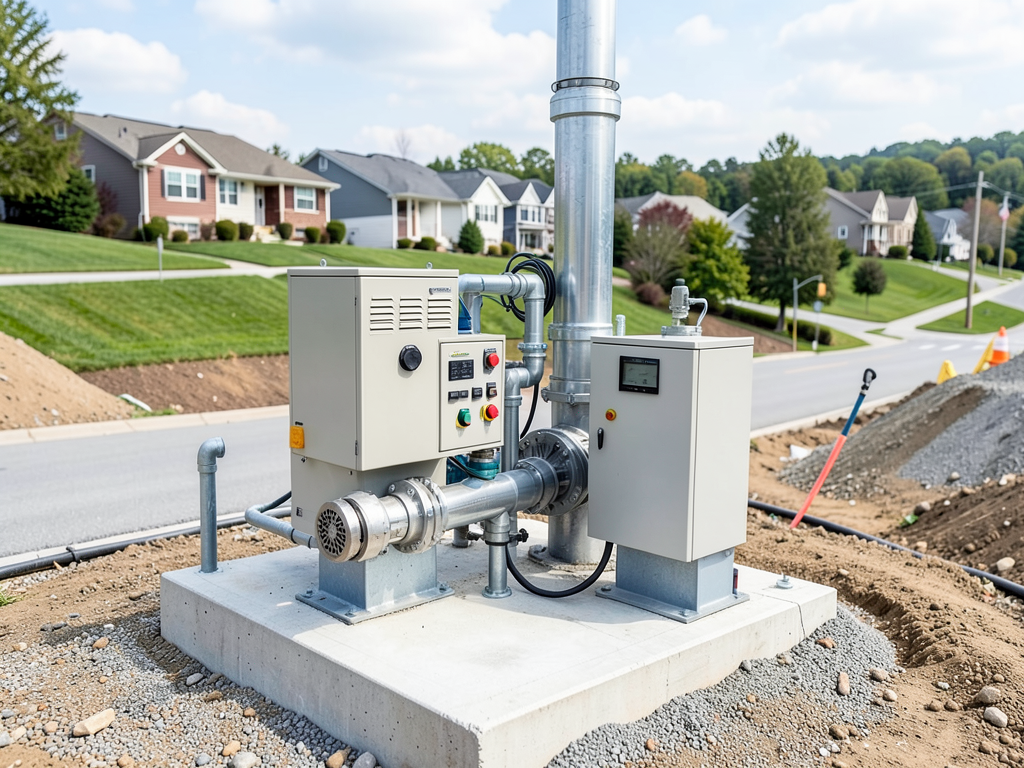
A pump station installation showing the grinder pump and control panel required for uphill sewer connections in Kenmore’s sloped neighborhoods.
Timeline and Project Duration
A typical septic to sewer conversion in Kenmore takes 4-6 weeks from start to finish. The timeline breaks down into distinct phases.
Phase 1: Planning (1-2 weeks)
Permits, site surveys, and utility locates occur during this phase.
Phase 2: Installation (3-5 days)
Actual excavation and sewer line installation happens quickly when weather permits.
Phase 3: Inspection and Completion (1-2 weeks)
County inspections and final connections complete the project.
Common Challenges and Solutions
Several issues commonly arise during Kenmore conversions. Understanding these challenges helps you prepare for potential complications.
Tree Root Interference
Many Kenmore properties have mature trees near the planned sewer route. Professional root pruning and protective barriers prevent damage to both trees and new piping.
Underground Obstacles
Older homes may have unexpected utilities or structures underground. Ground-penetrating radar and careful excavation minimize surprises.
Weather Delays
Kenmore’s rainy climate can slow excavation work. Professional contractors use tarps and proper drainage to maintain progress during wet periods.
Environmental and Property Value Benefits
Converting from septic to city sewer provides multiple benefits beyond just compliance. The environmental impact reduction is significant, especially for properties near Lake Washington.
City sewer connections eliminate the risk of septic system failures that can contaminate groundwater. This is particularly important in Kenmore’s sensitive watershed areas. Properties with city sewer connections typically see 3-5% increases in market value compared to similar homes with septic systems.
Post-Conversion Considerations
After completing your conversion, several important steps ensure long-term success. First, maintain records of all permits, inspections, and contractor information for future reference.
Monitor your new sewer connection for the first few months. Listen for unusual sounds in drain lines and watch for slow drains that might indicate installation issues. Most problems, if they occur, show up within the first 30 days.
Consider having your lateral line inspected with a camera every 3-5 years. This preventive maintenance helps identify potential issues before they become major problems.
Choosing the Right Contractor
Selecting a qualified contractor makes the difference between a smooth conversion and a problematic project. Look for companies with specific experience in King County septic to sewer conversions.
Verify that your contractor carries proper insurance and has current King County contractor registration. Ask for references from recent Kenmore conversions and check their Better Business Bureau rating.
Professional contractors provide detailed written estimates that break down all costs. They should also explain their process for handling unexpected issues that arise during excavation.
A completed septic to sewer conversion showing the clean connection to the city main and restored landscaping in a Kenmore neighborhood.
Frequently Asked Questions
How long does the entire conversion process take?
The complete process typically takes 4-6 weeks, including permit approval, installation, and final inspection. Weather and unexpected underground obstacles can extend this timeline.
Can I continue using my septic system during the conversion?
Yes, you can maintain your septic system while the conversion is in progress. The new sewer connection is installed alongside your existing system until final connections are made.
What happens to my drain field after conversion?
Once the septic system is decommissioned, the drain field can be filled in and restored with grass or landscaping. Some homeowners choose to install new features like patios or gardens in these areas.
Are there any financial assistance programs available?
King County occasionally offers low-interest loans or grants for septic to sewer conversions, particularly in environmentally sensitive areas. Check with King County Public Health for current programs.
Will I need to replace my indoor plumbing?
No, the conversion only affects the connection from your home to the city sewer main. Your existing indoor plumbing remains unchanged. Plumbing Bothell.
Ready to convert from septic to city sewer in Kenmore? Call (564) 220-5552 today to schedule your site assessment. Our experienced team understands Kenmore’s specific requirements and can guide you through every step of the process.
Don’t wait until your septic system fails. Contact us now to learn about your conversion options and get started on the path to reliable city sewer service. Reliable Commercial Plumbers for South Lake Union Businesses and Restaurants.
{
“@context”: “https://schema.org”,
“@type”: “BlogPosting”,
“headline”: “The Process of Converting from Septic to City Sewer in Kenmore”,
“description”: “Learn the step-by-step process of converting from septic to city sewer in Kenmore. Understand permits, costs, timelines, and local requirements for a smooth transition.”,
“wordCount”: 1317,
“datePublished”: “2026-05-23T07:35:00.000Z”,
“dateModified”: “2026-05-23T07:35:00.000Z”,
“inLanguage”: “en-US”,
“mainEntityOfPage”: {
“@type”: “WebPage”,
“@id”: “https://horizonplumbingseattle.com”
},
“publisher”: {
“@type”: “LocalBusiness”,
“name”: “Horizon Plumbing Seattle”,
“url”: “https://horizonplumbingseattle.com”
},
“author”: {
“@type”: “Organization”,
“name”: “Horizon Plumbing Seattle”,
“url”: “https://horizonplumbingseattle.com”
},
“image”: {
“@type”: “ImageObject”,
“url”: “https://horizonplumbingseattle.com/wp-content/uploads/2026/03/the-process-of-converting-from-septic-to-city-sewe-1.png”
}
}
{
“@context”: “https://schema.org”,
“@type”: “Plumber”,
“name”: “Horizon Plumbing Seattle”,
“url”: “https://horizonplumbingseattle.com”,
“address”: {
“@type”: “PostalAddress”,
“addressLocality”: “Seattle”
},
“areaServed”: {
“@type”: “City”,
“name”: “Seattle”
}
}
{
“@context”: “https://schema.org”,
“@type”: “FAQPage”,
“mainEntity”: [
{
“@type”: “Question”,
“name”: “How long does the entire conversion process take?”,
“acceptedAnswer”: {
“@type”: “Answer”,
“text”: “The complete process typically takes 4-6 weeks, including permit approval, installation, and final inspection. Weather and unexpected underground obstacles can extend this timeline.”
}
},
{
“@type”: “Question”,
“name”: “Can I continue using my septic system during the conversion?”,
“acceptedAnswer”: {
“@type”: “Answer”,
“text”: “Yes, you can maintain your septic system while the conversion is in progress. The new sewer connection is installed alongside your existing system until final connections are made.”
}
},
{
“@type”: “Question”,
“name”: “What happens to my drain field after conversion?”,
“acceptedAnswer”: {
“@type”: “Answer”,
“text”: “Once the septic system is decommissioned, the drain field can be filled in and restored with grass or landscaping. Some homeowners choose to install new features like patios or gardens in these areas.”
}
},
{
“@type”: “Question”,
“name”: “Are there any financial assistance programs available?”,
“acceptedAnswer”: {
“@type”: “Answer”,
“text”: “King County occasionally offers low-interest loans or grants for septic to sewer conversions, particularly in environmentally sensitive areas. Check with King County Public Health for current programs.”
}
},
{
“@type”: “Question”,
“name”: “Will I need to replace my indoor plumbing?”,
“acceptedAnswer”: {
“@type”: “Answer”,
“text”: “No, the conversion only affects the connection from your home to the city sewer main. Your existing indoor plumbing remains unchanged. Plumbing Bothell.”
}
}
]
}
{
“@context”: “https://schema.org”,
“@type”: “HowTo”,
“name”: “Septic to Sewer Conversion Process”,
“step”: [
{
“@type”: “HowToStep”,
“position”: 1,
“name”: “Site Evaluation”,
“text”: “Technicians perform soil tests, locate existing septic components, and measure distances to city sewer main.”
},
{
“@type”: “HowToStep”,
“position”: 2,
“name”: “Permit Acquisition”,
“text”: “Submit applications to King County and City of Kenmore. Wait 2-3 weeks for approval.”
},
{
“@type”: “HowToStep”,
“position”: 3,
“name”: “Utility Location”,
“text”: “Call 811 to mark underground utilities before excavation begins.”
},
{
“@type”: “HowToStep”,
“position”: 4,
“name”: “Excavation and Installation”,
“text”: “Dig trench, install new sewer line, and connect to city main.”
},
{
“@type”: “HowToStep”,
“position”: 5,
“name”: “Septic Abandonment”,
“text”: “Pump and decommission existing septic tank according to regulations.”
},
{
“@type”: “HowToStep”,
“position”: 6,
“name”: “Final Inspection”,
“text”: “King County inspector verifies all work meets code requirements.”
}
],
“image”: “https://horizonplumbingseattle.com/wp-content/uploads/2026/03/the-process-of-converting-from-septic-to-city-sewe-1.png”
}
{
“@context”: “https://schema.org”,
“@type”: “BreadcrumbList”,
“itemListElement”: [
{
“@type”: “ListItem”,
“position”: 1,
“name”: “Home”,
“item”: “https://horizonplumbingseattle.com”
},
{
“@type”: “ListItem”,
“position”: 2,
“name”: “Blog”,
“item”: “https://horizonplumbingseattle.com/blog”
},
{
“@type”: “ListItem”,
“position”: 3,
“name”: “The Process of Converting from Septic to City Sewer in Kenmore”
}
]
}
{
“@context”: “https://schema.org”,
“@type”: “Service”,
“serviceType”: “Plumbing”,
“provider”: {
“@type”: “LocalBusiness”,
“name”: “Horizon Plumbing Seattle”,
“url”: “https://horizonplumbingseattle.com”
},
“areaServed”: {
“@type”: “City”,
“name”: “Seattle”
},
“description”: “Learn the step-by-step process of converting from septic to city sewer in Kenmore. Understand permits, costs, timelines, and local requirements for a smooth transition.”
}