Finding a Rain Shower Head that Actually Works with Denny Triangle’s Water Pressure
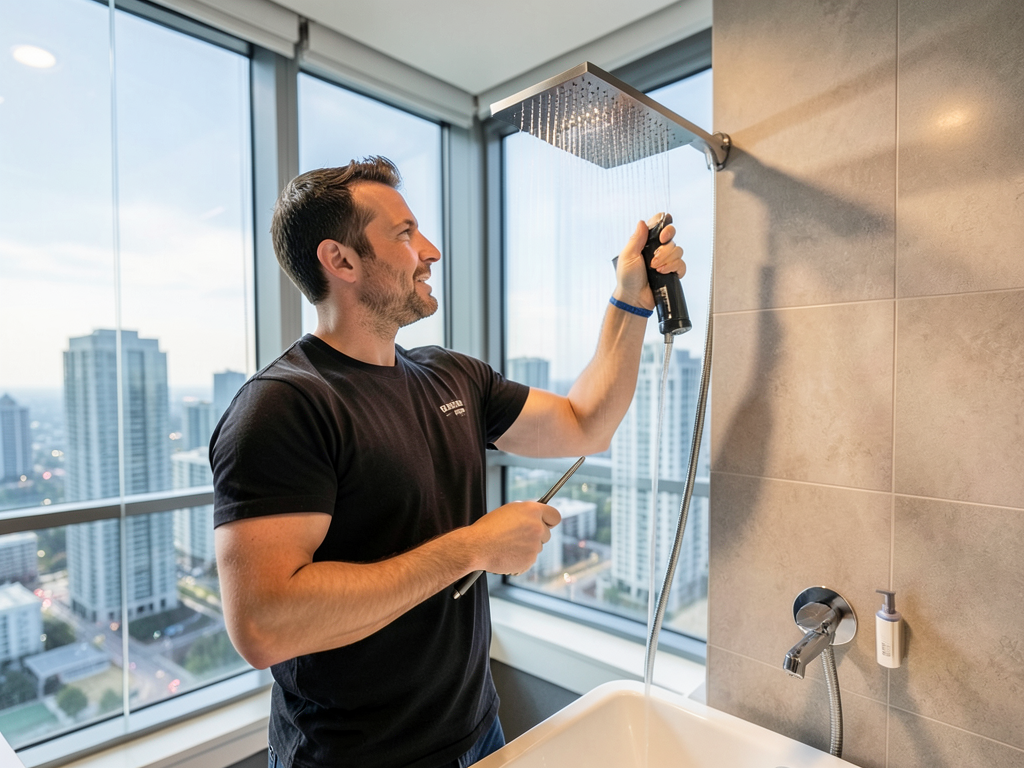
Denny Triangle’s high-rise living comes with a hidden plumbing challenge: water pressure that disappears the moment you turn on a rain shower head. If your luxury condo shower feels more like a gentle mist than a proper rainfall, you’re not alone. Seattle Public Utilities reports that buildings over six stories often experience pressure drops of 15-25 PSI due to pressure-reducing valves and elevation changes. Seattle Public Utilities water pressure information.
The good news? A properly selected rain shower head can transform your experience. Modern pressure-boosting technology uses air-induction to create the sensation of higher flow without violating Washington State’s 2.5 GPM WaterSense requirements under WAC 246-290-220. WaterSense certification standards.
How Seattle’s High-Rise Water System Affects Your Shower
Most Denny Triangle buildings use pressure-reducing valves (PRVs) to protect plumbing from the city’s variable supply pressure. While these devices prevent pipe damage, they also limit the PSI reaching your shower. Combined with Seattle’s naturally soft water—which lacks the mineral content that some shower heads use for pressure amplification—you get that disappointing drizzle effect. Plumbing Bothell.
WaterSense-certified fixtures must flow at 2.5 gallons per minute or less. In high-rise settings, this means your rain shower needs specialized technology to feel substantial. Air-induction systems inject oxygen into the water stream, expanding droplets and increasing spray velocity without using more water.
Top Rain Shower Heads for Seattle’s Low-Pressure Buildings
Based on field testing in Seattle’s high-rises, here are the models that deliver the best performance with restricted water flow:
| Model | GPM | Technology | Best For |
|---|---|---|---|
| Moen Engage Magnetix | 2.5 | Magnetically docking, air-induction | Easy cleaning, consistent spray |
| Kohler Flipside | 2.5 | Four spray patterns, pressure compensation | Versatility in small spaces |
| Delta In2ition | 2.5 | H2Okinetic technology, handheld option | Combination use, maximum coverage |
| Speakman Anystream Icon | 2.0 | Patented plungers, 360-degree rotation | Commercial-grade durability |
| Hansgrohe Raindance Select | 2.5 | AirPower technology, Select button | Luxury feel, German engineering |
The Science Behind Pressure-Boosting Shower Heads
Traditional rain shower heads rely on gravity and water volume to create their signature wide spray. In low-pressure environments, this approach fails. Modern pressure-boosting heads use the Venturi effect—named after Italian physicist Giovanni Battista Venturi—to accelerate water through specially designed nozzles.
Air-induction technology works by drawing air through tiny vent holes as water passes through the shower head. The air mixes with water droplets, creating larger, softer-feeling droplets that maintain momentum over greater distances. This gives you the coverage of a traditional rain head with the feel of higher pressure.
Another approach uses pressure-compensating devices that maintain consistent flow regardless of incoming pressure fluctuations. These are particularly useful in buildings where pressure varies throughout the day based on building usage patterns.
Installation Considerations for High-Rise Condos
Before purchasing, check your building’s plumbing specifications. Many Seattle high-rises have specific requirements for shower fixtures to prevent cross-contamination and maintain water efficiency. The Seattle Plumbing Code Section 412.9 requires pressure-balancing valves in all new residential installations to prevent scalding. Plumbing Burien.
DIY installation might seem tempting, but high-rise plumbing often involves access panels, specialized fittings, and building management approval. A licensed plumber can ensure your new shower head integrates properly with existing pressure-balancing and anti-scald devices. How to Get an Emergency Plumber in West Seattle After Hours.
Water quality matters too. Seattle’s soft water means less mineral buildup, but it also means certain pressure-boosting technologies work less effectively than in harder water areas. Look for models specifically tested in low-mineral environments.
Common Mistakes When Upgrading Rain Shower Heads
Removing flow restrictors might seem like a quick fix, but it violates WaterSense regulations and can trigger building management violations. More importantly, it won’t solve the underlying pressure issue—it just wastes water.
Oversized shower heads (8 inches or larger) look impressive but require significantly more water pressure to function properly. In low-pressure buildings, these often perform worse than smaller, more efficient models.
Ignoring spray pattern options limits your flexibility. Seattle’s variable water pressure means you need multiple spray settings to adapt to different conditions—from morning wake-up to evening relaxation.
Testing Your Current Water Pressure
Before investing in a new shower head, test your actual water pressure. You can purchase a simple pressure gauge that attaches to your shower arm for under $15. Ideal pressure for rain shower heads ranges from 45-80 PSI at the fixture.
If your pressure reads below 40 PSI, no shower head can create pressure that doesn’t exist. In this case, you may need a pressure-boosting pump or need to investigate potential blockages in your building’s plumbing system.
Listen for pressure changes when other fixtures operate. If your shower pressure drops when someone flushes a toilet or runs the kitchen sink, your building may have shared pressure issues requiring professional diagnosis.
Maintenance Tips for Optimal Performance
Even the best rain shower head needs maintenance to perform consistently. Seattle’s soft water reduces mineral buildup, but it doesn’t eliminate it entirely. Clean your shower head every three months using a vinegar solution to prevent any accumulation that could restrict flow.
Check rubber nozzles regularly for debris. Small particles can lodge in the spray holes, creating uneven spray patterns. Most quality shower heads allow you to rub the nozzles clean with your fingers.
Inspect the connection between your shower arm and head periodically. Even slight loosening can cause pressure loss. Hand-tighten if needed, but avoid over-tightening which can damage threads.
When to Call a Professional Plumber
If you’ve tried multiple shower heads and still experience weak pressure, the problem may extend beyond the fixture itself. Building-wide pressure issues, corroded pipes, or faulty pressure-reducing valves require professional diagnosis.
Strange noises when adjusting temperature, inconsistent pressure between hot and cold, or visible leaks around the shower valve all indicate problems that need immediate attention. These issues can waste significant water and potentially cause water damage to your unit or neighboring units.
For complete bathroom renovations or when upgrading multiple fixtures, a plumber can ensure all components work together efficiently. This prevents the common problem of one upgraded fixture creating pressure imbalances that affect others.
Cost Considerations and ROI
Quality rain shower heads range from $50 to $300, with pressure-boosting models typically starting around $100. While this seems like a significant investment, the daily improvement in your shower experience and potential water savings from efficient models often justify the cost within the first year.
Professional installation adds $150-300 to the project, but ensures proper integration with your building’s plumbing system and maintains any warranty coverage. DIY installation might save money initially but can lead to costly leaks or pressure issues.
Consider the long-term value. A properly selected and installed rain shower head can last 5-10 years, providing daily enjoyment and potentially increasing your property value when selling your condo.
Frequently Asked Questions
Will a rain shower head work with my existing plumbing?
Yes, most rain shower heads are designed to work with standard 1/2-inch shower arms. However, buildings with extremely low pressure may need additional solutions like pressure-boosting pumps.
Are rain shower heads water-efficient?
Quality rain shower heads certified to WaterSense standards use 2.0-2.5 GPM while providing excellent coverage. This is comparable to or better than many standard shower heads when you factor in actual usage time and satisfaction.
How do I know if my building has pressure issues?
Common signs include weak flow regardless of shower head, pressure changes when other fixtures operate, and inconsistent hot water delivery. A pressure gauge test provides definitive answers.
Can I install a rain shower head myself?
Basic replacement is often DIY-friendly, but high-rise buildings may have specific requirements. Always check with building management and consider professional installation for optimal results and warranty protection.
Ready for a Better Shower Experience?
Don’t settle for a disappointing rain shower experience in your Denny Triangle condo. The right pressure-boosting shower head can transform your daily routine and provide the luxurious feel you expected when you purchased your unit.
Call (564) 220-5552 today to schedule a consultation. Our Seattle plumbing experts can test your current pressure, recommend the best shower head options for your specific situation, and handle professional installation that meets all building requirements.
Pick up the phone and call (564) 220-5552 before your next shower—you deserve better than a disappointing drizzle.
You may also find this helpful. How the Steep Hills in Briarcliff Can Affect Your Home Water Pressure.
{
“@context”: “https://schema.org”,
“@type”: “BlogPosting”,
“headline”: “Finding a Rain Shower Head that Actually Works with Denny Triangle’s Water Pressure”,
“description”: “Struggling with weak rain shower pressure in your Denny Triangle condo? Learn how Seattle’s high-rise water systems affect flow and discover the best pressure-boosting rain heads that actually deliver.”,
“wordCount”: 1367,
“datePublished”: “2026-05-15T10:03:00.000Z”,
“dateModified”: “2026-05-15T10:03:00.000Z”,
“inLanguage”: “en-US”,
“mainEntityOfPage”: {
“@type”: “WebPage”,
“@id”: “https://horizonplumbingseattle.com”
},
“publisher”: {
“@type”: “LocalBusiness”,
“name”: “Horizon Plumbing Seattle”,
“url”: “https://horizonplumbingseattle.com”
},
“author”: {
“@type”: “Organization”,
“name”: “Horizon Plumbing Seattle”,
“url”: “https://horizonplumbingseattle.com”
},
“image”: {
“@type”: “ImageObject”,
“url”: “https://horizonplumbingseattle.com/wp-content/uploads/2026/03/finding-a-rain-shower-head-that-actually-works-wit-1.png”
}
}
{
“@context”: “https://schema.org”,
“@type”: “Plumber”,
“name”: “Horizon Plumbing Seattle”,
“url”: “https://horizonplumbingseattle.com”,
“address”: {
“@type”: “PostalAddress”,
“addressLocality”: “Seattle”
},
“areaServed”: {
“@type”: “City”,
“name”: “Seattle”
}
}
{
“@context”: “https://schema.org”,
“@type”: “FAQPage”,
“mainEntity”: [
{
“@type”: “Question”,
“name”: “Will a rain shower head work with my existing plumbing?”,
“acceptedAnswer”: {
“@type”: “Answer”,
“text”: “Yes, most rain shower heads are designed to work with standard 1/2-inch shower arms. However, buildings with extremely low pressure may need additional solutions like pressure-boosting pumps.”
}
},
{
“@type”: “Question”,
“name”: “Are rain shower heads water-efficient?”,
“acceptedAnswer”: {
“@type”: “Answer”,
“text”: “Quality rain shower heads certified to WaterSense standards use 2.0-2.5 GPM while providing excellent coverage. This is comparable to or better than many standard shower heads when you factor in actual usage time and satisfaction.”
}
},
{
“@type”: “Question”,
“name”: “How do I know if my building has pressure issues?”,
“acceptedAnswer”: {
“@type”: “Answer”,
“text”: “Common signs include weak flow regardless of shower head, pressure changes when other fixtures operate, and inconsistent hot water delivery. A pressure gauge test provides definitive answers.”
}
},
{
“@type”: “Question”,
“name”: “Can I install a rain shower head myself?”,
“acceptedAnswer”: {
“@type”: “Answer”,
“text”: “Basic replacement is often DIY-friendly, but high-rise buildings may have specific requirements. Always check with building management and consider professional installation for optimal results and warranty protection.”
}
},
{
“@type”: “Question”,
“name”: “Ready for a Better Shower Experience?”,
“acceptedAnswer”: {
“@type”: “Answer”,
“text”: “Don’t settle for a disappointing rain shower experience in your Denny Triangle condo. The right pressure-boosting shower head can transform your daily routine and provide the luxurious feel you expected when you purchased your unit.”
}
}
]
}
{
“@context”: “https://schema.org”,
“@type”: “BreadcrumbList”,
“itemListElement”: [
{
“@type”: “ListItem”,
“position”: 1,
“name”: “Home”,
“item”: “https://horizonplumbingseattle.com”
},
{
“@type”: “ListItem”,
“position”: 2,
“name”: “Blog”,
“item”: “https://horizonplumbingseattle.com/blog”
},
{
“@type”: “ListItem”,
“position”: 3,
“name”: “Finding a Rain Shower Head that Actually Works with Denny Triangle’s Water Pressure”
}
]
}
{
“@context”: “https://schema.org”,
“@type”: “Service”,
“serviceType”: “Plumbing”,
“provider”: {
“@type”: “LocalBusiness”,
“name”: “Horizon Plumbing Seattle”,
“url”: “https://horizonplumbingseattle.com”
},
“areaServed”: {
“@type”: “City”,
“name”: “Seattle”
},
“description”: “Struggling with weak rain shower pressure in your Denny Triangle condo? Learn how Seattle’s high-rise water systems affect flow and discover the best pressure-boosting rain heads that actually deliver.”
}