Adding a Wet Bar to Your North Admiral View Home (What You Need to Know)
Planning a wet bar in your North Admiral View home means understanding Seattle’s specific plumbing requirements before you start. The steep slopes and historic homes in this West Seattle neighborhood create unique drainage challenges that generic bar installations don’t address. You need proper venting, drainage, and code compliance to avoid costly rework later. Seattle Department of Construction and Inspections.
North Admiral’s proximity to Puget Sound means high groundwater levels can affect basement installations. Homes built before 1980 often have galvanized pipes that may not handle modern bar fixture demands. A professional assessment identifies these issues before construction begins.
Seattle Department of Construction and Inspections requires permits for any new plumbing fixture installation. This includes wet bars with sinks, ice makers, or beverage dispensers. The permitting process ensures your installation meets current Uniform Plumbing Code standards and protects your home’s value. Uniform Plumbing Code.
Seattle Plumbing Permit Requirements for Wet Bars
Seattle’s SDCI requires permits for wet bar installations that add new plumbing fixtures. This applies whether you’re building in a basement, bonus room, or kitchen area. The permit process includes plan review to verify compliance with Seattle Plumbing Code and Uniform Plumbing Code requirements. Plumbing Bothell.
Permits cost between $250 and $500 depending on the project scope. You’ll need detailed plumbing plans showing fixture locations, supply lines, drain routes, and venting. North Admiral homes often require additional documentation due to hillside drainage considerations. Plumbing Burien.
Work cannot begin until permit approval. Inspections occur at rough-in and final stages. Missing inspections can result in stop-work orders and fines. Licensed plumbers handle permit applications and coordinate inspections as part of their service. How to Get an Emergency Plumber in West Seattle After Hours.
Drainage Solutions for North Admiral Basements
Basement wet bars in North Admiral face gravity drainage challenges due to hillside locations. Many homes sit above or below grade, requiring specialized solutions. Ejector pumps become necessary when drain lines can’t flow downhill to main sewer connections. Trenchless Sewer Repair Options for Historic Capitol Hill Homes.
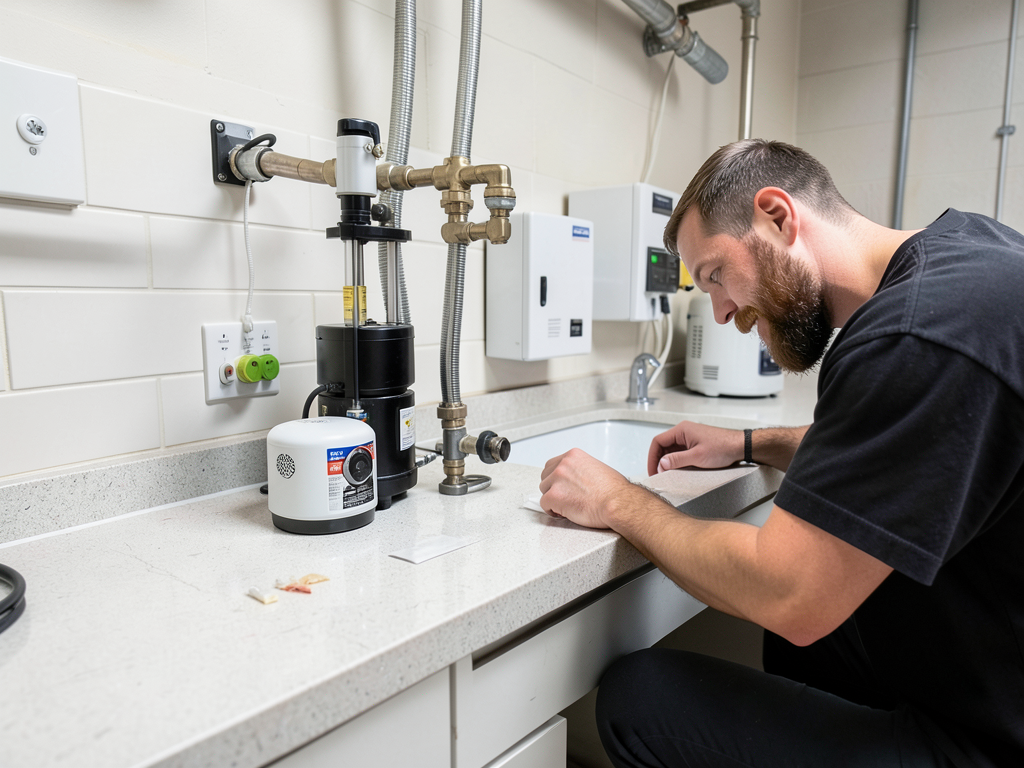
Macerating systems grind waste and pump it vertically through small-diameter pipes. These work well in finished basements where traditional 2-inch drain lines aren’t feasible. The systems handle sink waste, ice maker drainage, and dishwasher discharge from bar areas.
Floor drains provide secondary protection against leaks and spills. Seattle code requires them in basement wet bars when fixtures are below grade. The drains connect to sump systems or ejector pumps, preventing water damage to finished spaces.
Water Supply Line Requirements
Wet bars need dedicated hot and cold water lines. PEX piping offers flexibility for tight spaces and resists freezing better than copper in hillside homes. Supply lines must include shut-off valves accessible without removing walls or panels.
Ice makers require 1/4-inch supply lines with dedicated shut-off valves. Wine coolers and beverage dispensers may need filtered water lines. The Seattle Plumbing Code mandates backflow prevention devices on all beverage dispensing equipment to protect the municipal water supply.
Water pressure in North Admiral typically ranges from 40 to 80 psi. Homes at higher elevations may need pressure regulators to prevent fixture damage. Pressure testing during installation identifies leaks before walls close up.
Venting Requirements and Air Admittance Valves
Proper venting prevents trap siphoning and sewer gas entry. Traditional venting runs through roofs, but Air Admittance Valves (AAVs) offer alternatives in finished spaces. AAVs open when fixtures drain, allowing air in without roof penetration.
Seattle code permits AAVs in single-family homes but limits their use. Each AAV serves one or two fixtures maximum. They must be accessible for replacement and installed within 6 feet of the fixture trap.
Island wet bars often use AAVs since roof venting isn’t practical. The valves install under cabinets or in utility spaces. Testing ensures they open and close properly under various drainage conditions. Mercer Island Trenchless Pipe Lining and Sewer Solutions.
Fixture Selection and Installation
Bar sinks differ from kitchen sinks in size and depth. Standard bar sinks measure 15-20 inches wide and 6-8 inches deep. This smaller size affects drain line sizing and trap selection. The trap must maintain proper water seal despite the shallow sink.
Specialty appliances need specific plumbing connections. Under-counter ice makers require both water supply and drainage. Wine coolers with water lines need filtered supply and condensate drainage. Each appliance has manufacturer-specific installation requirements.
Faucet selection impacts water usage and installation. Bar faucets typically use 1.5-2.2 gallons per minute versus 2.2-2.5 for kitchen faucets. Low-flow models help conserve water in Seattle’s climate while maintaining adequate pressure for bar use.
Cost Factors for North Admiral Wet Bar Plumbing
Installation costs vary based on several factors. Distance from existing plumbing affects labor and material costs. Each linear foot of new supply or drain line adds $20-40 to the project. Basement installations often cost more due to accessibility challenges.
Floor material impacts installation complexity. Concrete floors require jackhammering for new drain lines. Wood floors allow easier access but may need reinforcement for heavy fixtures. Existing plumbing condition also affects costs if upgrades are necessary.
Permit fees, inspection costs, and specialized equipment like ejector pumps add to the total. A basic wet bar installation starts around $2,500 while complex basement installations with pumps can exceed $8,000.
Common Installation Mistakes to Avoid
Insufficient slope on drain lines causes frequent clogs. Drain lines need 1/4-inch drop per foot minimum. Improper venting leads to slow drainage and trap failures. Missing shut-off valves make future repairs difficult and code violations.
Using incorrect pipe sizes creates pressure problems. Supply lines under 1/2-inch diameter restrict flow to multiple fixtures. Drain lines smaller than 1.5 inches clog easily with bar waste. Mixing materials without proper transitions causes leaks.
Skipping permits results in inspection failures and potential fines. Unpermitted work may need removal for inspection access. DIY installations often miss code requirements that professionals handle routinely.
North Admiral Specific Considerations
North Admiral’s hillside location affects drainage planning. Homes on steep slopes may need additional support for plumbing runs. The area’s marine climate means higher humidity, requiring moisture-resistant materials and proper ventilation.
Many North Admiral homes date from the 1920s-1950s with original plumbing systems. These often use galvanized steel that corrodes internally. Replacement with modern materials prevents future failures but adds to project complexity.
The neighborhood’s proximity to Puget Sound means higher water tables in some areas. Basement installations may require waterproofing membranes and sump pumps even without bar fixtures. These conditions affect both installation methods and material choices.
Professional Installation Process
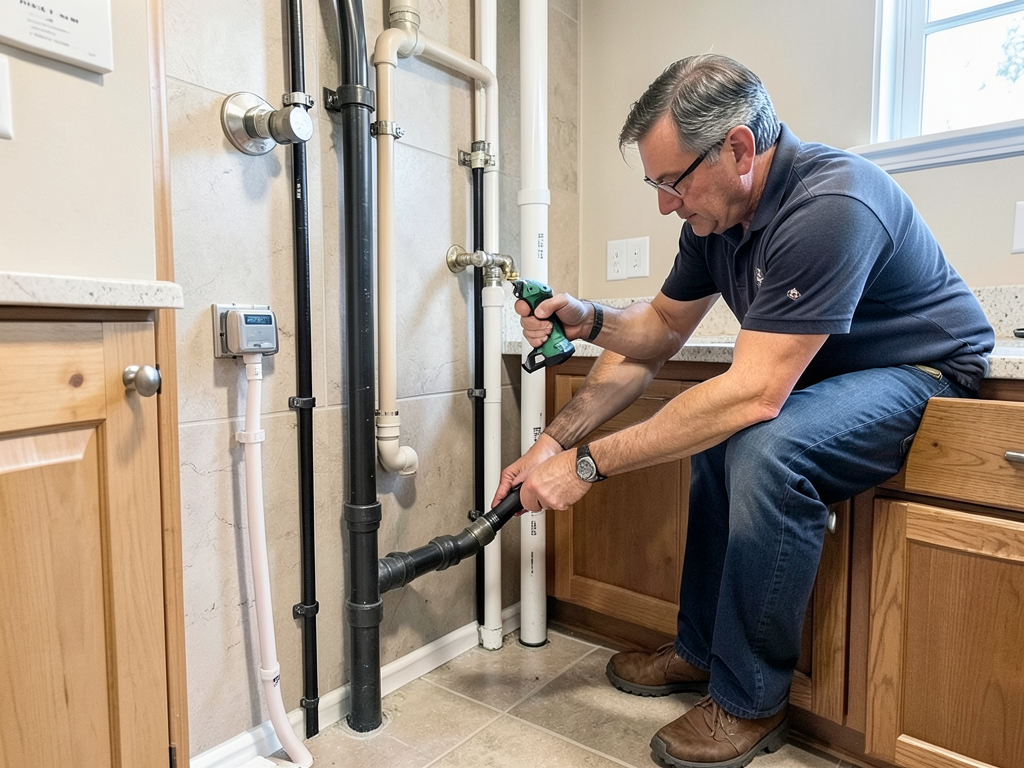
Professional installation begins with site assessment and design. Plumbers evaluate existing systems, measure distances, and identify obstacles. They create detailed plans showing fixture locations, supply lines, drains, and venting.
The rough-in phase installs supply lines, drain pipes, and venting before finishing work. Pressure testing at this stage identifies leaks early. Inspections verify compliance before walls close up.
Final installation includes connecting fixtures, testing all functions, and cleaning up. The plumber demonstrates operation and provides documentation for permits and warranties. They also identify any needed adjustments or repairs to existing systems.
Maintenance and Troubleshooting
Regular maintenance prevents most wet bar plumbing problems. Clean sink traps quarterly to prevent clogs. Check supply lines annually for leaks or corrosion. Test shut-off valves periodically to ensure they operate smoothly.
Ice maker lines need filter changes every six months. Drain lines benefit from periodic cleaning with enzyme-based cleaners. Monitor water pressure; drops indicate potential supply line issues.
Strange noises from ejector pumps signal problems. Gurgling sounds suggest venting issues. Slow drainage indicates partial clogs or improper slope. Address these promptly to prevent backups and water damage.
Frequently Asked Questions
Do I need a permit for a wet bar in Seattle?
Yes, Seattle requires permits for any new plumbing fixture installation, including wet bars. The permit process ensures compliance with local codes and includes required inspections at rough-in and final stages.
How long does wet bar plumbing installation take?
Basic installations take 2-3 days while complex projects with basement drainage can require 5-7 days. This includes rough-in, inspections, and final connections. Permit processing adds 1-2 weeks to the timeline.
Can I install a wet bar in my basement without an ejector pump?
Only if gravity drainage is possible. Basement bars below sewer line elevation need ejector pumps or macerating systems. A professional assessment determines your specific requirements based on floor elevation and existing plumbing.
What’s the difference between a wet bar and a dry bar?
A wet bar includes a sink with running water and drainage. A dry bar has no plumbing, just storage and counter space. Wet bars require permits and professional installation while dry bars are simpler DIY projects.
How much does wet bar plumbing cost in Seattle?
Costs range from $2,500 to $8,000+ depending on complexity. Basic installations in accessible areas cost less. Basement installations with pumps, hillside homes, or extensive new plumbing runs increase costs significantly.
Ready to Install Your North Admiral Wet Bar?
Proper wet bar plumbing requires Seattle-specific knowledge and code compliance. North Admiral’s unique geography and older homes create challenges that generic installers don’t handle correctly. Professional installation prevents costly mistakes and ensures your bar functions reliably for years.
Call (564) 220-5552 today to schedule your wet bar plumbing assessment. Our Seattle-licensed plumbers understand North Admiral’s specific requirements and can handle everything from permits to final installation. Don’t risk DIY mistakes that could flood your basement or violate Seattle codes.
Pick up the phone and call (564) 220-5552 before you start demolition. We’ll evaluate your space, explain your options, and provide a detailed quote with no surprises. Your perfect wet bar starts with proper plumbing planning.
{
“@context”: “https://schema.org”,
“@type”: “BlogPosting”,
“headline”: “Adding a Wet Bar to Your North Admiral View Home (What You Need to Know)”,
“description”: “Planning a wet bar in North Admiral View? Learn Seattle plumbing codes, drainage solutions, and permit requirements from local experts before you start construction.”,
“wordCount”: 1609,
“datePublished”: “2026-04-22T12:20:00.000Z”,
“dateModified”: “2026-04-22T12:20:00.000Z”,
“inLanguage”: “en-US”,
“mainEntityOfPage”: {
“@type”: “WebPage”,
“@id”: “https://horizonplumbingseattle.com”
},
“publisher”: {
“@type”: “LocalBusiness”,
“name”: “Horizon Plumbing Seattle”,
“url”: “https://horizonplumbingseattle.com”
},
“author”: {
“@type”: “Organization”,
“name”: “Horizon Plumbing Seattle”,
“url”: “https://horizonplumbingseattle.com”
},
“image”: {
“@type”: “ImageObject”,
“url”: “https://horizonplumbingseattle.com/wp-content/uploads/2026/03/adding-a-wet-bar-to-your-north-admiral-view-home-w-1.png”
}
}
{
“@context”: “https://schema.org”,
“@type”: “Plumber”,
“name”: “Horizon Plumbing Seattle”,
“url”: “https://horizonplumbingseattle.com”,
“address”: {
“@type”: “PostalAddress”,
“addressLocality”: “Seattle”
},
“areaServed”: {
“@type”: “City”,
“name”: “Seattle”
}
}
{
“@context”: “https://schema.org”,
“@type”: “FAQPage”,
“mainEntity”: [
{
“@type”: “Question”,
“name”: “Do I need a permit for a wet bar in Seattle?”,
“acceptedAnswer”: {
“@type”: “Answer”,
“text”: “Yes, Seattle requires permits for any new plumbing fixture installation, including wet bars. The permit process ensures compliance with local codes and includes required inspections at rough-in and final stages.”
}
},
{
“@type”: “Question”,
“name”: “How long does wet bar plumbing installation take?”,
“acceptedAnswer”: {
“@type”: “Answer”,
“text”: “Basic installations take 2-3 days while complex projects with basement drainage can require 5-7 days. This includes rough-in, inspections, and final connections. Permit processing adds 1-2 weeks to the timeline.”
}
},
{
“@type”: “Question”,
“name”: “Can I install a wet bar in my basement without an ejector pump?”,
“acceptedAnswer”: {
“@type”: “Answer”,
“text”: “Only if gravity drainage is possible. Basement bars below sewer line elevation need ejector pumps or macerating systems. A professional assessment determines your specific requirements based on floor elevation and existing plumbing.”
}
},
{
“@type”: “Question”,
“name”: “What’s the difference between a wet bar and a dry bar?”,
“acceptedAnswer”: {
“@type”: “Answer”,
“text”: “A wet bar includes a sink with running water and drainage. A dry bar has no plumbing, just storage and counter space. Wet bars require permits and professional installation while dry bars are simpler DIY projects.”
}
},
{
“@type”: “Question”,
“name”: “How much does wet bar plumbing cost in Seattle?”,
“acceptedAnswer”: {
“@type”: “Answer”,
“text”: “Costs range from $2,500 to $8,000+ depending on complexity. Basic installations in accessible areas cost less. Basement installations with pumps, hillside homes, or extensive new plumbing runs increase costs significantly.”
}
},
{
“@type”: “Question”,
“name”: “Ready to Install Your North Admiral Wet Bar?”,
“acceptedAnswer”: {
“@type”: “Answer”,
“text”: “Proper wet bar plumbing requires Seattle-specific knowledge and code compliance. North Admiral’s unique geography and older homes create challenges that generic installers don’t handle correctly. Professional installation prevents costly mistakes and ensures your bar functions reliably for years.”
}
}
]
}
{
“@context”: “https://schema.org”,
“@type”: “BreadcrumbList”,
“itemListElement”: [
{
“@type”: “ListItem”,
“position”: 1,
“name”: “Home”,
“item”: “https://horizonplumbingseattle.com”
},
{
“@type”: “ListItem”,
“position”: 2,
“name”: “Blog”,
“item”: “https://horizonplumbingseattle.com/blog”
},
{
“@type”: “ListItem”,
“position”: 3,
“name”: “Adding a Wet Bar to Your North Admiral View Home (What You Need to Know)”
}
]
}
{
“@context”: “https://schema.org”,
“@type”: “Service”,
“serviceType”: “Plumbing”,
“provider”: {
“@type”: “LocalBusiness”,
“name”: “Horizon Plumbing Seattle”,
“url”: “https://horizonplumbingseattle.com”
},
“areaServed”: {
“@type”: “City”,
“name”: “Seattle”
},
“description”: “Planning a wet bar in North Admiral View? Learn Seattle plumbing codes, drainage solutions, and permit requirements from local experts before you start construction.”
}