Fixing Low Water Pressure in University District Rental Properties
Low water pressure in University District rental properties creates daily frustration for tenants and costly complaints for landlords. The U-District’s dense network of older multi-family buildings, many constructed before 1980, suffers from aging galvanized steel pipes that corrode from the inside out. These pipes accumulate mineral scale and rust, reducing water flow to a trickle just when tenants need it most. Students rushing to morning classes, families preparing for work, and property managers fielding maintenance calls all experience the same problem: inadequate water pressure that disrupts daily life.. Read more about Water Filtration Systems to Improve Columbia City Water Quality.
The University District’s unique housing stock creates specific plumbing challenges. Many buildings near the University of Washington campus contain original plumbing systems installed during the post-war construction boom. These systems were designed for fewer fixtures and lower water demands than today’s high-density rental units require. When multiple tenants shower simultaneously or run dishwashers and washing machines, the compromised piping cannot deliver adequate pressure. The result is inconsistent flow, temperature fluctuations, and tenant dissatisfaction that leads to lease non-renewals and negative online reviews. Plumbing Bothell.
Seattle’s water chemistry compounds these problems. The city’s water supply from the Cedar and Tolt rivers contains dissolved minerals that precipitate inside older pipes. Over decades, this mineral buildup creates rough interior surfaces that trap more debris and accelerate corrosion. The University District’s elevation changes also create pressure variations throughout the day as water demand fluctuates across the neighborhood. Properties located uphill from the main water supply lines experience the worst pressure issues, particularly during peak morning and evening usage hours. Seattle Public Utilities water system.
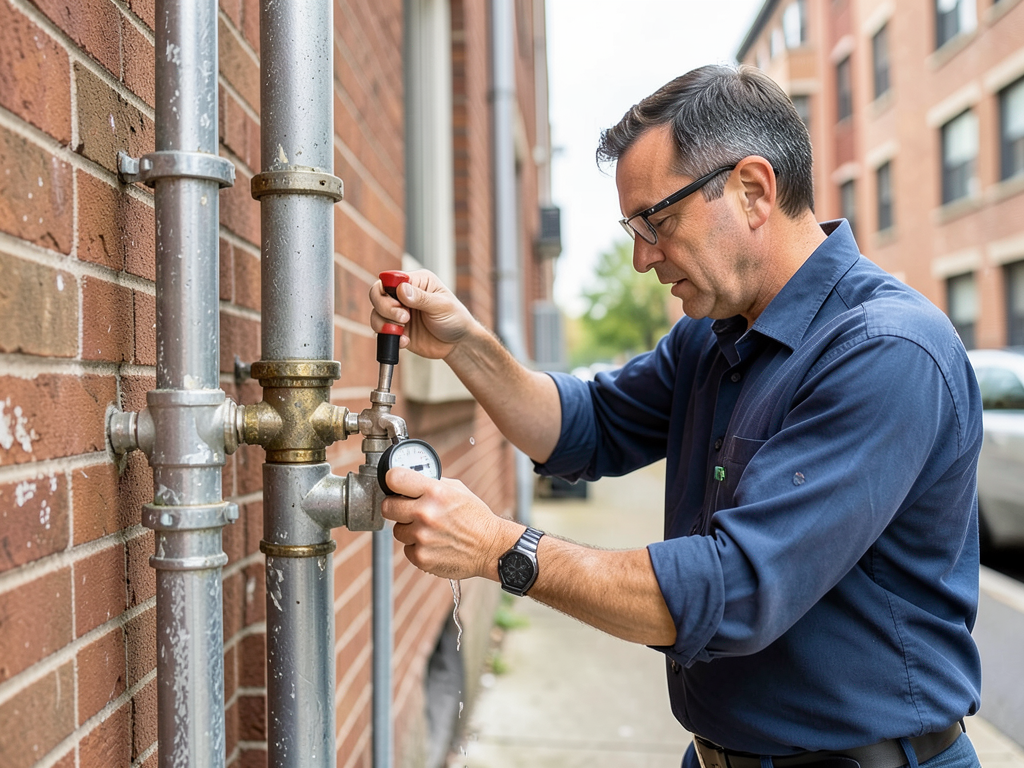
Diagnosing low water pressure requires systematic testing. We measure static pressure at the main water line, then test flow rates at multiple fixtures throughout the property. A healthy system should maintain at least 40-60 PSI static pressure and deliver consistent flow to all fixtures. When pressure drops below 30 PSI or flow becomes restricted to certain areas, the problem extends beyond simple valve adjustments. Our diagnostic process includes checking for hidden leaks, testing water heater performance, and inspecting pressure-reducing valves that may have failed over time.. Read more about Leaky Faucet and Fixture Upgrades for Broadview Residences.
Common causes of low pressure in U-District rentals include partially closed main valves, failing pressure regulators, and localized pipe blockages. Sometimes the issue stems from the municipal supply rather than the building’s internal plumbing. Seattle Public Utilities occasionally performs maintenance that temporarily reduces pressure in specific neighborhoods. However, most pressure problems in older rental properties originate from deteriorating distribution piping that cannot meet modern water demands. Galvanized steel pipes typically last 40-50 years before internal corrosion severely restricts flow. Seattle Plumbing Code requirements.
Property managers often attempt temporary fixes like cleaning aerators or adjusting pressure regulators. While these measures may provide short-term relief, they fail to address the underlying pipe deterioration. Tenants notice when water pressure improves briefly after maintenance visits, only to deteriorate again within weeks. This cycle of temporary fixes and recurring complaints damages landlord-tenant relationships and increases maintenance costs over time. A comprehensive solution requires identifying the root cause and implementing appropriate repairs or replacements.
Modern solutions for low water pressure include pipe replacement with copper or PEX piping, installation of pressure-boosting systems, and upgrading main water service lines. Copper piping resists corrosion and provides reliable flow for 50+ years. PEX piping offers flexibility for retrofitting older buildings and resists scale buildup. Pressure-boosting pumps can increase flow to upper floors in multi-story buildings, though they add energy costs and require regular maintenance. The most effective solution often combines pipe replacement with system optimization to ensure consistent pressure throughout the property. Reliable Commercial Plumbers for South Lake Union Businesses and Restaurants.
Emergency low water pressure situations require immediate attention. When tenants report complete loss of water or severely restricted flow, the issue may indicate a major leak, broken main valve, or municipal supply problem. These situations demand 24/7 availability from plumbing professionals who understand the urgency of rental property maintenance. Property managers cannot afford extended downtime that leaves tenants without essential water service. Quick response times and effective communication prevent small problems from escalating into major tenant disputes or code violations. How to Get an Emergency Plumber in West Seattle After Hours.
Preventive maintenance helps avoid low pressure emergencies. Annual plumbing inspections can identify early signs of pipe deterioration, valve failure, or pressure regulator problems. Testing water pressure during off-peak hours provides baseline data for comparison during high-demand periods. Monitoring water bills for unexpected usage increases can reveal hidden leaks that reduce available pressure. Property managers who implement regular maintenance schedules experience fewer emergency calls and longer intervals between major plumbing repairs. Plumbing Burien.
Tenant education also plays a role in managing water pressure expectations. In older buildings, simultaneous use of multiple water fixtures inevitably reduces pressure. Explaining these limitations during lease signing helps prevent complaints later. Providing tenants with information about peak usage times and suggesting staggered shower schedules can reduce conflict. However, education cannot substitute for necessary infrastructure upgrades when pipes have reached the end of their service life.
Building code requirements affect low pressure repairs. The Seattle Plumbing Code mandates minimum flow rates and pressure levels for habitable spaces. When performing major repairs or replacements, contractors must ensure compliance with current standards. This may require upgrading service lines, installing larger diameter pipes, or adding pressure-boosting equipment. Permits and inspections ensure that repairs meet safety standards and provide reliable service for years to come. Plumbing SeaTac.
Cost considerations influence repair decisions. Complete pipe replacement represents a significant investment but often proves more cost-effective than repeated temporary fixes. Property managers must weigh immediate repair costs against long-term benefits like improved tenant satisfaction, reduced maintenance calls, and increased property values. Some upgrades may qualify for energy efficiency incentives or tax benefits, partially offsetting initial costs. Professional assessments help property owners make informed decisions about the most appropriate solutions for their specific situations.
Technology aids in diagnosing and solving low pressure problems. Video pipe inspection cameras reveal internal pipe conditions without destructive testing. Pressure monitoring systems track usage patterns and identify pressure drops in real-time. Flow measurement devices quantify actual water delivery rates to different building areas. These tools help pinpoint exact problem locations and verify that repairs restore proper pressure levels. Modern diagnostic equipment reduces guesswork and ensures targeted, effective solutions.
Seasonal factors affect water pressure in the University District. Winter freezes can cause pipe damage that restricts flow, while summer drought conditions may reduce municipal supply pressure. Heavy rainfall increases groundwater infiltration that can overwhelm drainage systems and create pressure fluctuations. Understanding these seasonal patterns helps property managers anticipate potential problems and schedule preventive maintenance during slower periods. Proper insulation and drainage improvements protect plumbing systems from weather-related pressure issues.
Commercial properties in the U-District face unique pressure challenges. Restaurants, coffee shops, and retail businesses require high water volumes for operations. Low pressure affects everything from dishwashing to restroom facilities, potentially disrupting business operations. Commercial tenants often have stricter water pressure requirements than residential tenants, making infrastructure upgrades more critical for mixed-use buildings. Specialized commercial plumbing solutions address the higher demands of business operations while maintaining residential service quality.
Future-proofing rental properties against low pressure involves strategic planning. As Seattle’s population grows and water demands increase, older buildings will face greater pressure challenges. Investing in modern plumbing infrastructure now prevents more expensive emergency repairs later. Property owners who upgrade plumbing systems proactively position their rentals for long-term success in a competitive market. Well-maintained properties with reliable utilities attract quality tenants willing to pay premium rents for consistent service.
Environmental considerations influence pressure solutions. Water conservation regulations affect fixture choices and system designs. Low-flow fixtures reduce overall demand but may exacerbate pressure problems in already compromised systems. Balancing conservation goals with adequate pressure requires careful system design and component selection. Sustainable plumbing solutions that conserve water while maintaining pressure help property owners meet environmental standards and reduce utility costs.
Insurance implications of low pressure problems extend beyond immediate repairs. Water damage from pipe failures can result in expensive claims and increased premiums. Some insurance policies require regular plumbing maintenance to maintain coverage. Documenting pressure problems and repairs provides valuable records for insurance purposes. Professional assessments and maintenance reports demonstrate due diligence in property management, potentially reducing liability exposure.
Community impact of rental property plumbing affects neighborhood relations. Persistent low pressure problems in multiple buildings can strain municipal water systems and create neighborhood-wide issues. Property owners who maintain their plumbing systems contribute to overall community water reliability. Collaborative efforts between property managers, city officials, and plumbing professionals help address systemic pressure problems affecting entire areas of the University District.
Technology integration continues advancing pressure management solutions. Smart water monitors detect pressure changes and alert property managers to developing problems. Automated pressure-boosting systems adjust output based on real-time demand. Remote monitoring capabilities allow 24/7 system oversight without on-site presence. These technologies reduce emergency response times and prevent minor issues from becoming major disruptions. Property owners investing in smart plumbing systems gain better control over water delivery and maintenance costs.
Tenant satisfaction directly correlates with water pressure reliability. Consistent, adequate pressure contributes to positive living experiences that encourage lease renewals and referrals. Properties known for reliable utilities command higher rents and experience lower vacancy rates. Professional plumbing services that address pressure problems effectively become valuable partners in property management success. The investment in quality plumbing infrastructure pays dividends through improved tenant relationships and reduced maintenance costs.
Call (564) 220-5552 today to schedule your inspection. Don’t let another day pass with frustrated tenants and mounting maintenance calls. Our experienced team understands the unique plumbing challenges of University District rental properties and provides lasting solutions that restore proper water pressure. Whether you need emergency repairs or planned upgrades, we deliver professional service with minimal disruption to your tenants. Pick up the phone and call (564) 220-5552 before the next wave of tenant complaints arrives.
Frequently Asked Questions
How do I know if my U-District rental has a serious water pressure problem?
Serious pressure problems show as weak flow at multiple fixtures, inconsistent temperatures when using multiple water sources, or complete loss of water during peak usage times. Professional testing measures actual pressure and flow rates to diagnose the severity.
What causes low water pressure in older University District buildings?
Most low pressure in older U-District buildings stems from corroded galvanized steel pipes that restrict internal flow, failing pressure regulators, partially closed main valves, or inadequate pipe sizing for modern water demands. Mineral buildup from Seattle’s water supply accelerates these problems.
How long does it take to fix low water pressure in a rental property?
Simple fixes like valve adjustments take hours, while complete pipe replacement may require several days. Emergency repairs typically restore basic service within 24 hours. Planned upgrades allow for more thorough work with minimal tenant disruption.
{
“@context”: “https://schema.org”,
“@type”: “BlogPosting”,
“headline”: “Fixing Low Water Pressure in University District Rental Properties”,
“description”: “Expert solutions for low water pressure in U-District rentals. We diagnose and repair aging plumbing systems serving UW students and tenants. Call (564) 220-5552.”,
“wordCount”: 1806,
“datePublished”: “2026-02-26T15:06:00.000Z”,
“dateModified”: “2026-02-26T15:06:00.000Z”,
“inLanguage”: “en-US”,
“mainEntityOfPage”: {
“@type”: “WebPage”,
“@id”: “https://horizonplumbingseattle.com”
},
“publisher”: {
“@type”: “LocalBusiness”,
“name”: “Horizon Plumbing Seattle”,
“url”: “https://horizonplumbingseattle.com”
},
“author”: {
“@type”: “Organization”,
“name”: “Horizon Plumbing Seattle”,
“url”: “https://horizonplumbingseattle.com”
},
“image”: {
“@type”: “ImageObject”,
“url”: “https://horizonplumbingseattle.com/wp-content/uploads/2026/03/fixing-low-water-pressure-in-university-district-r-1.png”
}
}
{
“@context”: “https://schema.org”,
“@type”: “Plumber”,
“name”: “Horizon Plumbing Seattle”,
“url”: “https://horizonplumbingseattle.com”,
“address”: {
“@type”: “PostalAddress”,
“addressLocality”: “Seattle”
},
“areaServed”: {
“@type”: “City”,
“name”: “Seattle”
}
}
{
“@context”: “https://schema.org”,
“@type”: “FAQPage”,
“mainEntity”: [
{
“@type”: “Question”,
“name”: “How do I know if my U-District rental has a serious water pressure problem?”,
“acceptedAnswer”: {
“@type”: “Answer”,
“text”: “Serious pressure problems show as weak flow at multiple fixtures, inconsistent temperatures when using multiple water sources, or complete loss of water during peak usage times. Professional testing measures actual pressure and flow rates to diagnose the severity.”
}
},
{
“@type”: “Question”,
“name”: “What causes low water pressure in older University District buildings?”,
“acceptedAnswer”: {
“@type”: “Answer”,
“text”: “Most low pressure in older U-District buildings stems from corroded galvanized steel pipes that restrict internal flow, failing pressure regulators, partially closed main valves, or inadequate pipe sizing for modern water demands. Mineral buildup from Seattle’s water supply accelerates these problems.”
}
},
{
“@type”: “Question”,
“name”: “How long does it take to fix low water pressure in a rental property?”,
“acceptedAnswer”: {
“@type”: “Answer”,
“text”: “Simple fixes like valve adjustments take hours, while complete pipe replacement may require several days. Emergency repairs typically restore basic service within 24 hours. Planned upgrades allow for more thorough work with minimal tenant disruption.”
}
}
]
}
{
“@context”: “https://schema.org”,
“@type”: “BreadcrumbList”,
“itemListElement”: [
{
“@type”: “ListItem”,
“position”: 1,
“name”: “Home”,
“item”: “https://horizonplumbingseattle.com”
},
{
“@type”: “ListItem”,
“position”: 2,
“name”: “Blog”,
“item”: “https://horizonplumbingseattle.com/blog”
},
{
“@type”: “ListItem”,
“position”: 3,
“name”: “Fixing Low Water Pressure in University District Rental Properties”
}
]
}
{
“@context”: “https://schema.org”,
“@type”: “Service”,
“serviceType”: “Plumbing”,
“provider”: {
“@type”: “LocalBusiness”,
“name”: “Horizon Plumbing Seattle”,
“url”: “https://horizonplumbingseattle.com”
},
“areaServed”: {
“@type”: “City”,
“name”: “Seattle”
},
“description”: “Expert solutions for low water pressure in U-District rentals. We diagnose and repair aging plumbing systems serving UW students and tenants. Call (564) 220-5552.”
}