How to Keep Rats from Entering Your Pioneer Square Plumbing with a Non Return Valve
Pioneer Square’s century-old sewer infrastructure creates a perfect pathway for Norway rats to swim up your pipes and into your home. These rodents can tread water for up to three days and squeeze through openings as small as a quarter. A properly installed non-return valve creates a one-way barrier that blocks rats while allowing wastewater to flow out normally. Trenchless Sewer Repair Options for Historic Capitol Hill Homes.
The combination of Seattle’s aging clay pipes, combined sewer overflows, and Pioneer Square’s historic buildings makes this neighborhood particularly vulnerable to rodent entry through plumbing systems. Understanding the specific risks and solutions can protect your property from both health hazards and structural damage. Seattle Public Utilities.
Why Pioneer Square’s Infrastructure Attracts Sewer Rats
Pioneer Square sits atop Seattle’s original downtown core, where many sewer lines date back to the early 1900s. These aging pipes often have cracks, separations, and joint failures that create entry points for rats searching for food and shelter.. Read more about Sewer Line Spot Repair vs Full Replacement (How to Choose for Your Wallingford Property).
The neighborhood’s combined sewer system means stormwater and sewage flow through the same pipes. During heavy rains, this system can surcharge, creating pressure changes that actually push rats upward through the plumbing network. The area’s proximity to Elliott Bay also means higher humidity and moisture levels that support rodent populations. Plumbing Bothell.
Pioneer Square’s historic brick buildings often have interconnected basements and crawl spaces that provide rats with hidden pathways between properties. Once inside one building, rodents can easily move to adjacent structures through shared foundation walls and utility chases.

How Rats Navigate Your Home’s Plumbing System
Norway rats possess remarkable swimming abilities that make your plumbing system an attractive highway. They can swim up to half a mile in open water and hold their breath for several minutes while navigating pipes. Their flexible skeletons allow them to compress their bodies through surprisingly small openings.
Rats typically enter through floor drains, toilets, or cracked sewer cleanouts. They’re attracted to the smell of food waste and the promise of shelter. Once inside your pipes, they can travel through the main sewer line and branch into individual home connections.
Common entry points include dry P-traps that have evaporated water, damaged cleanout caps, and deteriorated pipe joints. Rats can also climb vertical pipes using their sharp claws and powerful legs. They’re most active at night when homes are quiet and plumbing systems are under minimal use.
Non-Return Valves: Your First Line of Defense
A non-return valve, also called a backwater valve or rat flapper, installs directly into your sewer cleanout or main drain line. The device contains a one-way flap that opens when water flows out but closes automatically when flow stops or reverses direction.
Professional-grade non-return valves feature stainless steel construction and reinforced rubber seals that withstand years of use. The flap mechanism prevents rats from swimming back up through the valve while allowing normal wastewater discharge. Some models include a clear inspection window so you can verify the valve is functioning properly.
Installation requires cutting into your main sewer line and fitting the valve between two couplings. The process typically takes 2-3 hours for a professional plumber. The valve must be installed at the correct angle and with proper support to prevent leaks or malfunction. How to Get an Emergency Plumber in West Seattle After Hours.
Additional Prevention Methods That Work
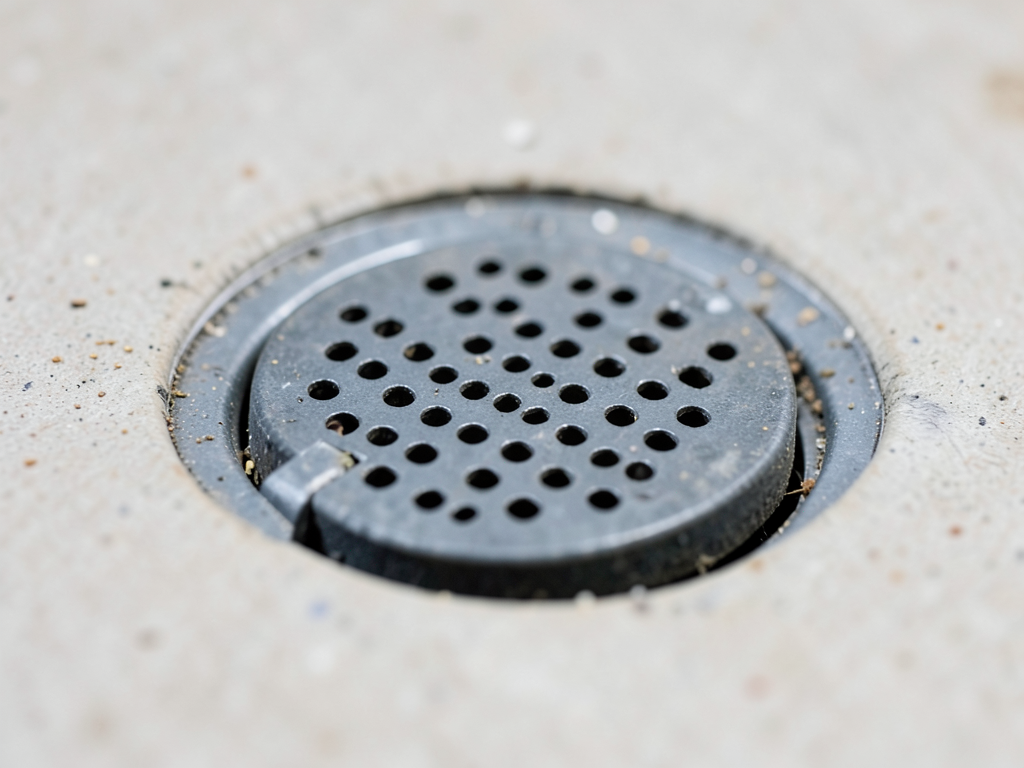
Beyond non-return valves, several other strategies help keep rats out of your Pioneer Square plumbing. Installing stainless steel drain covers with small perforations prevents rats from entering through floor drains while maintaining proper drainage.
Regular CCTV pipe inspections can identify cracks, root intrusions, and other vulnerabilities before rats exploit them. These inspections use specialized cameras to examine the interior of your sewer lines and create detailed reports of any damage or blockages.
Maintaining proper water levels in all P-traps prevents sewer gases from escaping and eliminates the dry conditions rats prefer for entry. Pour water down infrequently used drains monthly to keep traps sealed. Consider installing trap primers that automatically maintain water levels.
Seattle Building Code Requirements for Rat Prevention
Seattle Municipal Code Section 21.16.050 requires all new construction and major renovations to include backwater valves on sewer connections. The code also mandates that all cleanout caps be secured with stainless steel screws or locking mechanisms to prevent unauthorized access. King County Public Health.
King County Public Health regulations require property owners to maintain their side sewer lines in good repair. Cracked or damaged pipes must be repaired within 30 days of discovery to prevent rodent entry and sewage leaks.
The International Plumbing Code, adopted by Seattle, requires all floor drains in commercial buildings to have removable strainers or guards that prevent rodent entry while allowing proper drainage. These requirements apply to both new construction and existing buildings undergoing renovation. Reliable Commercial Plumbers for South Lake Union Businesses and Restaurants.
Professional Inspection and Installation Process
Professional rat prevention starts with a comprehensive sewer line inspection using CCTV technology. This diagnostic process examines your entire plumbing system from the main sewer connection to individual branch lines, identifying vulnerabilities that rats could exploit.
During inspection, technicians look for pipe cracks, joint separations, root intrusions, and other damage. They also check for proper slope and drainage that could affect valve performance. The inspection typically takes 1-2 hours and provides detailed documentation of your system’s condition.
Installation of non-return valves and other prevention devices follows a specific sequence. First, the main sewer line is cleaned using hydro jetting to remove debris and ensure proper valve seating. Next, the valve is installed with proper support and sealing. Finally, all connections are tested for leaks and proper operation. Hydro Jetting vs. Snaking.
Signs You Have a Sewer Rat Problem
Unusual scratching sounds coming from drains or walls often indicate rats moving through your plumbing system. These noises typically occur at night when rats are most active and your home is quiet.
Finding droppings near floor drains, toilets, or in basements suggests rats are using your plumbing as entry points. Rat droppings are typically 1/2 to 3/4 inch long and dark brown or black in color.
Unexplained clogs or slow drains might indicate rats building nests in your pipes. They often use materials like insulation, paper, and plant matter to create nesting sites within the plumbing system.
A strong, musty odor coming from drains can indicate rat urine and feces accumulating in your plumbing. This smell is distinct from normal sewer gas and often more pungent.
Cost-Benefit Analysis of Prevention vs. Damage Control
Installing a non-return valve typically costs $800-$1,200, including professional installation and inspection. This upfront investment prevents potential damage that could cost thousands in repairs and remediation.
Rat damage to plumbing systems can include chewed pipes, contaminated water supplies, and structural damage to walls and floors where rats have nested. Remediation often requires replacing damaged pipes, cleaning contaminated areas, and repairing any structural damage.
The health risks associated with rat infestations include leptospirosis, hantavirus, and salmonellosis. Professional cleanup and decontamination can cost $500-$2,000 depending on the extent of contamination.
Insurance typically covers sudden, accidental damage but may not cover damage from long-term neglect or maintenance issues. Prevention helps ensure you maintain coverage eligibility for plumbing-related claims.
Maintaining Your Rat Prevention System
Annual inspection of your non-return valve ensures it continues functioning properly. This inspection should include checking the flap mechanism for debris, verifying the seal is intact, and testing the valve’s operation.
Quarterly cleaning of floor drain covers and strainers prevents buildup that could compromise their effectiveness. Remove and clean these components, checking for damage or deterioration that might allow rodent entry.
Monitor your plumbing system for any changes in drainage patterns or unusual sounds. These can indicate valve problems or new entry points that need attention before rats exploit them.
Keep vegetation trimmed away from your home’s foundation and sewer cleanouts. Overgrown plants provide cover for rats and can damage pipes through root intrusion.
Emergency Response to Rat Entry
If you discover a rat in your home through plumbing, immediate action prevents further damage and contamination. Isolate the affected area by closing doors and blocking other entry points to contain the rodent.
Contact a professional plumber immediately to inspect your plumbing system and identify how the rat entered. They can install emergency barriers and recommend permanent solutions to prevent recurrence.
Thorough cleaning and disinfection of affected areas is essential to prevent disease transmission. Use EPA-registered disinfectants and wear protective equipment when cleaning areas contaminated by rodent urine or feces.
Consider temporary measures like stuffing steel wool into pipe openings while waiting for permanent repairs. Steel wool is difficult for rats to chew through and can provide a temporary barrier.
Frequently Asked Questions
How do I know if my Pioneer Square home needs a non-return valve?
Homes built before 1980 in Pioneer Square are most likely to need non-return valves due to aging infrastructure. If you’ve experienced any signs of rodent activity or have had plumbing issues, a professional inspection can determine if you need one.
Can I install a non-return valve myself?
Professional installation is strongly recommended because it requires cutting into your main sewer line and ensuring proper sealing. Incorrect installation can cause leaks, backups, or complete system failure. Licensed plumbers also ensure compliance with Seattle building codes.
How long do non-return valves last?
Quality non-return valves typically last 10-15 years with proper maintenance. Factors affecting lifespan include water quality, usage patterns, and environmental conditions. Annual inspections help identify when replacement is needed before failure occurs.
Will a non-return valve affect my plumbing’s performance?
When properly installed, non-return valves have minimal impact on normal plumbing function. They open automatically when water flows out and close only when flow stops or reverses. Modern designs minimize any resistance to water flow.
Are there alternatives to non-return valves?
Other options include rat guards for specific drains, chemical deterrents, and physical barriers at entry points. However, non-return valves provide the most comprehensive protection by blocking rats at the main sewer line before they can enter your home’s plumbing system.
- Schedule Professional Inspection
Have a licensed plumber inspect your sewer line using CCTV technology to identify the best installation location and check for existing damage.
- Prepare the Installation Site
Locate the main sewer cleanout and clear the area around it. Turn off water supply to prevent accidental backups during installation.
- Cut and Prepare Pipe
Cut out a section of the main sewer line where the valve will be installed. Clean and deburr the pipe ends to ensure proper sealing.
- Install the Valve
Slide the valve into position between two couplings, ensuring it’s oriented correctly for proper flow direction. Secure all connections with stainless steel clamps.
- Test and Verify
Run water through all drains to test the valve’s operation. Check for leaks and verify the flap opens and closes properly under different flow conditions.
Call (564) 220-5552 Today to Schedule Your Pioneer Square Rat Prevention Inspection
Don’t wait for rats to invade your Pioneer Square home through your plumbing system. Our licensed technicians provide comprehensive sewer line inspections and professional non-return valve installation that meets all Seattle building codes. We understand the unique challenges of Pioneer Square’s historic infrastructure and offer solutions specifically designed for your neighborhood’s needs.
Call (564) 220-5552 now to schedule your inspection. We offer same-day service for urgent situations and provide detailed quotes before any work begins. Protect your home from rodent entry with proven prevention methods that have helped hundreds of Pioneer Square residents keep their plumbing rat-free.
Pick up the phone and call (564) 220-5552 before the next heavy rain creates perfect conditions for rat entry. Our team is ready to help you sleep better knowing your plumbing is protected by professional-grade non-return valves and comprehensive prevention strategies.
{
“@context”: “https://schema.org”,
“@type”: “BlogPosting”,
“headline”: “How to Keep Rats from Entering Your Pioneer Square Plumbing with a Non Return Valve”,
“description”: “Stop sewer rats from invading your Pioneer Square home. Learn how non-return valves work, Seattle’s rat problem, and expert prevention solutions from Horizon Plumbing.”,
“wordCount”: 1967,
“datePublished”: “2026-05-27T12:43:00.000Z”,
“dateModified”: “2026-05-27T12:43:00.000Z”,
“inLanguage”: “en-US”,
“mainEntityOfPage”: {
“@type”: “WebPage”,
“@id”: “https://horizonplumbingseattle.com”
},
“publisher”: {
“@type”: “LocalBusiness”,
“name”: “Horizon Plumbing Seattle”,
“url”: “https://horizonplumbingseattle.com”
},
“author”: {
“@type”: “Organization”,
“name”: “Horizon Plumbing Seattle”,
“url”: “https://horizonplumbingseattle.com”
},
“image”: {
“@type”: “ImageObject”,
“url”: “https://horizonplumbingseattle.com/wp-content/uploads/2026/03/how-to-keep-rats-from-entering-your-pioneer-square-1.png”
}
}
{
“@context”: “https://schema.org”,
“@type”: “Plumber”,
“name”: “Horizon Plumbing Seattle”,
“url”: “https://horizonplumbingseattle.com”,
“address”: {
“@type”: “PostalAddress”,
“addressLocality”: “Seattle”
},
“areaServed”: {
“@type”: “City”,
“name”: “Seattle”
}
}
{
“@context”: “https://schema.org”,
“@type”: “FAQPage”,
“mainEntity”: [
{
“@type”: “Question”,
“name”: “How do I know if my Pioneer Square home needs a non-return valve?”,
“acceptedAnswer”: {
“@type”: “Answer”,
“text”: “Homes built before 1980 in Pioneer Square are most likely to need non-return valves due to aging infrastructure. If you’ve experienced any signs of rodent activity or have had plumbing issues, a professional inspection can determine if you need one.”
}
},
{
“@type”: “Question”,
“name”: “Can I install a non-return valve myself?”,
“acceptedAnswer”: {
“@type”: “Answer”,
“text”: “Professional installation is strongly recommended because it requires cutting into your main sewer line and ensuring proper sealing. Incorrect installation can cause leaks, backups, or complete system failure. Licensed plumbers also ensure compliance with Seattle building codes.”
}
},
{
“@type”: “Question”,
“name”: “How long do non-return valves last?”,
“acceptedAnswer”: {
“@type”: “Answer”,
“text”: “Quality non-return valves typically last 10-15 years with proper maintenance. Factors affecting lifespan include water quality, usage patterns, and environmental conditions. Annual inspections help identify when replacement is needed before failure occurs.”
}
},
{
“@type”: “Question”,
“name”: “Will a non-return valve affect my plumbing’s performance?”,
“acceptedAnswer”: {
“@type”: “Answer”,
“text”: “When properly installed, non-return valves have minimal impact on normal plumbing function. They open automatically when water flows out and close only when flow stops or reverses. Modern designs minimize any resistance to water flow.”
}
},
{
“@type”: “Question”,
“name”: “Are there alternatives to non-return valves?”,
“acceptedAnswer”: {
“@type”: “Answer”,
“text”: “Other options include rat guards for specific drains, chemical deterrents, and physical barriers at entry points. However, non-return valves provide the most comprehensive protection by blocking rats at the main sewer line before they can enter your home’s plumbing system.”
}
}
]
}
{
“@context”: “https://schema.org”,
“@type”: “HowTo”,
“name”: “How to Install a Non-Return Valve”,
“step”: [
{
“@type”: “HowToStep”,
“position”: 1,
“name”: “Schedule Professional Inspection”,
“text”: “Have a licensed plumber inspect your sewer line using CCTV technology to identify the best installation location and check for existing damage.”
},
{
“@type”: “HowToStep”,
“position”: 2,
“name”: “Prepare the Installation Site”,
“text”: “Locate the main sewer cleanout and clear the area around it. Turn off water supply to prevent accidental backups during installation.”
},
{
“@type”: “HowToStep”,
“position”: 3,
“name”: “Cut and Prepare Pipe”,
“text”: “Cut out a section of the main sewer line where the valve will be installed. Clean and deburr the pipe ends to ensure proper sealing.”
},
{
“@type”: “HowToStep”,
“position”: 4,
“name”: “Install the Valve”,
“text”: “Slide the valve into position between two couplings, ensuring it’s oriented correctly for proper flow direction. Secure all connections with stainless steel clamps.”
},
{
“@type”: “HowToStep”,
“position”: 5,
“name”: “Test and Verify”,
“text”: “Run water through all drains to test the valve’s operation. Check for leaks and verify the flap opens and closes properly under different flow conditions.”
}
],
“image”: “https://horizonplumbingseattle.com/wp-content/uploads/2026/03/how-to-keep-rats-from-entering-your-pioneer-square-1.png”
}
{
“@context”: “https://schema.org”,
“@type”: “BreadcrumbList”,
“itemListElement”: [
{
“@type”: “ListItem”,
“position”: 1,
“name”: “Home”,
“item”: “https://horizonplumbingseattle.com”
},
{
“@type”: “ListItem”,
“position”: 2,
“name”: “Blog”,
“item”: “https://horizonplumbingseattle.com/blog”
},
{
“@type”: “ListItem”,
“position”: 3,
“name”: “How to Keep Rats from Entering Your Pioneer Square Plumbing with a Non Return Valve”
}
]
}
{
“@context”: “https://schema.org”,
“@type”: “Service”,
“serviceType”: “Plumbing”,
“provider”: {
“@type”: “LocalBusiness”,
“name”: “Horizon Plumbing Seattle”,
“url”: “https://horizonplumbingseattle.com”
},
“areaServed”: {
“@type”: “City”,
“name”: “Seattle”
},
“description”: “Stop sewer rats from invading your Pioneer Square home. Learn how non-return valves work, Seattle’s rat problem, and expert prevention solutions from Horizon Plumbing.”
}