
Professional Sump Pump Installation for Shoreline Basements
Living in Shoreline means dealing with high groundwater levels and frequent winter storms that can overwhelm basement drainage systems. Our coastal location near Puget Sound and the hilly terrain create perfect conditions for basement flooding when sump pumps fail. Professional installation ensures your system handles King County’s heavy rainfall and meets all Shoreline Public Works requirements. King County Stormwater Permits.
Water finds its way through the smallest cracks when hydrostatic pressure builds against foundation walls. In neighborhoods like Innis Arden and Richmond Beach, where glacial till soil retains moisture, a properly sized and installed sump pump system becomes your first line of defense against costly water damage. We install systems that activate automatically when water reaches critical levels, protecting finished basements, storage areas, and mechanical equipment.. Read more about Basement Ejector Pump Maintenance for Edmonds Homeowners.
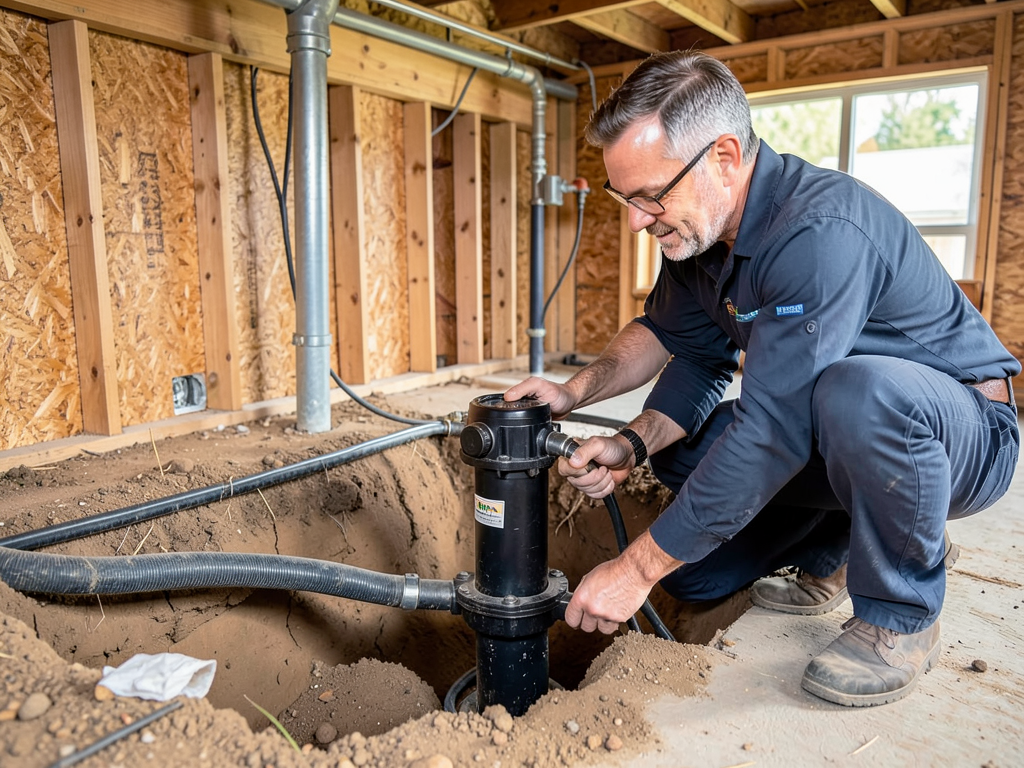
The installation process involves more than just dropping a pump in a pit. We evaluate your specific site conditions, including soil permeability, foundation type, and existing drainage patterns. Our technicians calculate the required pump capacity based on your basement’s square footage and the typical water table depth in your area. We also ensure proper discharge routing that complies with city storm water regulations.
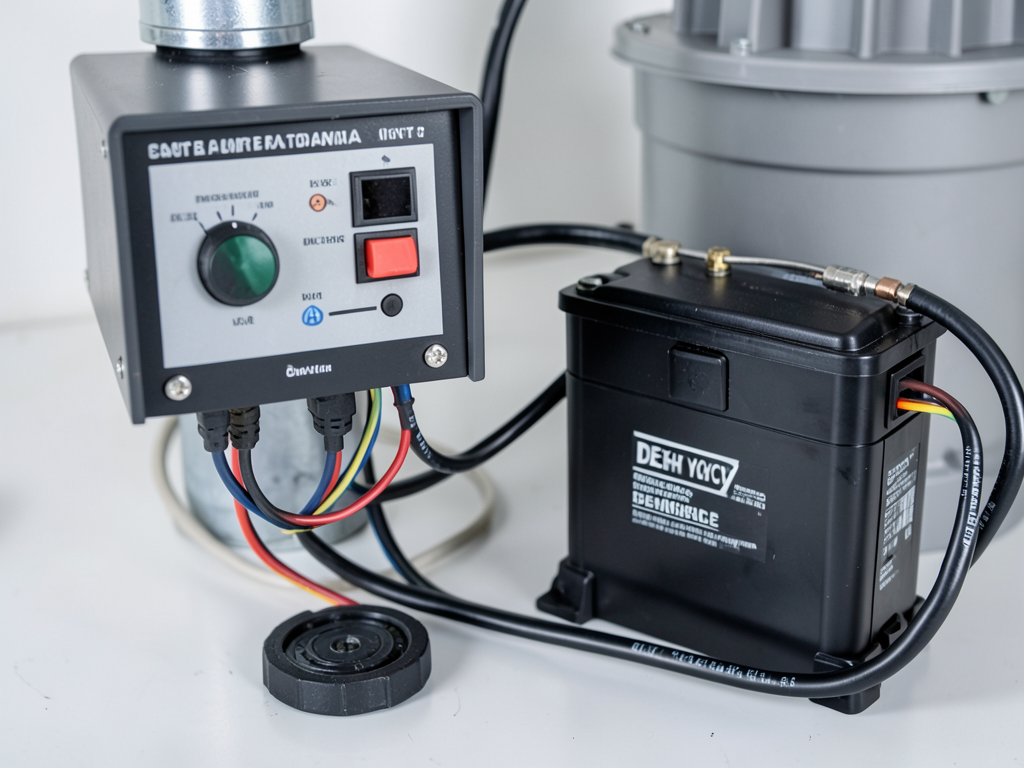
Professional installation includes critical components that DIY setups often miss. A properly sized sump pit prevents short cycling that burns out motors prematurely. Check valves stop water from flowing back into the pit after each cycle. Battery backup systems keep your basement dry during Puget Sound Energy outages that often accompany winter storms. These details make the difference between a system that works for years versus one that fails when you need it most.
Types of Sump Pumps We Install
Choosing the right pump type affects both performance and longevity. We install both submersible and pedestal models, each suited to different basement configurations and water conditions common in Shoreline homes.
Submersible pumps sit entirely underwater in the sump pit, making them quieter and more space-efficient for finished basements. They handle debris better and typically last longer because the surrounding water helps cool the motor. These work well in homes near Echo Lake or other areas with consistently high groundwater.
Pedestal pumps keep the motor above the water level, making them easier to service and less expensive initially. They work best in shallow pits or areas where the water table fluctuates dramatically. However, they’re louder and can be more vulnerable to freezing in discharge lines during cold snaps.
We also install combination units that include both primary and battery backup pumps in one package. These provide automatic failover protection without the complexity of separate systems. For homes in low-lying areas near Shoreline Community College or the Interurban Trail corridor, this redundancy proves invaluable during extended storms. EPA WaterSense Sump Pump Information.
Battery Backup Systems for PNW Power Outages
Power outages in Western Washington often coincide with the heaviest rainfall, making battery backup systems essential rather than optional. Puget Sound Energy’s overhead lines are vulnerable to falling trees during windstorms, and when the power goes out, so does your primary pump.
Our battery backup systems use deep-cycle marine batteries that provide 24-48 hours of continuous operation depending on pumping frequency. The controller monitors both power availability and water levels, automatically switching to battery power when needed. We install these systems with automatic recharging so they’re always ready for the next storm.
For maximum protection, we recommend dual-pump systems where a smaller backup pump works alongside your primary unit. The backup activates only when water rises above the primary pump’s capacity or during power failures. This setup handles extreme events like the atmospheric rivers that have caused flooding in North City and other Shoreline neighborhoods.. Read more about How to Stop Yard Flooding with French Drains in the Rainier Valley.
Battery maintenance is straightforward but critical. We recommend annual testing where we check battery voltage, clean terminals, and verify charging system operation. Most batteries need replacement every 3-5 years, depending on usage patterns and climate conditions. We track this for our maintenance customers and notify you when replacement becomes necessary.
The Installation Process: What to Expect
Professional sump pump installation follows a systematic process that ensures code compliance and optimal performance. We start with a comprehensive site assessment, examining your basement’s layout, existing drainage systems, and soil conditions around the foundation.
The installation typically takes 4-6 hours for a standard system. We begin by locating the optimal pit position, usually in the lowest corner of your basement where water naturally collects. We excavate a pit approximately 18-24 inches deep and wide enough to accommodate the pump and allow for maintenance access.
Next, we install the basin with a perforated liner that prevents soil from entering while allowing groundwater to flow in. We connect the primary pump with appropriate electrical wiring, including a dedicated GFCI-protected circuit per National Electrical Code requirements. The discharge line routes water at least 10 feet from your foundation, often connecting to existing storm drains or dry wells.
We test the entire system by filling the pit with water and verifying automatic activation, proper discharge flow, and battery backup operation. We also inspect your existing French drain system if present, ensuring it connects properly to the new sump pit. Finally, we clean the work area and provide you with operation manuals and maintenance schedules.
Signs Your Shoreline Home Needs a New Sump Pump
Recognizing failure signs early prevents basement flooding disasters. If your current pump runs constantly, makes unusual noises, or fails to activate during heavy rain, replacement should be your priority before the next storm hits.
Age matters significantly in our climate. Most pumps last 7-10 years in Shoreline’s high-moisture environment, compared to 10-15 years in drier regions. If your pump is over seven years old and was installed by a previous homeowner, replacement is often more cost-effective than emergency repair services.
Visual inspection reveals many problems. Rust on the pump housing, cracks in the discharge line, or water stains around the pit indicate system deterioration. We often find that older pedestal pumps in homes near Boeing Creek Park have corroded mounting brackets that could fail during the next heavy rainfall.
Performance issues manifest in several ways. If water pools in your basement after light rain or your pump runs continuously without clearing the pit, the system isn’t keeping up with current conditions. This often happens when landscaping changes or new construction nearby alters local groundwater patterns.
Energy bills can also signal pump problems. A failing pump may run inefficiently, drawing more power while moving less water. We use amp meters to test pump efficiency during our diagnostic visits, comparing current draw to manufacturer specifications.
City of Shoreline Storm Water Discharge Regulations
Shoreline Public Works requires specific discharge methods to protect our storm water system and prevent erosion. Understanding these regulations ensures your installation avoids costly violations and works harmoniously with city infrastructure.
The city prohibits direct connections to sanitary sewer systems, a rule that prevents basement flooding from overwhelming treatment plants during heavy storms. Instead, discharge must flow to approved storm water facilities, dry wells, or dispersal systems that prevent concentrated water flow onto neighboring properties.
For homes in the Richmond Highlands area or near Shoreview Park, we often install underground discharge lines that connect to the city’s storm drain system. These require permits and must include backflow prevention devices to stop contaminated water from entering the storm system during flooding events.
We handle all permit requirements through the City of Shoreline’s building department. This includes submitting detailed plans showing pit location, discharge routing, and electrical connections. The permit process typically takes 3-5 business days, and we coordinate inspections to ensure your system meets all local codes.
Insurance considerations also affect installation choices. Many Shoreline homeowners’ policies require professionally installed systems with specific features like battery backup and alarm systems. We provide documentation that satisfies insurance requirements and may help reduce premiums in high-risk areas.
Maintenance and Testing for Heavy Rain Seasons
Annual maintenance prevents 90% of sump pump failures. Our comprehensive service includes testing all electrical components, cleaning the pump intake screen, and verifying battery backup operation. We also inspect discharge lines for blockages or freezing damage from previous winters.
Testing involves more than just pouring water in the pit. We use multimeters to check voltage and amperage draw, ensuring the pump operates within manufacturer specifications. We test the float switch at multiple levels to verify it activates at the correct water height and deactivates properly to prevent short cycling.
For homes in areas prone to rapid water table changes, like those near Boeing Creek or Boeing Creek Ravine, we recommend bi-annual testing. We schedule these before the rainy season in October and after the heaviest storms in February. This timing catches problems before they cause damage.
Emergency preparation includes verifying alarm systems work properly. Modern sump pumps include water level alarms that alert you to pump failure or excessive water accumulation. We test these alarms and ensure they’re audible throughout your home, especially important for finished basements used as living spaces.
We also check the pit’s gravel base during maintenance visits. Over time, sediment can accumulate and reduce pump efficiency. We remove debris and ensure the perforated liner remains clear, allowing proper groundwater flow into the system.
Integration with Existing French Drain Systems
Many Shoreline homes built in the 1960s and 1970s include French drain systems that collect groundwater around foundations. These systems often connect to sump pumps, but improper integration can cause chronic basement moisture problems.
We evaluate your existing drainage system’s capacity and condition during our assessment. Clay soil common in Shoreline’s glacial till areas can clog French drains over time, reducing their effectiveness. We may recommend cleaning or replacing sections to restore proper flow before installing a new sump pump.
Proper integration ensures French drains direct water to the sump pit rather than allowing it to seep through foundation walls. We install cleanouts at strategic points for future maintenance access. In some cases, we recommend adding collection points where French drains connect to the sump system, improving overall drainage efficiency.
For homes with extensive landscaping or recent construction nearby, we may recommend upgrading French drain connections. Changes in surface grading or soil compaction can alter groundwater flow patterns, requiring system modifications to handle the new conditions effectively.
We also consider seasonal variations in our integration approach. During dry summer months, French drains may not provide adequate water to test pump operation. We use temporary water sources during installation and testing to verify the complete system works under all conditions.
Smart Sump Pumps with Wi-Fi Monitoring
Smart technology adds another layer of protection for vacation homeowners and those who want real-time monitoring. Wi-Fi-enabled sump pumps send alerts to your smartphone when water levels rise, power fails, or maintenance is needed.
These systems integrate with home automation platforms, allowing you to monitor pump status remotely. For homeowners who travel frequently or own rental properties in areas like Innis Arden or The Highlands, this capability provides peace of mind and early warning of potential problems.
Smart pumps also track performance data over time, helping identify developing issues before they cause failures. We can monitor metrics like cycle frequency, run time, and power consumption to optimize system performance and predict maintenance needs.
Installation of smart technology requires proper network coverage in your basement. We test Wi-Fi signal strength and may recommend signal boosters to ensure reliable communication. The additional cost typically ranges from $150-300 but provides significant value for the right applications.
Data security is a priority with smart devices. We use encrypted connections and recommend strong passwords for system access. The monitoring apps we install include two-factor authentication and regular security updates to protect your home’s data.
Cost Factors and Investment Protection
Professional sump pump installation represents a significant investment, but it pales compared to potential water damage repair costs. A quality system typically costs $1,500-3,500 depending on pump type, battery backup inclusion, and installation complexity.
Factors affecting cost include pit excavation requirements, electrical work needed, and discharge line routing challenges. Homes with finished basements or those requiring extensive trenching for discharge lines may see costs at the higher end of the range.
We provide detailed written estimates that break down all components and labor costs. This transparency helps you understand exactly what you’re paying for and why certain features may be necessary for your specific situation. No hidden fees or surprise charges appear after work begins.
Financing options make professional installation accessible for most homeowners. We offer payment plans through trusted partners and can often coordinate with insurance companies for claims related to previous water damage that justify system upgrades.
Warranty coverage varies by component but typically includes 3-5 years on pumps and 1-2 years on labor. We register all warranties on your behalf and provide documentation for your records. Our maintenance customers receive priority service and extended warranty coverage on parts.
Frequently Asked Questions
How long does sump pump installation take?
Standard installations typically require 4-6 hours from start to finish. Complex jobs involving extensive discharge line routing or electrical upgrades may take 8-10 hours. We always provide accurate timeframes before beginning work.
Do I need a permit for sump pump installation in Shoreline?
Yes, Shoreline requires permits for sump pump installations that involve electrical work or discharge line modifications. We handle all permit requirements and coordinate inspections as part of our service, ensuring your system meets all local codes.
What’s the difference between submersible and pedestal pumps?
Submersible pumps sit underwater in the pit, making them quieter and more space-efficient. Pedestal pumps keep the motor above water, making them easier to service but louder. We recommend submersible pumps for most Shoreline applications due to their reliability and space savings.
How often should I test my sump pump?
Test your pump at least twice yearly, before the rainy season and after the heaviest storms. Pour a bucket of water into the pit to verify automatic activation. For added security, consider professional testing as part of annual maintenance service.
Can I install a sump pump myself?
While DIY installation is possible, professional installation ensures code compliance, proper sizing, and warranty protection. We’ve corrected many DIY installations that failed during critical moments, often at higher cost than professional installation would have been initially.
What happens if my power goes out during a storm?
Battery backup systems automatically activate when power fails, providing 24-48 hours of continuous operation. For extended outages, we recommend dual-pump systems or portable generators to ensure continuous protection during major storms.
How do I know if my sump pump needs replacement?
Signs include age over 7 years, constant running, unusual noises, failure to activate during rain, or visible rust and corrosion. If you’re unsure, we offer free assessments to evaluate your system’s condition and recommend appropriate action.
Where should the discharge line go?
Discharge lines must route water at least 10 feet from your foundation to approved storm water facilities or dispersal systems. Direct connections to sanitary sewers are prohibited. We design discharge routes that comply with city regulations and protect your property from erosion.
Do smart sump pumps really help?
Smart pumps provide valuable monitoring and early warning capabilities, especially for second homes or frequent travelers. They track performance data and send alerts to your phone about potential issues before they cause damage. The technology adds security but isn’t necessary for basic protection.
What maintenance does a sump pump need?
Annual professional maintenance includes testing electrical components, cleaning intake screens, checking battery backup operation, and inspecting discharge lines. Between professional visits, test your pump by pouring water in the pit and verify the alarm system works properly.
- Assess Your Basement Conditions
Evaluate your basement’s square footage, existing drainage, and typical water table depth. Homes near Echo Lake or Richmond Beach often need higher capacity pumps due to consistently high groundwater levels.
- Consider Backup Power Needs
Factor in Puget Sound Energy’s outage patterns during winter storms. Battery backup becomes essential when heavy rain coincides with power failures, which happens frequently in Shoreline’s older neighborhoods.
- Plan Discharge Routing
Design discharge lines that comply with Shoreline Public Works regulations and protect your property from erosion. Underground routing may be necessary for homes near Shoreview Park or other areas with strict storm water rules.
- Budget for Professional Installation
Quality installation costs $1,500-3,500 but prevents costly water damage. Factor in permit fees, potential electrical upgrades, and warranty coverage when comparing options.
Don’t wait for the next big storm to discover your sump pump can’t handle Shoreline’s challenging conditions. Our professional installation ensures your basement stays dry when you need protection most. Call (564) 220-5552 today to schedule your free assessment and protect your home from water damage. Pick up the phone and call (564) 220-5552 before the next storm hits Shoreline.
{
“@context”: “https://schema.org”,
“@type”: “BlogPosting”,
“headline”: “Professional Sump Pump Installation for Shoreline Basements”,
“description”: “Expert sump pump installation in Shoreline, WA. Protect your basement from flooding with code-compliant systems designed for our high water table and rainy climate.”,
“wordCount”: 2777,
“datePublished”: “2026-02-19T14:52:00.000Z”,
“dateModified”: “2026-02-19T14:52:00.000Z”,
“inLanguage”: “en-US”,
“mainEntityOfPage”: {
“@type”: “WebPage”,
“@id”: “https://horizonplumbingseattle.com”
},
“publisher”: {
“@type”: “LocalBusiness”,
“name”: “Horizon Plumbing Seattle”,
“url”: “https://horizonplumbingseattle.com”
},
“author”: {
“@type”: “Organization”,
“name”: “Horizon Plumbing Seattle”,
“url”: “https://horizonplumbingseattle.com”
},
“image”: {
“@type”: “ImageObject”,
“url”: “https://horizonplumbingseattle.com/wp-content/uploads/2026/03/professional-sump-pump-installation-for-shoreline-1.png”
}
}
{
“@context”: “https://schema.org”,
“@type”: “Plumber”,
“name”: “Horizon Plumbing Seattle”,
“url”: “https://horizonplumbingseattle.com”,
“address”: {
“@type”: “PostalAddress”,
“addressLocality”: “Seattle”
},
“areaServed”: {
“@type”: “City”,
“name”: “Seattle”
}
}
{
“@context”: “https://schema.org”,
“@type”: “FAQPage”,
“mainEntity”: [
{
“@type”: “Question”,
“name”: “How long does sump pump installation take?”,
“acceptedAnswer”: {
“@type”: “Answer”,
“text”: “Standard installations typically require 4-6 hours from start to finish. Complex jobs involving extensive discharge line routing or electrical upgrades may take 8-10 hours. We always provide accurate timeframes before beginning work.”
}
},
{
“@type”: “Question”,
“name”: “Do I need a permit for sump pump installation in Shoreline?”,
“acceptedAnswer”: {
“@type”: “Answer”,
“text”: “Yes, Shoreline requires permits for sump pump installations that involve electrical work or discharge line modifications. We handle all permit requirements and coordinate inspections as part of our service, ensuring your system meets all local codes.”
}
},
{
“@type”: “Question”,
“name”: “What’s the difference between submersible and pedestal pumps?”,
“acceptedAnswer”: {
“@type”: “Answer”,
“text”: “Submersible pumps sit underwater in the pit, making them quieter and more space-efficient. Pedestal pumps keep the motor above water, making them easier to service but louder. We recommend submersible pumps for most Shoreline applications due to their reliability and space savings.”
}
},
{
“@type”: “Question”,
“name”: “How often should I test my sump pump?”,
“acceptedAnswer”: {
“@type”: “Answer”,
“text”: “Test your pump at least twice yearly, before the rainy season and after the heaviest storms. Pour a bucket of water into the pit to verify automatic activation. For added security, consider professional testing as part of annual maintenance service.”
}
},
{
“@type”: “Question”,
“name”: “Can I install a sump pump myself?”,
“acceptedAnswer”: {
“@type”: “Answer”,
“text”: “While DIY installation is possible, professional installation ensures code compliance, proper sizing, and warranty protection. We’ve corrected many DIY installations that failed during critical moments, often at higher cost than professional installation would have been initially.”
}
},
{
“@type”: “Question”,
“name”: “What happens if my power goes out during a storm?”,
“acceptedAnswer”: {
“@type”: “Answer”,
“text”: “Battery backup systems automatically activate when power fails, providing 24-48 hours of continuous operation. For extended outages, we recommend dual-pump systems or portable generators to ensure continuous protection during major storms.”
}
},
{
“@type”: “Question”,
“name”: “How do I know if my sump pump needs replacement?”,
“acceptedAnswer”: {
“@type”: “Answer”,
“text”: “Signs include age over 7 years, constant running, unusual noises, failure to activate during rain, or visible rust and corrosion. If you’re unsure, we offer free assessments to evaluate your system’s condition and recommend appropriate action.”
}
},
{
“@type”: “Question”,
“name”: “Where should the discharge line go?”,
“acceptedAnswer”: {
“@type”: “Answer”,
“text”: “Discharge lines must route water at least 10 feet from your foundation to approved storm water facilities or dispersal systems. Direct connections to sanitary sewers are prohibited. We design discharge routes that comply with city regulations and protect your property from erosion.”
}
},
{
“@type”: “Question”,
“name”: “Do smart sump pumps really help?”,
“acceptedAnswer”: {
“@type”: “Answer”,
“text”: “Smart pumps provide valuable monitoring and early warning capabilities, especially for second homes or frequent travelers. They track performance data and send alerts to your phone about potential issues before they cause damage. The technology adds security but isn’t necessary for basic protection.”
}
},
{
“@type”: “Question”,
“name”: “What maintenance does a sump pump need?”,
“acceptedAnswer”: {
“@type”: “Answer”,
“text”: “Annual professional maintenance includes testing electrical components, cleaning intake screens, checking battery backup operation, and inspecting discharge lines. Between professional visits, test your pump by pouring water in the pit and verify the alarm system works properly.”
}
}
]
}
{
“@context”: “https://schema.org”,
“@type”: “HowTo”,
“name”: “How to Choose the Right Sump Pump”,
“step”: [
{
“@type”: “HowToStep”,
“position”: 1,
“name”: “Assess Your Basement Conditions”,
“text”: “Evaluate your basement’s square footage, existing drainage, and typical water table depth. Homes near Echo Lake or Richmond Beach often need higher capacity pumps due to consistently high groundwater levels.”
},
{
“@type”: “HowToStep”,
“position”: 2,
“name”: “Consider Backup Power Needs”,
“text”: “Factor in Puget Sound Energy’s outage patterns during winter storms. Battery backup becomes essential when heavy rain coincides with power failures, which happens frequently in Shoreline’s older neighborhoods.”
},
{
“@type”: “HowToStep”,
“position”: 3,
“name”: “Plan Discharge Routing”,
“text”: “Design discharge lines that comply with Shoreline Public Works regulations and protect your property from erosion. Underground routing may be necessary for homes near Shoreview Park or other areas with strict storm water rules.”
},
{
“@type”: “HowToStep”,
“position”: 4,
“name”: “Budget for Professional Installation”,
“text”: “Quality installation costs $1,500-3,500 but prevents costly water damage. Factor in permit fees, potential electrical upgrades, and warranty coverage when comparing options.”
}
],
“image”: “https://horizonplumbingseattle.com/wp-content/uploads/2026/03/professional-sump-pump-installation-for-shoreline-1.png”
}
{
“@context”: “https://schema.org”,
“@type”: “BreadcrumbList”,
“itemListElement”: [
{
“@type”: “ListItem”,
“position”: 1,
“name”: “Home”,
“item”: “https://horizonplumbingseattle.com”
},
{
“@type”: “ListItem”,
“position”: 2,
“name”: “Blog”,
“item”: “https://horizonplumbingseattle.com/blog”
},
{
“@type”: “ListItem”,
“position”: 3,
“name”: “Professional Sump Pump Installation for Shoreline Basements”
}
]
}
{
“@context”: “https://schema.org”,
“@type”: “Service”,
“serviceType”: “Plumbing”,
“provider”: {
“@type”: “LocalBusiness”,
“name”: “Horizon Plumbing Seattle”,
“url”: “https://horizonplumbingseattle.com”
},
“areaServed”: {
“@type”: “City”,
“name”: “Seattle”
},
“description”: “Expert sump pump installation in Shoreline, WA. Protect your basement from flooding with code-compliant systems designed for our high water table and rainy climate.”
}