Sewer Scope Inspections for Home Buyers in Madison Park
Buying a home in Madison Park means investing in Seattle’s most scenic and established neighborhoods. Before you close on that dream property near Lake Washington Boulevard or Washington Park Arboretum you need to know what’s happening underground. A sewer scope inspection reveals hidden problems in your main sewer line that standard home inspections miss. These problems can cost thousands in repairs and derail your closing if discovered too late. Seattle Public Utilities Side Sewer Information.
Madison Park homes built before 1970 often have clay sewer pipes that crack under Seattle’s freeze-thaw cycles. Tree roots from the area’s mature Douglas firs and maples invade these pipes seeking moisture. Heavy rains in fall and winter overwhelm older systems causing backups. A sewer scope inspection gives you clear video evidence of your sewer’s condition before you commit to buying.
How Sewer Scope Technology Works in Seattle Homes
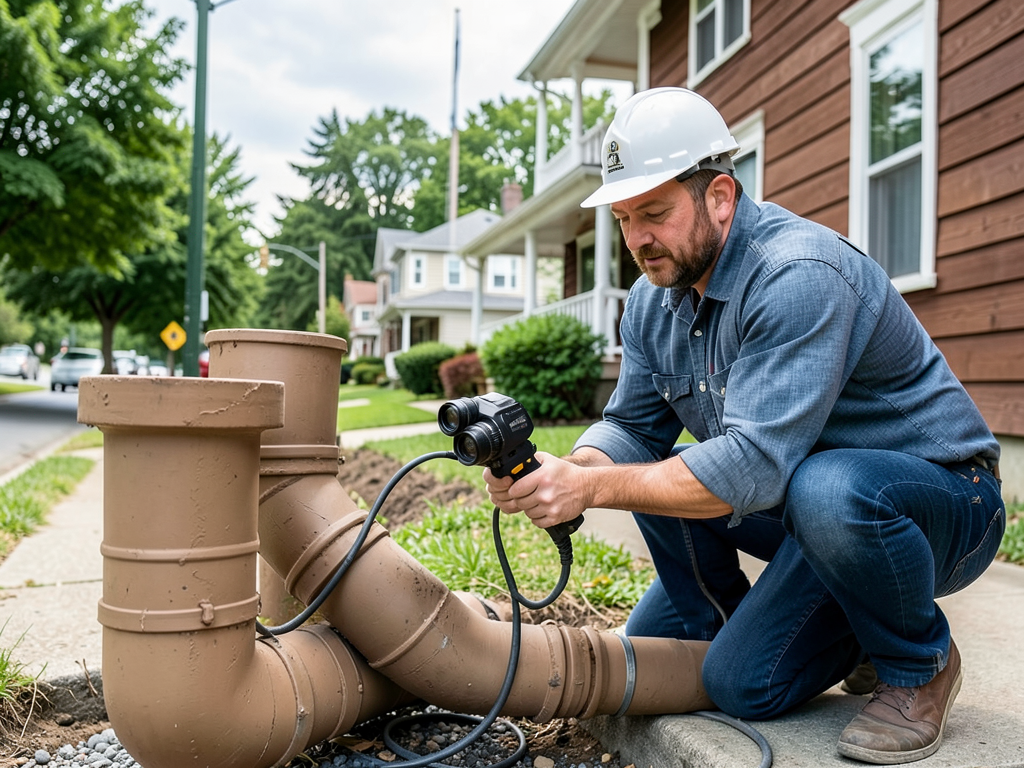
Modern sewer scope inspections use high-definition waterproof cameras mounted on flexible cables. Technicians feed the camera through your main sewer line from an access point near your home. The camera transmits live video to a monitor showing every inch of pipe interior. You see cracks offsets bellies and root intrusions in real time.
The process takes about 45 to 60 minutes for most Madison Park homes. Technicians locate the main sewer cleanout usually in your front yard near the property line. If no cleanout exists they access the line through a roof vent or toilet. The camera travels the entire length to the city main typically 50 to 100 feet from your home.
High-definition footage captures pipe diameter material condition and exact locations of defects. Technicians record the entire inspection creating a digital report with timestamped video clips. You receive this report within 24 hours often the same day. The report includes repair recommendations and estimated costs for any issues found.
Common Sewer Problems in Madison Park Properties
Madison Park’s older homes built between 1920 and 1970 commonly have clay sewer pipes. These pipes connect in short sections creating joints vulnerable to separation. Seattle’s expansive clay soil shifts during wet winters causing pipes to settle and crack. You often find offset joints where pipe sections no longer align properly.
Tree root intrusion affects nearly 30 percent of Madison Park sewer lines. The neighborhood’s mature trees send roots through pipe joints and cracks. Roots grow inside pipes catching debris and causing blockages. During Seattle’s rainy season these blockages create sewage backups in basements and crawl spaces.
Orangeburg pipe another common material in homes built between 1945 and 1970 presents unique problems. This tar-paper composite pipe deteriorates from the inside out. It becomes soft and collapses under soil pressure. Madison Park homes with Orangeburg pipes need replacement rather than repair.
Sewer bellies or low spots form when pipes settle creating areas where waste collects. These bellies cause recurring clogs and require excavation to fix. Heavy rains in November through March overwhelm older systems causing groundwater infiltration. This infiltration increases flow volume and can trigger sewage overflows.
Why Sewer Scopes Matter for Madison Park Real Estate Transactions
Seattle’s real estate market moves fast. Most buyers skip sewer inspections to speed up offers. This creates risk. A failed sewer line discovered after closing can cost $5000 to $15000 to repair. Some repairs require street excavation adding $10000 or more to costs.
Side sewer ordinances in Seattle make homeowners responsible for pipes from their home to the city main. This includes the portion under public streets. Madison Park’s narrow streets and mature tree canopy complicate repairs. Contractors need permits from Seattle Public Utilities and often require traffic control during work.
Most lenders do not require sewer inspections but they should. Home inspection reports note visible plumbing but cannot assess underground conditions. A sewer scope reveals problems that affect property value and livability. Issues found during inspection give you negotiating leverage for repairs or price reductions. Plumbing Bothell.
Madison Park’s historic district status adds another layer. Repairs in historic areas must preserve architectural integrity. This often means using trenchless technology rather than open trench excavation. Trenchless methods cost more upfront but save landscaping and preserve mature trees.
What to Expect During Your Sewer Scope Inspection
Technicians arrive with specialized equipment including a self-leveling camera head that provides clear images even in curved pipes. The camera system includes LED lights for illumination and a sonde transmitter that locates pipes underground. You watch the inspection live on a tablet or laptop screen.
The inspection begins with locating your main sewer line. Technicians use electronic locating equipment to mark pipe path on your lawn. They then access the line through the cleanout or create access if needed. The camera travels the full length while recording high-definition video.
During the inspection you see pipe walls joints and any defects in real time. Technicians narrate findings explaining what each issue means. They measure defect locations using the camera’s distance counter. This helps create accurate repair estimates later.
After inspection you receive a comprehensive report. The report includes video footage annotated with timestamps showing problem areas. It lists pipe material age condition and defect locations with measurements. You also get repair recommendations prioritized by urgency and cost estimates for each option.
Understanding Repair Options and Costs
Repair options depend on pipe material and damage extent. Small cracks or root intrusions often respond to hydro jetting. This process uses high-pressure water to clear roots and debris. Hydro jetting costs $400 to $600 for most Madison Park homes. Hydro Jetting vs. Snaking.
Spot repairs fix specific damaged sections. Technicians dig small access holes and replace broken pipe sections. These repairs cost $1500 to $3000 depending on depth and location. They work well for isolated problems but do not address system-wide issues.
Trenchless sewer repair offers less invasive alternatives. Pipe lining inserts a resin-coated tube into the existing pipe. Technicians inflate the tube which hardens into a new pipe within the old one. This method costs $3000 to $6000 but preserves landscaping and avoids street excavation.
Complete replacement becomes necessary for severely damaged systems. Traditional replacement requires digging trenches from house to street. Costs range from $5000 to $15000 depending on depth pipe material and street restoration needs. Trenchless replacement using pipe bursting costs $6000 to $12000 and works in most Madison Park yards.
Emergency repairs cost more. Weekend or night service adds 50 percent to standard rates. Street excavation requires permits and traffic control increasing costs by $2000 to $4000. Insurance may cover some repair costs if damage results from covered events. How to Get an Emergency Plumber in West Seattle After Hours.
Choosing the Right Inspection Company in Madison Park
Look for companies with specific Seattle experience. Local technicians understand Madison Park’s unique challenges including soil conditions tree species and building patterns. They know where to find cleanouts in older homes and how to navigate narrow streets with equipment.
Verify credentials before hiring. Technicians should hold Washington state plumbing licenses. Companies need insurance including general liability and workers compensation. Ask about experience with historic homes and trenchless technology. Washington State Department of Commerce Building Codes.
Request sample reports before committing. Quality reports include clear video footage detailed annotations and repair recommendations. Avoid companies offering verbal-only findings or refusing to provide video copies. You need documentation for real estate transactions.
Check online reviews focusing on recent Seattle-area work. Look for comments about punctuality professionalism and report quality. Companies with multiple negative reviews about missed problems or poor communication may not serve you well.
Ask about equipment capabilities. Modern inspections use self-leveling cameras with at least 512 Hz locating capability. Older push cameras provide limited visibility and cannot accurately locate pipes underground. High-quality inspections include distance measuring and defect sizing.
Protecting Your Investment in Madison Park Real Estate
Sewer scope inspections represent small investments that prevent large losses. The $300 to $500 inspection fee compares favorably to potential $10000 repair bills. For Madison Park’s high property values this protection makes financial sense.
Schedule inspections during home buying process before removing contingencies. This timing gives you options if problems arise. You can negotiate repairs credit or walk away from problematic properties. Post-closing discoveries limit your recourse and increase costs.
Consider annual inspections for older Madison Park homes even after purchase. Annual checks catch developing problems before they cause damage. This preventive approach costs less than emergency repairs and provides peace of mind.
Combine sewer scopes with other specialized inspections for comprehensive property assessment. Camera inspections of drain lines water lines and gas lines reveal hidden problems. This thorough approach protects your investment and helps plan future maintenance.
Madison Park’s unique character including its mature trees lake proximity and historic homes creates specific plumbing challenges. Understanding these challenges helps you make informed decisions about property purchase and maintenance. Knowledge gained from inspections guides smart investment choices. Plumbing Burien.
Frequently Asked Questions
How long does a sewer scope inspection take?
Most inspections require 45 to 60 minutes on site. Setup takes about 15 minutes including locating the sewer line and accessing the cleanout. The camera inspection itself takes 20 to 30 minutes. Post-inspection report generation requires one to two hours but you often receive results the same day.
Will the inspection require digging up my yard?
Standard inspections use existing cleanouts and require no excavation. If no cleanout exists technicians access pipes through roof vents or toilets. Only repairs require digging. Trenchless technologies minimize excavation needs for most common problems.
Can I get a copy of the inspection video?
Yes. All reputable companies provide video copies as part of their service. You receive digital files showing the complete inspection with timestamped annotations. These videos prove valuable for real estate transactions insurance claims and repair planning.
What if the inspection finds problems?
Finding problems does not mean you cannot buy the property. It means you have information for decision making. You can request seller repairs negotiate price reductions or plan for future maintenance costs. Knowledge helps you make informed choices rather than costly surprises.
How often should I inspect my sewer line?
Inspect lines every one to two years for homes over 30 years old. Schedule inspections before major landscaping projects or home additions. Annual inspections make sense for properties with recurring drain problems or mature trees near sewer lines.
Does homeowners insurance cover sewer line repairs?
Standard policies rarely cover sewer line repairs. Coverage may exist for specific damages like tree root intrusion if caused by covered events. Separate sewer line warranties provide additional protection. Check policy details and consider warranty options for older homes.
Take Action Before Closing Day Arrives
Madison Park’s competitive real estate market pressures buyers to waive inspections and move quickly. This pressure creates risk. A $500 sewer scope inspection reveals problems that could cost $10000 or more to repair. The small investment protects your larger investment.
Don’t wait until after closing to discover sewer problems. By then repair costs become your responsibility and negotiating power disappears. Schedule your inspection now while you still have contingencies and options. Knowledge gained during inspection helps you make informed decisions about property purchase.
Call (564) 220-5552 today to schedule your Madison Park sewer scope inspection. Our experienced technicians understand local conditions and provide thorough professional service. We offer same-day service for urgent situations and complete digital reports within 24 hours. Protect your investment with expert inspection before you buy.
{
“@context”: “https://schema.org”,
“@type”: “BlogPosting”,
“headline”: “Sewer Scope Inspections for Home Buyers in Madison Park”,
“description”: “Protect your investment with sewer scope inspections in Madison Park. Discover how aging clay pipes and tree roots affect Seattle homes before you buy.”,
“wordCount”: 1901,
“datePublished”: “2026-02-25T07:38:00.000Z”,
“dateModified”: “2026-02-25T07:38:00.000Z”,
“inLanguage”: “en-US”,
“mainEntityOfPage”: {
“@type”: “WebPage”,
“@id”: “https://horizonplumbingseattle.com”
},
“publisher”: {
“@type”: “LocalBusiness”,
“name”: “Horizon Plumbing Seattle”,
“url”: “https://horizonplumbingseattle.com”
},
“author”: {
“@type”: “Organization”,
“name”: “Horizon Plumbing Seattle”,
“url”: “https://horizonplumbingseattle.com”
},
“image”: {
“@type”: “ImageObject”,
“url”: “https://horizonplumbingseattle.com/wp-content/uploads/2026/03/sewer-scope-inspections-for-home-buyers-in-madison-1.png”
}
}
{
“@context”: “https://schema.org”,
“@type”: “Plumber”,
“name”: “Horizon Plumbing Seattle”,
“url”: “https://horizonplumbingseattle.com”,
“address”: {
“@type”: “PostalAddress”,
“addressLocality”: “Seattle”
},
“areaServed”: {
“@type”: “City”,
“name”: “Seattle”
}
}
{
“@context”: “https://schema.org”,
“@type”: “FAQPage”,
“mainEntity”: [
{
“@type”: “Question”,
“name”: “How long does a sewer scope inspection take?”,
“acceptedAnswer”: {
“@type”: “Answer”,
“text”: “Most inspections require 45 to 60 minutes on site. Setup takes about 15 minutes including locating the sewer line and accessing the cleanout. The camera inspection itself takes 20 to 30 minutes. Post-inspection report generation requires one to two hours but you often receive results the same day.”
}
},
{
“@type”: “Question”,
“name”: “Will the inspection require digging up my yard?”,
“acceptedAnswer”: {
“@type”: “Answer”,
“text”: “Standard inspections use existing cleanouts and require no excavation. If no cleanout exists technicians access pipes through roof vents or toilets. Only repairs require digging. Trenchless technologies minimize excavation needs for most common problems.”
}
},
{
“@type”: “Question”,
“name”: “Can I get a copy of the inspection video?”,
“acceptedAnswer”: {
“@type”: “Answer”,
“text”: “Yes. All reputable companies provide video copies as part of their service. You receive digital files showing the complete inspection with timestamped annotations. These videos prove valuable for real estate transactions insurance claims and repair planning.”
}
},
{
“@type”: “Question”,
“name”: “What if the inspection finds problems?”,
“acceptedAnswer”: {
“@type”: “Answer”,
“text”: “Finding problems does not mean you cannot buy the property. It means you have information for decision making. You can request seller repairs negotiate price reductions or plan for future maintenance costs. Knowledge helps you make informed choices rather than costly surprises.”
}
},
{
“@type”: “Question”,
“name”: “How often should I inspect my sewer line?”,
“acceptedAnswer”: {
“@type”: “Answer”,
“text”: “Inspect lines every one to two years for homes over 30 years old. Schedule inspections before major landscaping projects or home additions. Annual inspections make sense for properties with recurring drain problems or mature trees near sewer lines.”
}
},
{
“@type”: “Question”,
“name”: “Does homeowners insurance cover sewer line repairs?”,
“acceptedAnswer”: {
“@type”: “Answer”,
“text”: “Standard policies rarely cover sewer line repairs. Coverage may exist for specific damages like tree root intrusion if caused by covered events. Separate sewer line warranties provide additional protection. Check policy details and consider warranty options for older homes.”
}
}
]
}
{
“@context”: “https://schema.org”,
“@type”: “BreadcrumbList”,
“itemListElement”: [
{
“@type”: “ListItem”,
“position”: 1,
“name”: “Home”,
“item”: “https://horizonplumbingseattle.com”
},
{
“@type”: “ListItem”,
“position”: 2,
“name”: “Blog”,
“item”: “https://horizonplumbingseattle.com/blog”
},
{
“@type”: “ListItem”,
“position”: 3,
“name”: “Sewer Scope Inspections for Home Buyers in Madison Park”
}
]
}
{
“@context”: “https://schema.org”,
“@type”: “Service”,
“serviceType”: “Plumbing”,
“provider”: {
“@type”: “LocalBusiness”,
“name”: “Horizon Plumbing Seattle”,
“url”: “https://horizonplumbingseattle.com”
},
“areaServed”: {
“@type”: “City”,
“name”: “Seattle”
},
“description”: “Protect your investment with sewer scope inspections in Madison Park. Discover how aging clay pipes and tree roots affect Seattle homes before you buy.”
}