Understanding the Unique Plumbing Requirements for a DADU in North Greenwood
Building a detached accessory dwelling unit in North Greenwood means navigating Seattle’s specific plumbing requirements from day one. The city treats DADUs as independent living spaces, which triggers separate permitting, water service sizing, and sewer connection rules that differ from attached ADUs. Homeowners in North Greenwood face unique challenges due to the neighborhood’s mix of older infrastructure and hillside terrain, making proper planning essential before breaking ground. Seattle Department of Construction & Inspections.
The first decision point is whether to tie into the main house’s existing water and sewer lines or run new service from the street. Each option carries different costs, permitting timelines, and long-term implications for both properties. Understanding these choices upfront prevents costly mid-project changes and ensures your DADU meets Seattle Department of Construction & Inspections (SDCI) standards from the start. Seattle Public Utilities.
North Greenwood’s soil composition, with its high clay content and occasional glacial till pockets, affects trenching depth and pipe bedding requirements. The area’s hillside lots also mean gravity flow must be calculated carefully to avoid future backups or slow drains. These site-specific factors make early consultation with a licensed Seattle plumber critical to avoid surprises during rough-in inspections. How to Get an Emergency Plumber in West Seattle After Hours.
Water service sizing depends on the number of fixtures in your DADU. A one-bedroom unit typically needs a 3/4-inch line, while a two-bedroom with multiple bathrooms may require a 1-inch line to maintain adequate pressure. Seattle Public Utilities (SPU) also requires separate metering for DADUs, which means additional trenching and a dedicated water meter pit installation.. Read more about Why Your Renton Water Heater Needs a Thermal Expansion Tank to Prevent Constant Leaking.
Side sewer connections for DADUs in North Greenwood often require careful coordination with King County’s sewer capacity charge system. If your property’s existing sewer line lacks capacity, you may need to pay capacity charges or upgrade the main line before obtaining permits. These fees can add thousands to your project budget and should be factored into early planning. Trenchless Sewer Repair Options for Historic Capitol Hill Homes.
Winterization is another consideration unique to North Greenwood’s occasional hard freezes. While Seattle rarely sees extended sub-freezing temperatures, the neighborhood’s elevation changes can create cold spots where pipes are more vulnerable. Proper insulation and strategic pipe routing prevent freeze damage and ensure year-round reliability.
Permitting for DADU plumbing in Seattle involves multiple inspections: underground rough-in, above-ground rough-in, and final inspection. Each stage must pass before covering walls or burying pipes. Missing an inspection step can delay your certificate of occupancy and extend your construction timeline by weeks. Plumbing Bothell.
Choosing between traditional trenching and trenchless methods affects both cost and site disruption. North Greenwood’s mature trees and established landscaping make directional drilling an attractive option for running new lines without destroying existing hardscapes. However, trenchless methods have depth limitations and may not work on all lot configurations.
Backflow prevention devices are mandatory for DADUs in Seattle, protecting the city’s water supply from contamination. These devices require annual testing by a certified tester, adding a small but ongoing maintenance cost to your DADU ownership. Failure to maintain backflow prevention can result in water service disconnection.. Read more about Adding a Point of Use Water Heater to Your Madison Park Home Office or Workshop.
Gas line installation for DADU heating or appliances follows Seattle Fuel Gas Code requirements. Lines must be sized for the connected load, properly vented, and installed by a licensed gas fitter. North Greenwood’s older homes may have legacy gas lines that complicate new connections, requiring careful pressure testing before approval.
Drainage design for DADUs must account for Seattle’s high annual rainfall. Roof drains, French drains, and proper grading prevent water from overwhelming your side sewer connection during heavy storms. Poor drainage design can lead to basement flooding or foundation damage over time.. Read more about Why Hybrid Heat Pump Water Heaters are Outperforming Standard Tanks in Shoreline Homes.
Material selection affects both performance and inspection approval. While PEX piping offers flexibility and freeze resistance, certain applications still require copper or PVC per Seattle Residential Code. Using non-compliant materials risks inspection failure and costly rework.
Cost factors for DADU plumbing in North Greenwood typically range from $15,000 to $30,000 or more, depending on site conditions and chosen systems. Factors affecting cost include trenching distance, soil conditions, number of fixtures, and whether you need to upgrade the main house’s plumbing to accommodate the DADU. Plumbing Burien.
Timeline expectations should include 4-6 weeks for permitting alone, plus 2-3 months for construction depending on weather and inspection schedules. Starting during Seattle’s wet season can extend timelines due to muddy trenching conditions and frozen ground in winter months.
Communication with your plumber throughout the project prevents misunderstandings. Regular site meetings ensure inspections happen on schedule and that any discovered issues get addressed before they become expensive problems. A good plumber will also coordinate with your general contractor to keep other trades on schedule.
Energy efficiency considerations for DADU plumbing include tankless water heaters, low-flow fixtures, and proper pipe insulation. These choices reduce utility costs and may qualify for Seattle’s energy efficiency rebates, offsetting some installation costs over time.
Future-proofing your DADU plumbing means planning for potential additions. Running slightly oversized lines or adding capped connections during initial installation makes later expansions easier and less expensive. This foresight can save thousands if you decide to add a bathroom or upgrade appliances years later.
Insurance requirements for DADUs often include specific plumbing coverage. Your homeowner’s policy may need updates to cover the new structure and its systems. Some insurers require documentation of professional installation and inspection before providing coverage.
Resale value impact of a professionally installed DADU plumbing system is significant. Buyers and appraisers look for code-compliant installations with proper permits and inspections. DIY or unpermitted work can reduce your property value and complicate future sales.
Environmental considerations include graywater system options for irrigation, though these require separate permits and cannot connect to the main sewer without proper backflow prevention. Rainwater harvesting systems can supplement outdoor water needs but must be designed to prevent cross-connection with potable water.
Noise considerations for DADU plumbing involve proper pipe strapping and insulation to prevent water hammer and vibration transmission to the main house. This is especially important in North Greenwood’s older homes where wall cavities may transmit sound more readily.
Emergency shutoff planning ensures quick response to leaks or failures. Installing accessible main shutoff valves for both water and gas in your DADU protects both structures from catastrophic damage. These valves should be clearly marked and tested annually.
Maintenance planning for DADU plumbing includes regular drain cleaning, water heater flushing, and fixture inspection. Establishing a maintenance schedule prevents small issues from becoming major repairs and extends the life of your plumbing systems.
Technology integration options for DADUs include smart water monitors that detect leaks and automatically shut off water supply. These systems provide peace of mind when the DADU is rented or used as guest quarters, preventing extensive water damage from undetected leaks.
Accessibility considerations for DADU plumbing may be necessary if you plan to accommodate elderly family members or future resale to buyers with mobility needs. This includes proper fixture heights, grab bar reinforcements, and walk-in shower designs that meet ADA guidelines.
Soil testing before trenching can reveal problematic conditions like high water tables or unstable fill that weren’t apparent during initial site assessment. This testing, while an added cost, can prevent expensive mid-project changes when unexpected conditions are discovered during excavation.
Permit expiration timelines mean your plumbing work must be completed within specific timeframes after permit issuance. Delays can require permit renewal and additional fees, so coordinating your project schedule with inspection availability is crucial for staying on budget.
Neighbor considerations for DADU plumbing include minimizing construction noise and dust, protecting shared property lines, and addressing any concerns about drainage changes that might affect adjacent properties. Good communication prevents disputes and maintains positive relationships during construction.
Utility coordination between Seattle Public Utilities, Seattle City Light, and other agencies affects your project timeline. Each utility has different requirements and inspection processes that must be completed in specific sequences, requiring careful project management to avoid delays.
Final inspection approval requires all plumbing work to meet current Seattle codes, including proper venting, trap installation, and fixture connections. Any deficiencies found during final inspection must be corrected before your DADU can receive its certificate of occupancy.
Documentation retention for your DADU plumbing includes keeping all permits, inspection reports, and warranty information. This documentation proves code compliance to future buyers, insurance companies, and city inspectors if questions arise years later.
Understanding these requirements before starting your DADU project in North Greenwood saves time, money, and frustration. The complexity of Seattle’s plumbing codes and the neighborhood’s specific conditions make professional guidance invaluable from the earliest planning stages.
Connecting Your DADU to Existing Infrastructure
Side sewer connections for DADUs in North Greenwood require careful evaluation of your property’s existing sewer capacity. The Seattle Department of Construction & Inspections mandates that new connections cannot overwhelm the existing system, which means capacity calculations must be performed before permit approval.
Properties built before 1970 often have undersized sewer lines that cannot support additional fixtures without upgrades. This limitation is common in North Greenwood’s older neighborhoods where original clay tile pipes may have settled or cracked over decades of use.
Directional drilling offers a less disruptive alternative to traditional trenching for side sewer connections. This method bores underground paths without disturbing surface landscaping, making it ideal for North Greenwood’s established yards with mature trees and decorative gardens.
Water meter sizing for DADUs follows Seattle Public Utilities guidelines based on fixture units. A typical one-bedroom DADU needs a 3/4-inch meter, while larger units require 1-inch service to maintain adequate pressure during simultaneous fixture use.
Backflow prevention devices protect Seattle’s water supply from contamination and are mandatory for all DADUs. These devices must be installed at the water service entrance and tested annually by certified testers to maintain compliance with Washington State regulations.
Gas line installation for DADU heating or appliances requires compliance with Seattle Fuel Gas Code. Lines must be properly sized for the connected load, installed with appropriate venting, and pressure tested before final approval.
Winterization considerations for North Greenwood DADUs include pipe insulation and strategic routing to prevent freeze damage. While Seattle rarely experiences extended freezing temperatures, the neighborhood’s elevation changes can create cold spots where pipes are more vulnerable.
Permitting for DADU plumbing involves multiple inspection stages: underground rough-in, above-ground rough-in, and final inspection. Each stage must pass before covering walls or burying pipes, with typical timelines extending 4-6 weeks for initial permit approval.
Cost factors for DADU plumbing in North Greenwood typically range from $15,000 to $30,000, depending on site conditions and chosen systems. Factors affecting cost include trenching distance, soil conditions, number of fixtures, and whether you need to upgrade the main house’s plumbing to accommodate the DADU.
Material selection affects both performance and inspection approval. While PEX piping offers flexibility and freeze resistance, certain applications still require copper or PVC per Seattle Residential Code. Using non-compliant materials risks inspection failure and costly rework.
Energy efficiency options for DADU plumbing include tankless water heaters, low-flow fixtures, and proper pipe insulation. These choices reduce utility costs and may qualify for Seattle’s energy efficiency rebates, offsetting some installation costs over time.
Future-proofing your DADU plumbing means planning for potential additions. Running slightly oversized lines or adding capped connections during initial installation makes later expansions easier and less expensive.
Insurance requirements for DADUs often include specific plumbing coverage. Your homeowner’s policy may need updates to cover the new structure and its systems, with some insurers requiring documentation of professional installation and inspection.
Resale value impact of a professionally installed DADU plumbing system is significant. Buyers and appraisers look for code-compliant installations with proper permits and inspections, while DIY or unpermitted work can reduce property value and complicate future sales.
Environmental considerations include graywater system options for irrigation, though these require separate permits and cannot connect to the main sewer without proper backflow prevention. Rainwater harvesting systems can supplement outdoor water needs but must be designed to prevent cross-connection with potable water.
Noise considerations for DADU plumbing involve proper pipe strapping and insulation to prevent water hammer and vibration transmission to the main house. This is especially important in North Greenwood’s older homes where wall cavities may transmit sound more readily.
Emergency shutoff planning ensures quick response to leaks or failures. Installing accessible main shutoff valves for both water and gas in your DADU protects both structures from catastrophic damage and should be clearly marked and tested annually.
Maintenance planning for DADU plumbing includes regular drain cleaning, water heater flushing, and fixture inspection. Establishing a maintenance schedule prevents small issues from becoming major repairs and extends the life of your plumbing systems.
Technology integration options for DADUs include smart water monitors that detect leaks and automatically shut off water supply. These systems provide peace of mind when the DADU is rented or used as guest quarters, preventing extensive water damage from undetected leaks.
Accessibility considerations for DADU plumbing may be necessary if you plan to accommodate elderly family members or future resale to buyers with mobility needs. This includes proper fixture heights, grab bar reinforcements, and walk-in shower designs that meet ADA guidelines.
Soil testing before trenching can reveal problematic conditions like high water tables or unstable fill that weren’t apparent during initial site assessment. This testing, while an added cost, can prevent expensive mid-project changes when unexpected conditions are discovered during excavation.
Permit expiration timelines mean your plumbing work must be completed within specific timeframes after permit issuance. Delays can require permit renewal and additional fees, so coordinating your project schedule with inspection availability is crucial for staying on budget.
Neighbor considerations for DADU plumbing include minimizing construction noise and dust, protecting shared property lines, and addressing any concerns about drainage changes that might affect adjacent properties. Good communication prevents disputes and maintains positive relationships during construction.
Utility coordination between Seattle Public Utilities, Seattle City Light, and other agencies affects your project timeline. Each utility has different requirements and inspection processes that must be completed in specific sequences, requiring careful project management to avoid delays.
Final inspection approval requires all plumbing work to meet current Seattle codes, including proper venting, trap installation, and fixture connections. Any deficiencies found during final inspection must be corrected before your DADU can receive its certificate of occupancy.
Documentation retention for your DADU plumbing includes keeping all permits, inspection reports, and warranty information. This documentation proves code compliance to future buyers, insurance companies, and city inspectors if questions arise years later.
Understanding these requirements before starting your DADU project in North Greenwood saves time, money, and frustration. The complexity of Seattle’s plumbing codes and the neighborhood’s specific conditions make professional guidance invaluable from the earliest planning stages.
Estimated Costs for DADU Plumbing in Seattle
Plumbing costs for DADUs in Seattle vary significantly based on site conditions, chosen systems, and permit requirements. Understanding the cost breakdown helps homeowners budget accurately and avoid financial surprises during construction.
Water service installation typically costs $2,000 to $5,000 for standard 3/4-inch lines, with larger 1-inch services for bigger units costing more. This includes trenching, pipe installation, and meter pit setup according to Seattle Public Utilities specifications.
Side sewer connections range from $3,000 to $8,000 depending on trenching distance and soil conditions. Properties requiring capacity upgrades or directional drilling may see costs at the higher end of this range or beyond.
Fixture installation costs vary by type and quality. Basic bathroom fixtures might cost $1,500 to $3,000, while luxury options with custom finishes can exceed $5,000. Kitchen plumbing adds another $1,500 to $4,000 depending on appliance choices.
Backflow prevention devices cost $300 to $800 installed, with annual testing fees of $50 to $100. While mandatory, these devices represent a small portion of total plumbing costs but are essential for code compliance.
Gas line installation for heating or appliances typically costs $1,000 to $3,000, depending on line length and complexity. Properties with difficult access or requiring extensive pressure testing may see higher costs.
Permit fees for DADU plumbing in Seattle range from $500 to $2,000, depending on project scope and inspection requirements. These fees are separate from building permit costs and must be paid before work begins.
King County sewer capacity charges may apply if your property’s existing sewer line cannot support the additional load. These charges can range from $2,000 to $10,000 or more, depending on the required capacity increase.
Unexpected costs often arise from soil conditions, utility conflicts, or code compliance issues discovered during construction. Budgeting an additional 15-20% for contingencies helps prevent budget overruns.
Energy efficiency upgrades like tankless water heaters add $1,500 to $3,000 but may qualify for rebates that offset some costs. These systems reduce long-term utility expenses while providing endless hot water.
Winterization improvements cost $500 to $2,000 but are essential for North Greenwood’s occasional freeze conditions. Proper insulation and pipe routing prevent expensive freeze damage repairs.
Smart technology integration for leak detection and automatic shutoff adds $500 to $1,500 but provides valuable protection against water damage. These systems can prevent thousands in potential repair costs from undetected leaks.
Accessibility modifications for ADA compliance or elderly accommodation add $1,000 to $5,000 depending on the extent of changes required. These modifications may be necessary for certain family situations or future resale considerations.
Material quality significantly impacts both initial costs and long-term performance. While PEX offers cost savings over copper, certain applications still require specific materials per Seattle code, affecting overall project costs.
Professional installation by licensed plumbers ensures code compliance and warranty protection but costs more than DIY approaches. The peace of mind and insurance coverage provided by professional work often justifies the higher initial investment.
Maintenance costs for DADU plumbing average $200 to $500 annually for routine services like drain cleaning and fixture inspection. Budgeting for these ongoing expenses ensures long-term system reliability.
Insurance premium increases for DADUs typically range from $100 to $300 annually, depending on the value of the new structure and its systems. Some insurers offer discounts for professionally installed plumbing with proper permits and inspections.
Resale value impact of quality DADU plumbing installation can offset much of the initial investment. Buyers value code-compliant systems with proper documentation, potentially increasing your property value by more than the plumbing installation cost.
Financing options for DADU plumbing include construction loans, home equity lines of credit, and specialized renovation financing. Interest rates and terms vary by lender, affecting the total cost of your project over time.
Timing considerations affect costs, with winter construction often costing more due to weather-related delays and frozen ground conditions. Planning your project during Seattle’s drier months can reduce weather-related expenses.
Contractor selection significantly impacts both cost and quality. Experienced DADU specialists may charge more but complete work faster and with fewer code violations, ultimately saving money through efficiency and avoiding costly rework.
The Installation Process: Rough-in to Finish
The DADU plumbing installation process follows a specific sequence that ensures code compliance and prevents costly rework. Understanding this timeline helps homeowners coordinate with contractors and plan for inspections.
Site preparation begins with utility locates and soil testing to identify underground obstacles and determine trenching requirements. This phase typically takes 1-2 days and prevents damage to existing utilities during excavation.
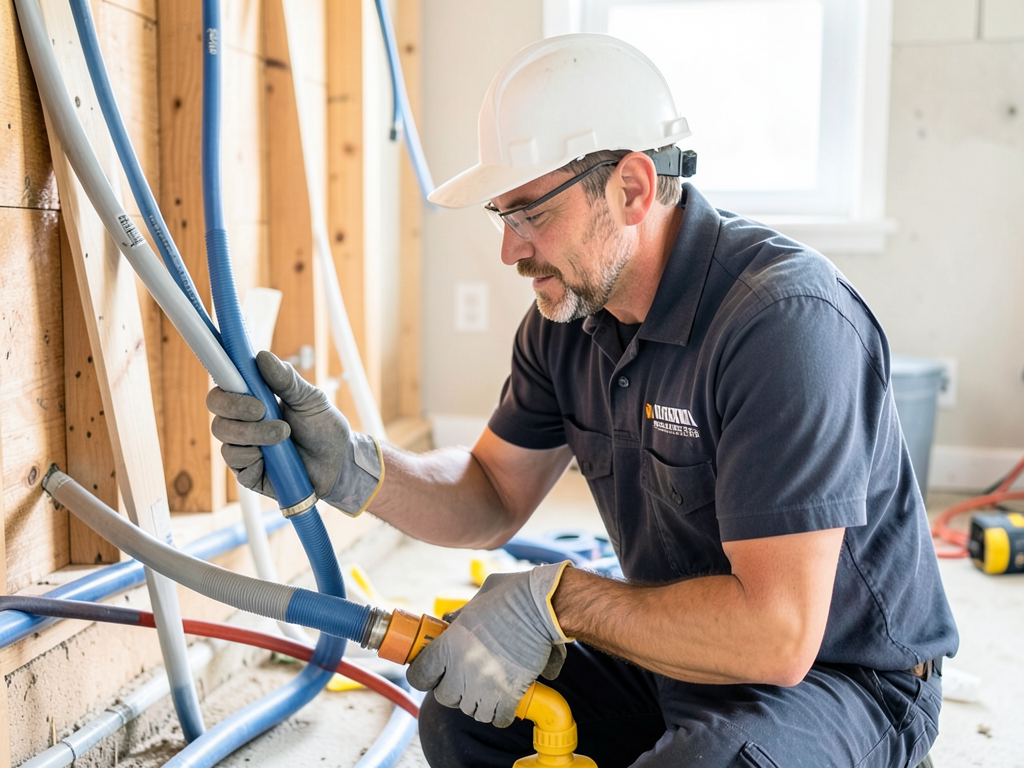
Underground rough-in involves trenching for water, sewer, and gas lines according to engineered plans. This work must be inspected before covering, typically requiring 3-5 days for completion depending on soil conditions and trenching distance.
Water service installation includes running the main line from the street, installing the meter pit, and connecting to the DADU structure. This work requires coordination with Seattle Public Utilities and typically takes 2-3 days.
Side sewer connection involves tying into the existing sewer line or installing a new lateral to the main sewer. This work requires King County approval and typically takes 2-4 days depending on connection complexity.
Gas line installation follows strict safety protocols including pressure testing and leak detection. This work must be completed by licensed gas fitters and typically takes 1-2 days for standard installations.
Above-ground rough-in includes installing drain, waste, and vent lines within the structure. This work must be inspected before wall closure and typically takes 3-5 days depending on fixture complexity.
Fixture installation involves connecting sinks, toilets, showers, and appliances to the rough-in plumbing. This work typically takes 2-3 days and requires final inspection before occupancy.
Backflow prevention device installation and testing must be completed before final inspection. This work typically takes 1 day and requires annual testing thereafter.
Final inspection ensures all work meets Seattle Residential Code requirements. Any deficiencies must be corrected before occupancy approval, with typical correction times ranging from 1-3 days.
Documentation and permit closeout involves submitting as-built drawings and test results to the city. This process typically takes 1-2 weeks after final inspection approval.
System testing includes pressure testing of water lines, leak detection for gas lines, and drainage testing for waste systems. This work ensures all systems function properly before final approval.
Clean-up and site restoration involves backfilling trenches, repairing landscaping, and removing construction debris. This work typically takes 1-2 days and restores the site to its original condition or better.
Owner orientation includes demonstrating shutoff valves, explaining maintenance requirements, and providing warranty information. This step ensures homeowners understand their new systems and can respond to emergencies.
Follow-up inspection may be required to verify that any correction items from final inspection have been properly addressed. This typically occurs within 30 days of initial final inspection.
Warranty registration for fixtures and systems ensures coverage for manufacturer defects. This step typically takes 1-2 days and provides long-term protection for your investment.
Maintenance scheduling establishes a timeline for routine services like drain cleaning and water heater flushing. Setting up these services during installation ensures long-term system reliability.
Emergency response planning includes locating shutoff valves and establishing contact procedures for plumbing emergencies. This planning takes 1-2 hours but provides valuable peace of mind.
Utility coordination ensures all services are properly activated and metered. This work typically takes 1-2 weeks after final inspection and may require separate appointments with different utility providers.
Occupancy approval occurs after all inspections pass and permits are closed. This final step allows you to use your new DADU with confidence that all systems meet code requirements.
Frequently Asked Questions
Can I share plumbing with my main house to save money?
Sharing plumbing lines with your main house is possible but requires careful capacity calculations. Seattle code mandates that the combined system must handle the total load without compromising performance. This approach can save money initially but may require upgrades to your main house plumbing to accommodate the additional demand.
How long do DADU plumbing permits take in Seattle?
DADU plumbing permits in Seattle typically take 4-6 weeks for initial approval, depending on workload at SDCI and the complexity of your project. Simple additions to existing systems may be approved faster, while new service installations require more extensive review and longer timelines.
Do I need a separate water meter for my DADU?
Yes, Seattle Public Utilities requires separate metering for DADUs as they are considered independent dwelling units. This requirement ensures accurate billing and allows for proper tracking of water usage for each structure on your property.
What happens if my soil is problematic during trenching?
Problematic soil conditions like high water tables or unstable fill can significantly impact your project timeline and cost. Your plumber may need to use different trenching methods, install additional drainage, or use specialized bedding materials to ensure proper pipe installation and long-term reliability.
Are there winterization requirements specific to North Greenwood?
While Seattle rarely experiences extended freezing temperatures, North Greenwood’s elevation changes can create cold spots where pipes are more vulnerable. Proper insulation, strategic pipe routing, and freeze-resistant materials are recommended to prevent damage during occasional cold snaps.
How do I know if my sewer line has enough capacity?
A licensed plumber can perform capacity calculations based on your existing fixtures and the proposed DADU load. If your current line lacks capacity, you may need to upgrade the main line or pay King County capacity charges before proceeding with your DADU project.
What inspections are required for DADU plumbing?
DADU plumbing requires three main inspections: underground rough-in, above-ground rough-in, and final inspection. Each inspection must pass before covering pipes or closing walls, with corrections required for any deficiencies found during the inspection process.
Can I install DADU plumbing myself to save money?
DIY plumbing installation for DADUs is not recommended and may violate Seattle codes. Professional installation ensures code compliance, proper permitting, and warranty protection. DIY work that fails inspection can result in costly rework and may affect your ability to obtain occupancy permits.
How much does DADU plumbing typically cost in North Greenwood?
DADU plumbing costs in North Greenwood typically range from $15,000 to $30,000 or more, depending on site conditions, chosen systems, and permit requirements. Factors affecting cost include trenching distance, soil conditions, number of fixtures, and whether you need to upgrade existing plumbing.
What energy efficiency options are available for DADU plumbing?
Energy efficiency options for DADU plumbing include tankless water heaters, low-flow fixtures, and proper pipe insulation. These choices reduce utility costs and may qualify for Seattle energy efficiency rebates, offsetting some installation costs over time while providing environmental benefits.
{
“@context”: “https://schema.org”,
“@type”: “BlogPosting”,
“headline”: “Understanding the Unique Plumbing Requirements for a DADU in North Greenwood”,
“description”: “Learn Seattle DADU plumbing codes, side sewer permits, water service sizing, and installation steps for North Greenwood detached accessory dwelling units. Horizon Plumbing Seattle.”,
“wordCount”: 4198,
“datePublished”: “2026-06-06T06:13:00.000Z”,
“dateModified”: “2026-06-06T06:13:00.000Z”,
“inLanguage”: “en-US”,
“mainEntityOfPage”: {
“@type”: “WebPage”,
“@id”: “https://horizonplumbingseattle.com”
},
“publisher”: {
“@type”: “LocalBusiness”,
“name”: “Horizon Plumbing Seattle”,
“url”: “https://horizonplumbingseattle.com”
},
“author”: {
“@type”: “Organization”,
“name”: “Horizon Plumbing Seattle”,
“url”: “https://horizonplumbingseattle.com”
},
“image”: {
“@type”: “ImageObject”,
“url”: “https://horizonplumbingseattle.com/wp-content/uploads/2026/03/understanding-the-unique-plumbing-requirements-for-1.png”
}
}
{
“@context”: “https://schema.org”,
“@type”: “Plumber”,
“name”: “Horizon Plumbing Seattle”,
“url”: “https://horizonplumbingseattle.com”,
“address”: {
“@type”: “PostalAddress”,
“addressLocality”: “Seattle”
},
“areaServed”: {
“@type”: “City”,
“name”: “Seattle”
}
}
{
“@context”: “https://schema.org”,
“@type”: “FAQPage”,
“mainEntity”: [
{
“@type”: “Question”,
“name”: “Can I share plumbing with my main house to save money?”,
“acceptedAnswer”: {
“@type”: “Answer”,
“text”: “Sharing plumbing lines with your main house is possible but requires careful capacity calculations. Seattle code mandates that the combined system must handle the total load without compromising performance. This approach can save money initially but may require upgrades to your main house plumbing to accommodate the additional demand.”
}
},
{
“@type”: “Question”,
“name”: “How long do DADU plumbing permits take in Seattle?”,
“acceptedAnswer”: {
“@type”: “Answer”,
“text”: “DADU plumbing permits in Seattle typically take 4-6 weeks for initial approval, depending on workload at SDCI and the complexity of your project. Simple additions to existing systems may be approved faster, while new service installations require more extensive review and longer timelines.”
}
},
{
“@type”: “Question”,
“name”: “Do I need a separate water meter for my DADU?”,
“acceptedAnswer”: {
“@type”: “Answer”,
“text”: “Yes, Seattle Public Utilities requires separate metering for DADUs as they are considered independent dwelling units. This requirement ensures accurate billing and allows for proper tracking of water usage for each structure on your property.”
}
},
{
“@type”: “Question”,
“name”: “What happens if my soil is problematic during trenching?”,
“acceptedAnswer”: {
“@type”: “Answer”,
“text”: “Problematic soil conditions like high water tables or unstable fill can significantly impact your project timeline and cost. Your plumber may need to use different trenching methods, install additional drainage, or use specialized bedding materials to ensure proper pipe installation and long-term reliability.”
}
},
{
“@type”: “Question”,
“name”: “Are there winterization requirements specific to North Greenwood?”,
“acceptedAnswer”: {
“@type”: “Answer”,
“text”: “While Seattle rarely experiences extended freezing temperatures, North Greenwood’s elevation changes can create cold spots where pipes are more vulnerable. Proper insulation, strategic pipe routing, and freeze-resistant materials are recommended to prevent damage during occasional cold snaps.”
}
},
{
“@type”: “Question”,
“name”: “How do I know if my sewer line has enough capacity?”,
“acceptedAnswer”: {
“@type”: “Answer”,
“text”: “A licensed plumber can perform capacity calculations based on your existing fixtures and the proposed DADU load. If your current line lacks capacity, you may need to upgrade the main line or pay King County capacity charges before proceeding with your DADU project.”
}
},
{
“@type”: “Question”,
“name”: “What inspections are required for DADU plumbing?”,
“acceptedAnswer”: {
“@type”: “Answer”,
“text”: “DADU plumbing requires three main inspections: underground rough-in, above-ground rough-in, and final inspection. Each inspection must pass before covering pipes or closing walls, with corrections required for any deficiencies found during the inspection process.”
}
},
{
“@type”: “Question”,
“name”: “Can I install DADU plumbing myself to save money?”,
“acceptedAnswer”: {
“@type”: “Answer”,
“text”: “DIY plumbing installation for DADUs is not recommended and may violate Seattle codes. Professional installation ensures code compliance, proper permitting, and warranty protection. DIY work that fails inspection can result in costly rework and may affect your ability to obtain occupancy permits.”
}
},
{
“@type”: “Question”,
“name”: “How much does DADU plumbing typically cost in North Greenwood?”,
“acceptedAnswer”: {
“@type”: “Answer”,
“text”: “DADU plumbing costs in North Greenwood typically range from $15,000 to $30,000 or more, depending on site conditions, chosen systems, and permit requirements. Factors affecting cost include trenching distance, soil conditions, number of fixtures, and whether you need to upgrade existing plumbing.”
}
},
{
“@type”: “Question”,
“name”: “What energy efficiency options are available for DADU plumbing?”,
“acceptedAnswer”: {
“@type”: “Answer”,
“text”: “Energy efficiency options for DADU plumbing include tankless water heaters, low-flow fixtures, and proper pipe insulation. These choices reduce utility costs and may qualify for Seattle energy efficiency rebates, offsetting some installation costs over time while providing environmental benefits.”
}
}
]
}
{
“@context”: “https://schema.org”,
“@type”: “BreadcrumbList”,
“itemListElement”: [
{
“@type”: “ListItem”,
“position”: 1,
“name”: “Home”,
“item”: “https://horizonplumbingseattle.com”
},
{
“@type”: “ListItem”,
“position”: 2,
“name”: “Blog”,
“item”: “https://horizonplumbingseattle.com/blog”
},
{
“@type”: “ListItem”,
“position”: 3,
“name”: “Understanding the Unique Plumbing Requirements for a DADU in North Greenwood”
}
]
}
{
“@context”: “https://schema.org”,
“@type”: “Service”,
“serviceType”: “Plumbing”,
“provider”: {
“@type”: “LocalBusiness”,
“name”: “Horizon Plumbing Seattle”,
“url”: “https://horizonplumbingseattle.com”
},
“areaServed”: {
“@type”: “City”,
“name”: “Seattle”
},
“description”: “Learn Seattle DADU plumbing codes, side sewer permits, water service sizing, and installation steps for North Greenwood detached accessory dwelling units. Horizon Plumbing Seattle.”
}