
Water Softeners vs Salt-Free Conditioners (Which One is Best for Kirkland’s Water Profile?)
Kirkland’s water from the Cedar River and Tolt River watersheds typically measures 1.0 to 1.5 grains per gallon (GPG) of hardness. That puts it in the ‘slightly hard’ category, which means mineral buildup can still damage water heaters, dishwashers, and showerheads over time. The question is whether a traditional ion exchange softener or a salt-free conditioner is the better fit for your home. Both systems tackle hard water differently, and the right choice depends on your plumbing setup, maintenance preferences, and environmental concerns. Water Quality Association.
What is a Water Softener? (The Science of Ion Exchange)
A water softener removes calcium and magnesium ions from your water supply through a process called ion exchange. Hard water flows through a tank filled with resin beads that carry a sodium charge. As the water passes through, the resin swaps sodium ions for the hard minerals, leaving the water soft. The system then flushes the captured minerals out during a regeneration cycle using a brine solution from a separate tank. EPA WaterSense.
Most softeners use a control valve that tracks water usage and triggers regeneration automatically. The process typically takes 90 to 120 minutes and uses about 25 to 50 gallons of water per cycle. Salt-based softeners require regular salt refills—usually every 4 to 6 weeks—depending on household size and water usage.
According to the Water Quality Association (WQA), ion exchange softeners reduce hardness to near zero, protecting appliances and plumbing from scale buildup. They also produce a small amount of sodium in the treated water, which is generally safe for most people but may be a concern for those on sodium-restricted diets. Plumbing Bothell.
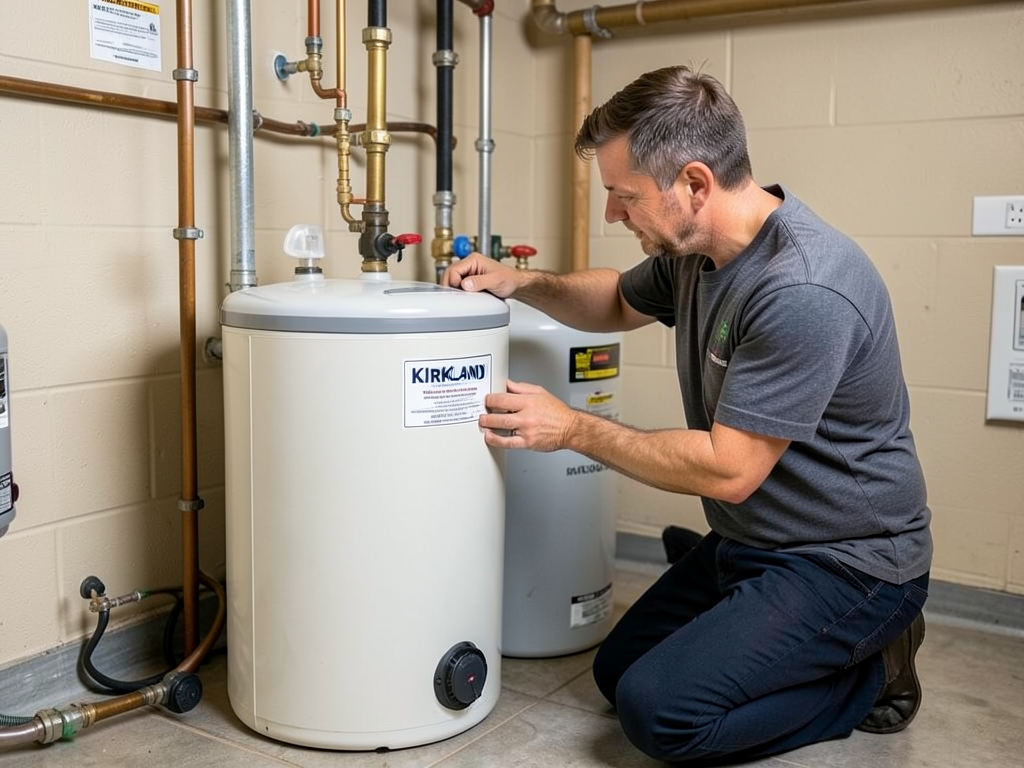
Diagram showing the ion exchange process inside a water softener tank, with resin beads swapping sodium for calcium and magnesium ions.
What is a Water Conditioner? (Scale Inhibition Explained)
Water conditioners, often called salt-free systems, do not remove hard minerals. Instead, they use Template Assisted Crystallization (TAC) technology to change the structure of calcium and magnesium so they cannot stick to surfaces. The minerals remain in the water but flow through your plumbing without forming scale. Plumbing Burien.
TAC media consists of tiny polymer beads that act as nucleation sites. As hard water passes over these beads, the minerals form micro-crystals that stay suspended in the water. The process requires no electricity, no drain line, and no salt. Maintenance is minimal—most TAC systems need a media replacement every 3 to 5 years.. Read more about Filtering Arsenic and Minerals Out of Clearview Well Water Systems.
The EPA’s WaterSense program recognizes TAC as an effective scale prevention method. While conditioners do not produce the ‘slippery’ feel of softened water, they protect water heaters, dishwashers, and plumbing from efficiency-robbing scale buildup. They also avoid the wastewater discharge associated with softener regeneration.
Key Differences: Maintenance, Salt, and Eco-Friendliness
Choosing between these systems comes down to how you weigh performance, upkeep, and environmental impact. Traditional softeners deliver complete hardness removal but require ongoing salt purchases, electricity, and a drain for backwash. Salt-free conditioners offer a low-maintenance, eco-friendly alternative but only neutralize scale rather than remove minerals.
Kirkland’s moderate hardness means many homeowners find salt-free systems sufficient for protecting appliances without the added cost and environmental footprint of a softener. However, if you notice significant white scale on faucets or want the full benefits of softened water—like reduced soap usage and softer skin—an ion exchange system may be worth the extra upkeep.
King County’s plumbing code allows both systems, but salt-based softeners must discharge to the sewer and cannot be connected to irrigation systems. Salt-free conditioners have no discharge requirements, making them easier to install in homes without a suitable drain line. Trenchless Sewer Repair Options for Historic Capitol Hill Homes.
| Feature | Water Softener | Salt-Free Conditioner |
|---|---|---|
| Initial Cost | $1,200–$2,500 | $800–$1,500 |
| Monthly Maintenance | $5–$10 (salt) | $0–$2 (media replacement every 3–5 years) |
| Lifespan | 10–15 years | Media: 3–5 years; Tank: 10+ years |
| Salt Usage | 25–80 lbs/month | None |
| Wastewater Production | 25–50 gallons/cycle | None |
| Scale Removal | 100% | Prevents buildup, does not remove |
Which One Should You Choose for the Pacific Northwest?
Kirkland’s water profile makes this decision more nuanced than in high-hardness regions. With GPG levels below 3, a salt-free conditioner often provides adequate scale protection while avoiding salt discharge into Puget Sound. That matters because King County’s wastewater treatment plants are not designed to remove high concentrations of sodium chloride, which can harm aquatic life.
If your home has older copper or galvanized pipes, a softener can help prevent pinhole leaks caused by mineral corrosion. Modern PEX plumbing handles moderate hardness better, making a conditioner a strong candidate. For homes with high-efficiency appliances, the choice often comes down to whether you want to maximize appliance lifespan (softener) or minimize environmental impact (conditioner).
Seattle Public Utilities reports that the Cedar River watershed’s slightly alkaline pH (around 7.8) can accelerate scale formation in hot water systems. A conditioner’s TAC media handles this well, but a softener’s ion exchange provides the most complete protection for tankless water heaters, which are sensitive to even thin scale layers.

Photo of a technician installing a salt-free water conditioner next to a water heater in a Kirkland home, showing the compact, no-drain setup.
Environmental and Cost Considerations for Kirkland Homes
Salt-based softeners discharge brine during regeneration, which increases chloride levels in the sewer system. King County’s Wastewater Treatment Division monitors these discharges because high salinity can disrupt biological treatment processes. Some cities in California have even banned new softener installations for this reason, though King County still permits them with proper drainage.
Salt-free conditioners eliminate this discharge, using no electricity and producing no wastewater. They also avoid the need for heavy salt bags, reducing both cost and physical effort. The trade-off is that they do not remove existing scale, so homes with severe buildup may need a softener for a full reset before switching to a conditioner.
Energy efficiency also plays a role. Scale inside a water heater insulates the heating element, forcing it to use more energy. The Department of Energy estimates that even 1/16 inch of scale can increase water heating costs by 12%. Both systems prevent this, but a softener’s complete mineral removal offers the highest efficiency gain.
Installation and Maintenance in Kirkland’s Housing Stock
Kirkland’s housing mix includes mid-century ramblers with crawl spaces, newer craftsman-style homes, and high-end builds near the waterfront. Installation location affects system choice. Softeners need a drain and space for a brine tank, while conditioners are more flexible and can fit in tighter mechanical rooms.
Older homes with galvanized pipes often benefit from a softener’s ability to reduce mineral corrosion. PEX-plumbed newer homes handle moderate hardness well, making a conditioner a practical choice. If you have a tankless water heater, the manufacturer may recommend a softener to maintain the warranty, so check your manual before deciding.
Maintenance for softeners includes checking salt levels monthly, cleaning the brine tank annually, and occasionally sanitizing the resin bed. Conditioners need only periodic media replacement and a quick check of the bypass valve. Both systems should have a sediment pre-filter to protect the main media from dirt and debris.
Close-up photo of TAC media beads under magnification, showing the polymer structure that causes calcium to crystallize rather than adhere to surfaces.
Making the Right Choice for Your Kirkland Home
Start by testing your water’s hardness with a simple kit or by requesting a report from Seattle Public Utilities. If your GPG is 1 to 3, a salt-free conditioner will likely meet your needs while keeping environmental impact low. If you see heavy scale, have older plumbing, or want the full benefits of softened water, a traditional softener makes more sense.
Consider your priorities: Do you value zero maintenance and eco-friendliness, or do you want maximum protection for appliances and the silky feel of softened water? For many Kirkland homeowners, the moderate hardness level means a salt-free system strikes the best balance between performance and sustainability.
Whichever you choose, proper sizing matters. A system too small will regenerate too often, wasting water and salt. Too large, and it may not regenerate enough to keep the media effective. A licensed plumber can calculate your home’s daily water usage and recommend the right capacity. How to Get an Emergency Plumber in West Seattle After Hours.
Frequently Asked Questions
Does a water softener remove chlorine from Kirkland’s tap water?
No. Standard softeners only target calcium and magnesium. If you want chlorine removal, you need a separate activated carbon filter installed before the softener or conditioner.
Will a salt-free conditioner make my water feel slippery like a softener?
No. Conditioners do not remove minerals, so the water feels the same. Only ion exchange softeners produce the ‘slick’ feel by removing hard minerals entirely.
How long does it take to install a water softener or conditioner?
Most installations take 2 to 4 hours for a professional plumber. Softeners may take longer if a drain line or electrical outlet needs to be added.
Can I install these systems myself?
While possible, improper installation can cause leaks, void warranties, or violate King County plumbing codes. A licensed plumber ensures correct setup and compliance.
Will either system affect my water pressure?
Both systems include a bypass valve to maintain pressure. A properly sized unit should not cause noticeable pressure loss. Undersized units may restrict flow.
How do I know if my home has hard water problems?
Signs include white scale on faucets, spots on dishes, dry skin after showering, and reduced water heater efficiency. A water test confirms the exact hardness level.
Is the sodium in softened water safe to drink?
For most people, yes. An 8-ounce glass of softened water contains about 12.5 mg of sodium—less than a slice of bread. Those on strict low-sodium diets may prefer a reverse osmosis system for drinking water.
Does King County offer any rebates for water softeners or conditioners?
Currently, no rebates exist for these systems. However, reducing scale can extend appliance life, saving money over time.
Can I use a water softener if I have a septic system?
Yes, but discharge must go to the sewer, not the septic tank. High salt levels can harm septic bacteria. A salt-free conditioner is safer for septic systems.
How often should I test my water after installing a system?
Test annually to ensure the system is working correctly and to monitor for any changes in water quality.
Ready to Protect Your Plumbing?
Choosing the right water treatment system protects your appliances, improves water quality, and can save you money on repairs. If you’re unsure whether a softener or conditioner fits your Kirkland home, we’ll test your water, inspect your plumbing, and recommend the best solution. Call (564) 220-5552 today to schedule your water quality assessment and take the first step toward cleaner, scale-free water.
Don’t wait until scale damages your water heater or dishwasher. Pick up the phone and call (564) 220-5552 before the next mineral buildup causes a costly repair. Our licensed plumbers serve Kirkland and the greater Seattle area with fast, expert service you can trust.
{
“@context”: “https://schema.org”,
“@type”: “BlogPosting”,
“headline”: “Water Softeners vs Salt-Free Conditioners (Which One is Best for Kirkland’s Water Profile?)”,
“description”: “Compare ion exchange water softeners and salt-free conditioners for Kirkland homes. Learn which system best handles local water hardness, maintenance needs, and environmental impact.”,
“wordCount”: 1841,
“datePublished”: “2026-05-07T10:56:00.000Z”,
“dateModified”: “2026-05-07T10:56:00.000Z”,
“inLanguage”: “en-US”,
“mainEntityOfPage”: {
“@type”: “WebPage”,
“@id”: “https://horizonplumbingseattle.com”
},
“publisher”: {
“@type”: “LocalBusiness”,
“name”: “Horizon Plumbing Seattle”,
“url”: “https://horizonplumbingseattle.com”
},
“author”: {
“@type”: “Organization”,
“name”: “Horizon Plumbing Seattle”,
“url”: “https://horizonplumbingseattle.com”
},
“image”: {
“@type”: “ImageObject”,
“url”: “https://horizonplumbingseattle.com/wp-content/uploads/2026/03/water-softeners-vs-salt-free-conditioners-which-on-1.png”
}
}
{
“@context”: “https://schema.org”,
“@type”: “Plumber”,
“name”: “Horizon Plumbing Seattle”,
“url”: “https://horizonplumbingseattle.com”,
“address”: {
“@type”: “PostalAddress”,
“addressLocality”: “Seattle”
},
“areaServed”: {
“@type”: “City”,
“name”: “Seattle”
}
}
{
“@context”: “https://schema.org”,
“@type”: “FAQPage”,
“mainEntity”: [
{
“@type”: “Question”,
“name”: “Which One Should You Choose for the Pacific Northwest?”,
“acceptedAnswer”: {
“@type”: “Answer”,
“text”: “Kirkland’s water profile makes this decision more nuanced than in high-hardness regions. With GPG levels below 3, a salt-free conditioner often provides adequate scale protection while avoiding salt discharge into Puget Sound. That matters because King County’s wastewater treatment plants are not designed to remove high concentrations of sodium chloride, which can harm aquatic life.”
}
},
{
“@type”: “Question”,
“name”: “Does a water softener remove chlorine from Kirkland’s tap water?”,
“acceptedAnswer”: {
“@type”: “Answer”,
“text”: “No. Standard softeners only target calcium and magnesium. If you want chlorine removal, you need a separate activated carbon filter installed before the softener or conditioner.”
}
},
{
“@type”: “Question”,
“name”: “Will a salt-free conditioner make my water feel slippery like a softener?”,
“acceptedAnswer”: {
“@type”: “Answer”,
“text”: “No. Conditioners do not remove minerals, so the water feels the same. Only ion exchange softeners produce the ‘slick’ feel by removing hard minerals entirely.”
}
},
{
“@type”: “Question”,
“name”: “How long does it take to install a water softener or conditioner?”,
“acceptedAnswer”: {
“@type”: “Answer”,
“text”: “Most installations take 2 to 4 hours for a professional plumber. Softeners may take longer if a drain line or electrical outlet needs to be added.”
}
},
{
“@type”: “Question”,
“name”: “Can I install these systems myself?”,
“acceptedAnswer”: {
“@type”: “Answer”,
“text”: “While possible, improper installation can cause leaks, void warranties, or violate King County plumbing codes. A licensed plumber ensures correct setup and compliance.”
}
},
{
“@type”: “Question”,
“name”: “Will either system affect my water pressure?”,
“acceptedAnswer”: {
“@type”: “Answer”,
“text”: “Both systems include a bypass valve to maintain pressure. A properly sized unit should not cause noticeable pressure loss. Undersized units may restrict flow.”
}
},
{
“@type”: “Question”,
“name”: “How do I know if my home has hard water problems?”,
“acceptedAnswer”: {
“@type”: “Answer”,
“text”: “Signs include white scale on faucets, spots on dishes, dry skin after showering, and reduced water heater efficiency. A water test confirms the exact hardness level.”
}
},
{
“@type”: “Question”,
“name”: “Is the sodium in softened water safe to drink?”,
“acceptedAnswer”: {
“@type”: “Answer”,
“text”: “For most people, yes. An 8-ounce glass of softened water contains about 12.5 mg of sodium—less than a slice of bread. Those on strict low-sodium diets may prefer a reverse osmosis system for drinking water.”
}
},
{
“@type”: “Question”,
“name”: “Does King County offer any rebates for water softeners or conditioners?”,
“acceptedAnswer”: {
“@type”: “Answer”,
“text”: “Currently, no rebates exist for these systems. However, reducing scale can extend appliance life, saving money over time.”
}
},
{
“@type”: “Question”,
“name”: “How often should I test my water after installing a system?”,
“acceptedAnswer”: {
“@type”: “Answer”,
“text”: “Test annually to ensure the system is working correctly and to monitor for any changes in water quality.”
}
},
{
“@type”: “Question”,
“name”: “Ready to Protect Your Plumbing?”,
“acceptedAnswer”: {
“@type”: “Answer”,
“text”: “Choosing the right water treatment system protects your appliances, improves water quality, and can save you money on repairs. If you’re unsure whether a softener or conditioner fits your Kirkland home, we’ll test your water, inspect your plumbing, and recommend the best solution. Call (564) 220-5552 today to schedule your water quality assessment and take the first step toward cleaner, scale-free water.”
}
}
]
}
{
“@context”: “https://schema.org”,
“@type”: “BreadcrumbList”,
“itemListElement”: [
{
“@type”: “ListItem”,
“position”: 1,
“name”: “Home”,
“item”: “https://horizonplumbingseattle.com”
},
{
“@type”: “ListItem”,
“position”: 2,
“name”: “Blog”,
“item”: “https://horizonplumbingseattle.com/blog”
},
{
“@type”: “ListItem”,
“position”: 3,
“name”: “Water Softeners vs Salt-Free Conditioners (Which One is Best for Kirkland’s Water Profile?)”
}
]
}
{
“@context”: “https://schema.org”,
“@type”: “Service”,
“serviceType”: “Plumbing”,
“provider”: {
“@type”: “LocalBusiness”,
“name”: “Horizon Plumbing Seattle”,
“url”: “https://horizonplumbingseattle.com”
},
“areaServed”: {
“@type”: “City”,
“name”: “Seattle”
},
“description”: “Compare ion exchange water softeners and salt-free conditioners for Kirkland homes. Learn which system best handles local water hardness, maintenance needs, and environmental impact.”
}